


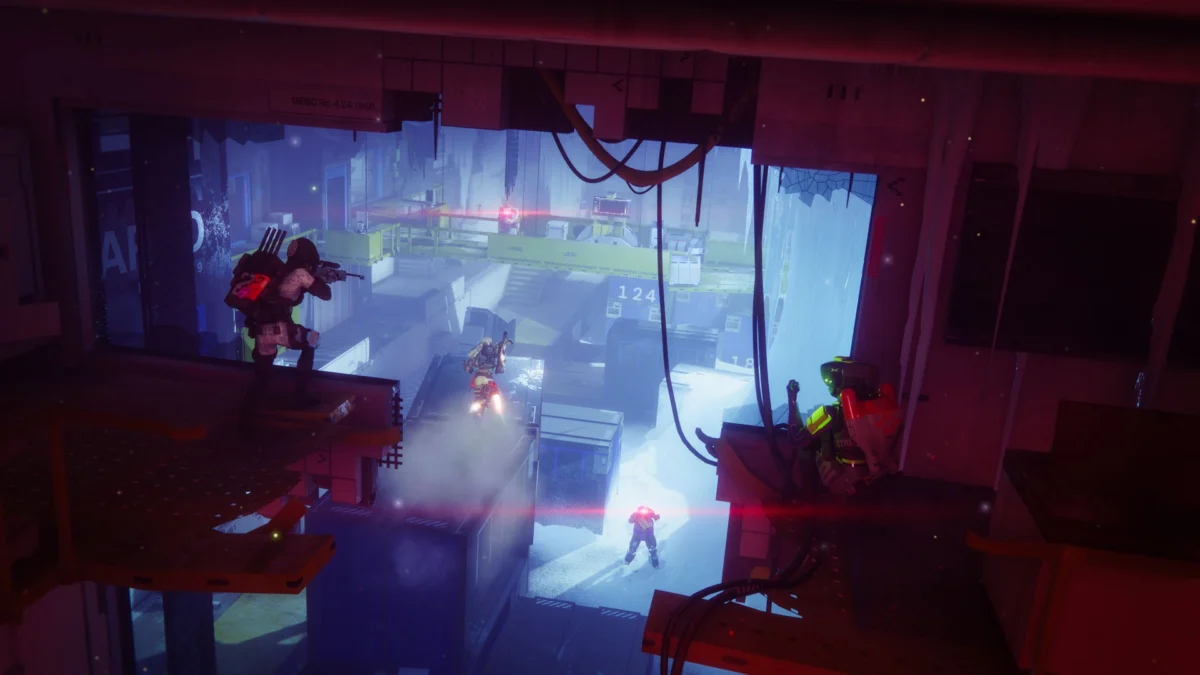
Bungie has officially announced the introduction of Vault Breaker, a dedicated Player-versus-Environment (PvE) mode for its extraction shooter, Marathon, marking a significant strategic shift intended to lower the barrier of entry for new players and provide a structured environment for solo exploration. This new mode, scheduled to launch on July 21, will allow participants to engage with the high-stakes Cryo Archive map without the looming threat of hostile human players, focusing instead on computer-controlled adversaries and a specialized progression system. The announcement comes at a critical juncture for the title, which has seen a steady decline in its concurrent player base since its initial launch in March, prompting the development team to reassess the balance between hardcore competitive play and accessible cooperative content.
The Architecture of Vault Breaker: Mechanics and Design
Vault Breaker is designed as a standalone experience within the broader Marathon ecosystem, specifically targeting the Cryo Archive, a location previously designated as high-level endgame content. In the standard PvPvE (Player-versus-Player-versus-Environment) mode, the Cryo Archive is notorious for its density of veteran "runners" and high-tier loot, making it a daunting prospect for those unfamiliar with the game’s intricate map layouts and extraction mechanics.
Under the new Vault Breaker framework, players can choose to enter the map as a solo operative or as part of a coordinated squad. The primary objective involves infiltrating series of vaults that scale in difficulty as the session progresses. Unlike the standard mode, where the primary threat is often other players camping extraction points or hunting for gear, Vault Breaker emphasizes tactical combat against UESC (United Earth Space Council) robotic forces and other indigenous threats.
Bungie has confirmed that Vault Breaker will utilize a "closed ecosystem" for its loot and progression. This means that weaponry, armor, and utility items scavenged within the PvE vaults are generally restricted to that mode. To ensure that the high-stakes economy of the primary PvP game remains balanced, items earned in Vault Breaker will not be transferable to the competitive arena. However, the mode is not entirely isolated; players will earn a specific currency within Vault Breaker that can be utilized to purchase equipment and upgrades for use in other game modes. This creates a gameplay loop where less experienced players can "farm" resources in a controlled environment to better prepare themselves for the rigors of the standard extraction experience.
Historical Context and the Evolution of Marathon
The current iteration of Marathon represents a bold departure for Bungie, a studio historically defined by its narrative-driven first-person shooters like Halo and the live-service juggernaut Destiny. When Bungie first announced it was reviving the Marathon IP—a franchise that originated in 1994 as a seminal Macintosh trilogy—fans were met with a radical reimagining. The original games were celebrated for their deep lore, complex puzzles, and single-player atmosphere. The reboot, however, transitioned the series into the "extraction shooter" genre, popularized by titles such as Escape from Tarkov and Hunt: Showdown.
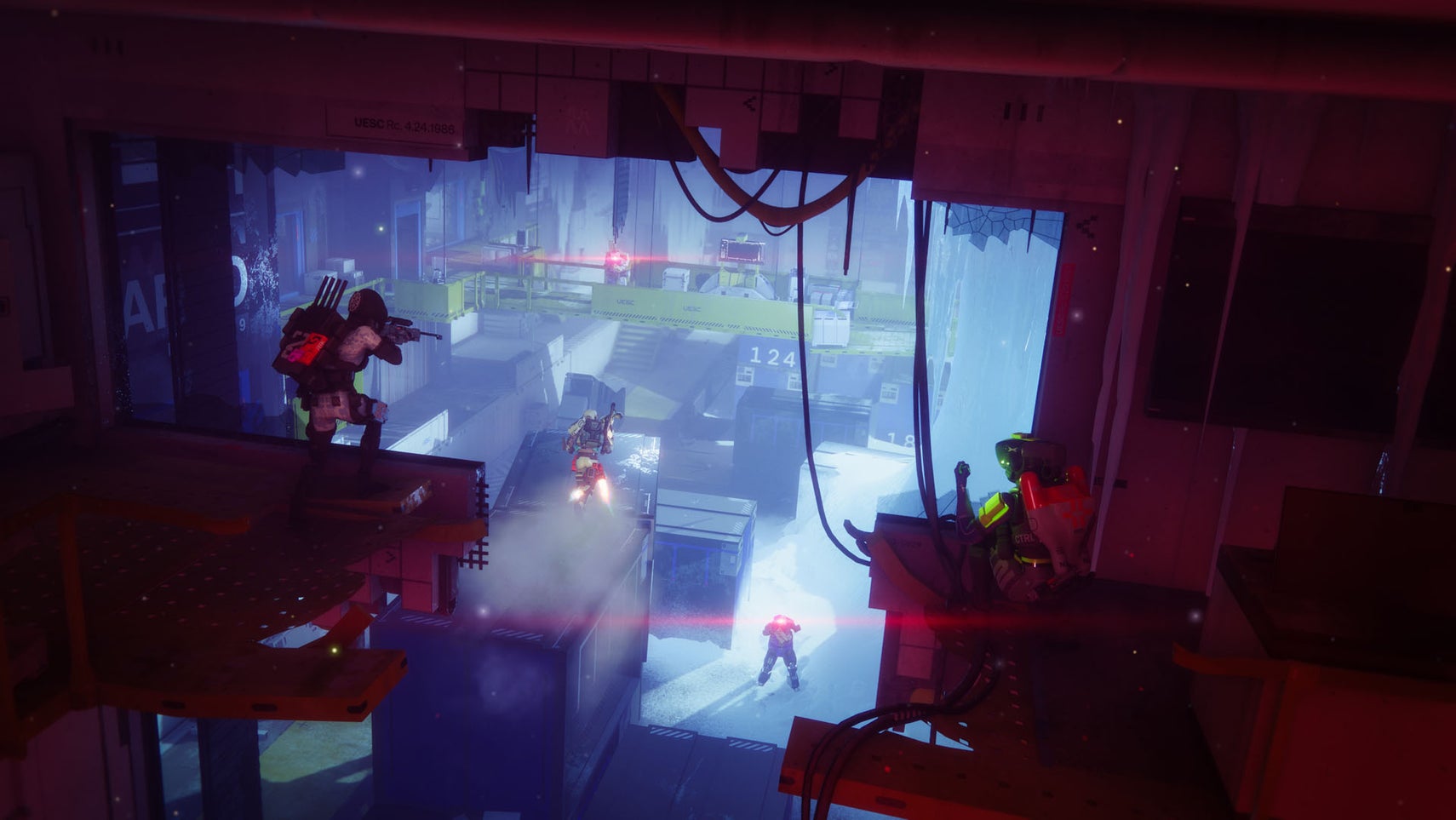
Since its launch in March, Marathon has faced the inherent challenges of the extraction genre: a steep learning curve, "gear fear" (the anxiety of losing hard-earned items upon death), and a community that quickly polarized between elite players and struggling newcomers. While Season 1 introduced the core mechanics and the vibrant, neo-cyberpunk aesthetic, Season 2 struggled to maintain momentum. Data from SteamDB indicates a consistent downward trend in active users, suggesting that the core PvPvE loop was not sufficient to retain a broad audience.
The introduction of Vault Breaker appears to be a direct response to this data. By providing a PvE-centric space, Bungie is attempting to bridge the gap between the franchise’s single-player roots and its modern competitive aspirations. It serves as a "training ground" that allows players to learn map geometry, enemy behavior patterns, and weapon handling without the punishing setbacks typically associated with losing a firefight to a human opponent.
Analyzing the Impact on Solo Players and the Loot Economy
One of the most persistent criticisms of Marathon since its release has been the disadvantage faced by solo players. In the standard Cryo Archive runs, solo players are frequently matched against coordinated three-person squads, making survival nearly impossible for all but the most skilled veterans. While a solo queue option existed, the difficulty scaling remained tuned for groups.
Vault Breaker addresses this by offering a tailored experience for the "lonesome runner." The community response on platforms like Reddit and X (formerly Twitter) has highlighted this as a major victory. For many, the appeal of Marathon lies in its atmosphere and world-building, elements that are often obscured by the frantic pace of PvP combat. Being able to explore the Cryo Archive at a personal pace allows for a deeper engagement with the environmental storytelling Bungie is known for.
However, the decision to restrict certain rewards has sparked debate. Bungie has explicitly stated that the "S’Phticie" shell cosmetics—highly coveted prestige items—will remain exclusive to the PvP variant of the Cryo Archive. Furthermore, the inability to bring high-tier PvE loot into the PvP mode has led some players to label the mode as "meaningless." From a developer’s perspective, this restriction is a necessary safeguard. If players could easily acquire endgame gear in a risk-free PvE environment and then bring it into the competitive space, it would devalue the accomplishments of those who play the high-risk PvP mode and potentially ruin the game’s delicate economy.
Community Reactions and Industry Trends
The reception to the Vault Breaker announcement has been largely positive, though seasoned with a degree of skepticism regarding the game’s long-term health. Prominent community voices, such as YouTuber Kelski, noted that Bungie is clearly attempting to "broaden the game as fast as possible" to capture a wider demographic. This move reflects a broader trend in the industry where extraction shooters are adding "offline" or "PvE-only" modes to cater to players who enjoy the mechanics of the genre but dislike the toxicity or stress of forced PvP.

On Reddit, users like Mike_I expressed a renewed interest in the game, stating that the lack of a non-PvP option was the primary reason for their departure after the first two weeks. This sentiment is echoed by many "lapsed" players who found the initial experience too punishing. Conversely, some veteran players worry that splitting the player base between PvE and PvP could lead to longer matchmaking times in the competitive queues, although Bungie’s implementation of a shared currency system is likely intended to keep the two populations interconnected.
Future Outlook: Can Vault Breaker Save Marathon?
As the July 21 launch date approaches, the industry is watching closely to see if Vault Breaker can reverse Marathon’s declining player metrics. The success of this update will likely depend on the depth of the "Vault" progression system. If the PvE mode feels like a robust, rewarding experience in its own right—rather than a simplified "tutorial" mode—it could establish a permanent secondary audience for the game.
Bungie’s strategy appears to be one of cautious expansion. By keeping the loot pools separate, they are protecting the "hardcore" soul of the game while opening the doors to a more casual, narrative-focused audience. This "dual-track" approach is a gamble; it requires the developer to balance two distinct types of gameplay and ensure that both receive regular content updates.
In the broader context of Bungie’s current standing under the Sony Interactive Entertainment umbrella, the performance of Marathon is of paramount importance. With Destiny 2 entering a new phase of its lifecycle, Marathon is intended to be the next major pillar for the studio. Vault Breaker is more than just a new game mode; it is a tactical pivot designed to ensure the game’s survival in an increasingly crowded and unforgiving market. Whether it will be enough to reignite the "Cosmic Dread" that the game’s trailers promise remains to be seen, but for the first time since March, the "runners" of Marathon have a new reason to return to the archive.