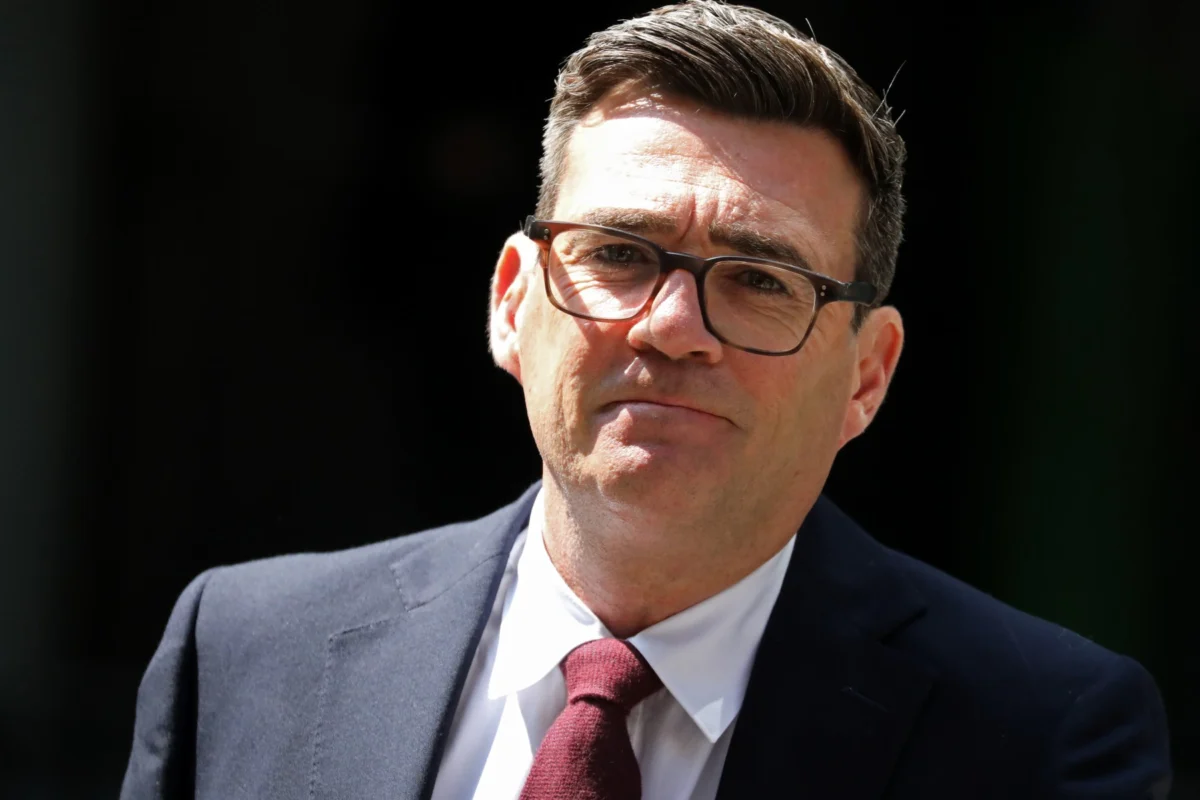
The United Kingdom’s vibrant grassroots music scene has received a substantial lifeline with the announcement of a significant business rate cut, set to take effect in April 2027. Prime Minister Andy Burnham, in a move that signals a strong commitment to the nation’s cultural infrastructure, declared on Thursday, July 23rd, that pubs, clubs, and dedicated music venues will benefit from a 20% reduction in their business rates. This crucial fiscal measure is anticipated to provide much-needed financial relief to an industry that has faced mounting pressures in recent years.
Prime Minister Burnham articulated his rationale for the policy change in a public statement via his X (formerly Twitter) account. "I won’t stand by while these cherished local spaces disappear, replaced by boarded-up windows and ‘For Sale’ signs," he stated, underscoring the cultural and community significance of these venues. "They’re the heart of our communities and it’s time we backed them." The sentiment highlights a growing awareness within government of the intrinsic value these establishments hold, extending beyond their economic contributions to encompass their role as social hubs and incubators of artistic talent.
Understanding Business Rates and Their Impact
Business rates are a form of property tax paid by businesses occupying non-domestic properties in the United Kingdom. These rates are calculated based on the estimated market rental value of the property, with the final sum varying according to location and the specific characteristics of the property. For many small businesses, particularly those in the hospitality and entertainment sectors, business rates represent a considerable operational cost.
The Prime Minister’s office, No. 10 Downing Street, estimates that the proposed 20% cut could translate into an annual saving of approximately £1,000 for each eligible venue. This figure, while seemingly modest on an individual basis, represents a significant aggregate benefit for a sector struggling with profitability. The funding for this relief package is reportedly to be derived from a review of existing tax reliefs, with a particular focus on businesses deemed not to make a positive contribution to local communities, such as vape shops, according to reports from the BBC. This approach suggests a strategic reallocation of fiscal resources towards sectors deemed vital for the nation’s cultural and economic well-being.
A Sector in Peril: The Context of the Announcement
The timing of this announcement is particularly pertinent given the precarious state of many grassroots music venues across the UK. A comprehensive report released by the Music Venue Trust (MVT) in January revealed stark figures concerning the sector’s financial health. The report indicated that in 2025, a staggering 53% of all grassroots music venues were operating at a loss. This financial strain has had a direct impact on employment, with over 6,000 jobs lost within the sector, representing a significant contraction of 19% in the overall workforce.

The challenges faced by these venues are multifaceted. Rising operational costs, including energy prices, rent increases, and the impact of inflation, have placed immense pressure on already thin profit margins. Furthermore, the evolving landscape of music consumption and promotion has presented new hurdles. Many venues rely on a consistent stream of live performances to generate revenue, and disruptions, whether due to economic downturns or other factors, can have a cascading effect on their sustainability.
Broader Support and Industry Reactions
The news of the business rate cut has been met with widespread approval from industry stakeholders, who have long advocated for greater support for the grassroots music ecosystem. The campaign for relief has garnered significant attention, with prominent artists and organizations lending their voices to the cause.
Several high-profile musicians, including Harry Styles, Coldplay, and Sam Fender, have previously demonstrated their commitment to supporting these venues. They have voluntarily pledged a portion of their ticket sales—typically £1 per ticket—to assist in the preservation of these vital spaces. The Labour government, prior to this announcement, had also explored the possibility of implementing a mandatory ticket levy on arena and stadium shows, a measure intended to create a more sustainable funding model for smaller venues.
The Music Venue Trust’s CEO, Mark Davyd, issued a statement expressing the organization’s positive reception to the government’s initiative. "MVT warmly welcomes this announcement from the government, and its recognition that grassroots music venues are essential to our local communities," Davyd stated. He elaborated that the "20% additional reduction on business rates from April 2027 is an encouraging first step in a range of opportunities available to Andy Burnham’s new team to not just protect and secure live music, but begin to restore its central role at the heart of our towns and cities."
However, Davyd also highlighted ongoing concerns regarding the implementation of previous relief measures and emphasized the need for consistent support across the devolved nations of the UK. "There remain some issues of implementation of previous reliefs, and we will work with colleagues in government to ensure that all grassroots music venues in England are recognised and eligible," he added. "We call on Senedd, Holyrood, and the Northern Ireland Assembly to swiftly confirm they will match this much needed support through Barnett formula consequentials. Venues in Wales, Scotland and Northern Ireland must be confident of a level playing field of economic conditions for touring across the UK." He further urged the government to consider expanding the eligibility criteria to encompass all live music spaces, regardless of size, to maximize the economic and community benefits.
Tom Kiehl, the CEO of the music industry trade body UK Music, echoed the positive sentiment but also called for an expansion of the policy’s scope. "The Government must extend this lifeline to our world-class recording studios," Kiehl urged. "We have lost – and continue to lose – far too many of these spaces, without which our industry simply wouldn’t exist." He underscored the Prime Minister’s personal connection to music, suggesting that he understands the critical role these spaces play in fostering future talent and supporting the broader creative economy.

Celebrity chef, publican, and vocal campaigner Tom Kerridge offered a more nuanced perspective on the announcement during an appearance on BBC 5 Live. While acknowledging the move as a positive step, Kerridge suggested it might not be sufficient to address the scale of the challenges. "It doesn’t go far enough but it does show that there is an understanding that hospitality needs a hand, especially smaller venues," he commented. "It will come as welcome news, but £1,000 on a yearly revenue doesn’t really make a difference. It shows the government is beginning to listen and has an understanding that hospitality is at the core and heart of so many communities." This sentiment points to a potential need for further policy interventions to ensure the long-term viability of the sector.
Prime Minister Burnham’s Political Trajectory
The announcement comes at a significant juncture in Prime Minister Andy Burnham’s political career. He assumed the role of Prime Minister on Monday, July 20th, following the resignation of his predecessor, Sir Keir Starmer. Prior to this appointment, Burnham served as the Mayor of Greater Manchester, a position from which he actively championed the city’s cultural and economic development. Notably, he played a pivotal role in securing the 2026 BRIT Awards for Manchester, marking the first time the prestigious ceremony had been held outside of London. His tenure as Mayor was characterized by a focus on regional development and a commitment to supporting the creative industries, demonstrating a track record of engagement with sectors vital to community life.
The Broader Implications for the UK’s Cultural Landscape
The 20% business rate cut represents a significant policy intervention with potentially far-reaching implications for the UK’s cultural landscape. By providing direct financial relief to grassroots music venues, the government is investing in the foundational elements of the music industry. These venues serve as incubators for emerging talent, providing artists with essential performance experience and opportunities to build a fanbase. Their closure not only represents a loss of cultural spaces but also a significant blow to the pipeline of future musical talent.
Moreover, these venues play a crucial role in the economic vitality of local communities. They attract footfall, support ancillary businesses such as pubs and restaurants, and contribute to the overall vibrancy and appeal of town and city centres. The financial strain on these establishments has a ripple effect, impacting local economies and the livelihoods of those employed within them.
The policy’s success will likely depend on its effective implementation and the continued commitment of the government to support the broader cultural sector. The call for similar measures in Scotland, Wales, and Northern Ireland highlights the need for a cohesive national strategy to protect and promote live music across the entire United Kingdom. The ongoing dialogue between industry stakeholders and government officials will be crucial in shaping future policy and ensuring the long-term sustainability of the UK’s rich and diverse musical heritage. The focus on reallocating relief from less community-benefiting businesses also signals a broader governmental shift towards prioritizing cultural and social assets. As the April 2027 deadline approaches, the industry will be closely watching for further details on implementation and the potential for additional support mechanisms to safeguard these invaluable cultural institutions.