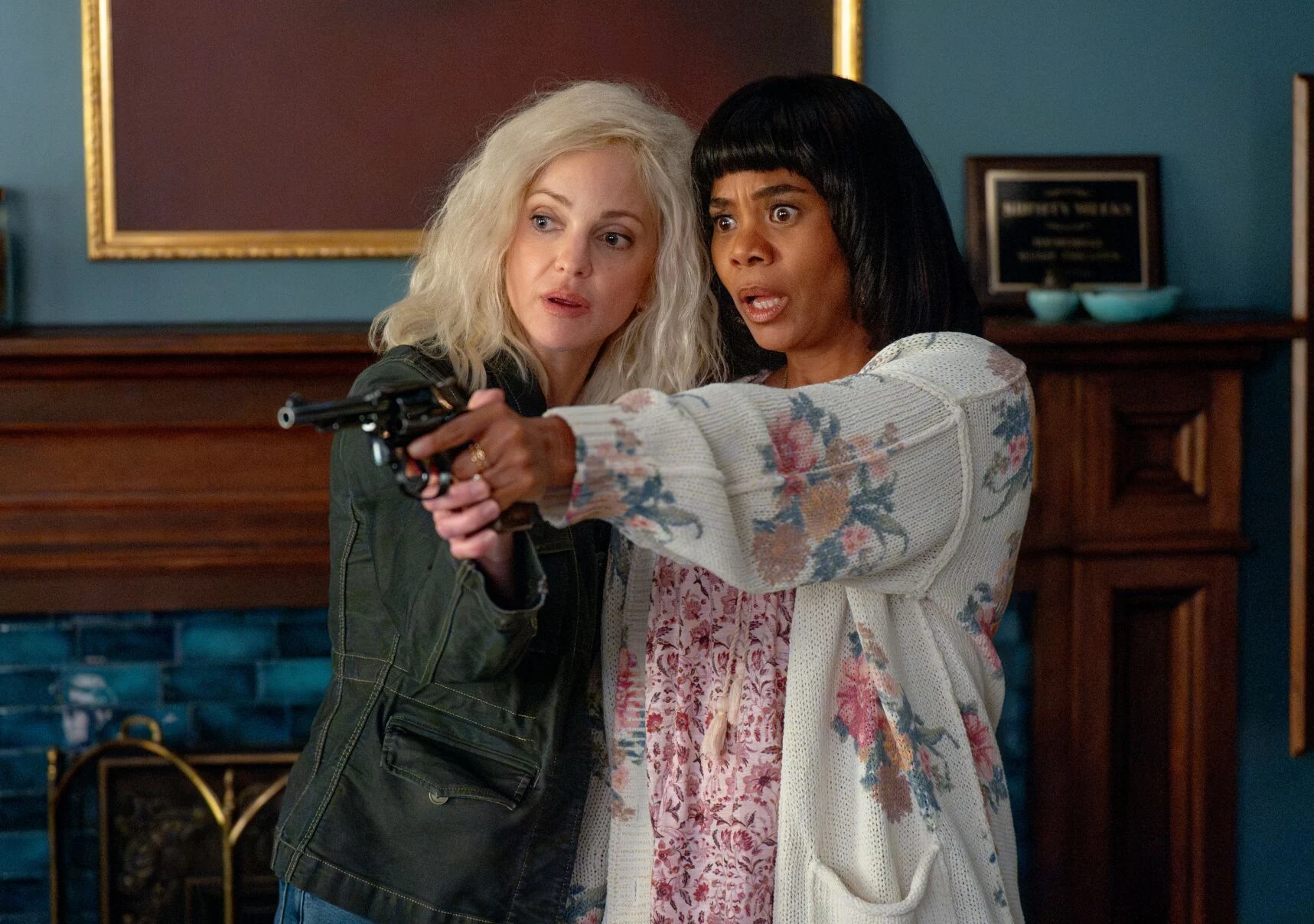
The theatrical release of Scary Movie in 2026 marks a significant pivot in the history of the horror-comedy genre, signaling the official return of the Wayans family to the franchise they inaugurated over a quarter-century ago. While technically the sixth entry in the series, the production has pointedly omitted the numeral from its title, a decision framed by the creators as a symbolic reclamation of the intellectual property. This relaunch follows a decades-long hiatus for the original creative team, who collectively distanced themselves from the franchise following a highly publicized compensation and creative control dispute with Dimension Films and the Weinstein brothers in 2001. The 2026 iteration serves as both a legacy sequel and a scathing meta-commentary on the entertainment industry’s history of exploiting Black creators.
The Financial and Creative Return of the Wayans Family
The commercial performance of the 2026 Scary Movie has reaffirmed the brand’s enduring viability, grossing approximately $172 million at the global box office within its first two weeks of release. This resurgence mirrors the explosive success of the original Scary Movie in 2000, which remains one of the most profitable R-rated comedies in cinematic history. Produced on a modest $19 million budget, the 2000 film earned $278 million worldwide, effectively launching a new era of parody cinema.
The 2026 production reunites nearly the entire original cast, including Marlon, Shawn, and Keenen Ivory Wayans, alongside Regina Hall. The narrative structure of the new film utilizes the "legacy sequel" trope—popularized by modern horror revivals like Halloween (2018) and Scream (2022)—to lampoon the current state of the film industry. By centering the plot on a fictionalized version of their own departure from the franchise, the Wayans family has transformed a long-standing professional grievance into a central comedic pillar, blending the series’ signature "gross-out" humor with a sophisticated critique of studio politics.
Historical Chronology: From Innovation to Estrangement
To understand the significance of the 2026 release, it is necessary to examine the timeline of the spoof genre and the Wayans’ role in its evolution. The family’s approach to parody was heavily influenced by the comedy team of David Zucker, Jim Abrahams, and Jerry Zucker (ZAZ), the architects of Airplane! (1980) and The Kentucky Fried Movie (1977). While ZAZ pioneered the hyper-dense, joke-a-minute style that prioritized rapid-fire cultural references over narrative logic, the Wayans family integrated a layer of sharp racial satire that was largely absent from the works of their predecessors.
The trajectory of this creative lineage includes several key milestones:
- 1987: Hollywood Shuffle. Co-written by Robert Townsend and Keenen Ivory Wayans, this film utilized a sketch-comedy format to criticize the limited and stereotypical roles offered to Black actors in Hollywood.
- 1988: I’m Gonna Git You Sucka. Keenen Ivory Wayans’ directorial debut satirized the Blaxploitation genre, demonstrating the commercial potential of Black-led parody.
- 1990–1994: In Living Color. This revolutionary sketch show served as a developmental hub for the Wayans’ comedic style, challenging both white-centric media and internal cultural norms within the Black community.
- 1996: Don’t Be a Menace to South Central While Drinking Your Juice in the Hood. This film targeted the "hood flick" trend of the early 1990s, lampooning the industry’s tendency to mine urban trauma for profit.
- 2000: Scary Movie. The franchise began, shattering box office records and establishing a new template for horror parody.
The subsequent era, spanning 2003 to 2013, saw the release of Scary Movie 3, 4, and 5 without the involvement of the Wayans. During this period, the franchise was overseen by David Zucker and featured leads such as Anna Faris (who remained from the original) alongside new additions like Simon Rex and Charlie Sheen. Marlon Wayans later described this period of the franchise’s history as a painful experience, likening the sight of the sequels being made without his family’s input to "watching your child become a crackhead."
Analyzing the 2026 Formula: Humor and Industry Critique
The 2026 Scary Movie maintains the franchise’s tradition of anarchic, offensive humor while introducing a new layer of emotional resonance. Critics have noted that the film’s humor relies heavily on "object-permanence callbacks"—jokes that require an intimate knowledge of both the original 2000 film and the current landscape of "elevated horror" (e.g., Hereditary, Midsommar, and The Witch). Marlon Wayans, the youngest of the brothers, leads the comedic charge with a performance that remains grounded in the physical, often profane comedy that defined his early career.
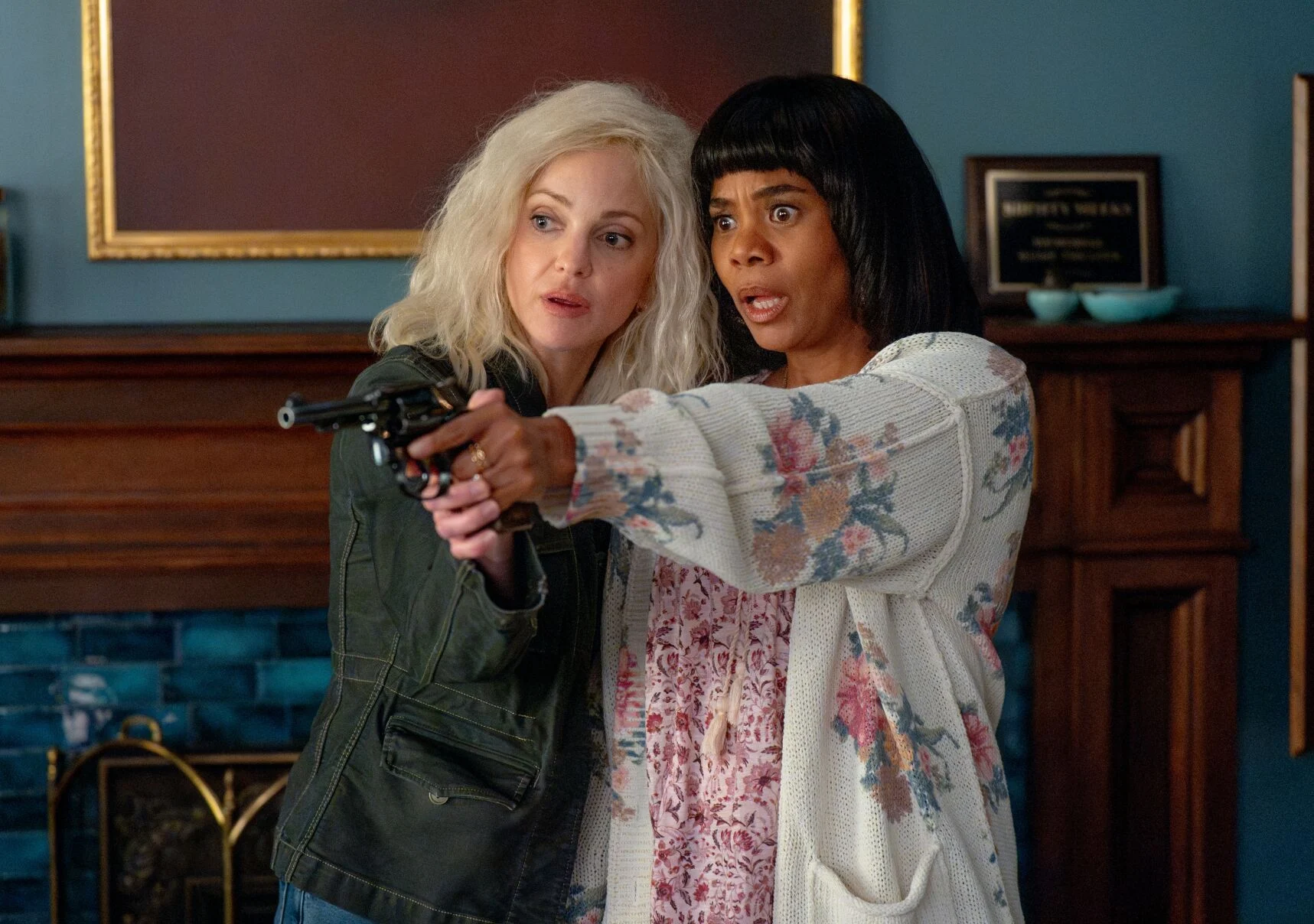
However, the film distinguishes itself from its predecessors through moments of genuine warmth. The on-screen reunion of the original cast is treated with a degree of sincerity that serves as a counterweight to the film’s more vulgar segments. This "surprising wrinkle," as some analysts have termed it, reflects a mature evolution of the Wayans’ formula. It acknowledges the passage of 25 years and the franchise’s role in launching the careers of its stars, particularly Regina Hall, who has since become a respected figure in both comedy and prestige drama.
Supporting Data: The Economics of the Spoof Genre
The return of the Wayans is not merely a creative victory but a strategic economic move for the studio. Historical data indicates that the most successful entries in the Scary Movie franchise were those with the highest degree of creative involvement from the original team:
- Scary Movie (2000): $278 million (Directed by Keenen Ivory Wayans)
- Scary Movie 2 (2001): $141 million (Directed by Keenen Ivory Wayans)
- Scary Movie 3 (2003): $220 million (Directed by David Zucker)
- Scary Movie 4 (2006): $178 million (Directed by David Zucker)
- Scary Movie 5 (2013): $78 million (Directed by Malcolm D. Lee)
While Scary Movie 3 performed well financially, the steady decline in both box office returns and critical reception for the fourth and fifth installments suggested that the brand had lost its cultural edge. The $172 million opening fortnight of the 2026 film suggests that the "Wayans Brand" of satire carries a specific market value that generic parodies cannot replicate.
Official Responses and Industry Perspectives
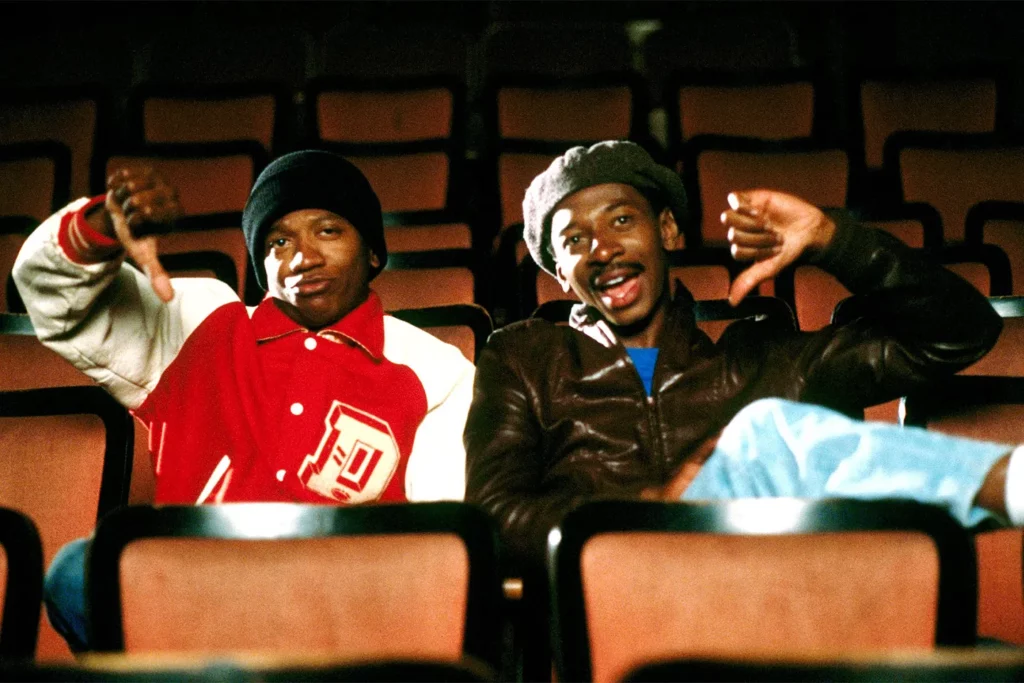
In interviews following the 2026 premiere, Robert Townsend emphasized the importance of creative autonomy. Recounting a conversation with the late Sidney Poitier, Townsend noted that the power to "say no" to disrespectful industry practices was the foundation of his and Keenen’s careers. "We grew up on great comedy—Blazing Saddles, Kentucky Fried Movie—but we had to find our own voice to talk about the Black experience in a way that hadn’t been done," Townsend stated.
Marlon Wayans has been equally vocal about the film’s role as a form of protest. By omitting the number "6" from the title, the family intended to delegitimize the sequels produced in their absence, framing the 2026 film as the "true" successor to Scary Movie 2. This stance has resonated with many in the industry who view the Wayans’ return as a victory for creator rights in an era dominated by corporate-owned intellectual property.
Broader Impact and the Future of Black Horror
The success of the 2026 Scary Movie occurs within a broader cultural shift toward Black-led horror and satire. The film’s release followed the record-breaking success of Ryan Coogler’s Sinners, a 2025 horror-drama that explored themes of artistic freedom and the exploitation of Black art. Sinners earned $370 million at the box office and received more Academy Award nominations than any film in history, signaling a high-water mark for the genre.
The intersection of these two films—one a high-concept drama and the other a profane parody—highlights a significant change in Hollywood’s power dynamics. While the Wayans once had to fight for the resources to produce Hollywood Shuffle on a shoestring budget, they now command the global box office with a film that openly mocks the very system that once sidelined them.
The 2026 Scary Movie demonstrates that the spoof genre, when executed with a combination of technical precision and cultural insight, remains a potent tool for social and industry critique. By "pissing and farting on genre conventions all the way to the bank," the Wayans family has not only reclaimed their legacy but has also provided a roadmap for how veteran creators can reassert their influence in a rapidly evolving media landscape. The series is expected to continue, with discussions already underway for further installments that will likely continue to blend the profane with the profound.