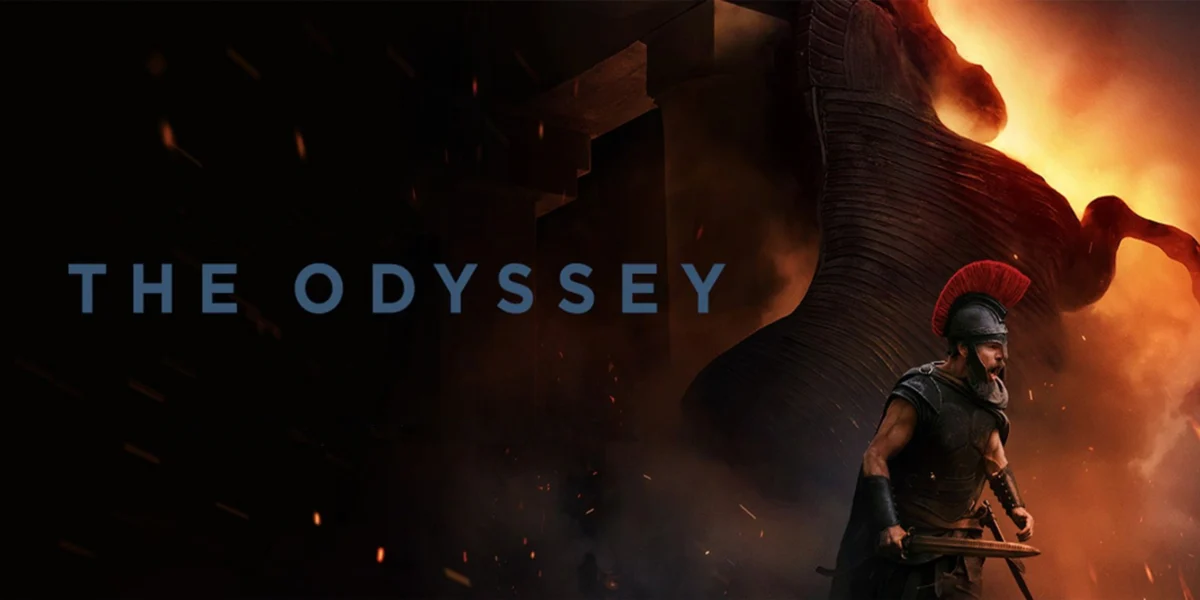
Christopher Nolan’s highly anticipated adaptation of Homer’s epic poem, "The Odyssey," has officially landed, and with it, a tidal wave of critical discussion and audience anticipation. The film, slated for a 2026 release, represents Nolan’s most ambitious cinematic undertaking to date, pushing the boundaries of scale and technological innovation. To dissect this monumental production, a panel of esteemed film critics and analysts convened for an in-depth review, marking a significant moment as the discussion was broadcast for the first time via video.
The esteemed panel, featuring Lauren LaMagna, Josh Parham, Dan Bayer, Giovanni Lago, and Brendan Hodges, provided their collective insights into Nolan’s interpretation of the ancient Greek epic. Their review, characterized as an "epic-sized review for an epic-sized film," delves into the multifaceted aspects of "The Odyssey," from its groundbreaking IMAX technology and meticulously crafted practical set pieces to its potentially controversial casting choices, intricate symbolism, thematic explorations, and directorial adaptation decisions. The ensemble cast, a veritable who’s who of Hollywood A-listers, including Matt Damon, Tom Holland, Anne Hathaway, Robert Pattinson, Lupita Nyong’o, Samantha Morton, Zendaya, Charlize Theron, Benny Safdie, Jon Bernthal, John Leguizamo, Bill Irwin, Himesh Patel, Corey Hawkins, Mia Goth, Logan Marshall-Green, Travis Scott, Eliott Page, and James Remar, has also been a focal point of pre-release discourse. Adding to the auditory grandeur is a score by acclaimed composer Ludwig Göransson, known for his work on Nolan’s previous blockbusters.
A Monumental Undertaking: The Genesis of "The Odyssey" Adaptation
The decision by Christopher Nolan, a director renowned for his cerebral blockbusters and commitment to practical filmmaking, to tackle Homer’s foundational epic poem marks a significant pivot in his illustrious career. While specific details regarding the project’s inception remain under wraps, it is understood that Nolan has been developing this adaptation for several years, meticulously planning every facet of its production. The ambition to translate a narrative that has captivated audiences for millennia into a modern cinematic spectacle of unprecedented scale suggests a deep personal investment in the material.
The choice of "The Odyssey" itself is noteworthy. Homer’s epic, chronicling Odysseus’s ten-year journey home after the Trojan War, is a narrative rich in themes of perseverance, temptation, divine intervention, and the enduring power of home. These universal concepts have resonated across cultures and epochs, making it a compelling subject for cinematic interpretation. Nolan’s known penchant for exploring complex psychological landscapes and grand philosophical questions suggests a nuanced approach to Odysseus’s trials and tribulations, promising a rendition that is both visually stunning and intellectually stimulating.
Technological Frontiers and Practical Spectacle
A cornerstone of the pre-release buzz surrounding "The Odyssey" is its pioneering use of IMAX technology. Nolan has consistently championed the immersive capabilities of IMAX, often shooting significant portions of his films with IMAX cameras to deliver unparalleled visual fidelity and scale. For "The Odyssey," this commitment is reportedly amplified, with the film utilizing new IMAX formats and techniques designed to fully immerse the audience in Odysseus’s perilous voyage. This technological push is not merely for aesthetic enhancement; it is intended to serve the narrative, allowing viewers to experience the vastness of the sea, the grandeur of ancient landscapes, and the visceral intensity of mythological encounters with unprecedented realism.
Complementing the advanced digital technologies are "breathtaking practical set pieces." Nolan’s directorial philosophy has long emphasized the importance of tangible sets and real-world effects, a practice that lends a visceral authenticity to his films. For "The Odyssey," this likely translates to the construction of elaborate sets that physically embody the various locations Odysseus encounters, from the mystical island of Circe to the terrifying realm of the Cyclops. This dedication to practical effects, often in conjunction with state-of-the-art visual effects, aims to create a world that feels both grand and grounded, enhancing the emotional impact of the narrative.
Casting Controversies and Stellar Performances
The casting of "The Odyssey" has been a significant talking point, sparking considerable debate among cinephiles and critics. The sheer breadth of the ensemble, featuring a constellation of A-list talent, is a testament to Nolan’s influence and the project’s prestige. However, some casting decisions have been described as "seemingly controversial," likely referring to interpretations or portrayals of established mythological figures that diverge from traditional depictions. Such choices, while potentially divisive, often signal a director’s intention to offer a fresh perspective or to challenge audience preconceptions.
The performances themselves are expected to be a major draw. With actors like Matt Damon reportedly taking on the central role of Odysseus, and an array of other celebrated performers filling out the supporting cast, the film is poised to deliver a masterclass in acting. The challenge for these actors will be to inhabit characters steeped in myth and legend while bringing a relatable humanity to their roles. The dynamic interplay between these seasoned professionals is anticipated to be a significant factor in the film’s critical reception and its potential awards season run.
Symbolism, Themes, and Adaptation Choices
Beyond the spectacle and performances, "The Odyssey" is expected to be a film rich in symbolism and thematic depth. Nolan’s previous works often weave intricate layers of meaning, inviting audiences to ponder philosophical questions and engage with complex narratives. Homer’s epic is inherently laden with symbolism, from the journey itself representing the human condition to specific encounters symbolizing moral dilemmas and spiritual trials. Nolan’s adaptation is likely to explore these symbolic dimensions, imbuing the film with a resonance that extends beyond its surface narrative.
The adaptation choices themselves are a crucial element of the discussion. Translating a poem written thousands of years ago into a modern cinematic language presents a unique set of challenges. Decisions regarding narrative structure, character interpretations, and the incorporation of mythological elements will undoubtedly be scrutinized. The panel’s review indicates a thorough examination of these choices, assessing their effectiveness in capturing the spirit of the original while forging a compelling cinematic experience. The "controversial" aspects of these choices may stem from deviations from the source material or from interpretations that challenge conventional understandings of the myth.
Awards Season Aspirations
Given the scale of the production, the directorial pedigree of Christopher Nolan, and the star-studded cast, "The Odyssey" is already being discussed in the context of awards season. Films of this magnitude, particularly those that push technological boundaries and offer substantial thematic content, often find themselves in contention for major accolades. The film’s potential to secure nominations and wins across various categories, including Best Picture, Best Director, Best Actor, Best Supporting Actor, Best Cinematography, Best Original Score, and Best Sound, is a topic of considerable interest within the film industry.
The panel’s review addresses these prospects directly, analyzing the film’s strengths and weaknesses through the lens of critical acclaim and industry recognition. Factors such as the film’s overall impact, the memorability of its performances, and its innovative technical achievements will all play a role in its awards season trajectory. The discussion also acknowledges the subjective nature of awards, recognizing that while the film may possess undeniable merit, its success in garnering nominations will ultimately be determined by the voting bodies of various prestigious film academies.
A Podcast Discussion of Epic Proportions
The podcast review itself, as highlighted by the use of video for the first time, signifies an effort to engage audiences on a more direct and dynamic level. The embedded YouTube player for the review underscores the growing importance of multimedia content in film criticism and discussion. The participation of LaMagna, Parham, Bayer, Lago, and Hodges, all respected voices in film analysis, ensures a comprehensive and insightful examination of "The Odyssey." Their collective expertise allows for a nuanced exploration of the film’s various components, from the technical marvels to the artistic interpretations.
The podcast is proudly part of the Evergreen Podcasts Network, a testament to its commitment to delivering high-quality audio and video content. Listeners are encouraged to subscribe to the podcast on various platforms and to engage with the content through reviews and support on Patreon. This community-driven approach to content creation highlights the dedication of the Next Best Picture team to fostering a vibrant dialogue around cinema.
Broader Implications for the Film Industry
The production and impending release of "The Odyssey" carry significant implications for the broader film industry. Christopher Nolan’s continued advocacy for theatrical releases and large-scale cinematic experiences, particularly in an era of evolving distribution models, serves as a powerful statement about the enduring appeal of the big screen. "The Odyssey," with its emphasis on IMAX and practical effects, is poised to be a benchmark for what is possible in terms of cinematic spectacle, potentially inspiring future filmmakers to embrace ambitious technical and creative endeavors.
Furthermore, the film’s adaptation of a classic literary work underscores the ongoing synergy between literature and cinema. By reinterpreting timeless narratives for contemporary audiences, filmmakers can introduce new generations to the enduring power of great storytelling. The success of "The Odyssey" could encourage further ambitious literary adaptations, enriching the cinematic landscape with diverse and profound narratives. The film’s potential to ignite conversations about mythology, heroism, and the human condition also speaks to cinema’s capacity to serve as a cultural touchstone, prompting reflection and dialogue on universal themes. The massive ensemble cast also points to a continued trend of major studios investing heavily in star power, a strategy that, while often effective, also raises questions about the balance of creative risk-taking and commercial viability in blockbuster filmmaking. The anticipation surrounding "The Odyssey" suggests that audiences are still eager for grand, auteur-driven cinematic events that promise an immersive and thought-provoking experience.