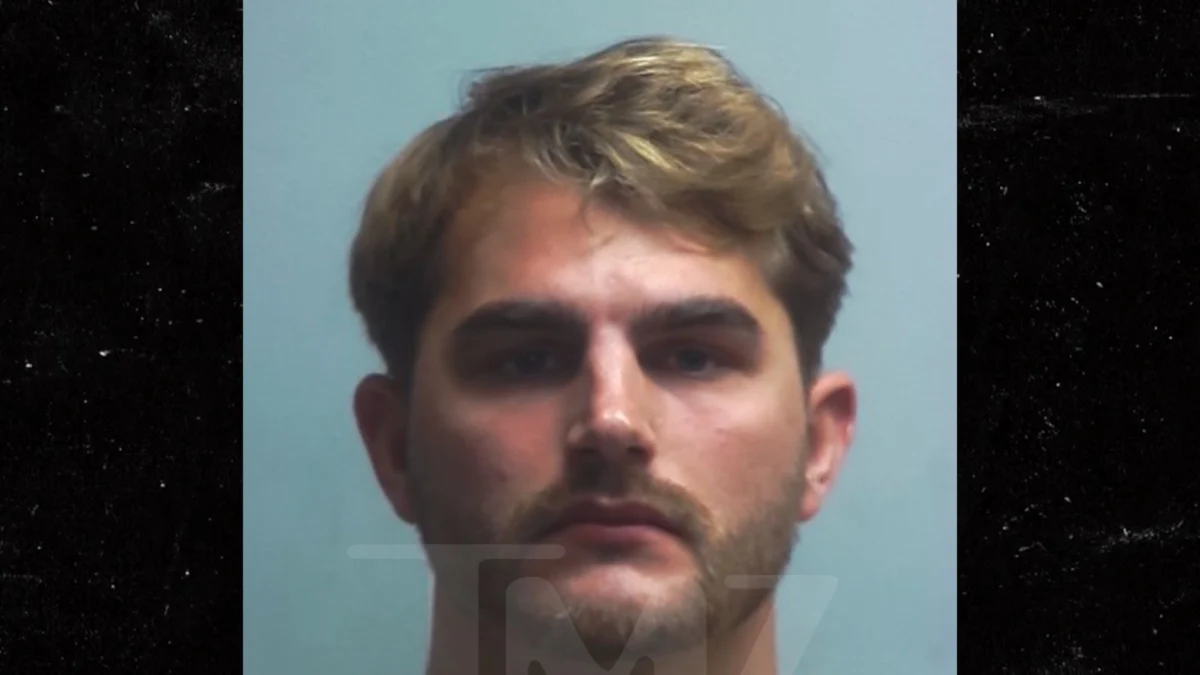
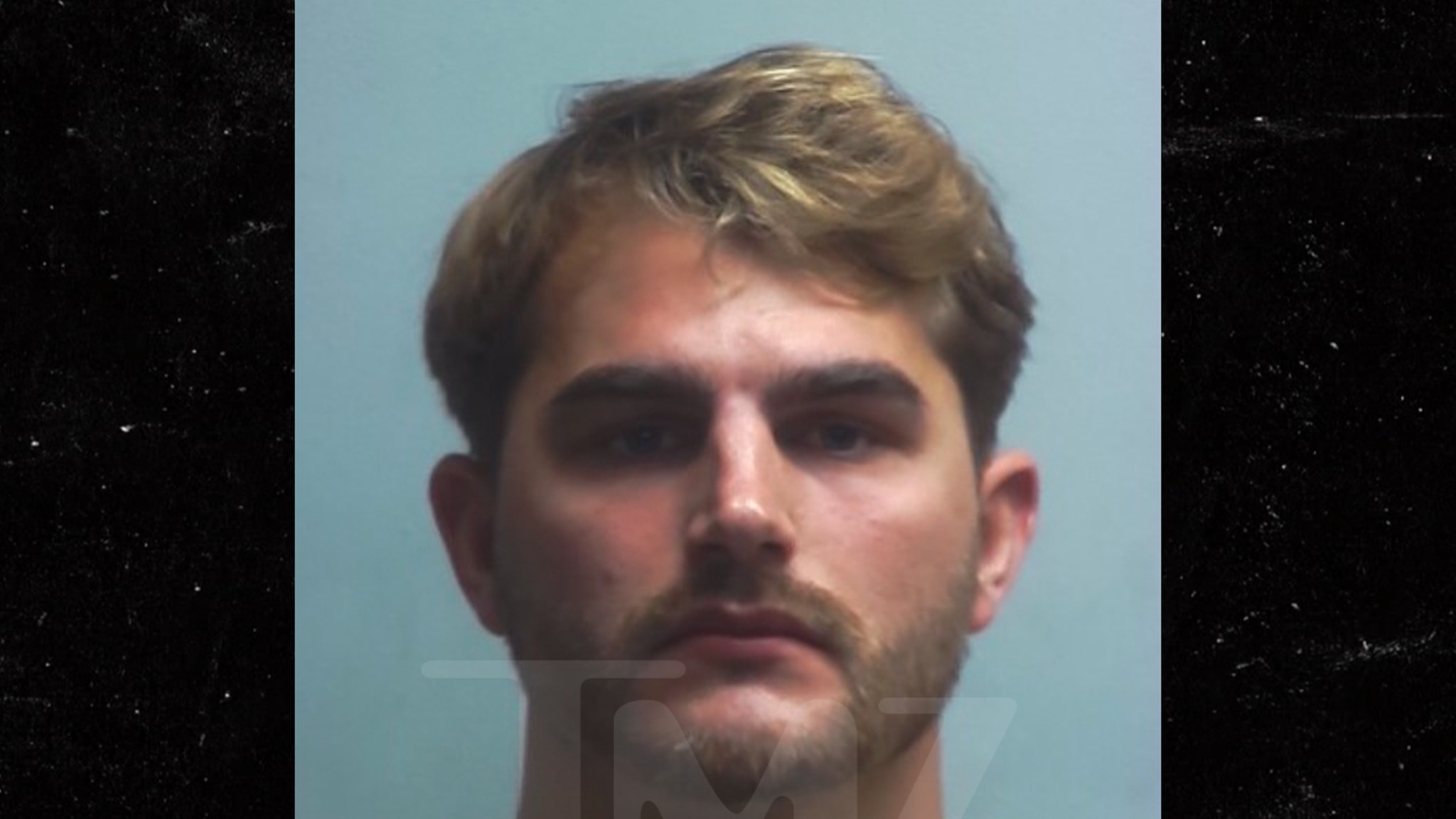
Blake Robertson, a prominent participant from Netflix’s "The Ultimatum: Marry or Move On" Season 4, was arrested in October 2025 for alleged assault against his girlfriend and co-star, Hayley Hendrich. This incident occurred shortly after production concluded for the highly anticipated reality series, which premiered on Netflix just days prior to the public revelation of the arrest on July 18, 2026. While the news has sent ripples through the show’s fanbase, Robertson’s legal counsel has confirmed that the charges were swiftly dismissed, and all related records have since been expunged. This statement was corroborated by Hendrich, who, despite declining to press charges, emphasized the importance of public accountability.
The arrest of a reality television personality, especially one featured in a show centered on relationship dynamics, inevitably draws significant public scrutiny. Robertson’s legal entanglement occurred in Nacogdoches, Texas, months before his season debuted globally, adding a complex layer to his on-screen persona and the unfolding narrative of his relationship with Hendrich. The initial accusation involved Robertson allegedly putting his hands on Hendrich, a serious charge that, even with dismissal, casts a shadow over the individual and the production that features them.
The Arrest and Subsequent Legal Resolution
Details surrounding the October 2025 arrest indicate that law enforcement was called to a business establishment in Nacogdoches, Texas, following an alleged altercation involving Blake Robertson and Hayley Hendrich. Robertson was subsequently taken into custody on charges related to assault. However, the legal trajectory of the case proved to be remarkably brief. According to Sean Hightower, Robertson’s attorney, the case was "rightfully dismissed by the prosecutor almost immediately, and all records were expunged."
Expungement is a legal process by which a record of a criminal conviction or arrest is sealed or destroyed. In many jurisdictions, once a record is expunged, it is treated as if it never existed, removing it from public access and often allowing the individual to legally deny its occurrence. This outcome typically occurs under specific circumstances, such as successful completion of a diversion program, an acquittal, or, as in this instance, a prosecutor’s decision to drop charges. The promptness of the dismissal and expungement suggests that the prosecution either found insufficient evidence to proceed, or other factors, such as the alleged victim’s wishes, played a decisive role.
Hayley Hendrich’s perspective on the incident is crucial. She confirmed to reporters that she chose not to press charges against Robertson. This decision, common in cases of alleged domestic disputes, can stem from various complex factors, including a desire to resolve issues privately, fear of further repercussions, or a belief that the legal system may not offer the most effective path to resolution. Hendrich stated that she had "private conversations with Blake about the incident," but also expressed her belief that "accountability needs to be taken publicly as well." This nuanced position highlights the tension between personal reconciliation and the broader societal expectation of public acknowledgment for alleged wrongdoing, particularly when the individuals involved are in the public eye.
"The Ultimatum" Season 4: A Relationship Under Pressure
Season 4 of "The Ultimatum: Marry or Move On," titled "The Ultimatum: Marry or Move On – Queer Love" in its previous iteration and known for its high-stakes relationship premise, was filmed in the spring of 2025. The series challenges couples at a crossroads: one partner issues an ultimatum for marriage, while the other is hesitant. To test their relationships and clarity their desires, participants engage in "trial marriages" with other contestants before deciding whether to commit to their original partner, pursue a new connection, or walk away single.
Blake Robertson and Hayley Hendrich entered the experiment with Blake having issued the ultimatum. His rationale was that marriage was the logical next step for their relationship. However, Hayley expressed significant reservations, primarily stemming from her desire for Blake to demonstrate greater emotional vulnerability. This foundational conflict set the stage for their tumultuous journey on the show.
During their respective trial marriages, the couple explored connections with other participants. Blake partnered with Ashley Wilson, while Hayley formed a temporary bond with Killian Grondin. Hayley’s trial marriage, however, imploded dramatically after she discovered Killian and his friends had made crude and disrespectful comments about her. This revelation led to a fierce, emotionally charged confrontation involving Hayley, Killian, Ashley, and Blake, underscoring the intense pressures and emotional volatility inherent in the show’s format.
Despite the challenges and the explicit issues raised during the experiment, Hayley and Blake ultimately decided to leave the season together. Their departure, however, left their future ambiguous, with the narrative suggesting they were "seemingly nowhere closer to walking down the aisle." This unresolved status, combined with the recently revealed arrest, created significant anticipation for the Season 4 reunion special, scheduled to air the week following the news of Robertson’s arrest. Fans were left to wonder how the couple would address their post-show reality, both in terms of their relationship status and the deeply personal incident that transpired months after filming.
Chronology of Events
Understanding the sequence of events is critical to grasping the full context of this developing story:
- Spring 2025: Production for Season 4 of "The Ultimatum: Marry or Move On" takes place, featuring Blake Robertson and Hayley Hendrich as contestants.
- October 2025: Several months after filming concludes, Blake Robertson is arrested in Nacogdoches, Texas, on allegations of assault involving Hayley Hendrich.
- Shortly after October 2025: The charges against Robertson are dismissed by the prosecutor, and all related records are subsequently expunged, as confirmed by his attorney, Sean Hightower. Hayley Hendrich declines to press charges but speaks of the need for public accountability.
- July 16, 2026 (approximate): Season 4 of "The Ultimatum: Marry or Move On" is released globally on Netflix, bringing Blake Robertson and Hayley Hendrich into the public spotlight.
- July 18, 2026: News breaks regarding Blake Robertson’s arrest in October 2025, significantly impacting public perception of his on-screen persona and relationship with Hendrich.
- Next Week (following July 18, 2026): The highly anticipated Season 4 reunion special is scheduled to air, where participants typically provide updates on their relationships and address post-show developments.
Broader Implications for Reality Television and Public Figures
The incident involving Blake Robertson and Hayley Hendrich, even with the dismissal of charges, carries significant implications for the individuals involved, the production company, Netflix, and the broader landscape of reality television.
Public Image and Perception
For reality television personalities, whose public persona is often inextricably linked to their on-screen narrative, an arrest, regardless of its legal outcome, can have a profound and lasting impact. The revelation of alleged assault, particularly in a relationship-focused show, can severely damage an individual’s reputation, erode public trust, and lead to widespread criticism. Despite the expungement, the news itself becomes part of the public discourse, often overshadowing the legal resolution in the court of public opinion. This scenario underscores the challenges faced by public figures in the digital age, where information spreads rapidly and past events can resurface with significant consequences.
Network and Production Responsibility
Netflix, as the platform streaming "The Ultimatum," typically maintains a stance of non-intervention regarding the personal legal matters of its contestants once production has wrapped. However, such incidents inevitably raise questions about the duty of care for participants, both during and after filming. Reality TV shows often place individuals under immense psychological pressure, and the transition back to ordinary life, sometimes with newfound fame, can be challenging. While production companies may have protocols in place for participant welfare during filming, post-production incidents like this spark discussions about ongoing support mechanisms and the ethical responsibilities of creators in the long term.
Victim’s Perspective and Accountability
Hayley Hendrich’s decision not to press charges, coupled with her statement about the need for "public accountability," highlights the complex dynamics often present in cases of alleged domestic disputes. Victims may choose not to pursue legal action for a myriad of reasons, including emotional ties, fear, a desire for privacy, or a belief in alternative forms of resolution. However, her call for public accountability suggests a desire for acknowledgment of the alleged harm, even if not through the formal legal system. This position resonates with broader societal discussions about restorative justice and the role of public opinion in addressing misconduct, particularly when the legal system’s mechanisms for redress are not pursued or are found insufficient by the victim.
The Nuances of the Legal System
The dismissal of charges and expungement of records in Robertson’s case serves as an important reminder of the intricacies of the legal system. A dismissal does not necessarily equate to innocence; rather, it signifies that the prosecution chose not to proceed with the case, perhaps due to insufficient evidence, procedural issues, or the victim’s non-cooperation. Expungement further seals these records, allowing individuals to move forward without a public criminal record. However, the initial arrest and the circumstances surrounding it remain a factual part of the timeline, even if legally suppressed. This distinction is often lost in public discourse, leading to misunderstandings about culpability and justice.
The Enduring Appeal and Inherent Risks of Reality Television
The incident involving Blake Robertson is not an isolated event in the landscape of reality television. Shows that delve into personal relationships and often amplify drama for entertainment purposes frequently see contestants facing real-world consequences, legal challenges, and public backlash. The format of "The Ultimatum," which deliberately engineers emotional volatility by having participants test their loyalties with new partners, is particularly ripe for such intense outcomes.
This scenario underscores the inherent risks associated with participating in reality television. While it offers a platform for exposure and potential fame, it also subjects individuals to intense public scrutiny, both for their on-screen actions and their off-screen lives. The blurred lines between entertainment and reality mean that personal struggles, once private, become public spectacle, often with unforeseen and significant repercussions.
As fans eagerly await the Season 4 reunion, the revelation of Robertson’s arrest will undoubtedly frame the discussions and reactions. It transforms what would have been a typical post-show update into a moment of reckoning, forcing both the participants and the audience to confront the complex realities that extend far beyond the curated narratives presented on screen. The incident serves as a stark reminder of the responsibilities that come with public life, the multifaceted nature of accountability, and the powerful, sometimes troubling, influence of reality television on the lives of its participants and the perceptions of its viewers.