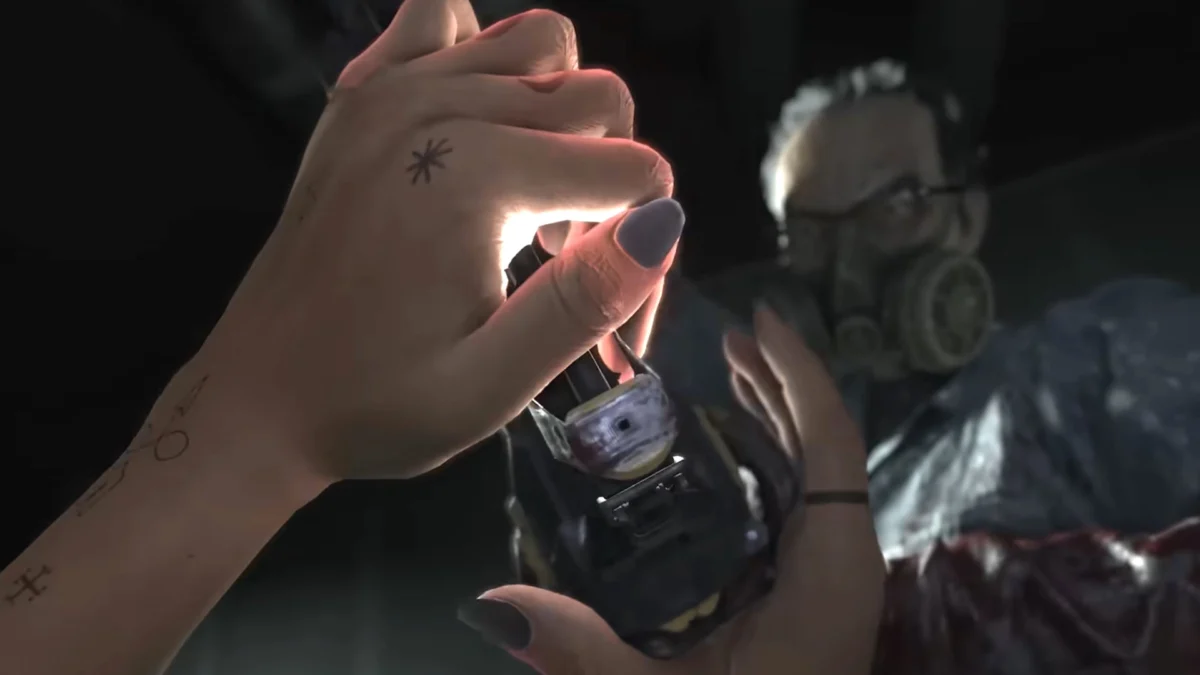
The streaming giant Netflix has officially released its latest interactive horror title, Unhinged, developed by the critically acclaimed Night School Studio. This release marks a significant milestone in Netflix’s gaming strategy, utilizing a sophisticated "second-screen" integration that bridges the gap between traditional television streaming and mobile interactivity. Featuring a high-profile voice cast including Zoë Kravitz and Sadie Sink, Unhinged represents a specialized shift toward high-production, narrative-driven experiences that leverage Netflix’s existing cloud infrastructure.
Night School Studio, best known for the supernatural thriller Oxenfree and its sequel, was acquired by Netflix in 2021 as part of the company’s aggressive expansion into the gaming sector. Unhinged is the studio’s most experimental project since the acquisition, focusing on a 45-minute "breathless" thriller format that emphasizes immersion through real-world hardware synchronization.
Technological Integration and Gameplay Mechanics
The core innovation of Unhinged lies in its mandatory use of a secondary mobile device. Upon launching the title via the Netflix television app, players are prompted to scan an on-screen QR code. This action links the player’s smartphone to the streaming session via the Netflix Controller app. Once synchronized, the player’s physical phone serves as the digital phone of the protagonist, Ava.
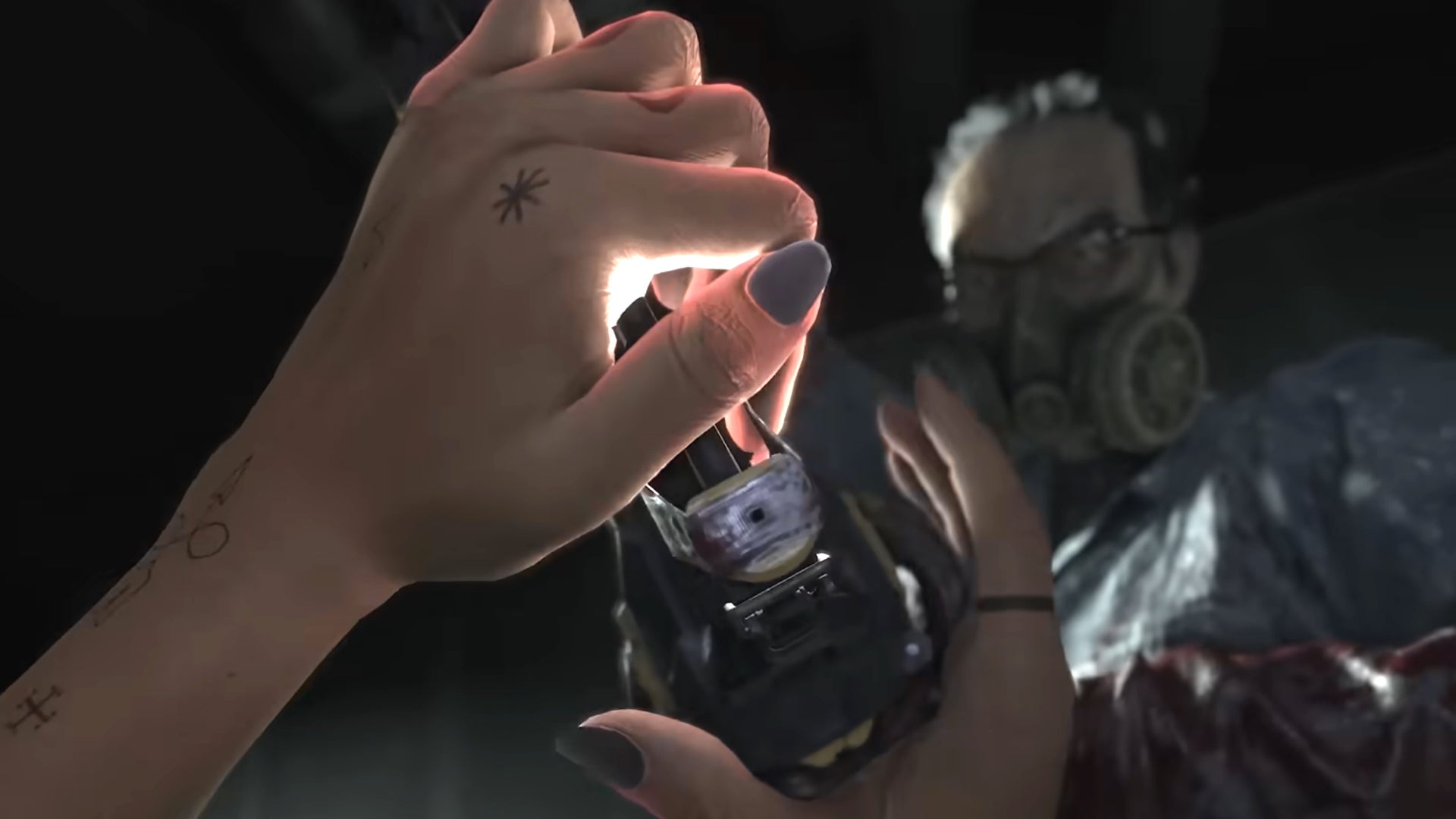
This integration is more than a simple remote control. The game utilizes the smartphone’s gyroscope to power an on-screen pointer, which typically manifests as a beam of torchlight within the game’s first-person environment. This allows players to navigate the darkened apartment of the protagonist by physically moving their mobile device to scan the room.
Furthermore, the game employs a "fourth-wall-breaking" audio strategy. When Ava receives a phone call in the game world, the audio is routed directly to the player’s physical smartphone. This creates a spatial audio effect where the voice of the supporting character, Claire (voiced by Sadie Sink), emanates from the player’s hand while the protagonist’s voice remains on the television screen. The mobile app also features a fully functional simulated user interface (UI), allowing players to scroll through text message histories, browse contact lists, and interact with the game’s world-building elements in real-time.
Narrative Overview and Setting
Unhinged is set during a severe hurricane, utilizing a localized, high-tension environment to drive its narrative. The story follows Ava (Zoë Kravitz) as she navigates a power outage in her apartment. The atmosphere is established through environmental storytelling, including distant radio warnings and the visual cues of a storm-battered urban landscape.
The narrative tension escalates when Ava receives a call from her friend Claire, who is observing Ava’s apartment from a building across the street. This setup draws thematic inspiration from classic thrillers such as Alfred Hitchcock’s Rear Window, but reverses the perspective, placing the player in the position of the person being watched. The plot quickly shifts from a psychological thriller into a more urgent horror scenario as Ava investigates disturbances within her building, including interactions with an elderly neighbor and a suspicious superintendent.

The inclusion of Troy Baker in the voice cast adds further weight to the production, though analysts note that the game’s short duration—approximately 45 minutes—is designed for immediate impact rather than long-form character development. The pacing is described as "pedal-to-the-metal," a hallmark of Night School Studio’s approach to interactive storytelling.
Chronology of Netflix’s Gaming Evolution
The release of Unhinged occurs at a pivotal moment in the timeline of Netflix’s interactive media history:
- November 2021: Netflix officially launches its gaming service, initially offering a small selection of mobile games to subscribers at no extra cost.
- September 2021: Netflix acquires Night School Studio, its first internal game development house.
- 2022-2023: The company expands its portfolio with titles like Laya’s Horizon and Oxenfree II: Lost Signals, while experimenting with cloud-streamed games on televisions.
- October 2024: Netflix shutters "Team Blue," its internal AAA studio led by former Halo and God of War veterans, signaling a retreat from high-budget, multi-year development cycles.
- Present Day: The launch of Unhinged suggests a refined focus on "snackable," high-concept interactive narratives that utilize the Netflix Controller app to engage casual and mid-core audiences.
Analysis of Strategic Implications
The strategic direction of Netflix Games has faced scrutiny from industry analysts following the closure of its AAA studio. However, Unhinged serves as a proof-of-concept for a different kind of success: the "prestige interactive short." By focusing on titles that can be completed in a single sitting, Netflix targets its existing subscriber base—viewers who may not identify as "gamers" but are comfortable with interactive remote-control experiences like Black Mirror: Bandersnatch.
The use of smartphone integration addresses a long-standing hurdle in smart-TV gaming: the lack of a standardized controller. By turning the ubiquitous smartphone into a motion-sensing remote and a narrative tool, Netflix bypasses the need for specialized hardware. This approach aligns with the company’s broader goal of increasing subscriber retention through diverse content offerings.

Industry data suggests that while only a small percentage of Netflix’s 270+ million subscribers play its games daily, the integration of recognizable talent like Kravitz and Sink could bridge the gap between the service’s film and gaming wings. The "transmedia" appeal of using Hollywood stars in a game format is a calculated move to elevate the perceived value of the gaming library.
Official Responses and Developer Context
While Night School Studio has remained relatively quiet regarding its long-term roadmap since the acquisition, the release of Unhinged highlights the studio’s role as a creative engine for the platform. In previous statements, the studio’s founders have emphasized their interest in "player-driven stories" and exploring new ways for audiences to interact with narrative.
Netflix’s Vice President of Games, Mike Verdu, has previously stated that the company is "committed to creating a world-class games service." While the closure of the AAA division indicated a shift in scale, the high production values seen in Unhinged—particularly in its UI design and sound engineering—suggest that the company is not divesting from quality, but rather recalibrating its focus toward experiences that fit the "streaming" consumption model.
Broader Impact on the Interactive Horror Genre
Unhinged arrives during a resurgence of the "analog horror" and "found phone" genres in indie gaming. Titles such as Sara is Missing and Simulacra have previously explored the horror of the mobile interface, but Netflix’s implementation is unique due to its synchronized, dual-screen nature.

The game’s reliance on well-worn horror tropes—jumpscares, flickering lights, and isolation—is bolstered by the tactile nature of the smartphone controller. When the phone vibrates or rings in the player’s hand in sync with the on-screen action, it creates a level of physical immersion that traditional console games often struggle to replicate without specialized haptic feedback.
As the industry moves further toward cloud-based gaming, the success of Unhinged may encourage other streaming services to explore similar "second-screen" applications. The ability to turn a mobile device into a contextual tool—whether a flashlight, a phone, or a map—offers a blueprint for future interactive narratives that seek to break the "glass wall" of the television screen.
In conclusion, while Unhinged may be a brief experience, its technical execution and narrative focus signal a clear path forward for Night School Studio under the Netflix banner. By leveraging the hardware already in the pockets of its subscribers, Netflix is carving out a niche for interactive thrillers that are accessible, technologically innovative, and deeply integrated into the modern streaming ecosystem.