


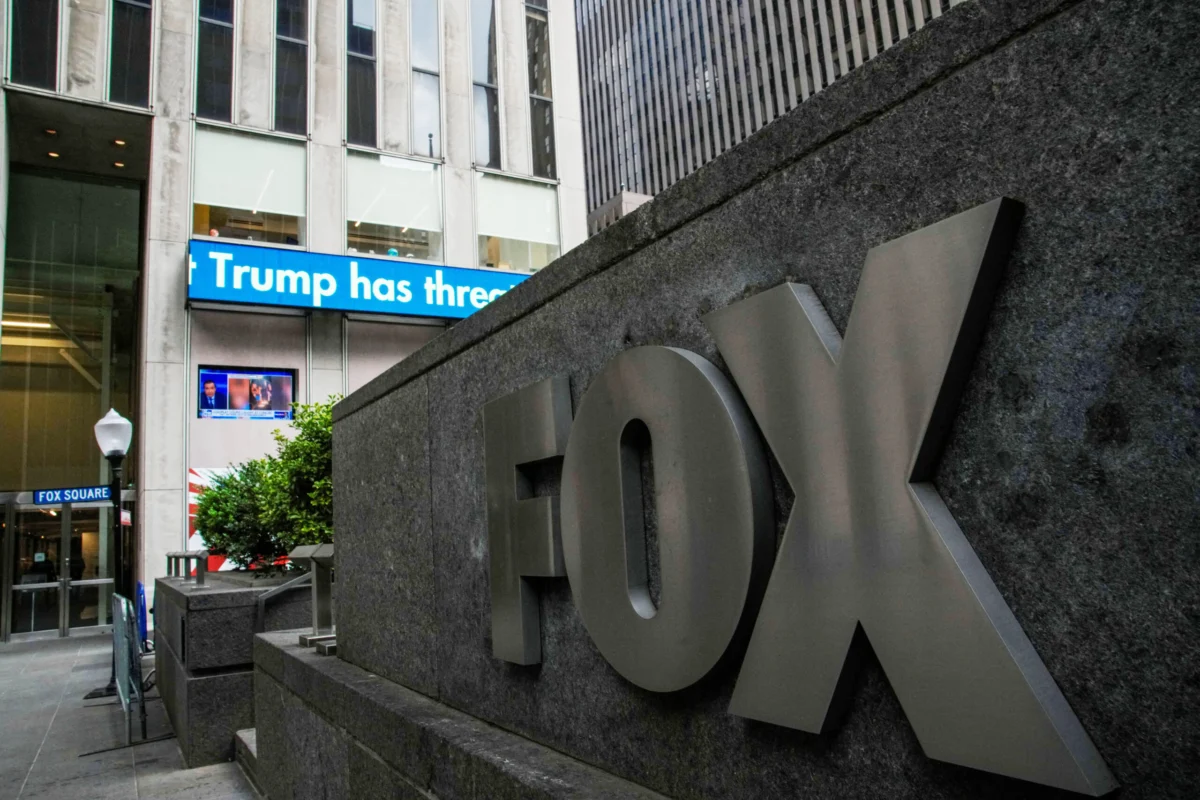
In a move that signals a seismic shift in the media and entertainment industry, Fox Corp. has officially entered into a definitive agreement to acquire Roku Inc. for approximately $22 billion. The announcement, made on Monday, marks one of the most significant consolidations in the streaming era, as traditional broadcast entities continue to pivot toward digital-first strategies to combat the decline of linear television. The deal, valued at $160 per share in a combination of cash and stock, represents a bold bet by Fox CEO Lachlan Murdoch to secure a dominant position in the distribution and advertising technology sectors.
Under the terms of the agreement, Fox will fund the cash portion of the acquisition through a combination of existing cash reserves and $12 billion in newly secured debt. The transaction has received unanimous approval from the boards of directors of both companies and is expected to close in the first half of 2027, pending regulatory approvals and customary closing conditions. Upon completion, existing Fox shareholders will hold a 73% stake in the combined entity, while Roku shareholders will own the remaining 27%.
Market Reaction and Financial Structure
The immediate reaction from Wall Street was characterized by volatility. Fox’s stock plummeted 17% in morning trading following the announcement, as investors expressed concerns over the $12 billion debt load and the premium paid for Roku. Conversely, Roku’s shares saw a modest 2% decline on Monday, though this followed a massive 20% surge on Friday when reports of a potential acquisition first began to circulate.
Financial analysts noted that while the price tag is substantial, the $160 per share offer reflects Fox’s urgency to own the "gateway" to the living room. By acquiring Roku, Fox is not just buying a content library; it is acquiring a hardware and software ecosystem that controls the user interface for millions of viewers. The $12 billion loan secured by Fox underscores the company’s commitment to this transformation, despite the immediate pressure on its stock price.
A Strategic Convergence of Content and Distribution
The acquisition brings together two distinct but increasingly overlapping pillars of the modern media landscape. Fox, primarily known for its powerhouse brands in live news and sports, has spent the last several years refining its focus following the 2019 sale of its entertainment assets to Disney. Roku, meanwhile, has evolved from a hardware manufacturer of streaming sticks into a platform giant, boasting a massive footprint in advertising and its own Free Ad-supported Streaming TV (FAST) service, The Roku Channel.
Lachlan Murdoch described the acquisition as a "defining moment" for Fox, emphasizing that the deal allows the company to move "aggressively into the 21st century." By integrating Roku’s platform with Fox’s content engines—including the Fox News Channel, Fox Sports, and the broadcast network—the combined company aims to create a vertically integrated powerhouse capable of capturing a larger share of the shifting advertising market.
The Role of Tubi and The Roku Channel
A central component of the deal is the future of the two companies’ respective streaming services: Tubi and The Roku Channel. Fox acquired Tubi in 2020 for $440 million, a move that proved prescient as the FAST market exploded in popularity. Tubi has since become a cornerstone of Fox’s digital strategy, offering a vast library of on-demand content supported by commercials.
The Roku Channel operates on a similar model but benefits from being the default streaming option on millions of Roku-powered devices. During a call with investors, Murdoch clarified that Fox intends to keep Tubi and The Roku Channel as separate entities for the time being. He described them as "incredibly complementary services," noting that there is only about a 33% overlap in their respective audiences. While Tubi leans heavily into on-demand viewing, The Roku Channel has seen success with its linear-style "live" channels that mimic the traditional cable experience.
Historical Context: From the Disney Sale to the Roku Era
To understand the magnitude of this acquisition, one must look back at the 2019 restructuring of the Murdoch media empire. In a $71 billion deal, Fox sold its film and television studios, along with cable networks like FX and National Geographic, to The Walt Disney Company. This left "New Fox" as a leaner organization focused on live programming—assets that were deemed "un-streamable" at the time because they relied on the cable bundle.

However, the rapid acceleration of cord-cutting forced Fox to reconsider its reliance on traditional distributors. In 2020, the purchase of Tubi provided a foothold in the digital space. In 2024, the company launched "Fox One," a direct-to-consumer platform designed to bridge the gap between cable and streaming. The acquisition of Roku represents the final stage of this evolution, shifting Fox from a content provider that relies on third-party platforms to a platform owner that controls its own destiny.
Roku’s Evolution and Global Reach
Roku CEO Anthony Wood, who will join the combined company’s leadership team, highlighted the strength of Roku’s platform business during the investor call. Founded in 2002 and famously spun off from Netflix, Roku has grown into a market leader in the United States. The company currently reaches more than 100 million streaming households globally, with users engaging in over 145 billion hours of content annually.
Wood emphasized that Roku enters this deal from a "position of strength," citing its robust advertising technology and its role as a primary distributor for other streaming giants like Netflix, Disney+, and Max. For Roku, joining forces with Fox provides the capital and content library necessary to compete with tech titans like Amazon, Apple, and Google, all of whom have their own hardware and streaming ecosystems.
Synergies and Future Growth Projections
Fox expects the acquisition to generate approximately $400 million in annual run-rate cost synergies. These savings are expected to come from the integration of technical infrastructure, the consolidation of ad-sales teams, and the elimination of overlapping corporate functions. Furthermore, Fox anticipates significant "revenue upside" by leveraging Roku’s sophisticated data-targeting capabilities to sell Fox’s premium sports and news inventory.
The timing of the deal is also notable. Fox is currently in the midst of broadcasting the FIFA World Cup, an event that draws record-breaking audiences. By controlling the platform (Roku) on which many viewers watch these events, Fox can capture more data and advertising revenue than it could through traditional cable distribution alone.
Broader Industry Implications and Challenges
The Fox-Roku deal is likely to trigger a new wave of consolidation across the media sector. As the "streaming wars" enter a more mature phase, companies are finding that scale is the only way to survive. The merger places pressure on other mid-sized media players and hardware manufacturers to seek their own strategic partnerships.
However, the deal is not without its hurdles. Regulatory scrutiny is expected to be intense, particularly regarding antitrust concerns. Government regulators in the U.S. have become increasingly wary of vertical integrations where a company owns both the content and the means of distribution. Fox and Roku executives expressed confidence that the deal would be approved, citing the highly competitive nature of the digital advertising and streaming markets.
Furthermore, the integration of two distinct corporate cultures—the traditional, news-heavy environment of Fox and the Silicon Valley tech culture of Roku—will present significant management challenges. The success of the merger will depend on whether Fox can maintain Roku’s neutrality as a platform while simultaneously using it to boost its own content.
Chronology of Key Events Leading to the Merger
- September 2017: Roku goes public on the Nasdaq, establishing itself as the leading independent streaming platform.
- March 2019: Fox completes the $71 billion sale of its entertainment assets to Disney, creating "New Fox."
- April 2020: Fox acquires Tubi for $440 million to enter the free ad-supported streaming market.
- Early 2024: Fox launches "Fox One," its unified direct-to-consumer streaming application.
- July 18, 2025: Rumors of a potential Fox-Roku tie-up cause Roku stock to jump 20%.
- July 21, 2025: Fox Corp. officially announces the $22 billion acquisition of Roku Inc.
- H1 2027 (Projected): The transaction is expected to close following regulatory review.
Conclusion: A New Era for Fox
As the media industry grapples with the transition from the "bundle" to the "app," the acquisition of Roku positions Fox as a unique hybrid of traditional media power and modern tech infrastructure. By owning the hardware, the operating system, and the content, Fox is attempting to build a self-sustaining ecosystem that is less dependent on the whims of cable providers or rival tech platforms.
While the $22 billion price tag and the associated debt have given some investors pause, the long-term vision presented by Lachlan Murdoch and Anthony Wood suggests a company preparing for a future where the distinction between "broadcaster" and "tech platform" no longer exists. If successful, the combined Fox-Roku entity will serve as a blueprint for how legacy media companies can reinvent themselves for the digital age.