



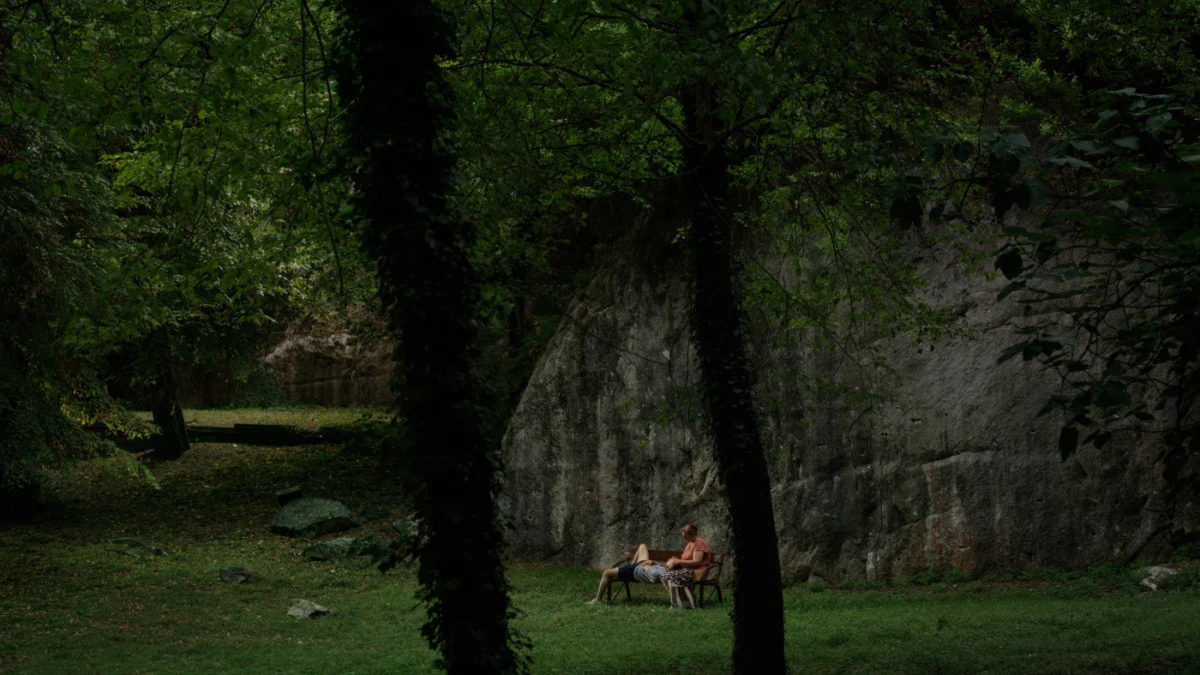
The shimmering allure of the Adriatic coast, a global magnet for sun-seekers and cultural explorers, often obscures a harsher reality for those who fuel its vibrant tourism economy. This often-overlooked dichotomy forms the compelling core of Petty Thieves, the feature directorial debut from Croatian filmmaker Mate Ugrin, set to make its world premiere in the prestigious Proxima Competition of the 60th Karlovy Vary International Film Festival (KVIFF) on Sunday, July 5. The film delves into the lives of individuals pushed to the margins by an industry that, while offering joy and escape to many, simultaneously fosters alienation and economic precarity for its workforce. Ugrin’s anticipated debut promises a nuanced, character-driven exploration of survival, solidarity, and the search for belonging amidst a backdrop of fleeting summer revelry.
A Poignant Premiere at the 60th Karlovy Vary International Film Festival
The selection of Petty Thieves for the Proxima Competition at KVIFF underscores the festival’s commitment to showcasing bold, innovative, and socially resonant cinema. Celebrating its 60th anniversary, the Karlovy Vary International Film Festival stands as one of the oldest and most respected film events in Central and Eastern Europe, renowned for its discerning taste and its role in launching the careers of significant international filmmakers. The Proxima Competition, specifically, champions films that push cinematic boundaries and offer fresh perspectives on contemporary issues, making it an ideal platform for Ugrin’s incisive look at the human element behind the tourism façade. The festival’s long history, dating back to 1946, has consistently provided a crucial bridge between Eastern and Western European filmmaking traditions, fostering a vibrant exchange of ideas and artistic expressions. For a debut feature exploring themes so pertinent to the region, KVIFF represents not just a premiere, but a significant validation of its artistic merit and thematic urgency.
Unveiling the Narrative: A Story of Survival and Unexpected Connection
At the heart of Petty Thieves lies the summer tourist season on the Adriatic, a period of bustling activity and stark contrasts. The narrative introduces Rio, a solitary young man earning a meager living as a kitchen helper in a local hotel. His existence is defined not only by the relentless demands of his service industry job but also by a clandestine side hustle: committing minor thefts at the expense of the foreign visitors who flood his homeland. These aren’t acts of malice, but rather desperate attempts to reclaim a sliver of agency and supplement an income barely sufficient for survival.
The film’s dynamic shifts with the introduction of Andrea, another young worker whose path intersects with Rio’s. Upon discovering his thieving activities, Andrea doesn’t condemn him but instead proposes an unusual, pragmatic alliance: they will steal together and share the profits. This initial agreement, born out of shared economic vulnerability and a silent understanding of their marginalized status, quickly evolves beyond a mere transactional partnership. As they navigate their illicit enterprise, a profound and unexpected closeness blossoms between them. This burgeoning relationship becomes a central emotional anchor, transforming their pragmatic alliance into a bond of longing and tenderness, exploring the complex interplay of human connection forged under duress.
Thematic Depth: Alienation, Longing, and the Search for Belonging
Press notes for Petty Thieves illuminate the intricate layers of its thematic landscape. Beyond the literal acts of theft, the film positions these "petty thefts" not merely as acts of rebellion against an exploitative system but as profound gestures of solidarity among individuals with little power. In a world where their labor is commodified and their local identity often overshadowed by the transient demands of visitors, these shared transgressions become a form of resistance and mutual support.
Beneath these acts lies a pervasive sense of alienation, a feeling deeply rooted in the instability of their work and the profound difficulty of feeling truly at home in a place that appears to exist primarily for outsiders. The Croatian Adriatic, while breathtakingly beautiful, becomes a symbol of this paradox: a stunning natural landscape transformed into an economic engine that paradoxically displaces and disempowers its own inhabitants. The film promises to delve into the psychological toll of such an existence, where one’s home becomes a stage for others’ leisure, and genuine belonging becomes an elusive dream. The inclusion of sexual exploration and a budding love affair adds another crucial dimension, highlighting the human need for intimacy and connection as a counterbalance to the harsh realities of their lives. This tender exploration of human desire and vulnerability offers a poignant counterpoint to the characters’ struggles, grounding the film in universal emotional truths.
Mate Ugrin’s Artistic Trajectory: From Acclaimed Shorts to Feature Debut
Mate Ugrin’s journey to his feature directorial debut has been marked by a series of critically acclaimed short films, establishing him as a compelling voice in contemporary European cinema. His previous work has consistently demonstrated a keen eye for character-driven narratives and a sensitive approach to social commentary. His latest short, Everything Ahead (2021), garnered significant international recognition, premiering at the prestigious Sarajevo Film Festival where it ultimately won the coveted Heart of Sarajevo for Best Short Film. This accolade not only cemented Ugrin’s reputation as a filmmaker with a distinctive vision but also hinted at his potential for crafting longer-form narratives that resonate deeply with audiences and critics alike.
Ugrin’s transition to feature filmmaking with Petty Thieves is a natural progression, allowing him to expand on his thematic preoccupations with greater depth and scope. His involvement extends beyond directing; he also penned the screenplay and served as a producer alongside Daria Blažević. This multi-faceted role underscores his complete artistic control and personal investment in the project, ensuring that the film’s vision remains uncompromised. His experience in crafting concise, impactful short stories undoubtedly informs his approach to Petty Thieves, promising a narrative that is both tightly constructed and emotionally expansive.
The Karlovy Vary International Film Festival: A Platform for Distinctive Voices
The 60th edition of the Karlovy Vary International Film Festival is a landmark event, solidifying its status as a vital institution within the global film circuit. Founded in 1946, KVIFF has endured through decades of political and cultural shifts, consistently upholding its mission to present high-quality, art-house cinema and to foster dialogue between filmmakers and audiences. Its location in the picturesque spa town of Karlovy Vary provides a unique, intimate atmosphere conducive to cinematic discovery.
KVIFF is particularly celebrated for its support of Central and Eastern European cinema, offering a crucial international platform for films from the region that might otherwise struggle for visibility. The festival’s main competition, Crystal Globe, and the Proxima Competition, where Petty Thieves will premiere, are highly regarded for their ability to identify and champion emerging talent. For a Croatian film tackling a regionally specific yet universally resonant theme, a premiere at KVIFF carries significant weight, signaling its potential for broader critical acclaim and international distribution. The festival’s history is replete with examples of films that found their first major audience here before achieving global success, and Mate Ugrin’s debut is poised to follow in this esteemed tradition.

Croatian Cinema’s Contemporary Voice: Reflecting Societal Realities
Croatian cinema has, in recent decades, carved out a distinctive niche within European filmmaking, often grappling with the complex legacies of its past and the challenges of its present. Directors frequently explore themes of post-war trauma, social transition, economic hardship, and the evolving national identity. Petty Thieves fits seamlessly into this tradition, offering a contemporary reflection on a crucial aspect of modern Croatian society: its profound dependence on, and often troubled relationship with, the tourism industry.
While Croatia’s stunning coastline and historical cities attract millions of tourists annually, contributing significantly to the national GDP (tourism accounted for approximately 20% of Croatia’s GDP in pre-pandemic years), this economic boon comes with societal costs. Mate Ugrin’s film joins a growing body of work from Croatian filmmakers that critically examines these implications, moving beyond postcard-perfect portrayals to reveal the human stories beneath the surface. It underscores a cinematic movement that prioritizes realism and social commentary, inviting audiences to confront uncomfortable truths about globalization, inequality, and the impact of rapid economic shifts on local communities. Petty Thieves can be seen as part of a new wave that blends art-house sensibilities with urgent social critique, much like the works of directors who have previously brought Croatian cinema to international attention.
Crafting the Narrative: Key Creative Collaborators
The realization of Petty Thieves is a testament to the collaborative spirit of filmmaking, bringing together a talented team to support Mate Ugrin’s vision. The visual language of the film, crucial for conveying both the idyllic veneer of the Adriatic and the gritty reality of its protagonists, is handled by cinematographer Ivan Marković. Marković’s expertise is vital in crafting the aesthetic that contrasts the vibrant, sun-drenched world of the tourists with the muted, often challenging environment of the locals. His lens will be instrumental in capturing the nuances of the Istrian landscape, transforming it from a mere backdrop into an active participant in the story, reflecting the characters’ alienation and longing.
The film’s emotional rhythm and narrative flow are entrusted to editor Jelena Maksimović. Her role in shaping the pacing, intensifying dramatic moments, and finessing the development of Rio and Andrea’s evolving relationship will be critical. The delicate balance between the social critique and the intimate character study will largely depend on Maksimović’s skillful hand in the editing suite. The cast, led by Gavrilo JoviÄić as Rio and Tea Ljubešić as Andrea, alongside seasoned actors Snježana SinovÄić and Izudin Bajrović, is poised to bring depth and authenticity to these complex roles, embodying the struggles and hopes of their characters.
Furthermore, the involvement of Cercamon, a prominent sales agent, signifies the film’s international aspirations. Cercamon’s reputation for championing distinctive independent films from around the world suggests confidence in Petty Thieves‘ ability to resonate with global audiences and secure distribution beyond the festival circuit. This partnership is crucial for amplifying the film’s message and ensuring its reach extends to a wider audience eager for thought-provoking cinema.
The Dual Face of Tourism: An Analysis of Petty Thieves‘ Societal Commentary
Petty Thieves serves as a powerful cinematic critique of the often-unseen social and economic implications of mass tourism. While the industry is frequently lauded for its economic benefits, providing employment and foreign currency, the film meticulously dissects its human cost. For local populations in popular destinations like the Adriatic, tourism often translates into precarious, seasonal labor, characterized by low wages, long hours, and unstable contracts. This economic vulnerability is compounded by rapidly escalating housing costs, as properties are converted into lucrative short-term rentals, pushing local residents out of their communities.
The film’s exploration of "alienation" is particularly poignant, highlighting the psychological burden of living in a place that feels increasingly disconnected from one’s own identity. Locals become service providers, their culture commodified, and their daily lives dictated by the ebb and flow of tourist seasons. This creates a distinct "us vs. them" dynamic, where the opulent leisure of visitors stands in stark contrast to the struggles of those serving them. Petty Thieves suggests that the "petty thefts" committed by Rio and Andrea are not merely criminal acts but a symbolic reclamation of dignity, a small defiance against a system that disempowers them. They represent a desperate attempt to assert agency in a world where their value is often reduced to their utility for the tourist economy. The film thus transcends a simple narrative of crime to become a broader commentary on economic inequality, social displacement, and the universal human desire for respect and belonging.
A First Glimpse: Decoding the Exclusive Trailer
The exclusive trailer for Petty Thieves, unveiled by The Hollywood Reporter, offers a compelling initial glimpse into Mate Ugrin’s cinematic world. It immediately establishes the stark contrast between the two realities coexisting on the Adriatic coast. We see fleeting shots of tourists enjoying the idyllic sea, embodying the carefree vacation ideal. This is juxtaposed with the grittier existence of the locals, particularly Rio, whose melancholic gaze and glimpses of family troubles hint at a life far removed from the idyllic imagery promoted by tourism brochures.
The trailer skillfully conveys a palpable sense of melancholy, a pervasive mood that seems to underscore the characters’ quiet desperation. We witness the initial, guarded interaction between Rio and Andrea, hinting at the genesis of their unusual alliance. The visual language appears to be understated yet evocative, employing natural light and a focus on intimate character moments to draw the viewer into their world. The absence of overt dramatic flair in the trailer suggests a film rooted in realism, prioritizing character development and thematic depth over sensationalism. It promises a narrative that explores the complexities of human relationships against a backdrop of socio-economic struggle, leaving viewers with a profound sense of the divergent experiences that define a globally celebrated tourist destination. The visual storytelling hints at Ivan Marković’s ability to capture both the beauty and the harshness of the setting, creating a powerful sense of place that mirrors the internal landscapes of its characters.
Anticipating Impact: A Universal Story from the Adriatic Coast
As Petty Thieves prepares for its world premiere at the 60th Karlovy Vary International Film Festival, it arrives with the promise of being more than just a debut feature. It is a timely and resonant work that speaks to universal issues of economic disparity, human dignity, and the search for authentic connection in a globalized world. While firmly rooted in the specific context of the Croatian Adriatic, the film’s themes—the exploitation of labor, the alienation of marginalized communities, and the complex dynamics of human relationships under pressure—transcend geographical boundaries.
Mate Ugrin’s Petty Thieves is poised to spark important conversations, not only about the future of tourism but also about the ethical responsibilities inherent in the pursuit of leisure and economic growth. It offers a poignant reminder that behind every idyllic vacation photo lies a human story, often one of struggle and resilience. With its compelling narrative, nuanced characters, and powerful social commentary, Petty Thieves has the potential to establish Mate Ugrin as a significant new voice in European cinema, a filmmaker unafraid to explore the uncomfortable truths lurking beneath the surface of contemporary society. Its KVIFF premiere marks a crucial step in bringing this vital story to a global audience, inviting them to look beyond the picturesque and contemplate the true cost of paradise.