

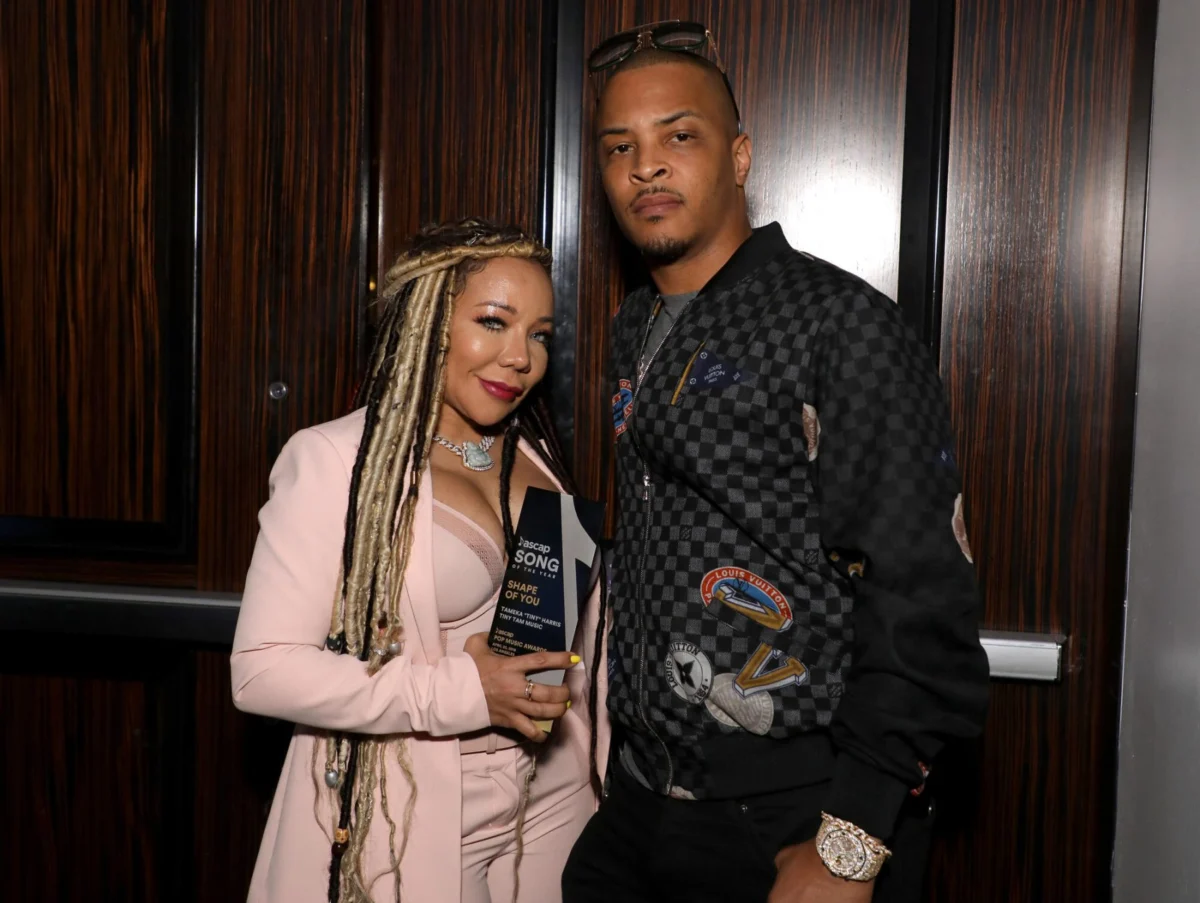
In a significant development following years of protracted litigation, the music industry power couple T.I. and Tameka "Tiny" Harris have been denied punitive damages in their ongoing legal dispute with toy manufacturer MGA Entertainment. The latest trial, the fourth in a series of legal skirmishes, concluded with a federal jury rejecting the Harrises’ request to add additional damages beyond the $18 million they were previously awarded. This outcome marks a critical juncture in a case that has seen considerable legal maneuvering and evolving judicial interpretations.
The core of the dispute centers on MGA’s "O.M.G." doll line, which the Harrises allege infringes upon the intellectual property of their former teen pop group, OMG Girlz. Founded in 2009 by T.I. and Tiny, the group originally featured their daughter Zonnique Pullins alongside Bahja Rodriguez and Breaunna Womack. The plaintiffs contend that MGA’s dolls directly copied the group’s distinctive name, fashion-forward outfits, and signature neon-colored hairstyles. MGA Entertainment, a formidable player in the toy industry renowned for brands such as Bratz and Little Tikes, has consistently maintained its innocence, denying any claims of infringement.

A Chronology of Legal Battles
The legal saga began in 2020 when T.I. and Tiny Harris first brought their allegations against MGA. The ensuing years have been marked by a series of trials and appeals, each presenting unique challenges and outcomes.
- 2020: The Harrises file their initial lawsuit, alleging trademark infringement and intellectual property theft related to MGA’s "O.M.G." dolls.
- 2023 (First Trial): The initial trial ends in a mistrial. This unexpected outcome was attributed to improper testimony concerning racial discrimination, which the court deemed prejudicial and a basis for an unfair trial.
- 2023 (Second Trial): A subsequent trial concludes with a jury finding in favor of MGA, clearing the company of all wrongdoing.
- Appeal and Reversal: The verdict from the second trial is later overturned on appeal. This decision was influenced by evolving Supreme Court precedents regarding intellectual property law, necessitating further legal proceedings.
- 2024 (Third Trial): A third jury convenes and finds that MGA did, in fact, intentionally copy the OMG Girlz. This jury awards the Harrises $18 million in profits, plus an additional $53 million in punitive damages, totaling $71 million.
- Judge’s Ruling and Fourth Trial: In the summer of the following year, a judge significantly alters the landscape of the case by vacating the punitive damages. The judge determined that the Harrises had not presented "clear and convincing evidence of willful infringement or conscious disregard for the rights of others." This pivotal ruling effectively stripped away the substantial punitive damages, reducing the potential award to the original $18 million. Consequently, a fourth, more limited trial was scheduled, solely to address the question of punitive damages.
- July 1, [Current Year]: The fourth trial concludes with a federal jury denying the Harrises’ request for punitive damages. The jury’s decision upholds the $18 million awarded in profits, effectively capping the total award at that sum.
The Case for Punitive Damages
At the heart of the most recent trial was the Harrises’ argument that MGA’s alleged infringement was not merely accidental but intentional and malicious. Punitive damages are intended to punish defendants for particularly egregious conduct and to deter similar behavior in the future. The couple’s legal team aimed to demonstrate that MGA’s actions went beyond simple negligence, suggesting a deliberate disregard for the intellectual property rights of creatives. They argued that MGA’s internal policies were insufficient to prevent such infringements and that the company’s document retention and collection procedures were questionable, further supporting the claim of intentional misconduct.
Legal Responses and Reactions
Following the verdict, attorneys for T.I. and Tiny Harris issued a statement expressing their disappointment. "We appreciate the jury’s time and consideration but are disappointed in the verdict," the statement read. "It’s clear from the evidence that MGA’s policies are inadequate to prevent this type of IP infringement and their document retention and collection procedures are equally as suspect. We will continue to fight for our clients’ rights and the rights of all creatives." This sentiment underscores their continued belief in the validity of their claims and their commitment to advocating for intellectual property protection within the creative industries.

Representatives for MGA Entertainment did not immediately respond to requests for comment regarding the jury’s decision. The company’s consistent stance throughout the litigation has been a denial of any wrongdoing.
The Broader Implications for Intellectual Property
The protracted legal battle between T.I., Tiny, and MGA Entertainment highlights the complexities and challenges inherent in intellectual property disputes, particularly within the fast-paced entertainment and consumer product sectors. The evolving nature of jury verdicts and judicial interpretations underscores the significant impact of legal precedent on such cases. The initial substantial award in the third trial, followed by the judicial reduction of punitive damages, demonstrates the critical role of judicial review in ensuring that damages are commensurate with the proven level of wrongdoing.
The Harrises’ assertion that MGA’s internal policies and procedures were inadequate points to a broader concern within the industry regarding the robust protection of creative assets. The case serves as a cautionary tale for companies to implement and enforce strong intellectual property protection protocols. For creators, it underscores the importance of vigilant enforcement of their rights and the potential for significant legal battles in defending their intellectual property. The continued pursuit of justice by the Harrises, as stated by their legal team, indicates an ongoing commitment to safeguarding the rights of creatives, suggesting that this legal chapter, while reaching a conclusion in this particular trial, may inform future advocacy efforts. The $18 million awarded represents a substantial financial outcome for the plaintiffs, yet the denial of punitive damages signifies a partial victory for MGA in this long-running legal contest.