

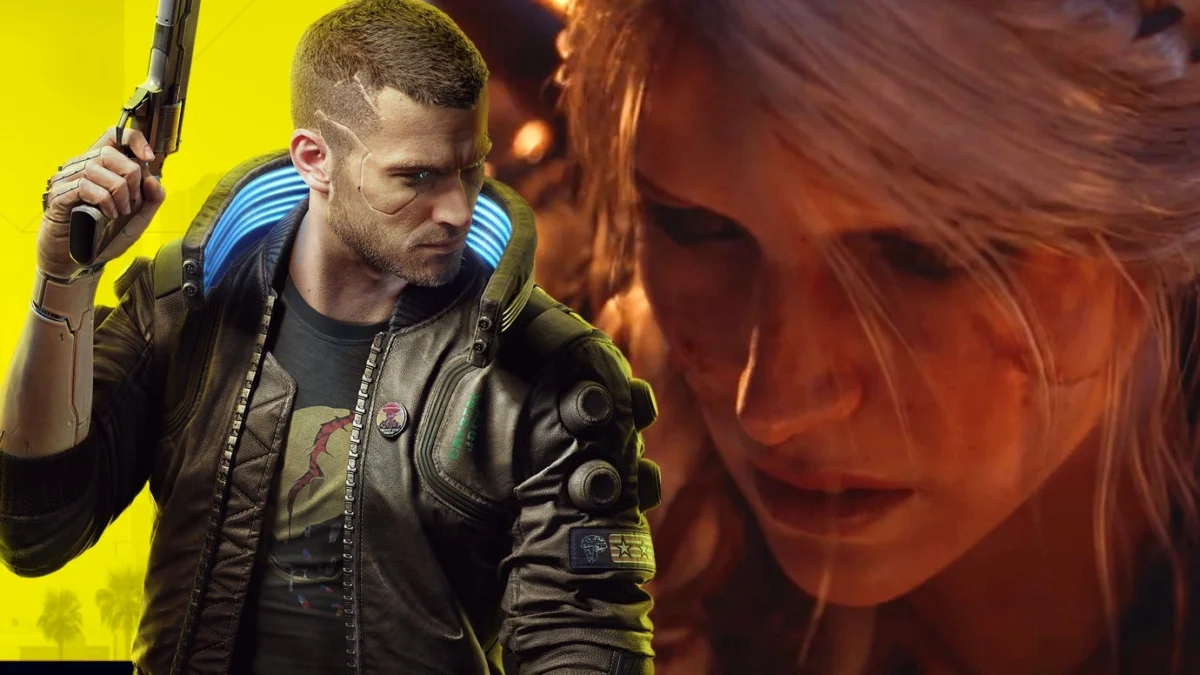
The leadership at CD Projekt Red (CDPR), the acclaimed Polish developer behind The Witcher series, has signaled a cautious stance regarding the studio’s standing with the global gaming community. In a recent interview with Edge’s Knowledge newsletter, joint CEO Michał Nowakowski suggested that despite the critical and commercial success of the Cyberpunk 2077: Phantom Liberty expansion and the comprehensive 2.0 update, the studio has not yet fully completed its "redemption arc." This admission comes nearly four years after the original release of Cyberpunk 2077, a launch that fundamentally altered the studio’s trajectory and public image.
Nowakowski’s comments reflect a sobering reality for a company that was once considered the "gold standard" of consumer-friendly game development. Following the massive success of The Witcher 3: Wild Hunt in 2015, CDPR enjoyed a level of prestige rarely seen in the industry. However, the December 2020 launch of Cyberpunk 2077—marred by technical failures, particularly on previous-generation consoles—resulted in a historic loss of institutional trust. While the game has since been transformed into a highly-rated title, Nowakowski remains skeptical that the "arc" is finished, noting that some players may never return to the fold.
The Genesis of a Reputation Crisis
To understand the weight of Nowakowski’s current admission, one must examine the scale of the Cyberpunk 2077 launch disaster. Announced in 2012, the game carried nearly a decade of anticipation. When it finally arrived on December 10, 2020, the reality for millions of players on PlayStation 4 and Xbox One was a product that was virtually unplayable. The game suffered from frequent crashes, severe frame-rate drops, and a litany of visual bugs that broke immersion and gameplay loops.
The fallout was immediate and unprecedented. Sony Interactive Entertainment took the drastic step of pulling Cyberpunk 2077 from the PlayStation Store just a week after launch, an action almost unheard of for a AAA title of such magnitude. Simultaneously, both Sony and Microsoft expanded their refund policies to accommodate thousands of disgruntled customers.

Internally and legally, the pressure was equally intense. CD Projekt investors filed class-action lawsuits, alleging that the studio had provided "materially misleading information" regarding the game’s performance on older hardware to bolster pre-order numbers. The studio eventually settled these lawsuits for $1.85 million in 2023, but the damage to its market valuation was far more significant. At its peak before the launch, CD Projekt was valued at over $10 billion; following the release, its stock price plummeted, losing over 75% of its value at its lowest point.
A Timeline of Technical and Cultural Recovery
The journey from the "disastrous" launch to the current state of the game has been a multi-year effort that Nowakowski describes as "heartbreaking." The studio’s recovery can be mapped through several pivotal milestones:
- Early 2021: The "Yellow Square" Apology: Co-founder Marcin Iwiński issued a public video apology, taking personal responsibility for the state of the game and outlining a roadmap for fixes.
- 2021–2022: Incremental Patching: Updates 1.2, 1.3, and 1.5 slowly stabilized the experience, reintroducing the game to the PlayStation Store and optimizing it for PlayStation 5 and Xbox Series X/S.
- September 2022: The Edgerunners Boost: The release of the Netflix anime Cyberpunk: Edgerunners sparked a massive resurgence in player interest, proving that the IP itself remained strong despite the technical failures of the game.
- September 2023: The 2.0 Update and Phantom Liberty: This marked the definitive turning point. The 2.0 update overhauled core systems—including police AI, perk trees, and vehicular combat—while the Phantom Liberty expansion received near-universal acclaim.
By late 2023, the sentiment on platforms like Steam had shifted dramatically. Associate Game Director Paweł Sasko noted that 95% of recent reviews were positive, a metric the team once thought impossible to achieve. However, as Nowakowski noted in the recent newsletter, a high review score does not necessarily equate to a restored reputation.
The Human and Strategic Cost of Redemption
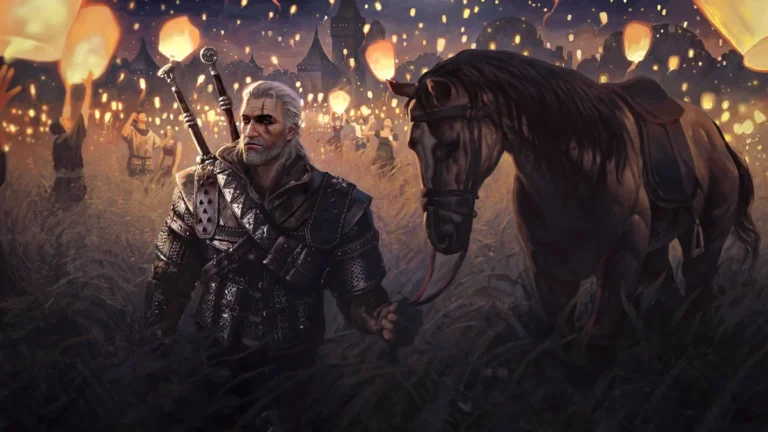
Nowakowski highlighted that the crisis left the studio with a "battle-hardened" workforce. The developers who remained through the turmoil are now the leaders tasked with helming "Project Polaris," the codename for the next installment in The Witcher franchise. This experience has dictated a shift in the studio’s operational philosophy.
"Our dream is to be making more games, although we never want to turn into the studio that’s going to be launching a big game every year," Nowakowski stated. This suggests a move away from the aggressive marketing cycles that defined the lead-up to Cyberpunk 2077. The CEO emphasized a "ten-year rolling plan" that focuses on quality over market saturation.

Data from CD Projekt’s financial reports supports this shift in focus. The studio has transitioned away from its proprietary REDengine, which powered The Witcher 3 and Cyberpunk 2077, in favor of Epic Games’ Unreal Engine 5. This move is largely seen as a strategic decision to streamline development and avoid the technical debt that plagued the launch of Cyberpunk. By using an industry-standard engine, CDPR can more easily recruit talent and utilize a robust set of existing tools, potentially preventing the kind of "engine-related" bugs that hindered their previous project.
Official Responses and Market Implications
The studio’s current stance is one of radical transparency, a necessity born from the 2020 backlash. Nowakowski’s admission that faith may be "lost indefinitely" for some players is a rare moment of corporate vulnerability. It serves as a signal to both players and investors that CD Projekt Red is no longer taking its audience for granted.
Financial analysts have noted that the studio’s future hinges entirely on the successful delivery of The Witcher 4. With over 400 developers currently assigned to Project Polaris as of mid-2024, it is the largest undertaking in the company’s history. The success of the Phantom Liberty DLC—which sold over 5 million copies in its first few months—provided a necessary financial cushion and a proof-of-concept that the studio could still deliver world-class content. However, the "redemption" Nowakowski speaks of is a qualitative metric of trust that cannot be bought with sales figures alone.
Broader Industry Impact and the Path Forward
The "CDPR Redemption Arc" has become a cautionary tale and a case study within the broader gaming industry. It highlighted the dangers of "crunch" culture, the risks of over-promising in marketing, and the volatility of being a publicly traded company in a creative field.
As the studio looks toward the future, its roadmap includes several ambitious projects:

- Project Polaris: The start of a new Witcher trilogy.
- Project Orion: The sequel to Cyberpunk 2077, being developed by a new North American wing of the studio.
- Project Canis Majoris: A remake of the original The Witcher game, developed by third-party studio Fool’s Theory under CDPR’s supervision.
- Project Sirius: A Witcher spin-off featuring multiplayer elements.
Nowakowski’s insistence that the studio does not want to "flood the market" suggests a more measured approach to these releases. The goal is to reclaim the "prestige" status the studio held in 2015.
In conclusion, while Cyberpunk 2077 is now widely regarded as one of the best action-RPGs on the market, the scars of its inception remain visible within the leadership of CD Projekt Red. The studio’s "redemption" is not a destination they have reached, but a continuous process that will be tested with every trailer, patch note, and release in the coming decade. As Nowakowski summarized, the ultimate goal is to simply "make really cool games" and hope that, over time, the work speaks for itself. Whether the "indefinitely lost" fans can be won back remains the most significant question hanging over the future of the Polish developer.