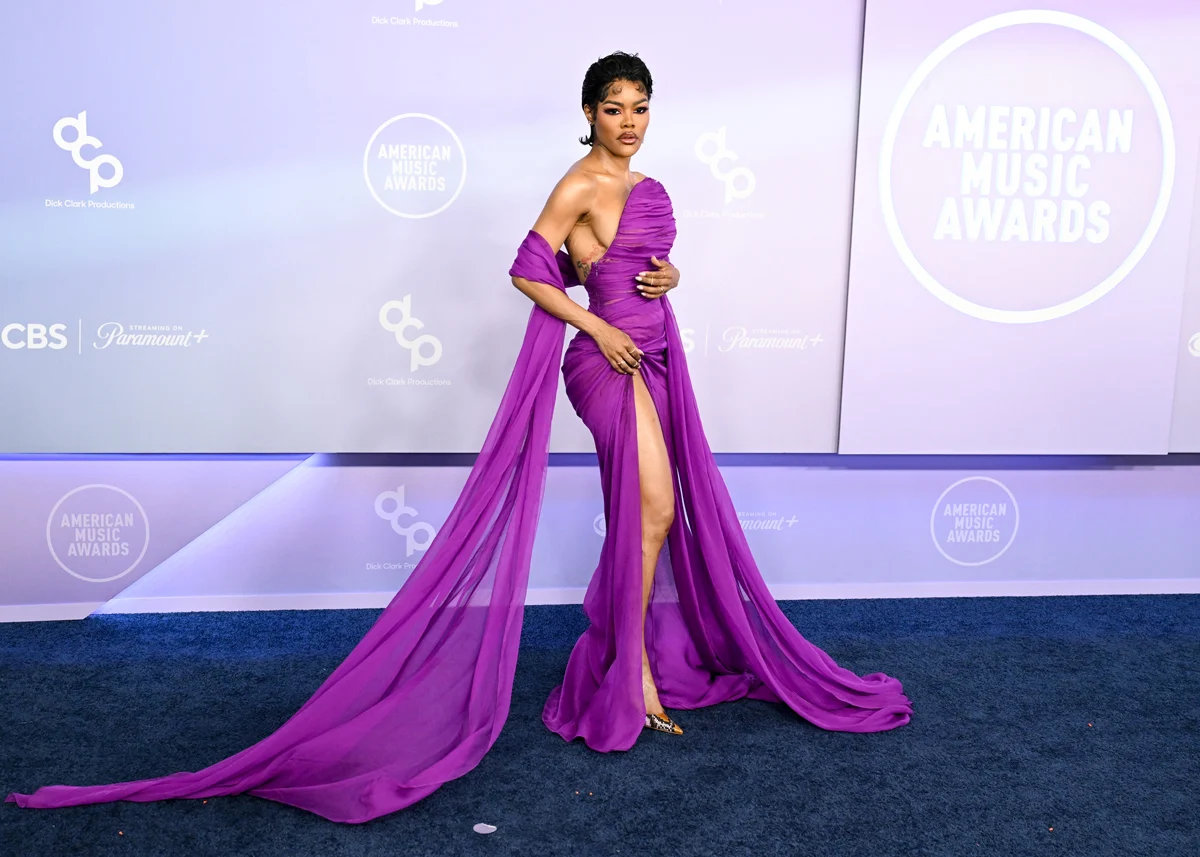
Las Vegas, Nevada – The MGM Grand Garden Arena pulsed with an electric atmosphere on Memorial Day Monday, May 25, 2026, as the 52nd Annual American Music Awards (AMAs) rolled out its red carpet. Music’s most influential artists, from seasoned legends to burgeoning stars, arrived in a dazzling display of personal style, setting the stage for an evening of music, celebration, and well-deserved accolades. This year’s event, steeped in a rich history of recognizing contemporary music achievements, once again served as a paramount showcase for both artistic talent and sartorial expression, drawing a global audience eager to witness the intersection of fashion and fame.

A Galaxy of Stars Descends on Las Vegas
The red carpet was a vibrant tapestry of fashion, with attendees meticulously curating their looks to capture the attention of fans and photographers alike. Among the early arrivals was the iconic Paula Abdul, a perennial fixture in the music industry, who opted for a striking white sculptural gown. The ensemble featured a sophisticated geometric silver and flesh-toned mermaid skirt, a design that masterfully blended classic elegance with a contemporary edge. Her presence harked back to a golden era of pop music, while her fashion choice firmly planted her in the present, demonstrating her enduring influence and keen sense of style.

Representing the enduring appeal of boy bands, New Kids on the Block (NKOTB) made a synchronized statement in matching double-breasted suits. Their coordinated attire evoked a sense of nostalgia for their devoted fanbase, while simultaneously projecting a timeless cool that has allowed them to remain relevant across generations. Ludacris, a multifaceted artist known for his contributions to both music and film, arrived in a bold and cohesive oxblood leather suit. The ensemble was completed with a crisp white shirt and matching kicks, a look that exuded confidence and a keen understanding of modern streetwear aesthetics.

The emerging girl group KATSEYE, poised to make a significant impact on the music scene, showcased their individuality and collective flair with figure-flaunting looks. Their coordinated ensembles hinted at a dynamic stage presence and a sophisticated brand identity, signaling their arrival as formidable contenders in the pop landscape. Tinashe, a consistently innovative artist celebrated for her fusion of R&B, pop, and dance, turned heads in a daring white-lace gown. The intricate detailing and bold silhouette of her dress underscored her reputation for pushing creative boundaries both musically and fashionably.

The significance of the AMAs extends beyond just the glitz and glamour of the red carpet; it represents a pivotal moment in the music calendar, acknowledging the artists and songs that have resonated most deeply with the public over the past year. The American Music Awards, established in 1973 by Dick Clark, were created as an alternative to the Grammy Awards, with winners determined by fan votes, thereby reflecting popular appeal. This democratic approach to awarding honors has consistently positioned the AMAs as a true barometer of music’s mainstream impact.

A Night of Notable Nominations and Esteemed Hosts
The evening’s nominations painted a picture of the current musical landscape, with Taylor Swift leading the pack with an impressive eight nods. Already a record-holder with 40 AMA wins, Swift’s continued dominance underscores her unparalleled connection with her audience and her consistent ability to produce chart-topping hits. Hot on her heels, with seven nominations each, were Sabrina Carpenter, Olivia Dean, sombr, and Morgan Wallen, each representing diverse genres and fan bases, highlighting the eclectic nature of contemporary music success. Lady Gaga and Alex Warren followed closely with six nominations apiece, further solidifying the breadth of talent recognized at this year’s ceremony.

Stepping into the esteemed role of host for the 52nd edition was the legendary Queen Latifah. Her return to the AMAs stage was a significant moment, recalling her previous co-hosting duties in 1995 alongside Tom Jones and Lorrie Morgan. Queen Latifah’s commanding presence, sharp wit, and deep respect for the music industry made her an ideal choice to guide the evening’s proceedings, ensuring a blend of entertainment and genuine appreciation for the honorees.

A Stage Set for Unforgettable Performances and Presenters
The American Music Awards have always been renowned for their electrifying performances, and this year was no exception. The lineup promised a captivating blend of genres and generations, featuring performances by BTS, the global phenomenon whose music transcends cultural boundaries; Karol G, the Colombian superstar whose infectious reggaeton anthems have conquered charts worldwide; Billy Idol, the iconic punk-rock figure who was also slated to receive a prestigious Lifetime Achievement Award; NKOTB, demonstrating their enduring appeal; and the rising stars of KATSEYE. The inclusion of such a diverse array of artists promised an evening that celebrated the full spectrum of contemporary music.

Adding to the star power, a distinguished roster of presenters was on hand to bestow the coveted AMA trophies. Among them were Olympic figure skating sensation Alysa Liu, who brought an athletic grace to the stage; GloRilla, a leading voice in the current hip-hop scene; HUNTR/X singers EJAE and REI AMI, representing the new wave of digital-native artists; veteran actress Lisa Rinna; and the multifaceted artist Ludacris, who was also a notable red carpet presence. The presence of these personalities from various fields underscored the AMAs’ broad cultural relevance.

Background and Context of the American Music Awards
The American Music Awards were conceived by Dick Clark as a way to honor artists in a manner that directly reflected the preferences of the music-buying public. Unlike the Grammy Awards, which are voted on by members of the Recording Academy, AMA winners are determined by online polls and radio music formats, giving a direct voice to fans. This fan-centric approach has cemented the AMAs’ reputation as a celebration of popularity and mainstream success. Over the decades, the awards have evolved to encompass a wider range of genres, reflecting the dynamic shifts within the music industry. From its early days recognizing rock and pop, the AMAs have consistently adapted to include R&B, hip-hop, country, Latin, and global music, ensuring its continued relevance in an ever-changing musical landscape.

The production of the American Music Awards is overseen by Dick Clark Productions, a company with a long-standing legacy in live entertainment broadcasting. Dick Clark Productions is a subsidiary of Penske Media Eldridge, a joint venture between Eldridge Industries and Billboard’s parent company, Penske Media. This ownership structure ensures a high level of production value and a deep understanding of the media and entertainment industries, contributing to the awards’ continued success and reach. The partnership between these influential entities guarantees that the AMAs remain a premier event in the global entertainment calendar.

Analyzing the Impact and Broader Implications
The 52nd Annual American Music Awards served as more than just an awards ceremony; it was a snapshot of the current state of the music industry and a testament to the enduring power of popular music. The diverse range of nominees and performers underscored the increasing globalization of music, with artists from various linguistic and cultural backgrounds achieving mainstream success. Karol G’s prominent presence, for instance, reflects the growing influence of Latin music on the global stage. Similarly, the inclusion of K-pop groups like BTS continues to highlight the significant impact of South Korean music on international charts and fan engagement.

The consistent recognition of artists like Taylor Swift, who have built formidable careers based on direct fan connection and relatable storytelling, speaks to the evolving relationship between artists and their audiences in the digital age. The AMAs, with their fan-voted format, are particularly adept at capturing this dynamic, rewarding artists who have cultivated strong and engaged fan communities.

The presence of emerging artists like KATSEYE and the continued success of established figures like Paula Abdul and Ludacris illustrate the cyclical nature of the music industry, where established legends continue to inspire while new talent carves out their own unique paths. The Lifetime Achievement Award bestowed upon Billy Idol also serves as a reminder of the foundational artists who have shaped the sound and culture of modern music, providing a historical context for contemporary achievements.

Furthermore, the AMAs’ platform offers a significant boost to artists, both established and emerging. Winning an award or even being nominated can lead to increased record sales, streaming numbers, and overall public awareness. The red carpet itself serves as a major promotional opportunity, with fashion choices often generating as much buzz as the awards themselves. This synergy between music, fashion, and media is a hallmark of the American Music Awards and contributes to its enduring appeal as a cultural touchstone. The event’s ability to consistently attract a wide array of talent, from pop icons to hip-hop titans and global sensations, solidifies its position as one of the most important nights in music. The continued success and evolution of the AMAs underscore the vibrant and ever-changing nature of the music industry, celebrating both artistic merit and the profound connection between artists and their devoted fans.