


The interactive entertainment landscape in mid-2024 has been characterized by a diverse array of narrative-driven experiences, ecological simulations, and the revival of classic action intellectual properties. Recent reports from industry analysts and hands-on evaluations by gaming correspondents highlight a significant shift in how developers approach player engagement, ranging from the experimental mechanics of cooperative adventures to the technical challenges of modernizing legacy franchises. This analysis examines the current state of three pivotal titles—Split Fiction, BioEden, and Onimusha: Way of the Sword—evaluating their design philosophies, technical performance, and broader implications for the gaming industry.
Narrative Breakthroughs and Technical Hurdles in Split Fiction
Split Fiction has emerged as a significant point of discussion within the cooperative gaming community, primarily due to its unconventional approach to shared narrative experiences. Developed with a focus on asymmetrical gameplay, the title requires players to navigate complex environmental puzzles and combat scenarios that leverage a unique "split" perspective. Recent reports indicate that while the game has faced technical challenges—specifically regarding save file corruption on the Xbox Series X platform—the narrative payoff has been described by industry veterans as a landmark achievement in the genre.
The title’s climax and concluding boss sequences have received particular acclaim for their sensory manipulation and environmental storytelling. Professional critics, including Katharine Castle, have noted that the game’s ability to "twist the senses" represents a high-water mark for experimental design. The final acts of Split Fiction reportedly move beyond traditional mechanics, utilizing shifting scenes and perspective-warping visuals that challenge the player’s perception of the digital space.
However, the journey to these narrative heights has been marred by data integrity issues. Several reports have surfaced regarding corrupted save files on the Xbox Series X, forcing players to replay substantial portions of the game—in some cases up to 80 percent of the total content. Despite these setbacks, the consensus among the player base suggests that the strength of the final sequences provides sufficient motivation for players to persevere through technical redundancies. This phenomenon highlights a rare instance where artistic merit outweighs significant technical flaws in the eyes of the consumer.
BioEden and the Resurgence of Ecological Management Simulations
In the PC gaming sector, the emergence of BioEden signals a renewed interest in the "garden management" and "ecological restoration" sub-genres. Developed by the Italian studio Broken Arms Games—previously known for the viticulture simulation Hundred Days—BioEden represents a thematic departure that blends elements of classic titles with modern environmental strategy.
Industry analysts have drawn direct parallels between BioEden and Microsoft’s 2006 cult classic Viva Piñata, developed by Rare. Like its predecessor, BioEden centers on the cultivation of specific environments to attract and sustain various species. However, it differentiates itself by incorporating "planetary clean-up" mechanics reminiscent of the 2023 title Terra Nil. The core gameplay loop involves three distinct phases:
- Resource Harvesting: Players touch down on alien landscapes to collect DNA and minerals while maintaining ecological balance.
- Biome Construction: The creation of domed habitats designed to replicate the natural conditions of extinct or endangered alien species.
- Species Propagation: Managing complex requirements—including specific flora and food sources—to encourage animal mating and population growth.
The development pedigree of Broken Arms Games suggests a focus on mechanical depth, though early feedback from the Steam demo indicates that the game’s systems may currently suffer from excessive complexity. The transition from winemaking simulations to complex alien ecosystems demonstrates a growing trend of indie developers leveraging niche simulation expertise to tackle broader, more imaginative settings. As the industry moves toward more sustainable and "cozy" gaming experiences, BioEden stands as a significant test case for the commercial viability of high-concept ecological strategy.
Technical Evaluation of the Onimusha Way of the Sword Demo
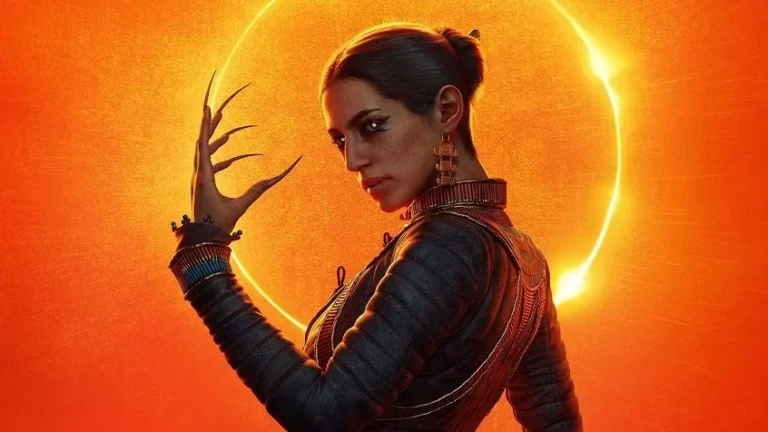
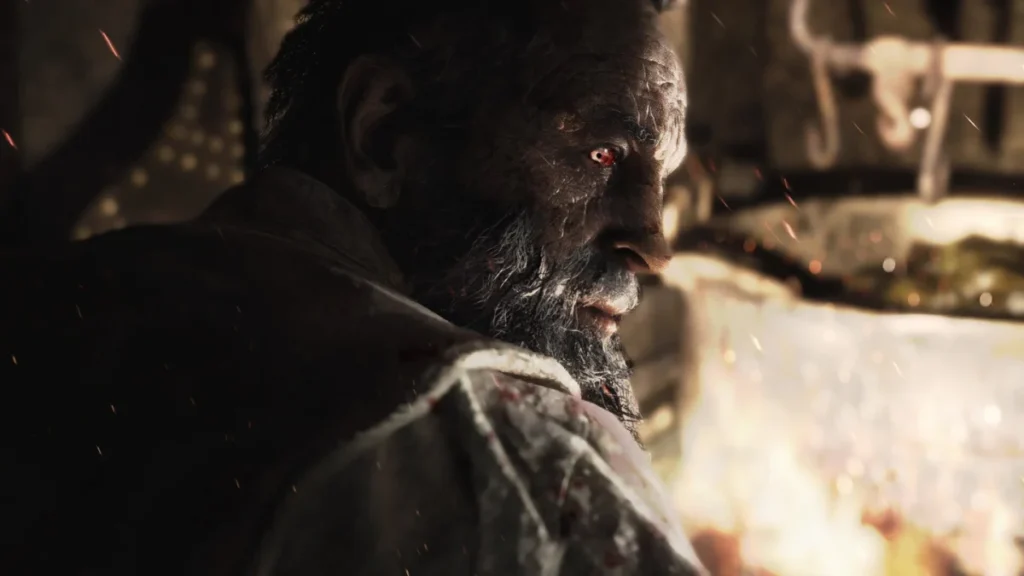
The revival of Capcom’s Onimusha franchise with the demo release of Onimusha: Way of the Sword has met with a more cautious reception from the technical community. Following its "shadow-drop" during the Summer Game Fest and subsequent availability during Steam Next Fest, the demo has provided a first look at how the RE Engine handles the franchise’s signature samurai-action gameplay.
Initial assessments on the PC platform have raised concerns regarding the game’s animation philosophy and technical optimization. Correspondents have reported that the demo, which offers approximately 45 minutes of gameplay, exhibits a lack of precision in its combat mechanics. A primary criticism involves the use of "flourished" or "belaboured" animations that appear to prioritize visual spectacle over player agency. This design choice has led to observations that the game occasionally feels as though it is "playing itself," with inputs becoming lost in extended animation cycles.
Furthermore, technical analysis of the RE Engine’s implementation in Way of the Sword reveals ongoing struggles with High Dynamic Range (HDR) output. Similar to recent entries in the Resident Evil and Street Fighter series, HDR in the Onimusha demo has been described as "uneven," a persistent issue for Capcom’s proprietary engine on PC hardware. While the mechanical density of the combat system shows promise, the low difficulty level of the demo has made it difficult for players to fully engage with the game’s deeper nuances. The industry now looks to the final release to see if Capcom will address these concerns by refining input latency and increasing enemy aggression.
Chronology of Recent Events and Industry Context
The current gaming landscape has been shaped by a rapid succession of showcases and digital events. The following timeline outlines the key milestones leading to the current state of these titles:

- June 2024 (Early): Summer Game Fest serves as the launchpad for several "shadow-drop" demos, including Mortal Shell 2 and Onimusha: Way of the Sword.
- June 10-17, 2024: Steam Next Fest provides a platform for BioEden to reach a wider audience, allowing for critical feedback on its complex ecological systems.
- June 15, 2024: Reports of save file corruption in Split Fiction begin to circulate on community forums, highlighting a critical patch requirement for the Xbox Series X version.
- June 20, 2024: Critical reviews of Split Fiction confirm the game’s narrative success, overshadowing technical complaints and driving renewed interest in co-op innovation.
This period reflects a broader industry shift toward "demo-led" marketing, where playable vertical slices are used to gauge consumer interest and gather technical data before a full commercial launch. This strategy is particularly vital for titles like BioEden and Onimusha, which rely on specific mechanical "feel" to succeed in crowded markets.
Broader Impact and Market Implications
The reception of these three distinct titles underscores several emerging trends in the global gaming market. First, the success of Split Fiction despite its technical hurdles suggests that there is a high demand for narrative-heavy, cooperative experiences that offer more than traditional "shoot-and-loot" mechanics. The industry is seeing a "post-It Takes Two" era where developers are emboldened to experiment with how two players interact with a shared digital world.
Second, the "Eco-Sim" movement, exemplified by BioEden, aligns with a global increase in environmental consciousness. By gamifying ecological restoration rather than resource exploitation, developers are tapping into a demographic that values "wholesome" yet intellectually stimulating content. The challenge for these developers remains the balance between scientific accuracy (or "fussy" mechanics) and accessible gameplay.
Finally, the technical scrutiny of Onimusha: Way of the Sword highlights the increasing expectations of the PC gaming community. As publishers like Capcom continue to utilize proprietary engines across multiple genres, the pressure to deliver "pixel-perfect" performance and robust HDR support becomes paramount. The transition of Onimusha from a fixed-camera action game of the early 2000s to a modern RE Engine title is a significant undertaking that reflects the industry’s broader reliance on established intellectual property to mitigate financial risk.
In conclusion, while the current week in gaming has been marked by a mix of narrative triumphs and technical critiques, the underlying data points to a healthy, diversifying industry. Whether through the mind-bending conclusions of Split Fiction, the intricate biomes of BioEden, or the technical evolution of Onimusha, developers are continuing to push the boundaries of what is possible within the medium, provided they can overcome the increasingly complex hurdles of modern software stability.