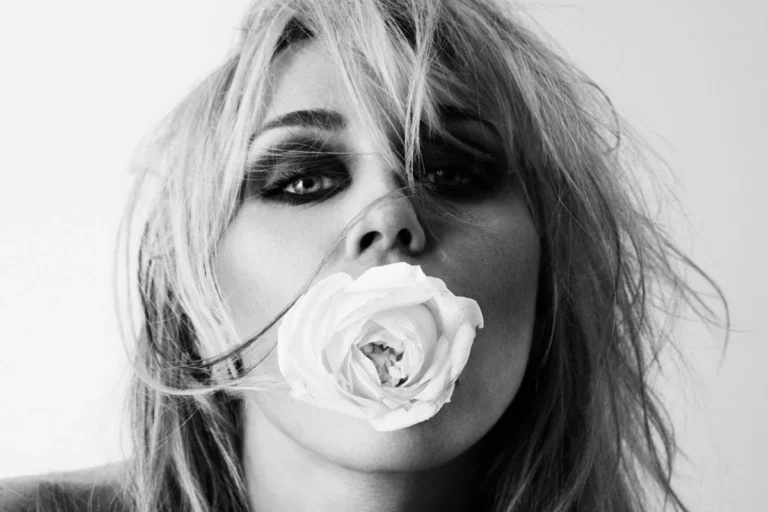


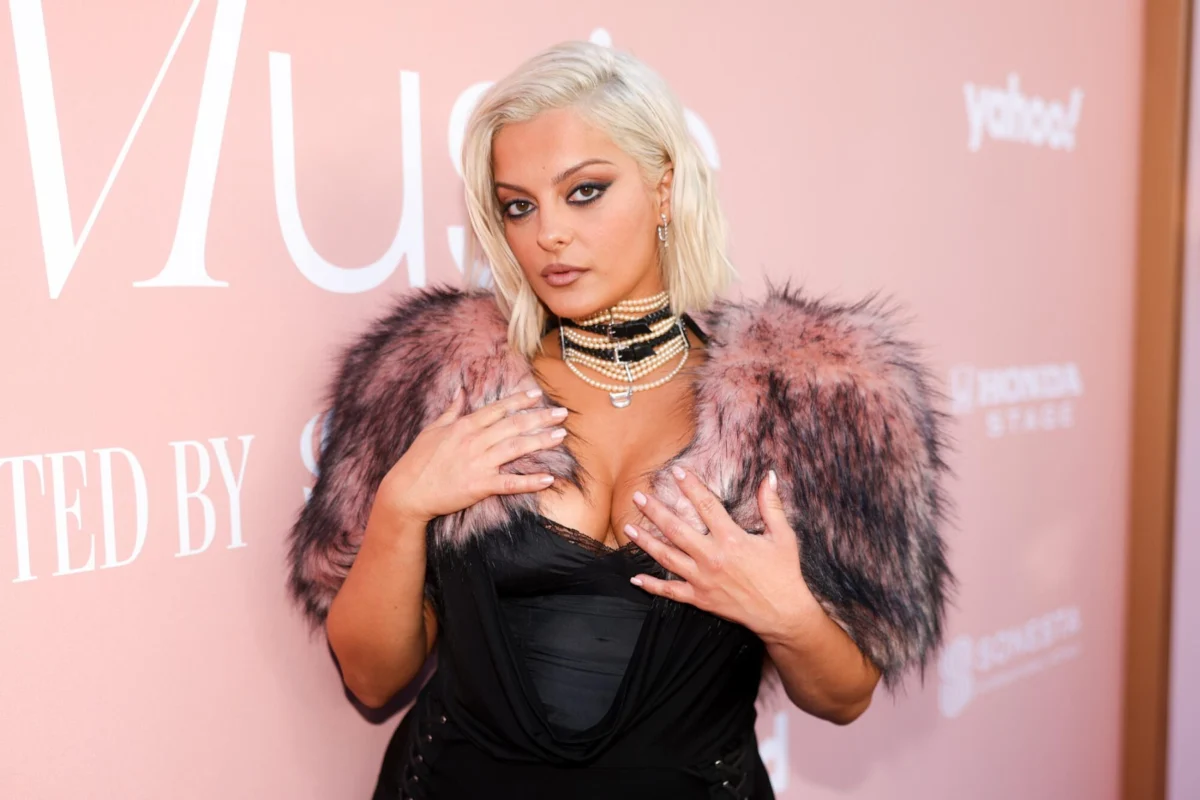
Los Angeles, CA – In an era often characterized by social media-driven comparisons and manufactured rivalries, singer-songwriter Bebe Rexha is actively pushing back against the notion of pitting female artists against one another. Her recent public stance, which saw her gracefully deflect a social media user’s attempt to frame her commercial success in opposition to Olivia Rodrigo’s, highlights a broader, ongoing conversation about the pressures faced by women in the music industry. This incident, occurring in the wake of the highly anticipated release of Rexha’s latest album, Dirty Blonde, and the tragic passing of artist Oliver Tree, underscores Rexha’s commitment to fostering a more collaborative and supportive environment for her female peers.
The exchange that brought Rexha’s perspective into sharp focus began innocuously enough. Rexha took to social media to share a heartfelt tribute to the late Oliver Tree, revealing a personal connection that extended beyond their shared profession. She disclosed that they had collaborated on a song intended for her new album, Dirty Blonde, a track that ultimately did not make the final cut. Her post expressed profound sadness and shock at Tree’s untimely death, recalling his intelligence, passion, talent, and kindness. "I’m in shock," Rexha wrote. "I was in the middle of my CD signing in NYC when I found the news of Oliver Tree. I can’t believe it. We recorded a record together to be on Dirty Blonde. He was so smart. Passionate. Talented. Kind. I’m so sad. May he rest in peace."
However, the somber reflection soon took a turn when a social media user interjected with a comment designed to provoke: "Olivia outsold u btw." This statement, a common trope in online fan culture, aims to diminish one artist’s achievements by highlighting another’s perceived superior commercial performance. The timing was particularly pointed, as Olivia Rodrigo’s third studio album, You Seem Pretty Sad for a Girl So in Love, had recently debuted at the No. 1 position on the Billboard 200 chart, simultaneously breaking multiple streaming records.
Rather than engaging in a defensive or combative manner, Bebe Rexha responded with a message of solidarity and encouragement. Her reply directly addressed the underlying sentiment of competition, stating, "I’m actually happy for her. No need to put women against each other. Stream DIRTY BLONDE for women empowerment. Livies X Rexhars." This response not only diffused the potential for negativity but also actively promoted her own work while extending an olive branch to Rodrigo’s fanbase.
A History of Speaking Out
Rexha’s vocal stance against industry-manufactured rivalries is not an isolated incident. The artist has a documented history of being outspoken about the challenges and pressures women face in the music business. Last year, she publicly voiced her frustrations regarding her experience with former collaborator G-Eazy, with whom she achieved significant success on their 2015 hit "Me, Myself & I." In a since-deleted social media post, Rexha expressed feelings of being "undermined" and "silenced" by the industry. She articulated a growing frustration with what she perceived as a pattern of being punished for speaking her truth, hinting at a desire to expose more of her experiences. "I have been UNDERMINED. I’ve been so quiet for the longest time," she wrote. "I haven’t seen the signs even though people constantly are bringing them up and they have been SO OBVIOUS. And when I have spoken up I’ve been silence and PUNISHED by this industry Things must change or I’m telling ALL of my truths. The good the bad and the ugly." The subsequent removal of the post, attributed to a team member’s intervention, underscored the delicate balance artists often navigate when publicly addressing industry dynamics.
The Broader Context: Industry Pressures on Female Artists
Rexha’s actions and statements are situated within a larger, systemic issue within the music industry. Historically, female artists have often been positioned as rivals, their careers framed through a lens of competition for limited space and attention. This narrative is frequently amplified by media outlets and fan bases alike, creating an environment where success is measured by who "outsells" or "outperforms" another. This dynamic can be particularly detrimental, diverting energy and focus from artistic collaboration and mutual support.

Data from industry analysis often reveals disparities in how male and female artists are promoted and perceived. While specific comparative data for Rexha and Rodrigo’s recent commercial performances is extensive, the general trend of intense scrutiny and comparison among female pop stars is well-documented. For instance, research has indicated that female artists often face greater scrutiny regarding their appearance, personal lives, and perceived "likability" compared to their male counterparts. This constant pressure can impact mental health and artistic freedom.
The recent Billboard Women in Music 2026 event, held at the Hollywood Palladium on April 29, 2026, served as a platform to celebrate the achievements of women in the industry. Bebe Rexha’s presence at such events and her public commentary align with the broader mission of recognizing and uplifting female talent, moving beyond superficial metrics of success.
Analyzing the Implications: Fostering a New Era of Collaboration
Rexha’s deliberate rejection of the "rival" narrative carries significant implications for the music industry and its artists. By choosing to express happiness for a peer’s success and actively promoting a message of "women empowerment," she models a different approach to professional relationships. This stance encourages a paradigm shift from competition to collaboration, where artists can support each other’s journeys without feeling threatened.
The positive reception to Rexha’s comment from fans suggests a growing desire among audiences for more authentic and supportive narratives surrounding female artists. The "Livies" (Rodrigo’s fans) and "Rexhars" (Rexha’s fans) uniting under a banner of mutual respect signifies a potential evolution in fan culture, moving away from toxic comparisons and towards appreciation for diverse artistic contributions.
Furthermore, Rexha’s emphasis on her album Dirty Blonde as a vehicle for "women empowerment" frames her music not just as personal expression but as a contribution to a larger movement. This strategic positioning can resonate with listeners who are increasingly conscious of social and cultural messages embedded in popular music.
Looking Ahead: A Future of Support and Solidarity
As Bebe Rexha continues to navigate her career, her commitment to challenging industry norms and championing her female peers remains a defining characteristic. Her recent actions serve as a powerful reminder that true success in the music industry can be measured not only by chart positions and sales figures but also by the strength of the community built and the support extended to one another. In an industry that has historically emphasized individual stardom and competition, Rexha’s advocacy for solidarity offers a hopeful vision for a more inclusive and empowering future for all women in music. Her proactive approach suggests a conscious effort to contribute to a cultural shift, where the success of one woman is seen as a victory for all, rather than a zero-sum game.