


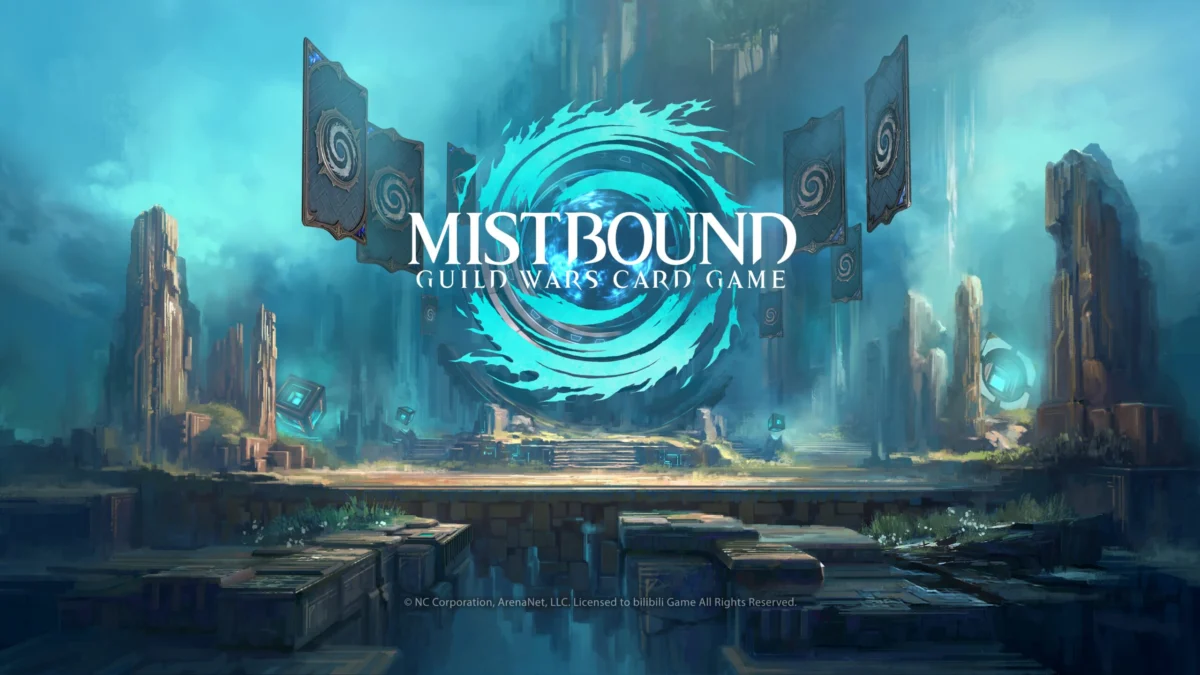
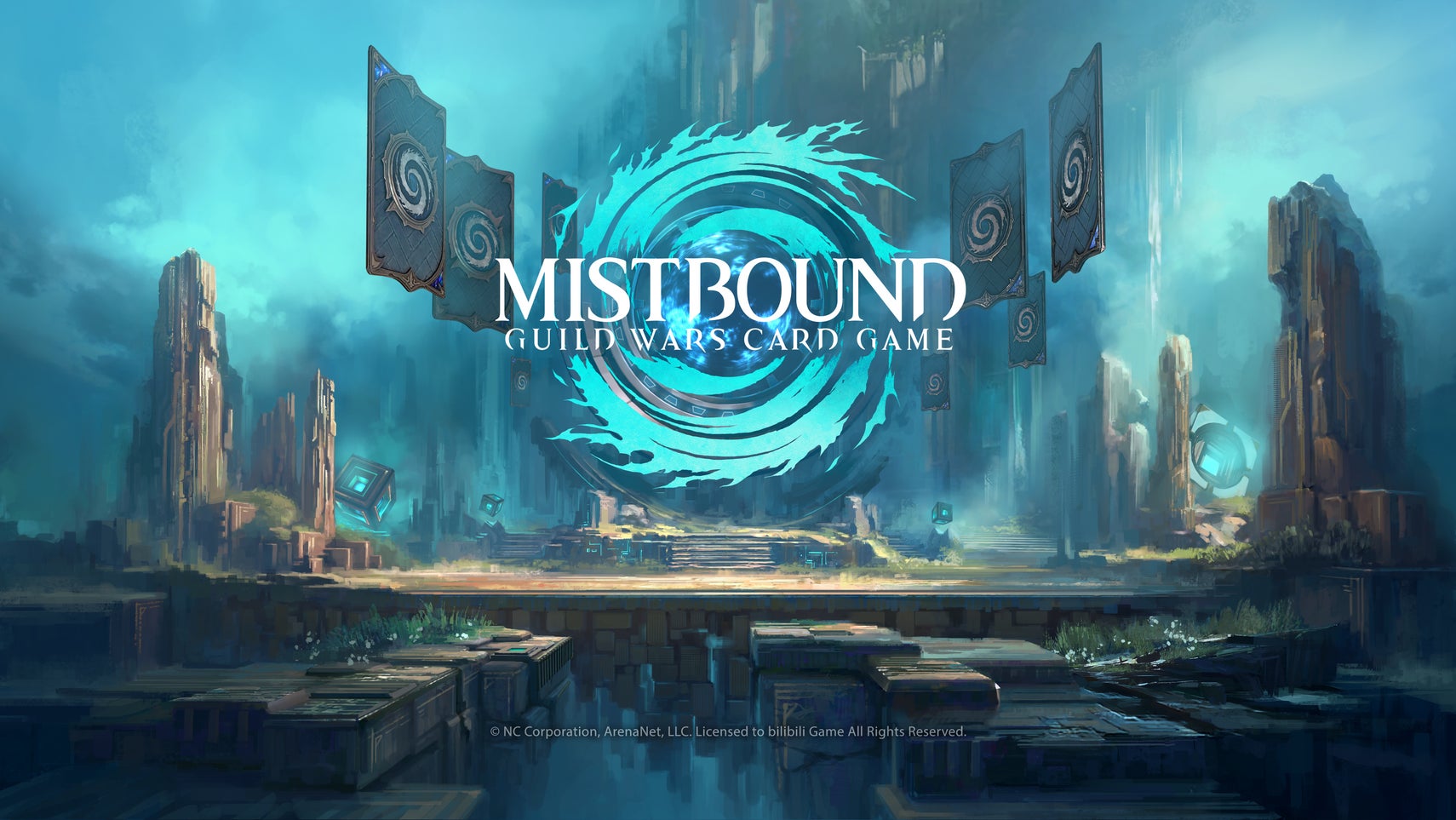
Mistbound: Guild Wars Card Game has been officially announced, marking the first significant expansion of the acclaimed Guild Wars intellectual property into the competitive collectible card game (CCG) market. Developed through a strategic collaboration between original series creator ArenaNet, South Korean gaming giant NC (formerly NCSoft), and the prominent Chinese multimedia platform Bilibili, the title represents a major shift in how the franchise reaches global audiences. Designed as a free-to-play experience for both PC and mobile platforms, Mistbound aims to translate the complex lore and mechanical depth of the Tyrian universe into a tactical, turn-based format that emphasizes spatial positioning and character-driven strategy.
The announcement comes at a pivotal moment for the Guild Wars franchise. Following the recent confirmation of Guild Wars 3 during the Summer Game Fest, ArenaNet appears to be aggressively diversifying its portfolio to maintain brand relevance across multiple gaming sectors. Mistbound is not merely a digital adaptation of existing mechanics but a bespoke title designed to bridge the gap between the traditional deck-building genre and the high-stakes tactical combat inherent in massively multiplayer online (MMO) experiences.
Technical Mechanics and Tactical Innovation
At the core of Mistbound: Guild Wars Card Game is a departure from the static lane-based combat popularized by genre leaders such as Hearthstone or Magic: The Gathering Arena. Instead, battles in Mistbound take place on a 5×3 grid, introducing a level of environmental awareness rarely seen in digital CCGs. The headline feature, according to the developers, is "multi-directional movement." This allows players to move their cards across the grid during their turn, facilitating advanced maneuvers such as flanking, repositioning for defensive bonuses, and executing knockback attacks to disrupt enemy formations.
Each player selects a Commander to lead their deck, a choice that dictates the overall strategy and available synergies. These Commanders are drawn from the deep well of Guild Wars history, featuring iconic heroes and villains that long-time fans will recognize. In a direct nod to the mechanical roots of the series, each Commander’s gameplay identity is inspired by the "Professions" found in Guild Wars 2. For instance, a Commander based on the Guardian profession may focus on protective boons and area denial, while a Mesmer-inspired leader might utilize illusions and status manipulation to confuse the opponent.
Commanders possess both passive traits that provide constant benefits to the player’s board and active abilities that can be triggered to turn the tide of a match. This two-tier ability system, combined with the movement-heavy grid, suggests a high skill ceiling where victory is determined as much by positioning as it is by the cards drawn.
A Trilateral Corporate Alliance
The development and publication structure of Mistbound is notably complex, involving three distinct entities with varying roles. ArenaNet, the Washington-based studio responsible for the creation of the Guild Wars universe, has licensed the IP and is providing creative oversight to ensure the game remains faithful to the established lore. Development duties have been handed to NC, the Korean powerhouse that has long served as the parent company and publisher for the Guild Wars series. NC’s expertise in mobile development and live-service architecture is expected to be a cornerstone of the game’s technical stability.
The most surprising element of the partnership is the involvement of Bilibili. Often referred to as "the Chinese YouTube," Bilibili has evolved from a niche video-sharing site for anime fans into a massive diversified media conglomerate. While primarily known for streaming and user-generated content, Bilibili has been steadily increasing its footprint in the global gaming market. The company has previously published titles like F.I.S.T.: Forged In Shadow Torch and has a significant stake in the mobile gaming sector in Asia. By handling the publishing for Mistbound, Bilibili is positioning itself as a major player in the Western CCG market, leveraging its massive infrastructure to handle global distribution and community management.
Chronology of the Guild Wars Expansion
To understand the timing of Mistbound, one must look at the broader timeline of the Guild Wars franchise. For over a decade, the series was defined solely by its two primary MMO entries.
- 2005: The original Guild Wars launches, revolutionizing the genre with its "no subscription fee" model.
- 2012: Guild Wars 2 is released, shifting toward a more dynamic, open-world event system.
- 2015–2022: A series of major expansions (Heart of Thorns, Path of Fire, End of Dragons) expands the world of Tyria.
- Early 2024: ArenaNet confirms the development of Guild Wars 3, signaling a long-term commitment to the IP.
- Mid-2024: The reveal of Mistbound: Guild Wars Card Game, signifying the first genre-diversification move in the franchise’s history.
This timeline suggests that Mistbound is intended to serve as a "connective tissue" game—keeping the community engaged and the brand visible during the lengthy development cycle of Guild Wars 3. It also allows ArenaNet to experiment with mobile-first design, a sector where the franchise has historically lacked a presence.
Production Value and Immersion
ArenaNet and NC have emphasized that Mistbound is intended to be a premium experience despite its free-to-play model. The game will feature original voice acting for its cast of Commanders and units, further fleshing out the personalities of the world of Tyria. Perhaps most significantly for fans, the soundtrack will include contributions from composers associated with the original Guild Wars games, ensuring that the auditory atmosphere remains consistent with the MMOs.
The visual style of Mistbound maintains the "painterly" aesthetic that has become a hallmark of Guild Wars 2’s art direction. High-resolution card art and dynamic spell effects are designed to make the 5×3 grid feel like a living battlefield rather than a static board. The developers have stated that the goal is to "bridge the gap" between the narrative depth of an MMO and the quick, session-based gameplay of a mobile card game.

Industry Analysis: The CCG Market and Monetization Risks
The digital CCG market is currently in a state of flux. While Hearthstone remains a dominant force and Marvel Snap has found massive success with its fast-paced, mobile-centric design, other high-profile projects like CD Projekt Red’s Gwent have wound down development. The entry of a Guild Wars-themed card game enters a crowded but lucrative arena.
One of the primary concerns for any free-to-play CCG is the monetization strategy. The genre has often been criticized for "pay-to-win" mechanics, where players who spend more money on card packs have a distinct competitive advantage. ArenaNet has built much of its reputation on a player-friendly monetization model in Guild Wars 2, which avoids subscription fees and focuses on cosmetic microtransactions.
During the Summer Game Fest reveal of Guild Wars 3, ArenaNet executives were quick to reassure fans that the upcoming MMO would avoid predatory monetization. However, it remains to be seen if Mistbound will follow the same philosophy. Given Bilibili’s involvement—a company well-versed in the "Gacha" and "Freemium" models prevalent in Asian markets—industry analysts are watching closely to see how the game balances card acquisition with fair play. The success or failure of Mistbound will likely hinge on whether the "moveable card" mechanic is deep enough to sustain a competitive meta without requiring players to constantly purchase the newest, most powerful cards.
Broader Implications for ArenaNet and NC
The launch of Mistbound represents more than just a new game; it is a test of the Guild Wars brand’s elasticity. For nearly twenty years, Guild Wars has been synonymous with a very specific type of PC-centric MMO. By moving into the mobile CCG space, ArenaNet and NC are attempting to transform Guild Wars into a "lifestyle IP" that exists across multiple devices and genres.
If Mistbound succeeds, it could pave the way for further spin-offs, such as tactical RPGs or narrative-driven adventures set in Tyria. It also strengthens the partnership between Western developers and Eastern publishers, a trend that is becoming increasingly common as the costs of game development and global marketing continue to rise.
Currently, Mistbound: Guild Wars Card Game does not have a confirmed release date, though beta testing phases are expected to be announced in the coming months. The game will support single-player campaigns—allowing players to explore the lore of Tyria at their own pace—as well as robust PvP modes for competitive play. Interested players are encouraged to follow the official Mistbound website and social media channels for updates on registration and hardware requirements. As the CCG landscape continues to evolve, Mistbound’s focus on tactical movement and its deep connection to a beloved RPG world may provide the fresh perspective the genre needs.