Sumerian has officially released the trailer for Horsegirls, a poignant coming-of-age dramedy that delves into the unique world of hobbyhorsing through the eyes of a young autistic woman seeking independence. The film, marking the feature directorial debut of Lauren Meyering, first captivated audiences at the 2025 Tribeca Film Festival and is slated for a limited theatrical release starting July 17, 2026. This indie production promises a heartfelt narrative about self-discovery, resilience, and the power of embracing one’s true self, underscored by a compelling performance from lead actress Lillian Carrier.
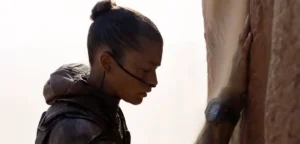
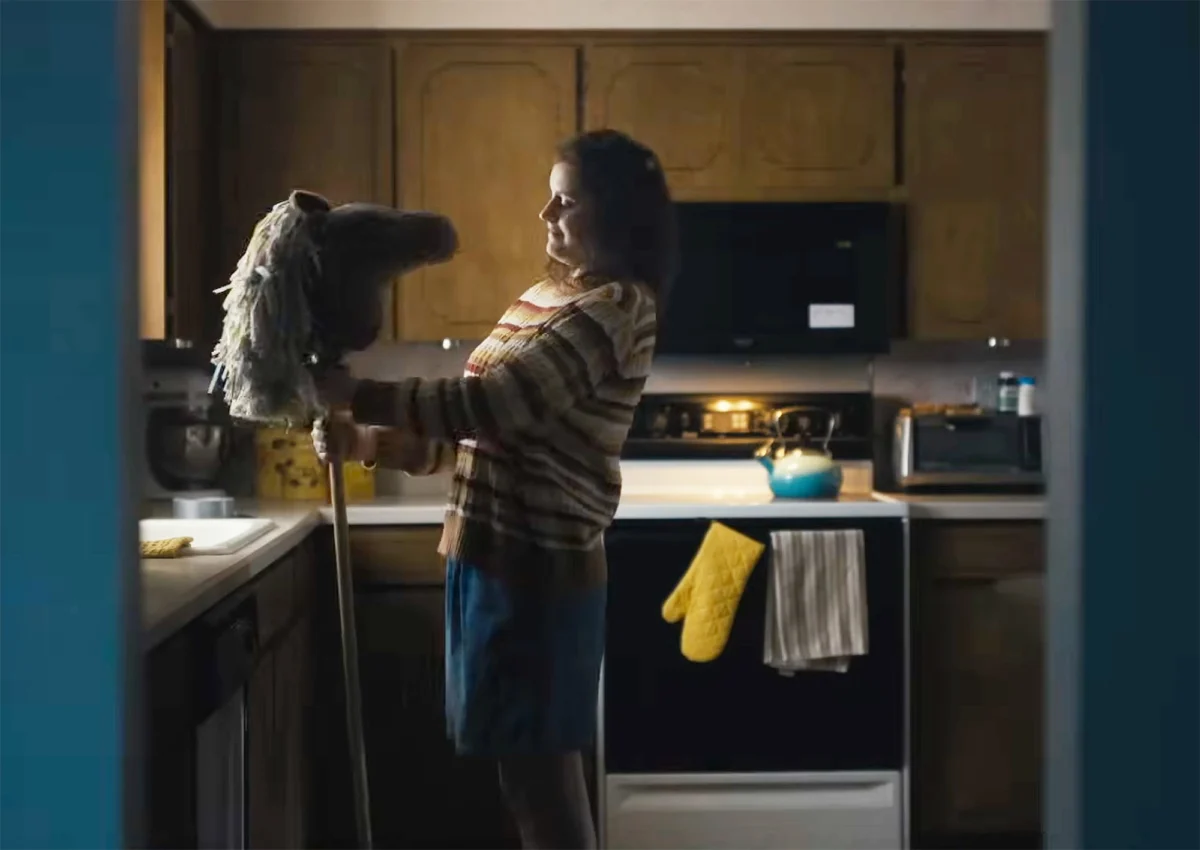
The newly unveiled trailer provides a glimpse into the life of Margarita, a 22-year-old woman with autism, portrayed by Lillian Carrier. Her world is upended by the recurrence of her mother Sandy’s illness, compelling Margarita to navigate the complexities of adulthood and the poignant struggle for independence. In this challenging period, she stumbles upon the vibrant and often misunderstood world of hobbyhorsing—a gymnastic sport involving stick horses. The film’s tagline, "The world is very good at making people feel small. You’re not afraid to be yourself," encapsulates the central theme of self-acceptance and defiance against societal pressures.
A Deep Dive into the Narrative of ‘Horsegirls’
Horsegirls centers on Margarita’s transformative journey. As her mother, Sandy (Gretchen Mol), grapples with an uncertain diagnosis, Margarita is reluctantly pushed towards maturity. Her new job at a Halloween store adds another layer of responsibility, but it is the discovery of a competitive hobby horse dance team that truly ignites her spirit. She immerses herself entirely into training, mimicking equestrian activities like jumping and galloping with a stick horse, finding both an outlet and a burgeoning sense of confidence.
The film meticulously explores the mother-daughter relationship between Margarita and Sandy. Gretchen Mol’s portrayal of Sandy is expected to add depth to the emotional core of the film, showcasing a mother’s concern, love, and eventual encouragement as Margarita embarks on her unique path. The narrative highlights the universal struggle of parents learning to let go and children striving to forge their own identities, amplified by the specific challenges and triumphs associated with autism. Margarita’s coach, played by Jerrod Haynes, along with supporting cast members Tony Hale, Matthew Schwab, and Iqbal Theba, contribute to a rich tapestry of characters who collectively encourage Margarita’s growth and burgeoning independence. The story, based on a concept by Mackenzie Breeden, is crafted to resonate with audiences through its honest depiction of personal growth and the pursuit of joy in unexpected places.

Hobbyhorsing: The Unconventional Sport at the Heart of the Film
At the core of Horsegirls is the fascinating and increasingly popular sport of hobbyhorsing. Often met with curiosity or even skepticism, hobbyhorsing is a legitimate athletic pursuit, particularly popular among young women, that originated and flourished in Finland. Participants ride elaborately crafted stick horses, simulating the movements and disciplines of equestrian sports such as dressage and show jumping. These "riders" execute complex routines, leaps, and gaits, demonstrating remarkable athleticism, coordination, and creativity.
The global recognition of hobbyhorsing significantly expanded following Selma Vilhunen’s 2017 documentary, Hobbyhorse Revolution (Keppihevosten vallankumous). This documentary offered an intimate look into the vibrant Finnish hobbyhorse community, dispelling misconceptions and showcasing the dedication, passion, and camaraderie of its participants. It revealed hobbyhorsing not merely as a children’s pastime, but as a serious sport providing physical activity, artistic expression, and a strong sense of belonging for many, especially teenagers. For individuals who may not have access to real horses or traditional equestrian sports, hobbyhorsing offers an accessible and imaginative alternative that fosters skill development, self-confidence, and social connections. Horsegirls is poised to further elevate the sport’s profile, bringing its unique appeal to a wider cinematic audience and challenging preconceived notions about what constitutes a "sport" or a "hobby."
Lauren Meyering’s Vision: A Notable Feature Debut
Horsegirls marks a significant milestone for American indie filmmaker Lauren Meyering, serving as her inaugural feature film as a director. Meyering has a background in crafting various short films and the "Max and Mandy" series, demonstrating her developing storytelling prowess. Transitioning from shorts to a feature-length narrative is a common yet challenging progression for emerging directors, requiring a deeper sustained vision and more extensive management of production elements.
Her decision to tackle a story like Horsegirls, which combines a sensitive portrayal of neurodiversity with an unconventional sport, reflects a bold and distinctive artistic choice. The film’s early premiere at the prestigious Tribeca Film Festival in 2025 speaks to the quality of her direction and the compelling nature of the story she brings to the screen. The script, co-written with Mackenzie Breeden, appears to strike a delicate balance between humor and drama, a hallmark of effective coming-of-age narratives. Meyering’s direction, combined with the efforts of producers Alix Madigan and Michael Sherman, aims to deliver a film that is both entertaining and thought-provoking, firmly establishing her presence in the independent film landscape.

Casting and Authentic Representation
The casting of Lillian Carrier as Margarita is particularly noteworthy. While the original synopsis highlights her performance as "revelatory," it also implicitly suggests a commitment to authentic representation. In contemporary cinema, there is a growing and crucial demand for neurodivergent characters to be portrayed by neurodivergent actors, whenever possible, to ensure accuracy, depth, and genuine lived experience. If Carrier herself is on the autism spectrum, her portrayal would add an invaluable layer of authenticity to Margarita’s character, moving beyond stereotypes and offering a nuanced, empathetic perspective. This approach not only enriches the performance but also provides significant opportunities for audiences to connect more deeply with the character and for autistic individuals to see themselves reflected truthfully on screen.
Gretchen Mol, a seasoned actress known for her diverse roles across film and television, brings considerable gravitas to the role of Sandy, Margarita’s mother. Her experience in projects ranging from Rounders to Boardwalk Empire demonstrates her capability to embody complex characters, making her an ideal choice to portray a mother grappling with illness while supporting her daughter’s journey. The ensemble cast, including the comedic talents of Tony Hale, further enhances the film’s potential to deliver both poignant drama and lighter, amusing moments, contributing to its overall appeal as a dramedy.
The Independent Film Landscape and Festival Circuit
The journey of Horsegirls from its Tribeca Film Festival premiere to its upcoming limited theatrical release illustrates the typical trajectory for many independent films. Film festivals like Tribeca serve as critical platforms for indie features, offering them a launchpad for visibility, critical acclaim, and securing distribution deals. A successful festival run can significantly influence a film’s future, attracting distributors, generating buzz, and potentially leading to broader theatrical or streaming releases.
Sumerian, the distributor for Horsegirls, plays a vital role in bringing such unique narratives to audiences. Independent distributors often specialize in championing films that might not fit the mold of mainstream studio productions but possess significant artistic merit and cultural relevance. The decision for a limited theatrical release starting July 17, 2026, is a common strategy for independent films. This approach allows the film to build momentum through word-of-mouth and targeted screenings, often in major urban centers or arthouse cinemas, before potentially expanding to wider release patterns, including video-on-demand (VOD) and streaming platforms. This staggered release model is crucial for niche films to find their audience without the extensive marketing budgets of major blockbusters.

Broader Implications and Cultural Resonance
Horsegirls touches upon several significant cultural and societal themes that extend beyond its immediate narrative:
- Neurodiversity Representation: The film’s focus on an autistic protagonist is a critical step forward in diversifying cinematic representation. By presenting Margarita as a multifaceted individual pursuing her passions, the film contributes to a more nuanced understanding of autism, challenging outdated stereotypes and promoting empathy. It highlights the importance of inclusive narratives that celebrate different ways of experiencing and interacting with the world.
- The Therapeutic Power of Hobbies: Hobbyhorsing, as depicted in the film, serves as a powerful metaphor for finding purpose and joy in unconventional activities. For individuals facing personal challenges, whether related to health, identity, or social integration, engaging in a passionate hobby can offer immense therapeutic benefits—reducing stress, building confidence, fostering social connections, and providing a sense of achievement. The film champions the idea that self-expression can take many forms and that there is strength in pursuing what truly resonates with one’s spirit, regardless of societal norms.
- Empowerment and Individuality: Margarita’s journey is a testament to the power of individuality and the courage it takes to be oneself. In a world that often pressures individuals to conform, the film’s message—"You’re not afraid to be yourself"—is a potent reminder of the importance of self-acceptance and embracing one’s unique qualities. This theme resonates broadly, inspiring viewers to find their own paths and celebrate their distinct identities.
- Community and Belonging: The hobbyhorsing community, as portrayed, offers Margarita a space of acceptance and belonging. For many, niche communities centered around shared passions provide invaluable support networks and a sense of collective identity. The film subtly underscores the human need for connection and how these communities can be instrumental in personal growth and well-being.
Chronology and Anticipation
The journey of Horsegirls has been steadily unfolding:
- 2017: The documentary Hobbyhorse Revolution brings global attention to the sport of hobbyhorsing, setting a cultural foundation for films like Horsegirls.
- Summer 2025: Horsegirls makes its world premiere at the Tribeca Film Festival, garnering initial critical attention and paving the way for distribution.
- June 2, 2026: Sumerian releases the official trailer, generating public anticipation and providing the first extensive look at the film’s narrative and aesthetic.
- July 17, 2026: The film begins its limited theatrical run in the United States, allowing audiences to experience Margarita’s inspiring story on the big screen.
As the release date approaches, Horsegirls stands as a promising entry into the independent film circuit. Its blend of a unique subject matter, sensitive character portrayal, and universal themes of self-discovery and resilience positions it as a film that could resonate deeply with a diverse audience. The trailer suggests a heartwarming, amusing, and ultimately empowering story about finding one’s place in the world, one stick horse gallop at a time. Viewers intrigued by compelling narratives, authentic representation, and the celebration of unconventional passions are encouraged to seek out this film upon its release.