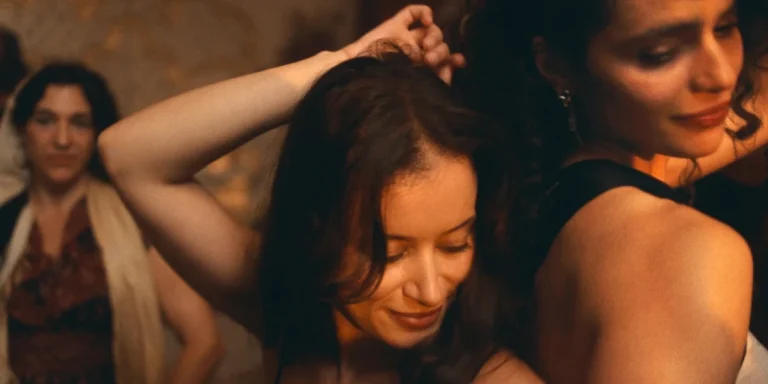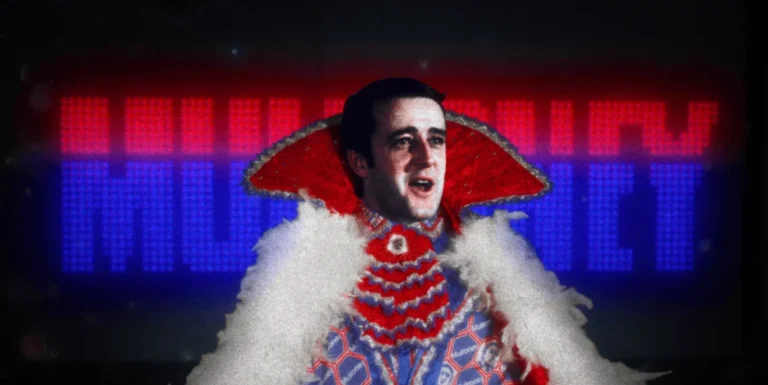


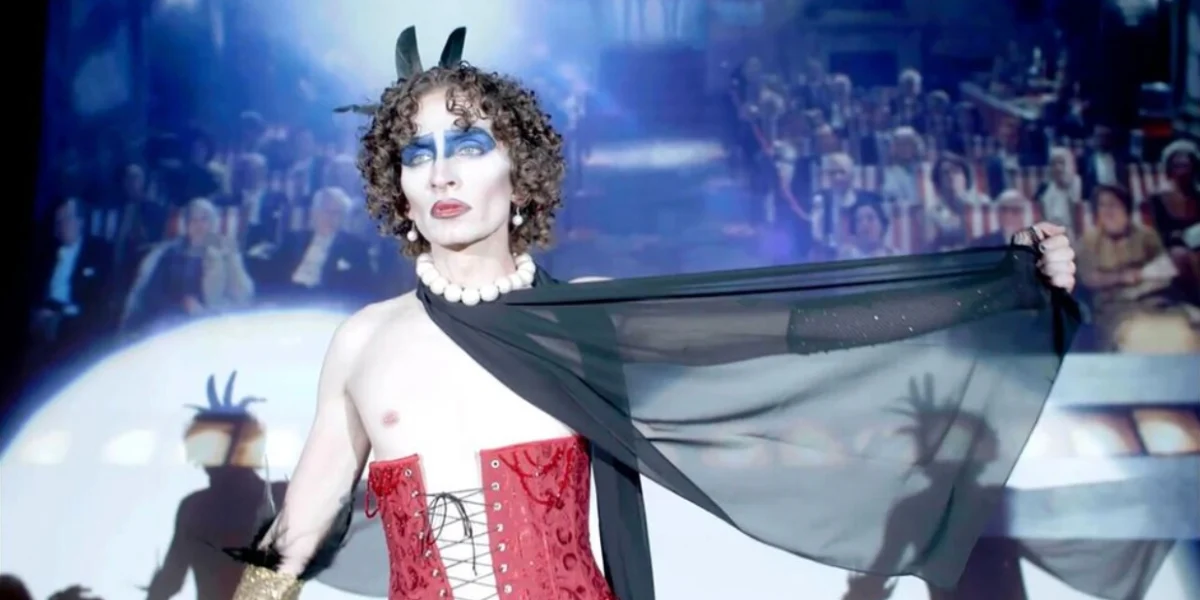
Fifty years after its electrifying premiere, "The Rocky Horror Picture Show" continues to resonate as a powerful force for cultural subversion and self-expression. In the heart of Rock Springs, Wyoming, a town with a rich mining past and a deeply conservative present, a determined drag theater company is breathing new life into this cult classic. The Starling Company, led by the charismatic 25-year-old performer Kenny Starling, is staging a shadow cast production of "The Rocky Horror Picture Show," a bold endeavor that shines a spotlight on the ongoing struggle for queer visibility and acceptance in a community often perceived as resistant to change. This initiative, captured in the documentary "Time Warp," directed by Allison Berg and co-written by Berg and Frank Keraudren, transcends mere theatrical performance, emerging as a potent symbol of resilience and a catalyst for dialogue in a region where such artistic expression is rare.
The genesis of this production can be traced to Kenny Starling’s personal journey. Having moved to Rock Springs from South Carolina, Starling recognized a void in the town’s cultural landscape, particularly concerning LGBTQ+ representation. The establishment of The Starling Company was a direct response to this perceived need. The company’s inaugural production, the shadow cast of "The Rocky Horror Picture Show," undertaken in 2022, marked a significant cultural moment for Rock Springs. This decision was not without its inherent challenges, particularly given Rock Springs’ socio-political climate. Wyoming has consistently voted Republican in presidential elections since 1964, indicating a prevailing conservative ideology. In such an environment, a production as inherently transgressive and celebratory of gender fluidity and sexual liberation as "Rocky Horror" is not merely an artistic choice but a political act.
The Genesis of a Subversive Spectacle
The documentary "Time Warp" delves into the meticulous and often arduous process of bringing this shadow cast to life. Clocking in at 113 minutes, the film provides an intimate look at the rehearsal stages, the logistical hurdles, and the community’s reactions to this unprecedented event. The ensemble cast, a diverse group including Kaley Sikora, Gabriel Garcia, Dejanae Westbrook, Tim Robinson, Devin Manfull, Valerie McCoy, Tasha Seppie, Hana Tanaka, and Em O’Lexey, each brings their unique experiences and motivations to the project. Many of these performers identify as queer, and for them, the opportunity to engage with "The Rocky Horror Picture Show" is an act of profound affirmation and catharsis. The film captures their anxieties, their hopes, and the sheer joy derived from contributing to a production that validates their identities in a space that may not always be welcoming.
One particularly poignant narrative thread involves a young woman who had previously abandoned acting due to being typecast in stereotypical roles for Black performers. Her involvement in the "Rocky Horror" shadow cast rekindles her passion for performance, demonstrating the show’s power to liberate artists from restrictive expectations. Another compelling segment features a performer sharing their journey with their mother, who introduced them to "The Rocky Horror Picture Show" at a remarkably young age – a testament to the film’s enduring intergenerational appeal and its ability to foster open family dialogues. Even a heterosexual city council member is cast in the role of Rocky, the film’s most scantily clad character, illustrating the production’s capacity to challenge preconceived notions and encourage individuals to step outside their comfort zones.
Kenny Starling emerges as a central, inspiring figure. Their unyielding bravery in promoting the show throughout Rock Springs, speaking openly about its significance without hesitation, is a powerful demonstration of leadership. The documentary highlights unique aspects of this particular production that might be absent in larger, more established shadow casts. For instance, the use of a cast member’s personal motorcycle adds a tangible, community-driven element that underscores the resourcefulness and dedication of the troupe.
Navigating a Conservative Landscape
Director Allison Berg does not shy away from the inherent difficulties of staging "The Rocky Horror Picture Show" in a town like Rock Springs. The film acknowledges the controversies and potential pushback the production might attract. However, rather than dwelling on conflict, Berg frames these challenges as opportunities for positive change and dialogue. A particularly striking sequence features an interview with an outspoken MAGA veteran. What begins as an uncomfortable and potentially aggressive exchange unexpectedly transforms into a touching moment, highlighting the profound impact of open-minded conversation and the potential for art to bridge ideological divides. This encounter suggests that art, even art as unconventional as "Rocky Horror," can serve as a powerful tool for fostering empathy and understanding in polarized communities.
The Starling Company’s production, while undoubtedly humble in its execution, possesses a grand and indomitable spirit. The documentary captures the familiar rhythms of theatrical practice – the pre-show warm-ups, the collaborative efforts, the backstage camaraderie. A scene depicting the cast participating in a "pass the heartbeat" exercise, a common grounding technique in theater where performers hold hands in a circle and pass a squeeze, resonates with particular poignancy. In the context of Rock Springs, this simple ritual takes on amplified significance. The cast’s intention to focus, connect, and momentarily block out the outside world is a more potent act of self-preservation and community building when performed against a backdrop of potential societal disapproval. This shared intention underscores the deeper meaning of communal artistic endeavors, particularly for marginalized groups.
Rock Springs: A Town in Transition
Rock Springs, historically a vital hub for coal mining, is characterized by its residents as a town with an unyielding spirit. This tenacity is mirrored in the enduring spirit of the queer community, which, as "Time Warp" illustrates, refuses to be extinguished by narrow-mindedness. The documentary’s title, "Time Warp," aptly reflects the town’s historical voting patterns, which suggest a societal inertia. Yet, within this seemingly static environment, the film uncovers a vibrant core of individuals who are passionately forward-thinking. The production of "The Rocky Horror Picture Show" by The Starling Company is more than just a theatrical event; it is a declaration of presence, a celebration of identity, and a testament to the transformative power of art.
The implications of this endeavor extend beyond the immediate community. In an era where discussions around LGBTQ+ rights and visibility remain contentious in many parts of the United States, the success of The Starling Company’s "Rocky Horror" shadow cast in Rock Springs offers a compelling case study. It demonstrates that even in politically conservative areas, pockets of progress and acceptance can be cultivated through dedicated artistic expression and courageous advocacy. The film serves as an empowering narrative, showcasing how art can unite people in exuberant celebration and, perhaps more importantly, subtly shift perspectives, opening minds to the full, beautiful spectrum of human creativity and existence. The ripple effect of such initiatives can inspire similar movements in other underserved communities, fostering a broader cultural shift towards inclusivity and acceptance. The enduring legacy of "The Rocky Horror Picture Show" is not merely its campy charm or its musical numbers, but its capacity to serve as a beacon for those seeking to express themselves authentically, regardless of their geographical location or the prevailing social climate. The 113-minute runtime of the film is a fitting reflection of the significant time and effort invested by the cast and crew, mirroring the long-standing cultural impact of the original film itself.