

Nintendo’s latest fiscal disclosure has provided a comprehensive look at the company’s current market position, revealing a complex landscape of hardware transitions and the continued dominance of its most valuable intellectual property. The financial report confirms that the Nintendo Switch 2 has achieved nearly 20 million units in sales during its inaugural year, a figure that underscores the high demand for the successor console. However, the report also indicates a strategic shift in Nintendo’s pricing model, suggesting that the company may need to increase hardware prices to meet its long-term financial projections. Amidst these hardware-centric updates, the Pokémon franchise has once again proven to be a cornerstone of Nintendo’s commercial success, with both classic ports and experimental new titles exceeding market expectations.
The Resurgence of the Kanto Region: FireRed and LeafGreen Sales Data
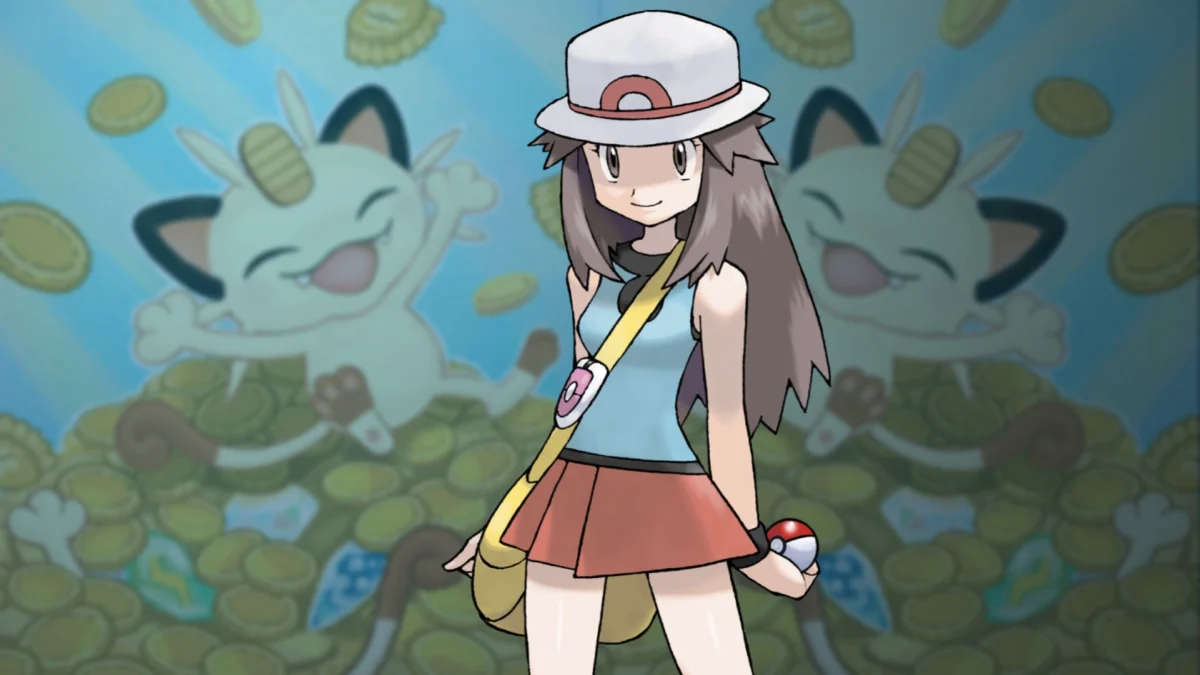
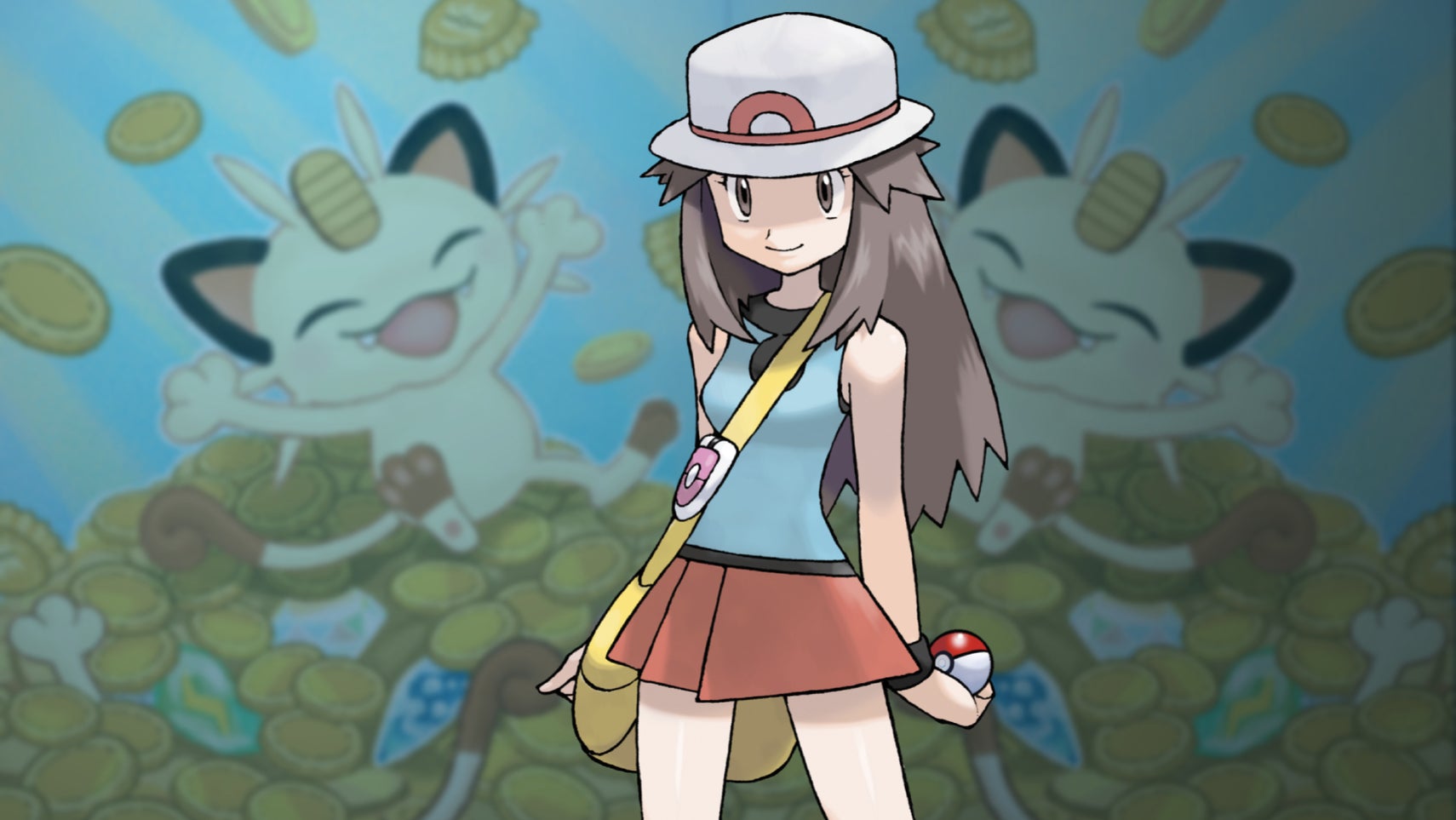
One of the most striking revelations in the report is the performance of the digital re-releases of Pokémon FireRed and Pokémon LeafGreen. According to Nintendo’s official figures, these titles—originally released for the Game Boy Advance (GBA) in 2004—have sold a combined 4 million copies globally within the first six weeks of their availability on the current hardware ecosystem. This figure includes sales across all major international territories, signaling a robust appetite for legacy content among both veteran players and a new generation of fans.
To put these numbers into a historical context, the original Game Boy Advance versions of FireRed and LeafGreen have lifetime sales estimated at approximately 12 million units. Achieving a third of that total in just six weeks for what are essentially legacy ports is a significant feat. This performance is particularly notable given the age of the underlying software. The titles are nearly 22 years old, yet they continue to command a significant market share, reinforcing the "evergreen" nature of the Pokémon brand.
Pricing Strategy and the Nintendo Switch Online Ecosystem
The commercial success of FireRed and LeafGreen has occurred despite considerable debate regarding Nintendo’s distribution strategy. Unlike many other legacy titles from the NES, SNES, and GBA eras, which are bundled into the Nintendo Switch Online (NSO) subscription service, FireRed and LeafGreen were released as standalone digital purchases. Priced at £16.99 in the United Kingdom and $19.99 in the United States, the games represent a departure from the "all-you-can-play" model that many consumers have come to expect for retro content.
Industry analysts have pointed out that the file sizes for these games are remarkably small by modern standards, with the ports weighing in at approximately 33.4MB. This led to criticism from some segments of the gaming community who argued that the price tag was disproportionate to the technical effort required for the port. However, the 4 million units sold suggest that a large portion of the consumer base views the value of the Pokémon IP as independent of file size or technical complexity. The decision to keep these titles outside of the NSO library appears to have been a calculated financial move by Nintendo to maximize direct revenue from one of its most bankable sub-series.
Technical Modifications and the Profanity Filter Controversy
The transition of FireRed and LeafGreen to modern hardware was not a purely aesthetic endeavor. Nintendo and The Pokémon Company implemented several technical updates to ensure the games remained compatible with the modern Pokémon ecosystem. This includes integration with Pokémon Home, the cloud-based storage system that allows players to transfer their captured creatures across different generations of games.
The introduction of the "Champions" feature, a newly launched competitive or social layer for the franchise, necessitated the implementation of a modern profanity filter. This addition sparked controversy among the "purist" community, who noted that the original GBA titles lacked such stringent naming restrictions. Historically, players often gave rival characters or Pokémon humorous or juvenile nicknames, a practice that is now restricted by the automated filter.
Nintendo has defended these changes as a necessary measure for maintaining a safe and consistent online environment, especially as these legacy games now interact with modern global platforms. Furthermore, the re-release included several minor but impactful bug fixes, addressing glitches that had persisted in the original code for over two decades. For many players, these stability improvements and the ability to move classic Pokémon into modern titles outweighed the limitations imposed by the new content filters.
Pokémon Pokopia: A New Frontier on Switch 2
While legacy titles performed well, the report also highlighted the success of Pokémon Pokopia, an experimental departure for the franchise released on the Nintendo Switch 2. Pokémon Pokopia has matched the 4 million unit milestone set by the FireRed and LeafGreen ports, but achieved this feat in just five weeks—one week faster than the GBA remakes.

Pokopia represents a significant shift in how Nintendo and The Pokémon Company approach the IP. Described as a "risky" or "experimental" title, it diverges from the traditional turn-based RPG formula that has defined the series since its inception in the 1990s. The immediate commercial success of this title had a tangible impact on the financial markets; following the game’s first weekend of release, Nintendo’s stock price saw a marked increase, as investors reacted positively to the brand’s ability to innovate without losing its core audience.
The success of Pokopia suggests that the Pokémon audience is receptive to new gameplay styles, provided they maintain the charm and collectible nature of the franchise. This "Pokopia effect" may encourage Nintendo to greenlight more non-traditional Pokémon projects in the future, diversifying the portfolio beyond the standard "two-version" RPG releases.
Hardware Transitions and Economic Pressures
The broader context of these software sales is Nintendo’s transition into the "Switch 2" era. The report confirms that the new hardware is selling at a record pace, with nearly 20 million units moved in the first year. This puts the Switch 2 on a trajectory to potentially rival its predecessor, which is currently one of the best-selling consoles of all time.
However, the global economic climate has presented challenges. Nintendo’s financial leadership indicated in the report that to maintain profit margins and hit ambitious sales projections for the 2026 and 2027 fiscal years, a hardware price increase may be necessary. This would be a rare move for a company that typically attempts to lower hardware costs over time. The necessity of a price hike is likely driven by increased component costs and the more advanced technology integrated into the Switch 2.
The strong performance of high-margin software like the Pokémon ports and Pokopia provides a vital financial cushion as Nintendo navigates these hardware pricing complexities. Software sales traditionally offer higher profit margins than hardware, and the ability to monetize 20-year-old assets like FireRed and LeafGreen is a key component of Nintendo’s long-term fiscal health.

Chronology of Recent Pokémon Milestones
To understand the current surge, it is helpful to look at the timeline of events leading up to this financial report:
- Launch of Switch 2: The console hits the market, reaching nearly 20 million units within 12 months.
- Release of Pokémon Pokopia: An experimental title launches on Switch 2, selling 4 million units in five weeks and boosting Nintendo’s stock.
- FireRed and LeafGreen Digital Re-release: Nintendo opts for a standalone digital launch rather than an NSO inclusion.
- Six-Week Milestone: FireRed and LeafGreen reach 4 million units, roughly one-third of the original GBA lifetime sales.
- Fiscal Report Publication: Nintendo confirms these figures and hints at future hardware pricing adjustments.
Implications for the Future of the Franchise
The data contained in this report has significant implications for the future of the Pokémon series. The high demand for FireRed and LeafGreen—even at a premium price point—suggests that Nintendo may continue to release legacy titles as standalone products. This has fueled speculation regarding potential ports or remakes of Pokémon Black and White, the Generation V titles that remain highly requested by the community.
If Nintendo follows the precedent set by the Kanto ports, fans can likely expect future re-releases of the DS and 3DS era games to appear on the Switch 2 storefront as individual purchases. While some fans may continue to lobby for these titles to be included in the NSO subscription service, the current sales figures provide little incentive for Nintendo to change its "premium port" strategy.
Furthermore, the success of Pokémon Pokopia demonstrates that the "Switch 2" is a viable platform for high-concept, experimental Pokémon games. This may lead to a dual-track development strategy: one focused on preserving and re-releasing the massive back catalog of classic games, and another focused on pushing the boundaries of what a Pokémon game can be.
As Nintendo moves into the next phase of the Switch 2 lifecycle, the Pokémon franchise remains its most reliable economic engine. Whether through the nostalgia of the Kanto region or the innovation of new experimental titles, the brand continues to demonstrate an unparalleled ability to generate revenue and drive hardware adoption, even in a changing and increasingly expensive gaming market.