

John Travolta, a cornerstone of American cinema for over half a century, achieved a significant milestone in his storied career with the 2026 premiere of his feature directorial debut, Propeller One-Way Night Coach. The film, which debuted at the Cannes Film Festival, serves as a poignant, semi-autobiographical exploration of childhood, memory, and the golden age of American aviation. The premiere was marked by a dual celebration: the unveiling of Travolta’s long-gestating project and the presentation of an honorary Palme d’Or to the actor-turned-director by Cannes Festival Director Thierry Frémaux. Following its prestigious festival run, the film transitioned to a global audience via Apple TV+, where it quickly secured the top position among the platform’s most-streamed offerings.
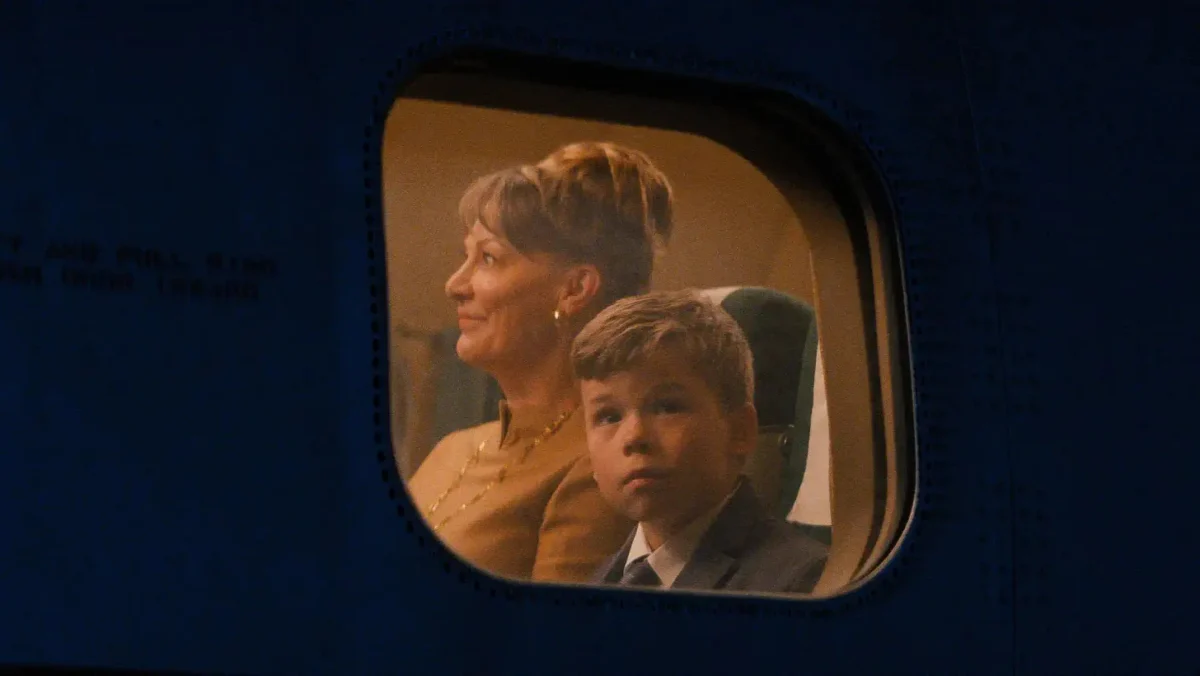
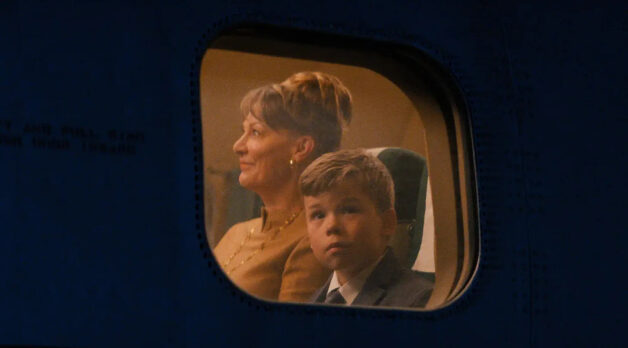
The narrative of Propeller One-Way Night Coach is an adaptation of Travolta’s 1997 novella of the same name. Set in 1962, the 60-minute feature follows a young boy named Jeff, played by newcomer Clark Shotwell, as he embarks on his first commercial flight. The film is less a traditional plot-driven drama and more a sensory-rich "portrait of experience," utilizing a sophisticated internal monologue to capture the specific, unvarnished perspective of a child.
A Decades-Long Creative Journey
The origins of Propeller One-Way Night Coach date back to 1993, when Travolta first penned the story as a private gift for his family. After producing a limited run of 70 copies, the overwhelmingly positive reception from his inner circle prompted him to seek a wider release. In 1997, Warner Books published the novella, which garnered interest from various production houses. However, Travolta remained protective of the material for nearly thirty years, citing the story’s intense subjectivity and personal nature as reasons for his reluctance to hand the project to another director.
In 2024, at the age of 70, Travolta decided to independently finance and produce the film to ensure his specific vision remained uncompromised. This decision to self-fund allowed for a lean, focused production schedule and total creative autonomy over the aesthetic and tonal qualities of the piece. The transition from novella to screen was described by Travolta as an organic process, as the original text was written with a highly visual, cinematic sensibility that dictated the framing and pacing of the film.
Production Logistics and Technical Execution
Despite the film’s high-gloss period aesthetic, Propeller One-Way Night Coach was produced with remarkable efficiency. The principal photography was completed in just 15 days, following a rigorous six-week preparation period. The production was divided into three distinct five-day blocks across three states:
- New York: Capturing the iconic architecture of the early 1960s, including the TWA Flight Center.
- Kansas: Providing the domestic and regional backdrops necessary for the film’s Americana themes.
- Los Angeles: Utilizing studio environments for the intricate interior cabin sequences.
The film’s 60-minute runtime—a "mid-length" format rarely seen in major distribution—was a deliberate choice. Industry figures, including Apple’s Senior Vice President of Services Eddie Cue and Cannes’ Thierry Frémaux, noted that the duration was essential to maintaining the film’s specific "stream of consciousness" rhythm without overextending the narrative or diluting its emotional impact.
The Aesthetic of Mid-Century Optimism
A central pillar of the film is its meticulous recreation of 1962. Travolta, a noted aviation enthusiast and licensed pilot, insisted on absolute historical accuracy regarding the "Jet Age" experience. This attention to detail extended to the interior design of the aircraft, the specific color palettes of the era’s textiles, and the ritualistic nature of mid-century air travel.
The film highlights the luxury and "vision" of the period, referencing the work of architects like Eero Saarinen and artists such as Alexander Calder and Pablo Picasso. Travolta aimed to capture the sensory details that a child would find most arresting: the specific blue of a Newport cigarette box, the "divine" glassware used for in-flight meals, and the mixture of cabin smoke with the aroma of Chicken Cordon Bleu.
The soundscape of the film is equally curated, featuring a soundtrack that mirrors the cultural shifts of the early 1960s. The score includes:
- Bossa Nova and Samba: The works of Antônio Carlos Jobim and Sérgio Mendes, reflecting the international musical trends of the time.
- Standard Classics: Vocal performances by Frank Sinatra, Tony Bennett, and Barbra Streisand.
- Jazz: Dave Brubeck’s "Take Five," used to underscore the architectural grandeur of the TWA terminal.
Narrative Structure and Directorial Influences
Propeller One-Way Night Coach utilizes a distinctive voiceover narration provided by the adult version of the protagonist. This internal monologue serves as a bridge between the innocent, non-judgmental observations of the child and the reflective wisdom of an adult. Travolta’s directorial style in the film is an eclectic homage to the cinema that shaped his own career and tastes. He cites a wide array of influences, ranging from the efficient storytelling of Quentin Tarantino to the surrealist flourishes of Federico Fellini.
Specific cinematic references embedded in the film include:
- European Autuerism: Visual nods to Bernardo Bertolucci’s Last Tango in Paris and the "ten-foot-tall man" imagery reminiscent of Fellini.
- Golden Age Hollywood: References to Elizabeth Taylor in The V.I.P.s, the screen presence of Paul Newman, and the whimsical romanticism of Breakfast at Tiffany’s.
- Technique: The use of slow-motion sequences to represent the "captivation" a child feels when encountering beauty, such as a flight attendant (played by Ella Bleu Travolta) walking down an aisle.
Cast and Collaborative Dynamics
The casting of the film was a familial and deeply personal endeavor. Clark Shotwell’s performance as Jeff was praised for its "precocious yet absorbent" quality. Ella Bleu Travolta, the director’s daughter, plays a pivotal role as a flight attendant who becomes a figure of fascination for the young protagonist. Kelly Eviston-Quinnett portrays the boy’s mother, Helen, a character defined by a contagious joie de vivre and a complex, flirtatious personality that the child observes without judgment.
Travolta’s approach to directing his cast was rooted in his experience working with legendary filmmakers like Mike Nichols and Brian De Palma. He emphasized the importance of "correct casting" as 90% of the directorial process, believing that a well-cast actor naturally owns the character, allowing the director to focus on "tweaking" and "adding dimension" rather than micromanaging performance.
Industry Reception and Streaming Performance
The reception of Propeller One-Way Night Coach at the Cannes Film Festival was overwhelmingly positive, particularly for its "uncynical" and "refreshing" tone. Thierry Frémaux lauded the film as an important example of high-impact, low-cost filmmaking, suggesting that its success serves as a model for independent artists within the festival circuit.
Upon its release on Apple TV+, the film demonstrated significant commercial viability. According to data provided by the platform, the film was the most-streamed title globally for seven consecutive days following its debut. This performance is particularly notable given the film’s unconventional 60-minute length and its focus on character-driven nostalgia over contemporary action or suspense tropes.
Broader Implications and Analysis
The success of Propeller One-Way Night Coach signals a potential shift in how legacy actors approach the "passion project." By bypassing traditional studio interference and opting for independent financing, Travolta was able to deliver a film that functions as both a piece of historical preservation and a deeply personal memoir.
From a historical perspective, the film serves as a document of the "resilience of character" that defined the early 1960s. Despite the looming threats of the Cold War, the Bay of Pigs, and the Cuban Missile Crisis, the film captures a period of American hopefulness and economic stability. It portrays a world where "dreams felt possible," viewed through the lens of a child who recovers from setbacks with ease and views the world with empathy rather than cynicism.
The film also reinforces the trend of "mid-length" content finding a home on streaming services. As traditional theatrical windows become increasingly dominated by blockbuster franchises, platforms like Apple TV+ provide a necessary space for experimental formats and auteur-driven narratives that do not fit the standard 90-to-120-minute theatrical mold.
Propeller One-Way Night Coach stands as a testament to John Travolta’s multifaceted artistry. By successfully translating a 30-year-old novella into a chart-topping streaming hit, he has demonstrated that there remains a significant global appetite for stories rooted in sincerity, sensory detail, and the universal experience of childhood wonder.