


The Japanese justice system, long lauded for its efficiency, faces persistent scrutiny, particularly concerning its remarkably high conviction rates. This phenomenon is frequently attributed to a prosecutorial strategy that prioritizes cases with near-certain outcomes, potentially creating an environment where individuals can be ostracized and perceived as guilty long before a definitive verdict. Reika Kamata’s documentary, "The Limit," delves into the profound human toll of this system, focusing on the psychological and social repercussions for accused individuals and their families, especially in cases of murder convictions secured with seemingly insufficient concrete evidence. The film centers on the protracted legal battle surrounding Masaru Okunishi, a man whose life became entangled in the infamous Nabari Poisoned Wine Case of 1961, a case that has continued to cast a long shadow over his family for decades.
The Nabari Poisoned Wine Case: A Lingering Shadow
The Nabari Poisoned Wine Case, which unfolded in Mie Prefecture in 1961, remains one of Japan’s most perplexing and controversial criminal investigations. The case involved the deaths of five women, who were poisoned by a substance believed to have been administered through wine. Masaru Okunishi was eventually arrested and accused of these murders, including the deaths of his own wife and a lover. The initial investigation and subsequent trial were marked by a singular piece of evidence: a confession allegedly coerced from Okunishi. Despite this confession, the prosecution’s case was perceived as weak by many observers, leading to an initial acquittal. This reprieve allowed Okunishi to attempt to rebuild his life, a fragile peace that would be shattered a decade later.
The re-opening of the case, fueled by what the prosecution presented as new evidence, led to a dramatic reversal of fortune for Okunishi. This subsequent trial resulted in a death penalty conviction, a stark contrast to his earlier acquittal. However, the nature of this "new" evidence has been a focal point of contention and doubt for decades, raising fundamental questions about the integrity of the legal process and the potential for miscarriages of justice.
Miyoko Oka’s Decades-Long Fight for Justice
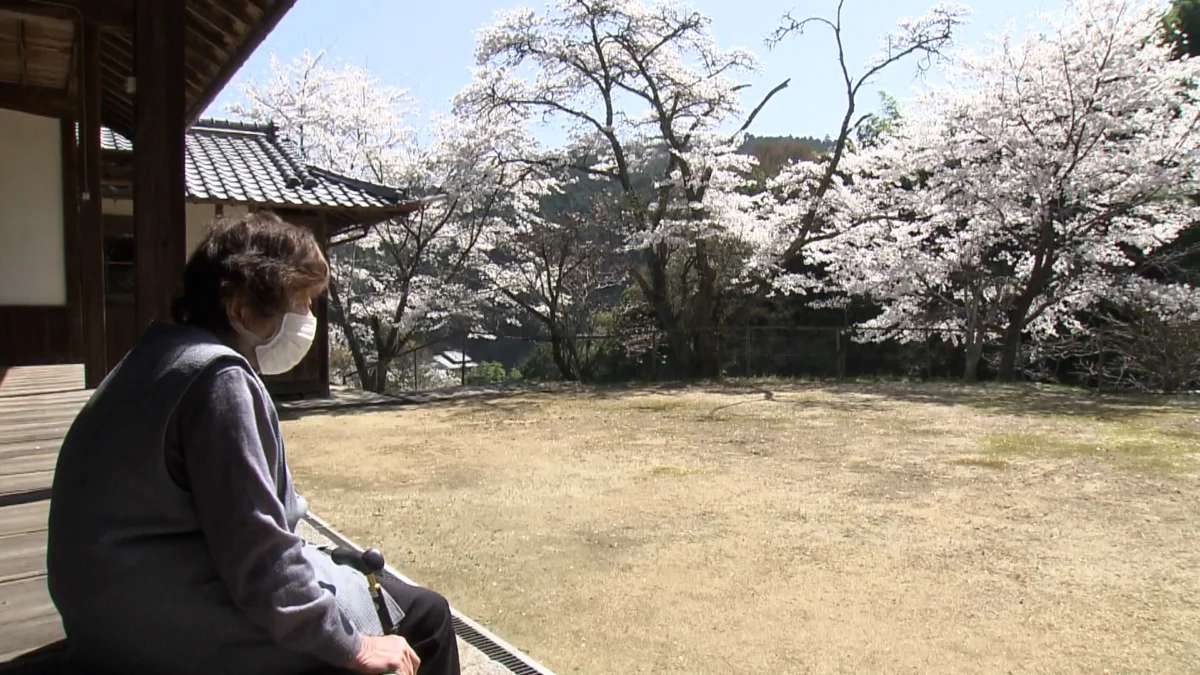
At the heart of "The Limit" is the unwavering dedication of Miyoko Oka, Masaru Okunishi’s younger sister. Witnessing the devastating impact of her brother’s conviction, not only on him but on the entire family, Oka embarked on a relentless campaign for justice. She became the driving force behind a series of appeals, a solitary figure battling against the formidable machinery of the Japanese legal system. Over the span of five decades, Oka and her supporters initiated up to ten separate appeals for a retrial, each one met with rejection. This sustained effort highlights the immense personal cost of such a protracted legal struggle, forcing family members to confront repeated disappointments and the social stigma associated with a convicted murderer.
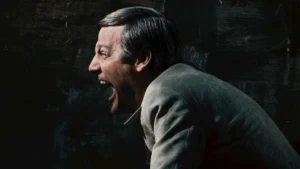
The documentary meticulously chronicles this arduous journey, weaving together disparate threads of evidence, legal arguments, and emotional testimonies. Kamata skillfully employs archival footage, capturing the raw intensity of Okunishi’s initial arrest and trial. This historical material is juxtaposed with contemporary interviews featuring Miyoko Oka herself and members of the defense teams who have championed her cause over the years. The passage of time is palpable in the film; as family members age and pass away, the fight for justice continues, passed down through generations. The documentary poignantly illustrates the profound social isolation faced by the Okunishi family, including the heartbreaking necessity of relocating their family grave due to their association with a convicted murderer. This act underscores the deep-seated societal prejudice that can accompany such accusations, even in the absence of irrefutable proof.
The Documentary’s Approach: Blending Past and Present
"The Limit" adopts a style that, at times, evokes the structure of a television documentary or an educational program. The inclusion of reconstructions and visual timelines, while perhaps lending a familiar feel, serves a crucial purpose in clarifying complex legal proceedings and presenting a coherent narrative. These elements do not detract from the film’s power; rather, they enhance its ability to convey the gravity of the situation and the intricate details of the case. The documentary leverages the wealth of available archival material to its full potential, creating a compelling and immersive experience for the viewer.
The Japanese title of the film, "Imouto no Jikan" (A Younger Sister’s Time), perfectly encapsulates the central theme. It speaks to the immense amount of time, energy, and emotional investment Miyoko Oka has dedicated to her brother’s cause. Her unwavering commitment, supported by her husband and daughters, underscores the familial bonds that can endure even the most challenging circumstances. However, the narrative also conveys a sense of the futility that has often accompanied these efforts. Despite what appears to be overwhelming evidence pointing to reasonable doubt, each appeal has been dismissed by a new judge, often with acknowledgments of the arguments presented, yet ultimately leading to the same outcome: continued denial of a retrial.
Unanswered Questions and Broader Implications
Kamata’s documentary does not shy away from the most critical questions plaguing Okunishi’s case. As the appeals falter, the film introduces a comparative case: that of a boxer also convicted of murder. In this parallel instance, the discovery of fabricated evidence led to the boxer’s release, albeit after he had become an elderly man. This juxtaposition serves to highlight the potential for systemic failures and the devastating consequences of wrongful convictions.
Furthermore, "The Limit" introduces a particularly poignant element through an interview with the widow of one of the judges who initially presided over Okunishi’s acquittal. This conversation directly addresses the perplexing question of why the case was re-examined and prosecuted so vigorously after such a significant period. This query resonates throughout the documentary, posing the fundamental question that hangs over the entire narrative: why were the appeals repeatedly denied, even when faced with clear indications of reasonable doubt? Kamata strategically leaves this question open-ended, allowing the weight of the evidence and the legal proceedings to speak for themselves.
The documentary’s strength lies in its unflinching portrayal of the human cost of a flawed justice system. By presenting the facts and the decades-long struggle, Kamata compels viewers to confront the implications of such prolonged legal battles. The film implicitly questions the adequacy of the safeguards within the Japanese justice system to prevent wrongful convictions and to ensure that justice is not only served but is demonstrably seen to be served.
The Call for Accountability and Systemic Review
While the documentary might not offer definitive answers to all the questions it raises, its impact is undeniable. Kamata’s approach is characterized by a bold transparency, explicitly naming the judges who rejected the appeals. This act of "naming and shaming," while controversial, serves to draw attention to the individuals responsible for upholding the law and to underscore the perceived failures at critical junctures in the legal process. This directness suggests a belief that accountability is paramount in addressing systemic issues.
The case of Masaru Okunishi, as presented in "The Limit," is more than just an isolated incident. It serves as a microcosm for broader concerns regarding the Japanese justice system. The high conviction rates, while often cited as a testament to prosecutorial prowess, can also mask deeper issues of fairness and due process. The pressure to secure convictions, coupled with the potential for coerced confessions and the difficulty of overturning established verdicts, creates a system where errors, once made, can be incredibly difficult to rectify.
The implications of such a system extend beyond the individuals directly involved in the legal proceedings. They impact public trust in the judiciary, the psychological well-being of families, and the fundamental principles of justice. The documentary implicitly calls for a deeper examination of the procedures and practices that contribute to these outcomes. It suggests that while individual judges may bear responsibility for specific decisions, the systemic factors that enable such protracted and seemingly unjust outcomes also warrant critical review and reform.
"The Limit" ultimately functions as a powerful indictment of a system that, in its pursuit of certainty, may inadvertently create its own form of injustice. The film’s enduring power lies in its ability to illuminate the human consequences of legal processes, urging viewers to consider the true meaning of justice when faced with persistent doubt and unwavering dedication. The questions raised by Kamata’s documentary are not easily answered, but their persistent presence is a crucial step towards a more transparent and equitable legal future. The documentary’s exploration of the Nabari Poisoned Wine Case and its enduring impact on Masaru Okunishi and his family provides a compelling, albeit somber, case study for understanding the complexities and potential pitfalls within one of the world’s most closely watched judicial systems.