The animated short film Apart, a poignant exploration of friendship amidst the brutal realities of South African apartheid, has captured the attention of critics and audiences alike, marking a significant directorial debut for acclaimed artist Pola Maneli. Originally enlisted to design the film’s poster, Maneli’s deep immersion into the project’s narrative and visual landscape propelled him to the director’s chair, a transition that proved to be a pivotal moment in his artistic career. The film, set to screen at Tribeca Film Festival, offers a powerful glimpse into the resilience of the human spirit and the enduring possibility of empathy, even in the darkest of times.
From Poster Artist to Visionary Director: Pola Maneli’s Journey
Pola Maneli, an artist whose distinguished portfolio includes work featured on the cover of The New Yorker and within the esteemed collection of the National Museum of African American History and Culture, was initially brought onto the Apart project with a singular objective: to create its poster. However, as the film’s narrative began to crystallize through the collaborative efforts of writers Spike Lee, Tim Jones, Jeff Leisawitz, and Lubabalo Mtati, Maneli’s artistic vision and profound understanding of South African culture proved indispensable.
"I didn’t get a lot of details about the story when I was first brought on," Maneli shared in a recent interview. "But as the writers and producers started to see more of my work, they wanted me to become more involved in world-building and in creating the film’s visual language. And the more I got involved, the more adamant I became about wanting to direct." This burgeoning passion was fueled by the writers’ recognition of Maneli’s ability to translate complex emotional and social themes into compelling visual narratives. His lived experience as a lifelong resident of South Africa, deeply familiar with its landscapes, environments, and historical context, provided an invaluable foundation for shaping the film’s aesthetic and emotional core.
The Harrowing Backdrop of Apartheid and a Resilient Friendship
Apart is set against the stark and unforgiving backdrop of South African apartheid, a brutal system of institutionalized racial segregation and discrimination that systematically oppressed the Black majority and other non-white populations from 1948 until the early 1990s. This era was characterized by pervasive violence, social injustice, and the deliberate fragmentation of communities based on race. It was within this oppressive climate that the film’s central narrative unfolds, focusing on the unlikely and dangerous friendship between two young boys, Themba and Joel.
The film delves into the profound impact of this societal division on individual lives, illustrating how the pervasive atmosphere of hate and fear constantly threatened to tear their burgeoning bond apart. Despite the external pressures and the inherent dangers of their cross-racial association, Themba and Joel’s friendship endures, reaching its zenith in a moment of profound, life-saving sacrifice. Through their innocent yet perceptive eyes, Apart offers a precious window into a fleeting moment of childhood innocence, a space where the concepts of hope, empathy, and mutual understanding still held sway, demonstrating the inherent human capacity for connection that transcends imposed societal barriers.
A Multifaceted Artistic and Technical Achievement
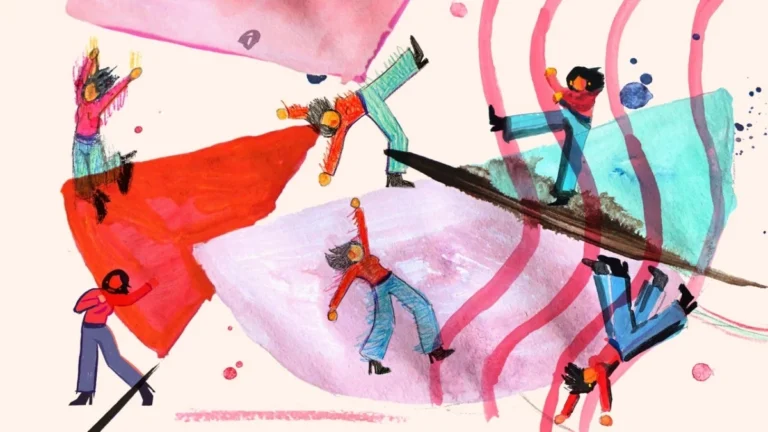
The creation of Apart is a testament to a rich tapestry of artistic and technical expertise, blending diverse animation techniques to bring its story to life. The film masterfully employs traditional 2D frame-to-frame animation, the expressive possibilities of cut-out animation, and the depth of 3D and 2.5D techniques. This sophisticated approach was realized by a dedicated team of artists deeply rooted in South African culture and history, ensuring an authentic and resonant portrayal of the era.
Beyond the visionary writing and directing team, Apart benefits from the contributions of other prominent South African cultural figures. Grammy-winning musician Black Coffee, a global icon, lent his distinctive musical sensibilities to the film as music supervisor, shaping its soundscape to evoke the emotional nuances of the narrative. Furthermore, acclaimed South African fashion designer Laduma Ngxokolo contributed to the film’s visual identity by creating the distinctive "isiXhosa" style for the characters, meticulously fusing cultural heritage into the very fabric of the story’s visual language. Maneli himself, whose artistic practice centers on the multifaceted experiences of people of color in South Africa, brought an intimate and personal connection to the film’s setting, drawing from his lifelong immersion in the country’s landscapes and history.
"There are so many people in my life I can point to who are just like the characters in this movie," Maneli reflected. "So, in the process of developing the visuals… I didn’t say this to anyone, but I got to a point where I was like, ‘Man, I have to direct this.’ I think the team picked up on that and, when we finally had the conversation to make it official, it was a dream come true." This profound personal connection to the narrative was a driving force behind Maneli’s commitment to directing.
The Unfolding of a Dream: Animation as a New Frontier
For Pola Maneli, the opportunity to direct Apart was not merely a professional advancement but the realization of a long-held artistic aspiration. Despite his considerable success and accolades as an illustrator, Maneli had never before experienced the profound satisfaction of seeing his static imagery brought to life through the dynamic medium of animation.
"Seeing that was crazy, and it’s hard to describe the feeling," he shared, his voice reflecting a palpable sense of wonder. "I’ve always tried not to pit different disciplines against one another. Comics and illustration are just as important and powerful as animation. And I legitimately do believe that. But there is something to be said for seeing your images moving for the first time. It’s undeniable, like fireworks going off in your head." This powerful sentiment underscores the transformative impact of witnessing his artistic vision gain a new dimension of movement and life.

The sheer scale of the production is impressive, with a total of 18,000 frames of animation meticulously crafted by a team of 266 professionals. This dedicated workforce included 157 animation artists and 50 members of the art department, who collectively dedicated approximately 600 days to the project, utilizing 14 different software tools to achieve the film’s distinctive visual style. Maneli described the experience as consistently exhilarating: "It was amazing and I never really got used to it. Even by the end of production, it was still pretty dope."
Recreating a Nation’s Past: Authenticity and Reverence
A significant aspect of Maneli’s directorial process involved a deep dive into the historical accuracy of the film’s setting. He emphasized the importance of meticulously recreating the landscapes and environments of South Africa during the apartheid era, drawing upon his personal familiarity and extensive research.
"It was really important to me that we got those kinds of details right," he stated. "So, for the scenes that are set in a hospital, that was based on an actual hospital within walking distance of where I was staying during production. It wasn’t as challenging as you might think. Not much about the main architecture has changed in 30-odd years. There are a lot of working-class neighborhoods that don’t look much different from the way they did when I was growing up. So we had plenty of real-life visual references to pull from." This grounded approach ensured that the film’s visual language was not only artistically compelling but also deeply authentic.
Maneli further elaborated on the team’s commitment to verisimilitude: "We showed a level of reverence toward the scenery, backgrounds, settings, and characters so that everything felt as authentic and real as possible." This dedication to historical and cultural accuracy is crucial for a film that tackles such sensitive and significant historical subject matter, aiming to educate and resonate with audiences on a profound level.
A Sanctuary of Imagination: The Fort as a Symbol of Hope
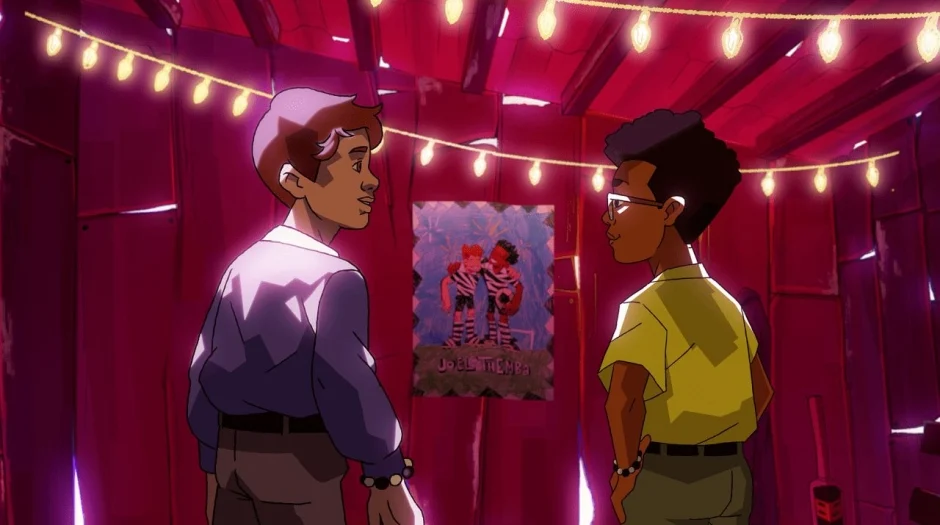
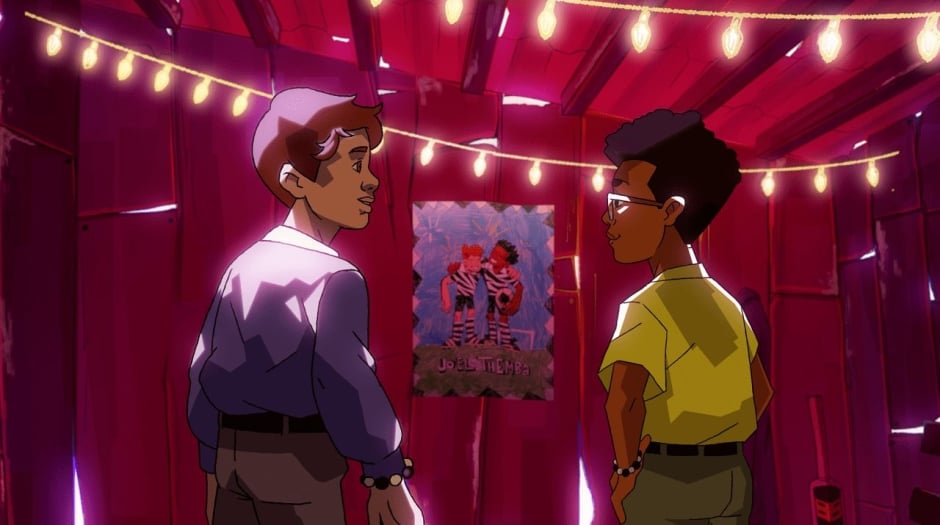
Amidst the pervasive realism and historical fidelity that permeate the film, Maneli’s favorite scene is the one that depicts the boys retreating into their private sanctuary of imagination and escape: the fort they build for themselves. This space serves as a powerful counterpoint to the harsh realities of the outside world, offering a glimpse into the boundless creativity and emotional resilience of childhood.

"The interior of the fort the boys create for themselves stands out to me as a really special setting," Maneli explained. "It’s filled with all kinds of pop culture Easter eggs, like posters for films that would have been popular during that era, as well as pinups of football players that anyone familiar with football from that time would recognize. We wanted that space to feel like an extension of their friendship and the inner world they had built between themselves. It’s full of everything they have in common and everything they love, extended to these four walls. We wanted it to feel magical, colorful, warm, and inviting—something separate from what was happening in the outside world."
This meticulously designed space, bursting with vibrant colors and cherished objects, represents the boys’ shared dreams and aspirations, a testament to the power of friendship to create refuge and joy even in the most challenging circumstances. The contrast between the fort’s vivid interior and the film’s more subdued exterior palette reflects Maneli’s artistic sensibility and his keen understanding of how children perceive and interact with their world.
"One of the reasons I felt so confident I could direct the movie was that there were so many parallels between this story and my visual sensibilities," Maneli stated. "This movie is told through the eyes of kids, so you want to make sure you speak to the vibrancy, color, and imagination of that world, while also acknowledging the broader surroundings in which it all takes place. It felt like a natural fit to me."
Personal Reflections and the Enduring Power of Childhood Perspective
The creation of Apart proved to be a deeply introspective journey for Pola Maneli, offering profound personal insights even for someone intimately familiar with the legacy of apartheid. The film’s exploration of bonds, relationships, and friendships that are tested and threatened resonated with him on a personal level, prompting a deeper examination of his own experiences.
"I was surprised by how much I learned about myself on this production, despite being South African, being very familiar with this history, and living in the aftermath of apartheid," Maneli revealed. "When we talk about bonds, relationships, and friendships that are threatened or pulled apart, I think about that in my own life and even within myself. There are parts of myself I’ve cleaved away because of external perceptions—parts of myself that were idealistic, hopeful, and imaginative. It’s been really informative—a helpful reminder that there’s a lot to be gained by seeing the world through the perspective of a child. I envy them."

This personal reflection underscores the film’s broader thematic resonance, suggesting that the innocence and unadulterated perspective of childhood can offer valuable lessons even to adults grappling with the complexities of life and the lingering shadows of historical trauma. Apart‘s ability to intertwine a compelling historical narrative with universal themes of friendship, empathy, and self-discovery solidifies its position as a significant and moving work of animated cinema.
Screening Information
The animated short Apart is set to screen in New York City as part of Tribeca Film Festival’s Shorts Program. Audiences can catch the film on Saturday, June 6, at 2:30 p.m. in the Shorts Theater at Spring Studios. An additional New York screening is scheduled for Saturday, June 13, at 6:15 p.m. at AMC 19th Street East 6, offering multiple opportunities for viewers to experience this impactful cinematic achievement.
The film’s trailer provides a compelling preview of its visual artistry and emotional depth, hinting at the powerful story of friendship and resilience that awaits audiences.
[Embed YouTube Trailer Here – placeholder for actual trailer link]