


The transition from the cinematic awards cycle to the television honors circuit marks a pivotal moment in the entertainment industry’s annual calendar. As the global film community turns its attention toward the summer festival circuit, the television industry has entered its most aggressive phase of campaigning. This period, often characterized as the "December of Television," is defined by a frantic rush of releases and promotional activities ahead of the Television Academy’s critical May 31 eligibility deadline. For streamers and networks alike, the current weeks represent the final opportunity to capture the attention of voters and secure a position in an increasingly crowded and consolidated marketplace.
The Strategic Significance of the May Eligibility Deadline
The primetime television landscape operates on a distinct chronological cycle compared to the film industry. While the Academy Awards typically culminate in March, the preparation for the Emmy Awards begins months earlier. The May 31 deadline serves as the ultimate "cutoff" for series hoping to compete in the upcoming September ceremony. Shows premiering after this date are relegated to the following year’s cycle, creating a logjam of high-profile releases in April and May.
This timing is not accidental. Marketing and public relations teams utilize what is known as "recency bias"—the tendency of voters to favor content they have consumed most recently. While traditional broadcast and cable networks often release episodes weekly from the fall through the spring, streaming platforms like Netflix, Apple TV+, and HBO Max frequently back-load their most prestigious titles into the second quarter of the year. This strategy ensures that their flagship programs are at the forefront of the cultural conversation when nomination ballots are distributed. Consequently, the months of April and May have become saturated with luncheons, billboards, "For Your Consideration" (FYC) screenings, and Q&A sessions designed to cut through the noise of a fragmented media environment.
A Structural Comparison of Television and Cinematic Awards
The Emmy Awards differ significantly from the Academy Awards in both scale and selection methodology. While the Oscars typically limit their top categories to five nominees—with the notable exception of Best Picture, which features ten—the Emmys employ a sliding scale based on the total number of submissions in a given category. This mathematical approach frequently results in larger fields of contenders.
Currently, the comedy and drama series categories typically feature eight nominees, while the limited or anthology series category is set at five. The number of acting nominees fluctuates annually based on the volume of entries, often leading to a disproportionate number of supporting actor nominations compared to lead roles. This structural difference accounts for the record-breaking nomination hauls seen in recent years. For example, The Bear and The Studio recently tied for the most comedy series nominations in a single year with 23 nods each, while the historical record for a drama series remains held by Game of Thrones with 32 nominations in a single season.
Furthermore, unlike the film industry, which relies on a series of "precursor" awards—such as the Golden Globes, the Screen Actors Guild (SAG) Awards, and the various Producers and Directors Guild awards—to predict Oscar outcomes, the Emmy race lacks a similar predictive timeline. Most professional guilds hand out their television awards months after the Emmys, often during the same ceremonies as their film counterparts. This leaves television prognosticators without a clear roadmap, making the Emmy race uniquely unpredictable and highly dependent on internal industry momentum and critical consensus.
Market Consolidation and the Dominance of Major Media Conglomerates
The "Streaming Wars," once defined by a rapid expansion of platforms and original content, have transitioned into a period of corporate consolidation. The current Emmy race is essentially a competition between a handful of legacy media giants and a few deep-pocketed tech-based streamers. The landscape is dominated by:
- Disney: Controlling ABC, Fox, FX, and Hulu.
- Warner Bros. Discovery: The home of HBO and HBO Max.
- Paramount: Encompassing CBS, Paramount+, and Showtime.
- Universal: Overseeing NBC, Peacock, and Bravo.
- Tech Giants: Apple TV+, Netflix, and Prime Video.
This consolidation has led to a "fewer but bigger" content strategy. While there are technically fewer shows on the air than during the peak of the streaming expansion, the production value and marketing budgets for top-tier contenders have reached record highs. This environment favors "juggernaut" series that can command broad social media discourse and "water cooler" status in a fragmented viewing market.

Frontrunners in the Drama and Comedy Categories
In the Drama Series category, HBO Max’s The Pitt has emerged as the definitive frontrunner. Having recently concluded a critically acclaimed second season, the medical drama has achieved a rare level of cultural penetration, generating intense social media engagement. Industry analysts suggest that The Pitt is well-positioned to secure its second consecutive Emmy for Best Drama Series. However, the field remains competitive, with returning nominees such as Fallout (Prime Video), The Morning Show (Apple TV+), Paradise (Hulu), and the perennial heavyweight Stranger Things (Netflix) all vying for spots. Newcomers like Apple’s Pluribus and HBO’s Task are also expected to challenge the incumbents, though veteran publicists often note that in such a crowded field, "the nomination is the win."
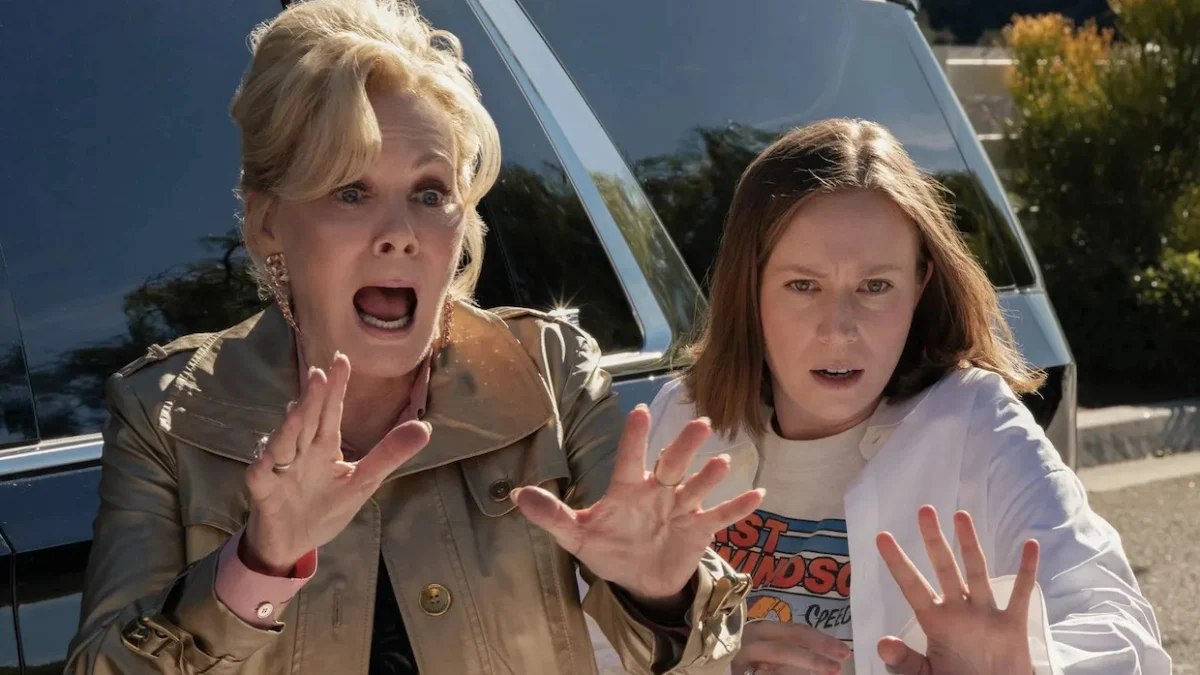
The Comedy Series race presents a compelling narrative of veteran excellence versus rising powerhouses. Hacks (HBO Max) is widely considered a top contender for its final season. The series, a "backstage comedy" about the comedy industry itself, resonates deeply with Television Academy voters who appreciate its realistic portrayal of the profession. Jean Smart, the star of Hacks, is currently pursuing her fifth consecutive Emmy for Lead Actress in a Comedy Series, a feat that would further cement her legacy in television history.
Standing in the way of a Hacks sweep is FX’s The Bear, which previously dominated the category. While Hacks managed to break The Bear’s winning streak in 2024, the restaurant-centered drama remains a formidable opponent. Other significant contenders include ABC’s Abbott Elementary, which continues to represent the resilience of the network sitcom, and Apple’s Shrinking and Netflix’s Nobody Wants This. A notable dark horse is HBO’s The Comeback; despite its status as a cult favorite with previous nominations in 2006 and 2015, the Hollywood satire has never secured a nomination for Comedy Series, a trend fans hope will change this year.
The Competitive Surge in Limited and Anthology Series
The Limited or Anthology Series category is often regarded by critics as the most creative and volatile sector of the Emmy race. This year, the category is dominated by high-concept narratives and "sequel" seasons of established anthologies. Netflix’s Beef and HBO’s DTF St. Louis are leading the conversation regarding relationship-driven dramas, while FX’s Love Story: John F. Kennedy Jr. & Carolyn Bessette looks to capitalize on the public’s enduring fascination with American political dynasties.
Richard Gadd, following the massive success of his 2024 series Baby Reindeer, returns to the conversation with HBO’s Half Man. Early reviews suggest the series may be even more harrowing than its predecessor, potentially making Gadd a repeat winner in the writing and acting categories. Netflix’s new adaptation of Lord of the Flies is also expected to perform well, following the streamer’s successful sweep with Adolescence last year. Additionally, Prime Video’s Bait, starring Riz Ahmed as an actor in the running for the next James Bond, is being hailed as a sharp, half-hour dark comedy that could bridge the gap between comedy and drama voters.
Emerging Trends: AI, Political Chaos, and Genre Blending
Beyond individual show rankings, the 2025 Emmy season is being defined by several overarching thematic trends. Producers and creators are increasingly grappling with the existential threats and creative possibilities of Artificial Intelligence (AI), a topic that has moved from the realm of science fiction into the core of industry labor disputes and narrative themes.
Furthermore, the political volatility of the current era is reflected in the stories reaching the screen. From satirical takes on Hollywood power structures to gritty examinations of societal collapse, the nominated series often serve as a mirror to contemporary anxieties. We are also seeing a continued blurring of genre lines; "traumedies" (traumatic comedies) and high-concept genre blends are becoming the standard rather than the exception. These shows challenge voters to reconsider traditional category definitions, often leading to heated debates during the nomination process.
Broader Impact and Industry Implications
The outcome of this year’s Emmy race will have significant implications for the future of the television ecosystem. For streamers, Emmy wins are more than just trophies; they are essential tools for subscriber retention and talent acquisition. A "Best Series" win can validate a platform’s entire content strategy and justify the massive capital expenditures required to produce prestige television.
As the industry moves toward the nomination announcement, the focus will remain on whether "recency bias" can propel new shows past established hits. With hundreds of eligible programs and a voting body that is increasingly overwhelmed by the sheer volume of content, the ability of a marketing team to create a "must-watch" narrative is as important as the quality of the show itself. Over the coming months, the television industry will continue to organize this chaos, sifting through a sea of contenders to determine which stories will be remembered as the definitive works of the year.