

The cinematic landscape is increasingly embracing meta-narratives, with films that delve into the very process of filmmaking and storytelling gaining significant traction. Japan, a nation with a rich history of self-reflexive cinema, continues to be a fertile ground for such explorations. Director Eiji Uchida’s latest offering, "Fiamma," stands as a compelling testament to this trend, meticulously dissecting the complexities of adaptation, the slippery nature of truth, and the often-murky motivations behind "based on a true story" narratives. Screening at the esteemed Nippon Connection film festival, "Fiamma" promises an incisive examination of artistic integrity, personal ambition, and the societal pressures that can distort reality.
The Genesis of a Deceptive Narrative
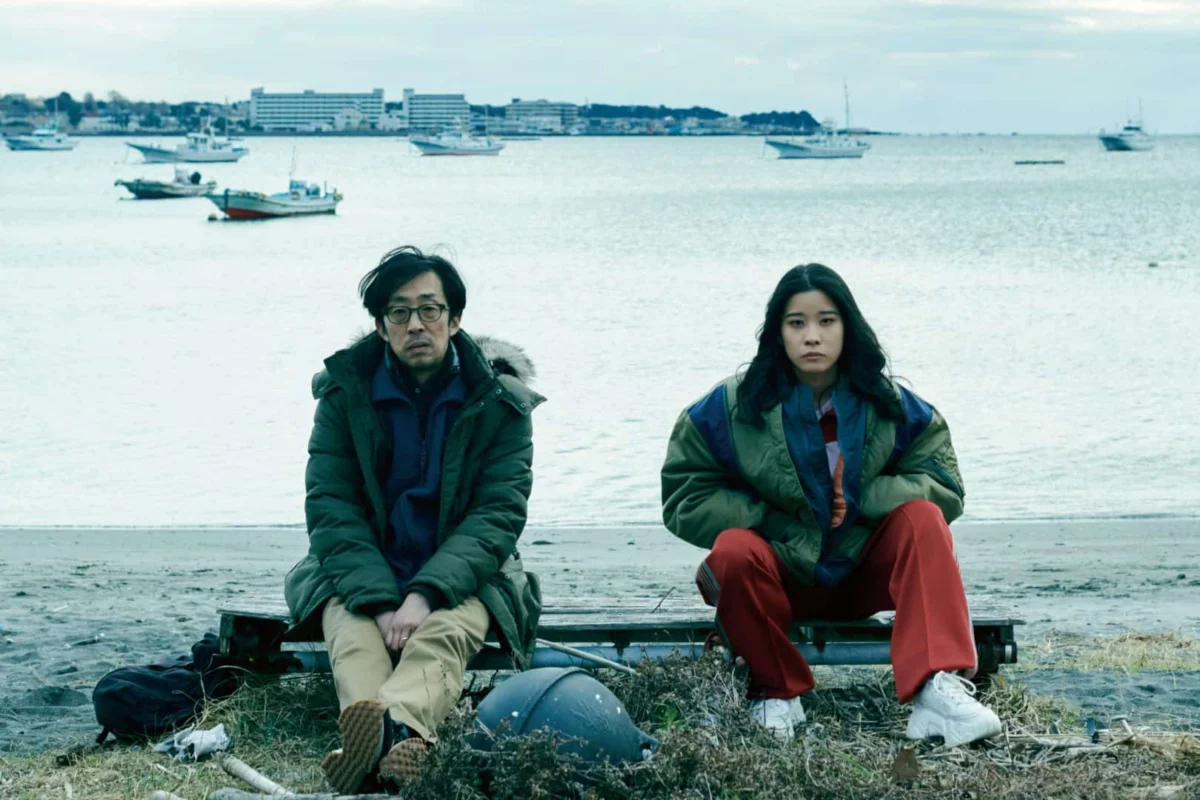
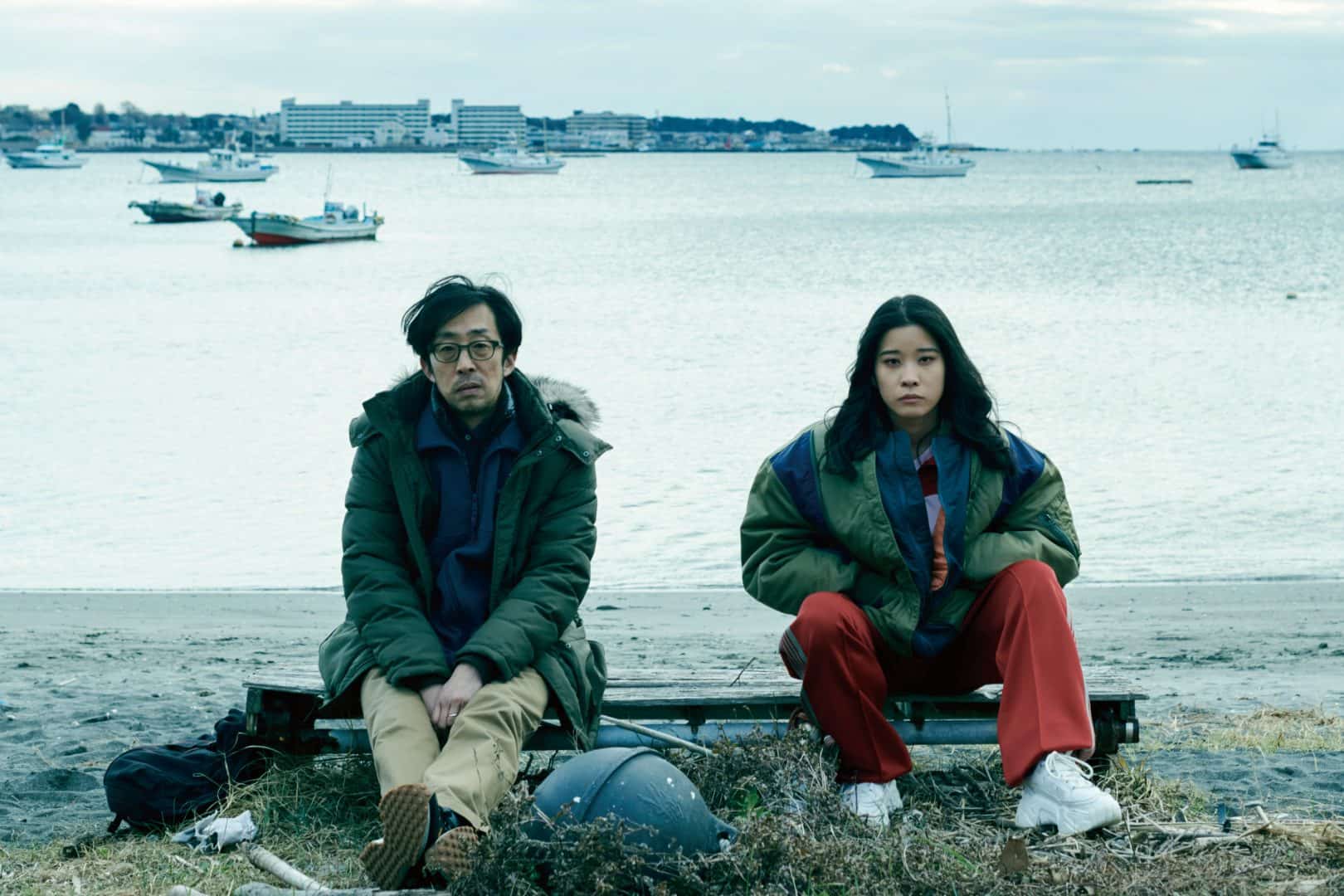
"Fiamma" centers on Nojima, an assistant director yearning for his own directorial debut. His assignment to research and manage the film adaptation of a highly successful autobiographical novel by Arisa becomes the catalyst for a deep dive into the uncomfortable truths hidden beneath a seemingly inspirational tale. Arisa’s published narrative paints a portrait of a young woman who, through sheer resilience and unwavering dedication, transformed hardship and poverty into success while caring for her incapacitated father. This rags-to-riches story, a potent wellspring of public admiration, is precisely what Nojima is tasked with translating to the screen.
However, as Nojima begins his investigative process, interviewing individuals connected to Arisa’s past, a disquieting pattern emerges. The meticulously constructed image of a virtuous heroine starts to fracture, revealing a far more ambiguous and potentially darker reality. The initial premise of an uplifting true story begins to unravel, prompting the central question: is Arisa a genuine victim of circumstance who triumphed against all odds, or is there a more sinister narrative at play?
Industry Pressures and the Erosion of Truth
The film powerfully illustrates the conflicting interests at play within the production of "Fiamma." Despite Nojima’s growing suspicions about the veracity of Arisa’s story, the momentum of the production remains largely unyielding. The director, preoccupied with safeguarding his reputation, hides behind lofty pronouncements of artistic integrity. The producer, acutely aware of the financial and reputational risks, prioritizes avoiding scandal at all costs. For the film crew, the immediate concern is maintaining employment and ensuring they are compensated for their labor.
Nojima finds himself increasingly isolated as he relentlessly pursues the truth. The promise of his directorial debut, a long-held dream, is dangled as a carrot, only to be subtly used as a tool to silence his inquiries. This pressure cooker environment, where artistic ambition clashes with financial pragmatism and ethical compromises, forms the backbone of the film’s dramatic tension.
The Unraveling of Nojima’s World
The consequences of Nojima’s investigation extend far beyond the confines of the film set. The "fire of suspicion" he ignites begins to engulf his personal life. His family becomes entangled in the escalating drama, and his everyday existence starts to crumble. A particularly poignant subplot involves his daughter, Hikari, who grows increasingly distant from both her parents. This estrangement is exacerbated by Hikari’s own descent into what the film describes as "unsavory endeavors," hinting at a generation grappling with its own disillusionment and seeking solace or fulfillment in unconventional ways.
This familial strain adds a deeply personal dimension to the film’s broader critique of the entertainment industry. It suggests that the sacrifices made in the pursuit of art, and the compromises that often accompany it, can have profound and damaging repercussions on those closest to the artists.
Uchida’s Multi-Layered Approach
Director Eiji Uchida masterfully weaves together three distinct narrative threads, creating a complex and thought-provoking cinematic experience.
The Intricacies of Film Production
The first and most immediately apparent axis is the film set itself. Uchida offers an unvarnished glimpse into the often-overlooked aspects of filmmaking. The pre-production phase, a critical yet rarely showcased period, is meticulously detailed. This includes the laborious process of research, the intensive actor workshops, and the extensive rehearsals that precede the commencement of shooting. The film delves into the minutiae of production decisions, such as the choice between studio or on-location shooting, providing audiences with an authentic insider’s perspective on how films are brought to life. This level of detail not only educates but also serves to ground the narrative in a tangible reality, making the subsequent unraveling of truth all the more impactful.
The Quest for Truth and Industry Critique
The second axis of "Fiamma" is Nojima’s persistent investigation into Arisa’s past. This relentless pursuit of factual accuracy drives much of the narrative, as the film continually grapples with the question of who is truly telling the truth. Through this lens, Uchida not only develops Nojima’s character, showcasing his descent into an almost obsessive quest for answers, but also exposes the inner workings of the film industry. The film provocatively questions whether narratives that address societal issues like poverty and suffering are created out of genuine empathy or are merely exploited for prestige, profit, and personal aggrandizement. This critique is particularly relevant in an era where "true stories" are increasingly commodified for public consumption.
Familial Strain and Generational Disconnect
The third axis unfolds within the confines of Nojima’s home, focusing on the dramatic fallout of his all-consuming professional life on his family, particularly his daughter Hikari. Hikari’s disillusionment stems not from psychological trauma, but from a perceived lack of material provision by her parents, a reflection of the financial anxieties that plague the family. This arc is layered, highlighting Nojima’s communication deficiencies and his often-distant treatment of his wife, painting a picture of a man who falls short of the ideal paternal figure. Simultaneously, Hikari’s fixation on spending money on "hosts" presents her as a problematic figure in her own right. Uchida avoids portraying her solely as a victim, suggesting that her actions are a complex response to her circumstances, including her father’s cinematic obsession, and extending his critique to encompass the anxieties and behaviors of her generation.
This domestic drama also serves as a platform to explore the consequences of sacrificing personal well-being for artistic pursuits. Uchida offers a pointed, if bleak, commentary on this sacrifice, further illuminating the conformist tendencies within the industry. A particularly sharp moment involves a scene set in France, referencing awards ceremonies and the international recognition of Asian cinema. This can be interpreted as a subtle jab at filmmakers who achieve acclaim abroad, possibly alluding to figures like Koji Fukada, and critiques the way Western audiences and institutions select and celebrate Asian films, adding another layer to Uchida’s multifaceted critique.
Technical Prowess and Performance
Despite its intricate narrative structure, "Fiamma" is not without its challenges. A common criticism leveled against contemporary Japanese cinema, and one that "Fiamma" grapples with, is a tendency for the narrative to meander, particularly in the lead-up to the climax. The film’s 108-minute runtime, while not excessively long, features several prolonged sequences and repetitions that, some might argue, do not significantly advance the plot. This pacing issue, however, is mitigated by the competent editing of Masashi Komino, who ensures a smooth transition between the film’s various narrative strands and maintains a fitting mid-to-fast pace.
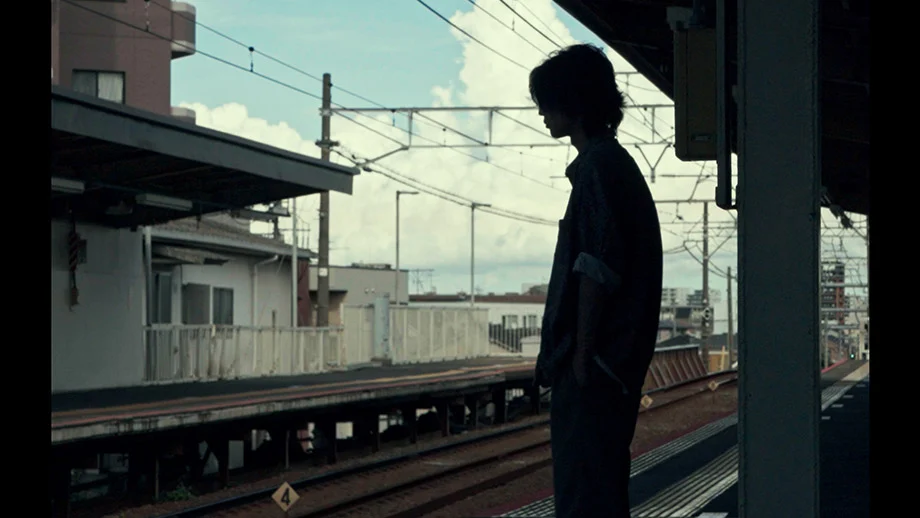
Complementing the editing is the high-caliber cinematography by Kenji Noguchi. Noguchi’s work is characterized by a striking realism, effectively capturing the diverse settings, from the fabricated environments of the film set to the mundane reality of the locations where Nojima’s personal life unfolds. This visual consistency lends a palpable authenticity to the film’s exploration of both fictional and real-world dramas.
The performances in "Fiamma" are uniformly strong, anchoring the film’s complex themes. Yuki Kitamura delivers a consistently convincing portrayal of Nojima, effectively conveying the immense burden he carries through his nuanced body language, vocal delivery, and overall demeanor, all without faltering in his rhythm. Wan Marui, as Arisa Ohara, offers an intriguing performance, particularly excelling in moments where her outward demeanor is harsh and distant, contrasting with the warmth suggested by her words. Udai Iwasaki embodies the archetype of the ambitious young director as Shohei Osawa, appearing timid yet ultimately achieving his objectives. Reiko Kataoka provides a grounded and authentic portrayal of producer Ikumi Tachibana, while Kokona Chushin as Hikari manages to be both unsettling and vulnerable, effectively conveying a sense of deep-seated brokenness.
Broader Implications and Cinematic Legacy
While "Fiamma" navigates the inherent challenges of the Japanese film industry and culminates in a conclusion that some may find excessive, it ultimately stands as a highly competent and thought-provoking cinematic achievement. It continues the legacy of Japanese films that critically examine the filmmaking process, offering audiences a potent blend of entertainment and profound introspection. The film’s exploration of the ethical compromises made in the pursuit of artistic success, the blurred lines between truth and fiction in autobiographical narratives, and the impact of professional ambition on personal lives resonates deeply.
The film’s screening at Nippon Connection, a festival dedicated to showcasing contemporary Japanese cinema, underscores its significance within the current cinematic dialogue. By dissecting the mechanics of film production, the complexities of truth-telling, and the often-unseen sacrifices behind the stories we consume, "Fiamma" serves as a potent reminder of the power and the peril of cinematic creation. It invites audiences to consider not only the stories being told but also the intricate, and sometimes ethically fraught, journey of how they come to be.