By Huachen Sun
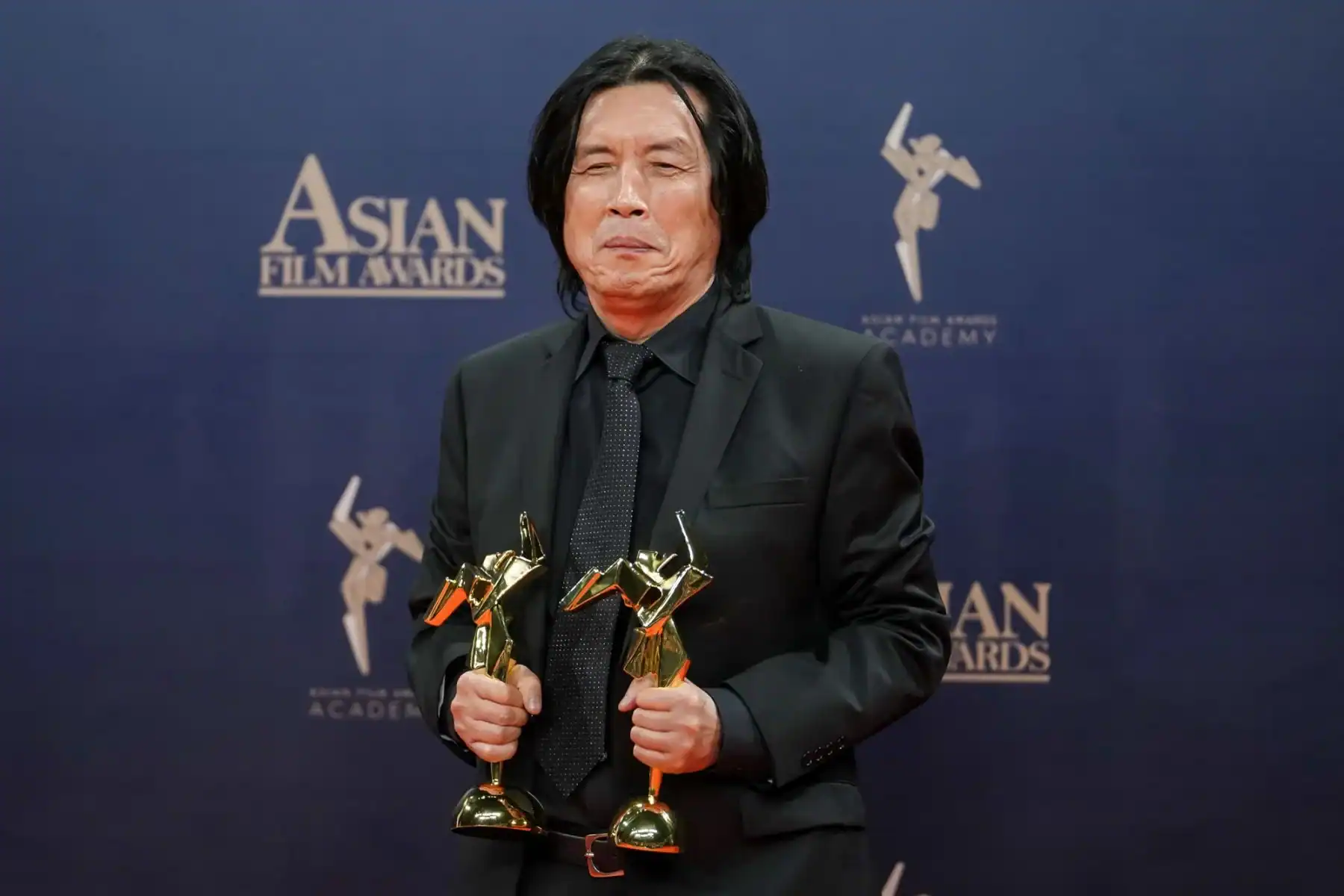
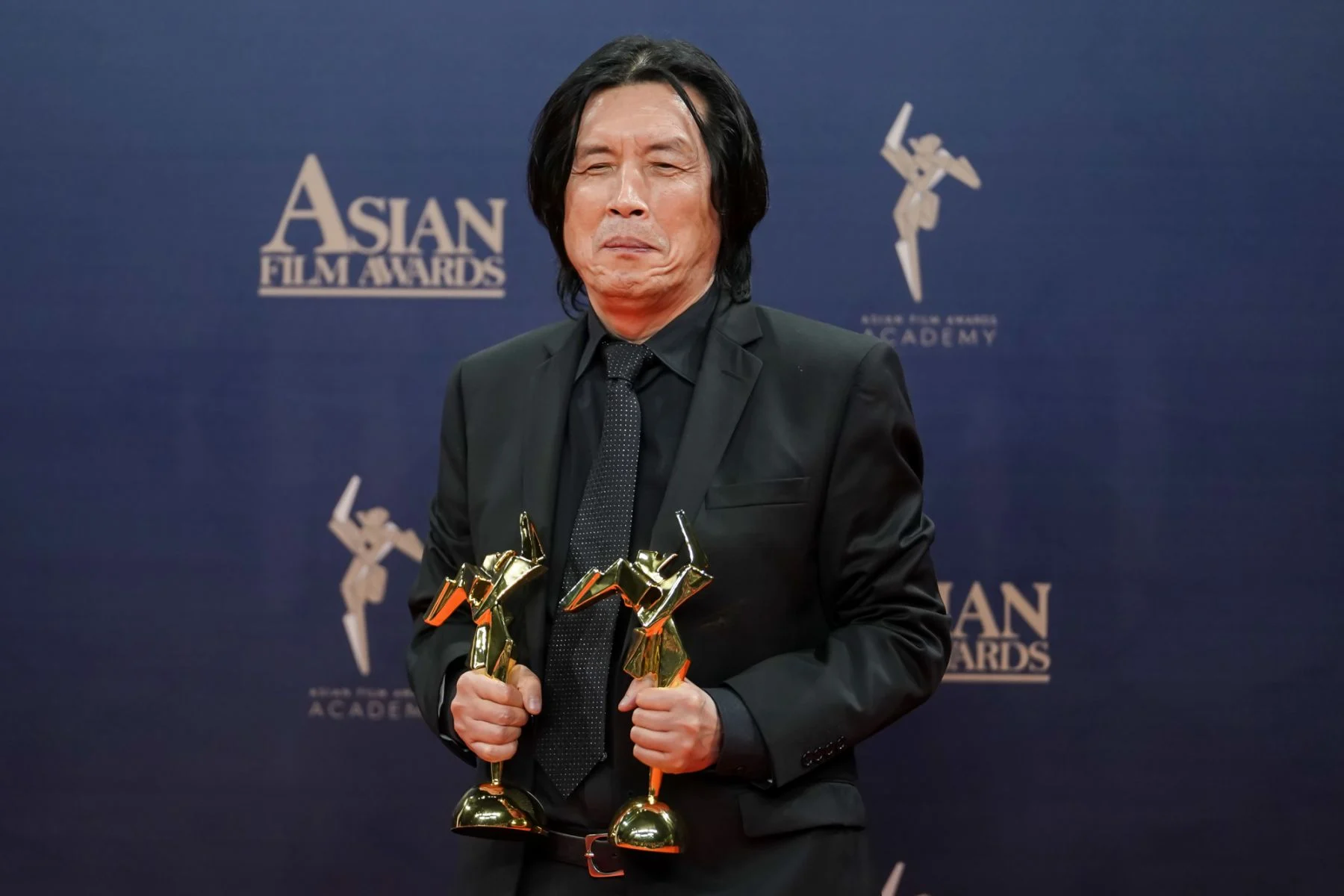
Renowned South Korean filmmaker Lee Chang-dong, celebrated for his profound explorations of the human condition in works like "Poetry" and "Burning," has consistently grappled with fundamental questions about his artistic purpose. For an extended period of eight years, bridging the gap between his acclaimed films, he pondered the intrinsic nature of the cinema he wished to create and the expectations of his audience. During this introspective phase, Lee confessed to a persistent contemplation of "anger"—an emotion he observed as pervasive yet seemingly directionless across individuals of all backgrounds, faiths, and nationalities. This introspection into the unexpressed and unresolved has been a recurring motif in his cinematic and literary endeavors.
Eight years after this period of intense self-examination, the urgency of these questions remains undiminished. Coinciding with the final stages of post-production for his new Netflix project, "Possible Love," a revised edition of one of Lee Chang-dong’s seminal early short-story collections was released in China. This significant literary event provided a timely opportunity for an in-depth interview with the celebrated director, allowing for a deeper understanding of his artistic evolution and his perspectives on the contemporary film landscape.
The Cinematic Language of Literary Expression
The interviewer initiated the discussion by referencing Lee’s short story "War Trophy," noting how the narrative masterfully interweaves memory and the present, creating a unique extension and transformation of time and space. This technique was likened to cinematic montage, but rendered through prose. Lee elaborated on his approach to translating such a fragmented inner state into words.
"‘War Trophy’ portrays the inner turmoil experienced by a young man in South Korea during the early 1980s," Lee explained. "He feels both anger and grief over the wrongful death of his friend, while simultaneously grappling with an overwhelming sense of restlessness. To convey this fragmented inner state, I had to present the past and present in a discontinuous, interwoven manner. In other words, this can be seen as a stream of consciousness technique that reveals the state of inner division." He further noted that while he didn’t consciously set out to mimic cinematic montage, the interpretation held merit. "If many of the scenes presented in this form in ‘War Trophy’ give readers a vivid sense of imagery, it is not because of my cinematic imagination, but because all those events are things I have experienced," he stated, emphasizing the autobiographical underpinnings of his early work.
Reflecting on his literary past, Lee mused on the potential for self-discovery in rereading his own novels. "Now, rereading it, I can feel my younger self—the one who constantly pushed himself, striving to bridge the gap between reality and writing. After all these years, I’ve become an elderly film director, yet today I feel I’m not so far removed from that young man I once was. I am still reflecting on the relationship between the reality before me and the films I have made, still asking myself what significance my films truly hold for this world." This ongoing dialogue with his younger self underscores a persistent artistic curiosity and a commitment to interrogating the purpose and impact of his creations.
Realism, Romance, and the Irony of Life
The conversation then shifted to the interplay of romantic elements within Lee’s often harsh realism, citing the protagonist in "On Destiny" obtaining an antique watch as an example of an idealized plot that might seem to contradict realism. Lee clarified his perspective on this perceived contradiction.
"‘On Destiny’ is based on a programme broadcast by South Korea’s KBS in 1983, which sought to reunite separated families," Lee revealed. This groundbreaking program, "The Reunion of Dispersed Families," ran for over a hundred days, captivating the nation and leading to the reunification of thousands of families torn apart by the Korean War. "The programme ran for over a hundred days, airing continuously from early morning until late at night, and kept the entire nation glued to their television screens. More than ten thousand people whose fate remained unknown and who had been separated from their families because of the Korean War have finally been reunited with their loved ones. Of course, there are many more who have still not been able to reunite with their families."
Lee contextualized the protagonist’s experience within this historical reality. "The Korean War and the division of the peninsula have shattered the lives of countless South Koreans. The protagonist of this novel is one of them. His journey of meeting and parting with his father is neither a dramatic plot nor a romantic tale; it is simply reality itself." He continued, "The fact that he eventually managed to get hold of his father’s keepsake—that watch—is nothing more than a bitter irony of life that we must all endure. And I hope that, through this irony, I can convey some small insight into the nature of life to the reader." This perspective highlights his belief that even seemingly fortunate outcomes in his narratives are often imbued with a profound sense of life’s inherent ironies, a hallmark of his unflinching gaze at reality.
Maintaining Distance and Empathy in Storytelling
The interviewer probed Lee on his ability to maintain a neutral stance while drawing from personal experiences, avoiding the pitfalls of subjectivity in his writing and filmmaking. Lee articulated his nuanced understanding of artistic distance.
"This question is tantamount to asking: what kind of distance should one maintain when telling someone else’s story?" Lee posited. "Whether in fiction or film, striking the right balance is of the utmost importance. In films, techniques such as close-ups are often employed to create a sense of immersion and emotional resonance for the audience; conversely, to maintain an objective perspective, one might adopt a ‘distanced’ approach. Yet it could be said that neither of these is my method."
He elaborated on his personal philosophy of distance: "The ‘sense of distance’ I understand is a line of thinking that goes like this: if there were someone suffering right beside me, where should I stand? Getting too close can make the other person feel overwhelmed; staying too far away, on the other hand, suggests a lack of responsibility. One must find the right balance—a position from which one can keep a constant watch over the other whilst truly empathising with them. Whether writing a novel or making a film, the methods of expression may differ, but that gaze, that intention, and that empathetic attitude is, at their core, fundamentally the same." This approach suggests a form of engaged observation, a delicate balance between emotional connection and objective perception.
When asked if he ever considered a future solely as a writer, Lee’s response was succinct: "At the time, as a novelist, I didn’t have a clear vision of the future. Perhaps that is precisely why I eventually turned to film director full-time." This suggests that the more dynamic and immediate medium of cinema ultimately captured his creative impulse.
The Ascendancy of Female Directors and Evolving Social Commentary
The discussion then turned to the significant rise of female directors in South Korean cinema, a movement Lee has actively supported. He identified emerging talents such as July Jung, Yoon Ga-eun, and Namkoong Sun, acknowledging their contributions.
"A new generation of young female directors is emerging, using their unique perspectives to recount women’s life experiences and construct narratives that belong to women," Lee observed. "I believe that the resonance and support they are receiving are gradually transcending gender boundaries and continuing to grow." He also addressed the systemic challenges they face. "In a sense, the film production system is an extremely male-dominated and chauvinistic power structure, which is why it has not been easy for female directors to break into this field to date. On South Korean film sets, apart from a few areas, although female staff outnumber their male counterparts, the role of director is still predominantly held by men. Consequently, the prospect of female directors driving a shift in the film industry’s power structure remains, it seems, a relatively distant prospect." This highlights the ongoing struggle for gender parity within the industry’s hierarchical structures.
Lee also commented on the evolution of social problem films in Korean cinema. He noted a shift from films that directly confronted reality and exposed societal ills to those that increasingly focus on confronting trauma, restoration, and healing. He interpreted this evolution as a reflection of societal changes.
"I agree to a certain extent," Lee stated. "This shift may be linked to the fact that South Korean society itself has become too complex to be judged simply in terms of a binary opposition between good and evil. At the same time, this reflects the fact that in a society still rife with cut-throat competition and growing inequality, the number of people who are suffering is on the rise—and with it, the number of those in need of healing and comfort." He concluded, "With the emergence of female directors, films have ceased to be merely ‘films of struggle’ and have gradually begun to connect with audiences as ‘films of healing.’" This suggests a maturing of cinematic discourse, moving beyond direct indictment to a more empathetic engagement with societal pain.
Navigating the Streaming Revolution and the Future of Cinema
The interview delved into Lee’s collaboration with Netflix on "Possible Love," a decision he previously stated would be considered for projects that resonated with him. He explained the key factors behind this partnership.
"I did say that if I came across a story I liked, I might consider collaborating with OTT platforms; in fact, I have received several offers from overseas OTT platforms," Lee confirmed. However, he clarified his initial stance: "when I said, ‘might consider,’ I was referring to series, not films produced specifically for OTT. At the time, I still believed that unless a work was a multi-episode series, it should be released in cinemas." The decision to partner with Netflix for "Possible Love" was driven by a stark reality: "the sharp deterioration in the South Korean film industry in recent years, which has made it difficult to secure production funding."
Lee elaborated on the crisis facing the South Korean film industry, attributing it to a significant drop in cinema attendance following the COVID-19 pandemic. He also addressed the evolving nature of home viewing technology: "With technological advances, home television screens have grown larger, and their picture quality has become increasingly sharp, to the point where they can almost rival cinema screens." Despite this, he maintained a nuanced view on the cinematic experience. "In my personal view, there is less need to make a special trip to the cinema to watch commercial blockbusters, even those with dazzling visual effects. However, films that delve deeply and sensitively into our lives are precisely the ones that are best experienced on the big screen. This is because the details of everyday life, the expressions of the characters, and elements such as sunlight or leaves rustling in the breeze are all rendered more vividly on the cinema screen and are further amplified through the audience’s senses." This argument champions the unique power of the communal cinematic experience for films that prioritize emotional depth and subtle observation.
Looking ahead, Lee contemplated the potential bifurcation of the film industry between festival circuits and streaming platforms, and its impact on aesthetic standards. "The South Korean film industry is currently undergoing rapid polarization: on one side are blockbusters with production budgets running into hundreds of billions of won, whilst on the other are low-budget independent films, and the middle ground between these two extremes is shrinking rapidly," he observed. This polarization, he noted, is pushing emerging directors towards OTT series production.
"Nowadays, the line between cinema films and OTT series is becoming increasingly blurred," Lee concluded. "Whether watching at the cinema or at home; whether it is a single film lasting around two hours or a lengthy series—for audiences, the differences between the two in terms of aesthetic standards and value seem to have vanished. Whichever form it takes, it ultimately boils down to the same question: whether it can provide the audience with a sense of aesthetic (or entertainment) pleasure, as well as a meaningful experience (or inspiration)." This final thought underscores his belief that regardless of the distribution model, the ultimate measure of a film’s success lies in its ability to connect with and resonate with its audience on a fundamental human level.