


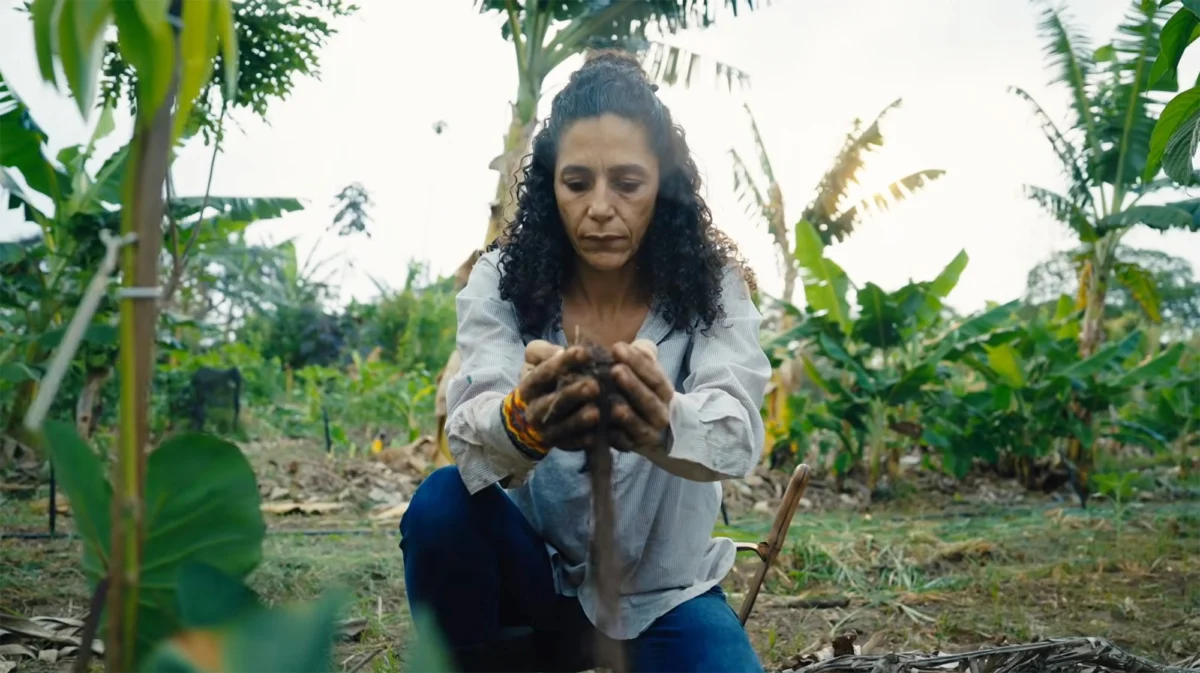
The highly anticipated official trailer for Groundswell, the concluding chapter in a groundbreaking documentary trilogy that began with Kiss the Ground and continued with Common Ground, has been released by Prime Video. Set to premiere on the streaming platform on June 5th, 2026, the film recently held a special screening at the prestigious 2026 Cannes Film Festival, a notable achievement for a documentary. Groundswell embarks on a sweeping cinematic journey across five continents, narrated by acclaimed actors Demi Moore and Woody Harrelson, to explore the transformative potential of regenerative agriculture as a pragmatic and proven solution to some of humanity’s most pressing environmental crises.
At its core, Groundswell champions regeneration – a set of farming practices designed to build living soil, sequester vast quantities of carbon deep underground, and produce more nutrient-dense food on the same acre of land. The documentary posits that these measurable practices, already being implemented at scale by farmers, scientists, Indigenous leaders, and visionaries worldwide, offer a pathway to quietly reverse the interconnected threats of climate change, species extinction, and catastrophic soil loss. The film aims to highlight a positive paradigm shift, presenting a "groundswell of hope" and a tangible blueprint for global ecological renewal.
The Genesis of a Movement: Understanding Regenerative Agriculture
To fully appreciate the significance of Groundswell, it is essential to understand the principles and historical context of regenerative agriculture. Unlike conventional industrial agriculture, which often relies on monoculture, extensive tilling, synthetic fertilizers, and chemical pesticides – practices known to degrade soil health, reduce biodiversity, and contribute significantly to greenhouse gas emissions – regenerative agriculture focuses on restoring and enhancing ecosystems.
Its core principles include minimal soil disturbance (no-till or reduced-till farming), cover cropping (planting non-cash crops to protect and enrich the soil), diverse crop rotations, integrated livestock grazing, and a drastic reduction or elimination of synthetic inputs. These practices work in concert to rebuild soil organic matter, enhance soil biodiversity (including microorganisms, fungi, and invertebrates), improve water infiltration and retention, and, crucially, draw carbon dioxide from the atmosphere and store it as stable carbon in the soil.

Historically, many traditional and Indigenous farming methods around the world inherently embodied regenerative principles, fostering a symbiotic relationship between humans and the land. However, the advent of the Green Revolution in the mid-20th century, with its emphasis on high-yield crop varieties and chemical inputs, led to a widespread adoption of practices that, while increasing food production in the short term, often proved detrimental to long-term soil health and ecological balance.
In recent decades, a growing scientific understanding of soil microbiology, the carbon cycle, and the interconnectedness of ecosystems has fueled a resurgence of interest in regenerative agriculture. Scientists now recognize healthy soil as a living ecosystem teeming with microbial life, capable of sequestering significant amounts of carbon and acting as a vital buffer against climate extremes like drought and flood. The urgency of climate change, coupled with escalating concerns about food security, water scarcity, and biodiversity loss, has propelled regenerative agriculture from a niche concept to a globally recognized potential solution. Data from organizations like the United Nations Food and Agriculture Organization (FAO) indicate that a third of the world’s soil is already degraded, with significant implications for food production and ecosystem services. Regenerative practices offer a tangible pathway to reverse these trends, potentially transforming agriculture from a major contributor to climate change into a powerful climate solution.
The Tickell Trilogy: A Cinematic Call to Action
Groundswell is the culmination of a decade-long cinematic endeavor by co-directors Josh and Rebecca Tickell, known for their dedication to environmental storytelling. Their trilogy has played a pivotal role in bringing the complex science and profound implications of soil health and regenerative agriculture to a global mainstream audience.
The journey began with Kiss the Ground (2020). Narrated by Woody Harrelson, this film served as an accessible introduction to the concept of soil regeneration, explaining how healthy soil can sequester carbon and mitigate climate change. It effectively illustrated the foundational idea that "the solution to climate change is right under our feet." The film gained widespread acclaim, prompting discussions in households, schools, and policy circles about the overlooked power of soil. Its success laid the groundwork for further exploration, demonstrating a significant public appetite for solutions-oriented environmental narratives.
This was followed by Common Ground (2023), which delved deeper into the practicalities and challenges of implementing regenerative practices, particularly within the American agricultural landscape. Narrated by a diverse cast including Laura Dern, Jason Momoa, Rosario Dawson, Donald Glover, Ian Somerhalder, and Woody Harrelson, Common Ground showcased the stories of American farmers transitioning to regenerative methods, highlighting both their struggles and successes. It put a spotlight on the systemic barriers within the industrial food system and explored policy implications, demonstrating how economic incentives and educational initiatives could accelerate the adoption of these beneficial practices. While focusing on America, its themes resonated globally, emphasizing the universal nature of agricultural challenges and the potential for positive change.

Now, Groundswell (2026) expands this narrative to a truly global scale. By journeying across five continents, the film aims to demonstrate that regenerative agriculture is not a localized trend but a worldwide movement with universal applicability. It seeks to connect the dots between diverse cultures, ecosystems, and farming communities, illustrating how a shared commitment to land stewardship can yield profound ecological and social benefits across varied contexts. The "final chapter" aspect implies a comprehensive synthesis of the movement’s potential, showcasing its maturity and widespread adoption.
Key Themes and Global Narrative of Groundswell
Groundswell‘s narrative arc is designed to illuminate the global reach and diverse applications of regenerative practices. While Common Ground had a strong focus on the American experience, Groundswell broadens the scope to showcase the universality of both the ecological challenges and the regenerative solutions.
The film meticulously connects three critical, interconnected crises that threaten humanity: climate change, species extinction, and catastrophic soil loss. It posits that regenerative agriculture offers a multi-faceted solution:
- Climate Change Mitigation: By enhancing soil organic matter, regenerative practices dramatically increase the soil’s capacity to sequester atmospheric carbon. Estimates suggest that if widely adopted, these practices could significantly reduce agricultural greenhouse gas emissions and draw down substantial amounts of legacy carbon from the atmosphere.
- Species Extinction Reversal: Monoculture and pesticide use in conventional farming are major drivers of biodiversity loss, affecting everything from soil microorganisms to pollinators and larger wildlife. Regenerative systems, with their emphasis on diverse cropping, cover crops, and reduced chemical inputs, foster a resurgence of biodiversity both above and below ground, creating healthier ecosystems.
- Catastrophic Soil Loss and Degradation: Decades of intensive tillage and chemical reliance have led to widespread soil erosion and degradation, diminishing the nutrient content of food and the land’s ability to support life. Groundswell highlights how regenerative practices rebuild topsoil, improve soil structure, and enhance nutrient cycling, leading to more resilient and productive farmlands that can withstand environmental shocks.
A cornerstone of Groundswell‘s storytelling lies in its "intimate portraits" of the individuals at the forefront of this movement. The film features farmers from various cultural and economic backgrounds, scientists conducting cutting-edge research, and critically, Indigenous leaders whose ancestral knowledge often predates and profoundly informs modern regenerative concepts. These human stories provide relatable examples of resilience, innovation, and hope, demonstrating that regenerative agriculture is not merely a scientific concept but a deeply human endeavor rooted in stewardship and connection to the land. The inclusion of Indigenous perspectives is particularly vital, acknowledging the centuries of sustainable land management practices developed by native communities worldwide, which often align perfectly with contemporary regenerative principles.
Furthermore, the documentary is expected to address the economic viability of regenerative agriculture. It will likely illustrate how these practices can improve the lives of "poor farmers" by reducing reliance on expensive synthetic inputs, increasing crop resilience to extreme weather events, and potentially leading to higher-value, nutrient-dense produce that commands premium prices in increasingly conscious markets. This economic argument is crucial for demonstrating that environmental sustainability can go hand-in-hand with economic prosperity.

The Filmmakers: Josh and Rebecca Tickell’s Legacy
Josh and Rebecca Tickell have established themselves as prominent voices in environmental documentary filmmaking. Their filmography consistently tackles urgent ecological issues, often moving beyond problem identification to explore viable solutions. Prior to the regenerative agriculture trilogy, their notable works include:
- Fuel (2008): Explored America’s addiction to oil and the potential of biofuels.
- The Big Fix (2011): Investigated the Deepwater Horizon oil spill and the political dynamics of the oil industry.
- On Sacred Ground (2016): Focused on the Standing Rock protests against the Dakota Access Pipeline.
- Regenerate Ojai (2021): A shorter film showcasing regenerative practices in a specific Californian community.
Their consistent approach involves meticulous research, compelling storytelling, and a commitment to empowering audiences with knowledge and hope. With Groundswell, the Tickells continue their legacy of translating complex environmental science into accessible and inspiring narratives, cementing their role as key communicators in the global sustainability movement.
Cannes Film Festival Premiere: A Global Platform
The premiere of Groundswell as a Special Screening at the 2026 Cannes Film Festival is a significant endorsement of the film’s artistic merit and the importance of its subject matter. Cannes is primarily known for its focus on narrative feature films, and documentaries rarely secure such prominent slots. This special recognition elevates Groundswell beyond typical environmental film festivals, placing it on a global stage where it can reach a wider international audience of filmmakers, distributors, journalists, and cultural influencers.
The visibility gained at Cannes can significantly amplify the film’s message, sparking broader media coverage, fostering international collaborations, and potentially influencing policy discussions at a global level. It signals that regenerative agriculture is not just an environmental niche but a subject of significant artistic and societal relevance, deserving of the world’s attention.

Broader Impact and Implications
The release of Groundswell and the completion of the Tickell trilogy are expected to have far-reaching implications across various sectors:
- Policy and Governance: Documentaries like Groundswell can act as powerful catalysts for policy change. By vividly demonstrating the benefits of regenerative agriculture, the film could encourage governments to rethink agricultural subsidies, invest in farmer education and transition programs, and implement land management policies that prioritize soil health and ecological restoration. The global scope of Groundswell may inspire international cooperation on sustainable agricultural practices.
- Consumer Awareness and Demand: The trilogy has already played a role in educating consumers about the origins of their food and the environmental impact of agricultural practices. Groundswell is likely to further increase consumer demand for regeneratively grown products, influencing purchasing decisions and prompting food companies to adopt more sustainable sourcing strategies. This growing consumer consciousness can drive market forces towards regenerative systems.
- Investment and Business: The increasing public and policy interest in regenerative agriculture is attracting significant investment. From impact investors looking for sustainable solutions to large food corporations seeking to green their supply chains, the business world is increasingly recognizing the financial and reputational benefits of regenerative practices. Groundswell could further accelerate this trend, highlighting successful models and opportunities for innovation in the agricultural sector.
- Education and Research: The film’s comprehensive overview of regenerative agriculture makes it a valuable educational tool. It can be utilized in classrooms from primary to university levels to teach about ecology, sustainable food systems, climate science, and Indigenous knowledge. Furthermore, by showcasing cutting-edge research and on-the-ground innovations, Groundswell may inspire further scientific inquiry and development in regenerative practices.
- Community Building and Social Change: The "groundswell" metaphor itself speaks to the idea that widespread, decentralized action can lead to monumental change. By featuring diverse communities and individuals globally, the film reinforces the idea that collective effort, driven by shared values of stewardship and sustainability, can create a powerful movement for global renewal. It offers a message of empowerment, suggesting that the path to healing the planet begins at the most fundamental level: the soil under our feet.
As droughts, floods, and food insecurity intensify worldwide, Groundswell arrives at a critical juncture, offering not just a stark portrayal of environmental challenges but a compelling vision of hope and practical solutions. The film invites audiences to reconsider their relationship with the Earth, emphasizing that agriculture, often seen as a driver of environmental degradation, can in fact be a primary means to balance the Earth’s climate and restore its vitality. The June 5th, 2026 release on Prime Video will make this essential final chapter accessible to a global audience, inviting widespread engagement with the transformative potential of regenerative agriculture.