
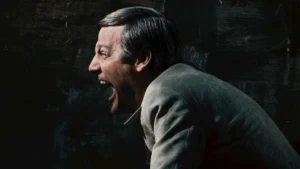


The year 2008 marked a significant period for cinematic releases, with anticipation high for several films positioned as potential major award contenders. Among these was "Revolutionary Road," a period domestic drama helmed by Academy Award-winning director Sam Mendes, then married to lead actress Kate Winslet. The film, adapted by Justin Haythe from Richard Yates’ acclaimed novel of the same name, featured a star-studded cast including Leonardo DiCaprio, Michael Shannon, Kathryn Hahn, David Harbour, and Kathy Bates. Despite its pedigree and an ambitious Christmas 2008 release window, the film garnered a complex reception, ultimately securing three Academy Award nominations but falling short of the widespread accolades many had predicted. This retrospective delves into the enduring legacy of "Revolutionary Road," examining its artistic merits, its awards season journey, and its lasting impact on audiences and critics alike.
The Genesis of a Domestic Drama
Richard Yates’ 1961 novel, "Revolutionary Road," painted a stark and unflinching portrait of suburban disillusionment in the 1950s. The story centers on Frank and April Wheeler, a young couple who move to the Connecticut suburbs with aspirations of an unconventional and fulfilling life, only to find themselves trapped by societal expectations and their own internal struggles. The novel was lauded for its sharp social commentary and psychological depth, making it a compelling source material for a cinematic adaptation.
The film adaptation, brought to the screen by Sam Mendes, was a passion project that aimed to translate Yates’ literary nuances to the visual medium. Mendes, who had previously won an Academy Award for Best Director for "American Beauty" (1999), brought his keen eye for dissecting the complexities of human relationships and societal pressures to "Revolutionary Road." The casting of Leonardo DiCaprio and Kate Winslet, who had previously captivated audiences as Jack and Rose in James Cameron’s "Titanic" (1997), immediately elevated the film’s profile. Their reunion on screen was met with significant media attention, further fueling expectations for the film’s success.
A Star-Studded Ensemble and Critical Reception
The ensemble cast of "Revolutionary Road" was a critical component of its initial buzz. Leonardo DiCaprio, already a global superstar, and Kate Winslet, an established critically acclaimed actress, anchored the film as the troubled Wheeler couple. Michael Shannon delivered a breakout performance as their psychologically disturbed neighbor, John Givings, earning him an Academy Award nomination for Best Supporting Actor. The supporting cast, including Kathryn Hahn, David Harbour, and the veteran Kathy Bates, provided depth and nuance to the suburban landscape.
Upon its release, "Revolutionary Road" received a spectrum of reviews. While many critics acknowledged the film’s technical prowess and the strong performances, particularly from Winslet, DiCaprio, and Shannon, the overall critical consensus was divided. Some lauded the film for its unflinching portrayal of marital strife and the suffocating nature of conformity, while others found its tone too bleak or its narrative overly melodramatic. The film’s critical reception can be characterized as "mixed but still positive," indicating a recognition of its artistic merits alongside reservations about its execution or thematic resonance.
The Awards Season Run: A Tale of Two Performances
"Revolutionary Road" was widely anticipated to be a significant player in the 2009 Academy Awards race. The film’s pedigree, its adult themes, and its strong performances all pointed towards a robust awards season campaign. The film ultimately secured three Academy Award nominations:
- Best Supporting Actor: Michael Shannon for his portrayal of John Givings.
- Best Art Direction: Kristi Zea and Derek R. Hill.
- Best Costume Design: Albert Wolsky.
However, the narrative surrounding Kate Winslet’s potential Oscar win took an unexpected turn. Despite her Golden Globe win for Best Actress in a Motion Picture – Drama for her role in "Revolutionary Road," and nominations from BAFTA and the Screen Actors Guild, the Academy ultimately recognized her for a different 2008 performance. Winslet won the Academy Award for Best Actress for her role as Hanna Schmitz in Stephen Daldry’s "The Reader." This dual-nomination scenario for Winslet highlighted her extraordinary output in 2008 and underscored the competitive nature of the awards season.
Leonardo DiCaprio, while delivering a powerful performance, did not receive an Academy Award nomination for "Revolutionary Road." This absence was noted by many critics and industry observers, given his significant contribution to the film.
Artistic Merits and Technical Achievements
Beyond its awards season trajectory, "Revolutionary Road" stands as a testament to strong filmmaking craft. The film’s visual style was a significant talking point, with Roger Deakins‘ cinematography capturing the idyllic yet ultimately sterile facade of 1950s suburbia. Deakins, a renowned cinematographer with multiple Oscar nominations and wins, employed a visual language that underscored the characters’ internal struggles against the backdrop of perceived perfection. The meticulous production design and costume design further immersed the audience in the period, creating a palpable sense of time and place.

The musical score, composed by Thomas Newman, also played a crucial role in shaping the film’s emotional landscape. Newman, a frequent collaborator with Sam Mendes and a prolific film composer, crafted a score that oscillated between poignant melancholy and unsettling tension, effectively mirroring the characters’ unraveling lives.
Enduring Themes and Critical Re-evaluation
More than a decade after its release, the question of how "Revolutionary Road" has held up remains pertinent. The film’s exploration of themes such as disillusionment, societal expectations, the pursuit of authenticity, and the complexities of marriage continues to resonate. The era depicted, the 1950s, was a period often characterized by outward conformity and a prescribed vision of the American Dream, making the Wheelers’ rebellion against this norm both relatable and tragic.
The film’s unflinching portrayal of marital conflict and the psychological toll of unfulfilled aspirations can be seen as a precursor to later explorations of similar themes in cinema. While some may still find the film’s descent into despair challenging, its artistic merit and the committed performances of its cast continue to be recognized. The film’s dialogue, often sharp and psychologically astute, further contributes to its lasting impact.
The Podcast Retrospective: A Deep Dive
To further explore the nuances of "Revolutionary Road," a detailed retrospective podcast hosted by Lauren LaMagna, Dan Bayer, Amy Kim, and the author offers an in-depth analysis. This discussion delves into various aspects of the film, including:
- Sam Mendes’ Direction: An examination of Mendes’ directorial choices, his ability to elicit powerful performances, and his thematic focus on the darker undercurrents of seemingly perfect lives.
- The Story’s Themes: A thorough discussion of the novel’s core themes of suburban alienation, the pursuit of happiness, the limitations of societal roles, and the destructive nature of unexpressed desires.
- Roger Deakins’ Cinematography: An analysis of how Deakins’ visual storytelling contributes to the film’s atmosphere, highlighting his use of light, shadow, and composition to convey the characters’ internal states and the oppressive environment.
- Thomas Newman’s Score: An exploration of how Newman’s musical contributions enhance the emotional weight of the film, underscoring moments of hope, despair, and psychological tension.
- The Performances: A detailed appraisal of the acting, with particular attention paid to the central performances of Winslet and DiCaprio, and the standout supporting role of Michael Shannon. The podcast likely discusses the actors’ interpretations of their characters and their chemistry.
- The Awards Season Run: A critical look at the film’s reception within the awards landscape, including the nominations received and the broader context of Oscar campaigning in 2008-2009.
- Spoiler-Filled Review: The podcast format allows for a comprehensive, uninhibited discussion of the film’s narrative arc and thematic conclusions, engaging directly with the entirety of the cinematic experience.
Broader Context and Future Considerations
The release of "Revolutionary Road" occurred at a time when the cinematic landscape was still grappling with the aftermath of the 2008 financial crisis, a period that saw a heightened awareness of economic anxieties and societal pressures. While the film is set in the 1950s, its themes of aspirational dreams meeting harsh realities can be interpreted through a contemporary lens. The film serves as a cautionary tale about the dangers of sacrificing personal fulfillment for perceived societal success and the importance of open communication within relationships.
The ongoing retrospective of 2008 films, including previous discussions on "Frost/Nixon," "Doubt," and "Changeling," places "Revolutionary Road" within a broader context of critically acclaimed films from that year. This comparative approach allows for a richer understanding of the cinematic trends and thematic preoccupations of the period.
The continued engagement with films like "Revolutionary Road" underscores their enduring artistic and cultural significance. The film’s ability to provoke discussion and elicit strong reactions, even years after its initial release, is a testament to its power as a piece of filmmaking that dares to explore the darker, more complex aspects of the human condition. The podcast, as a platform for detailed analysis and fan engagement, further solidifies the film’s place in cinematic discourse, inviting audiences to revisit and re-evaluate its enduring impact.
This article is a preview of a podcast episode. The full, spoiler-filled review of "Revolutionary Road" is available to subscribers of the Next Best Picture Patreon.
The Next Best Picture Podcast is part of the Evergreen Podcasts Network and is available on all major podcast platforms. Listeners are encouraged to subscribe, review, and support the podcast on Patreon for exclusive content.