
The cinematic landscape is perpetually seeking compelling narratives to illuminate the foundational figures of history, particularly as significant national anniversaries loom. With the United States approaching pivotal moments, the allure of delving into the lives of those instrumental in its formation intensifies. George Washington, a name synonymous with American leadership, is a subject frequently revisited. However, much of the public’s familiarity with him is confined to his pivotal role in the Revolutionary War, his tenure as the first president, and his enduring image on currency. The film "Young Washington" endeavors to chart the formative years of this iconic figure, a journey preceding the revolutionary fervor that would define his legacy. While the intention is commendable, the execution struggles to consistently deliver a captivating portrayal of a man on the cusp of becoming a legend.
Genesis of a Leader: The French and Indian War as a Crucible
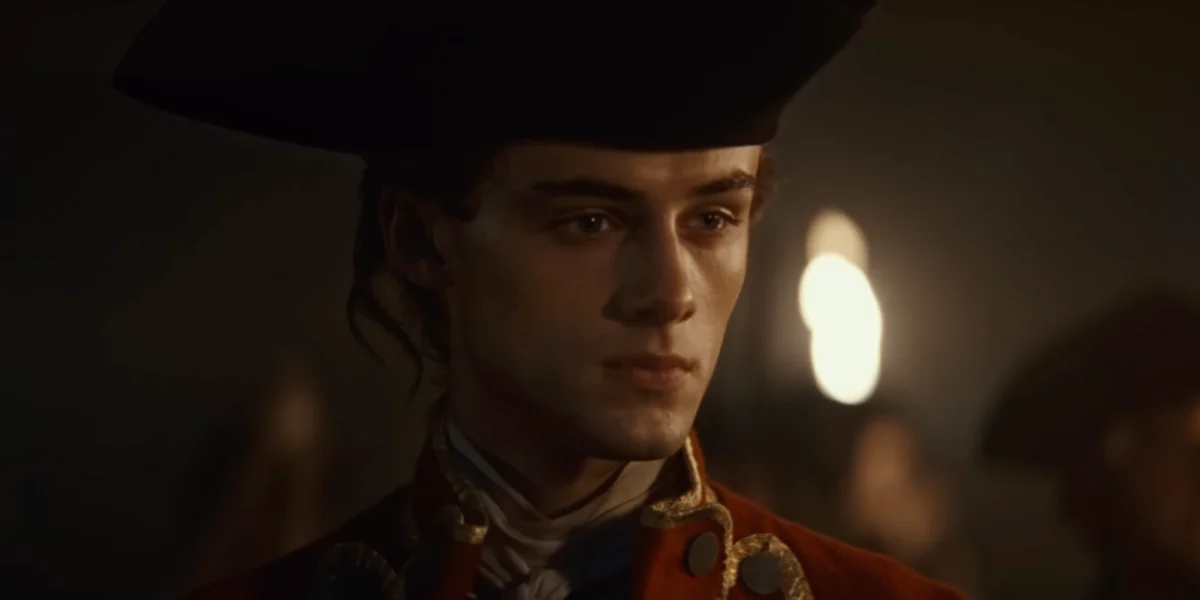
The narrative of "Young Washington" focuses on the early military career of George Washington, long before he became a general leading a nascent nation against British colonial rule. At this juncture, Washington, portrayed by William Franklyn-Miller, is a young man driven by ambition to ascend within the ranks of the British army. His social standing presents considerable obstacles to advancement, yet he benefits from the tutelage of his half-brother, Lawrence Washington (played by John Foss), who imparts crucial practical knowledge. The outbreak of the French and Indian War (1754-1763) in the disputed territories of North America presents Washington with a critical opportunity to prove his mettle.
This period was a crucial geopolitical struggle for control of colonial territories, primarily between Great Britain and France, with Indigenous alliances playing significant roles on both sides. The war’s roots lay in competing territorial claims, particularly in the Ohio River Valley, a region of immense strategic and economic importance. For a young Washington, eager to establish his reputation, this conflict offered a volatile but potentially rewarding arena. His early military engagements, however, yielded a mixed record of successes and setbacks. His capacity for self-directed analysis and strategic thinking garnered the respect of some superiors, while simultaneously drawing the ire of those who held prejudiced views based on his less affluent background. Victories were interspersed with significant defeats, each experience serving as a vital lesson in territorial understanding, enemy tactics, and the burgeoning determination that would ultimately propel him toward greatness.
Cinematic Ambitions and Visual Realities
The filmmakers behind "Young Washington" aimed to evoke the grandeur and scope of historical epics that have previously chronicled this era, such as "The Patriot" or the HBO series "John Adams." Director Jon Erwin and co-writers Tom Provost and Diederik Hoogstraten have sought to create a visually immersive experience. The cinematography employs atmospheric lighting, with smoke and candlelight contributing to a sense of a bygone era. Aerial drone shots are utilized in an attempt to convey the vastness of the landscapes.
However, the execution of these ambitious visual goals is often hampered by resource limitations and stylistic choices. The battle sequences, intended to portray the visceral nature of 18th-century warfare, resort to shaky handheld camera work and unconvincing CGI effects. The absence of graphic realism suggests an attempt to appeal to a broader, potentially family-friendly audience, which inadvertently dilutes the impact of the conflict. This compromise affects both the historical authenticity of the period recreation and the dramatic arc of Washington’s character development.
A significant point of contention arises from the evident use of generative artificial intelligence in certain scenes, particularly in larger set pieces. While the credits acknowledge AI "artists," the extent of its application remains unclear. The visual results are, at best, underwhelming, and at worst, represent a questionable creative decision that detracts from the narrative’s immersion. This technological intervention, regardless of its intent, ultimately fails to enhance the storytelling and instead highlights the film’s visual shortcomings. The overall presentation, therefore, struggles to achieve the compelling and epic feel it aspires to, falling short of the visual benchmarks set by earlier historical dramas.
Narrative Momentum and Character Development
A primary challenge for "Young Washington" lies in its narrative momentum and the depth of its character development. The film struggles to build a compelling layered portrait of Washington, with his rise through the military ranks often appearing to be a result of circumstance rather than demonstrated merit. Following a particularly demoralizing defeat at Fort Necessity, a humbled Washington is depicted as seeking to regain his resolve. However, the narrative largely bypasses a genuine reckoning with the role of sheer luck in his early career, failing to deeply explore his tactical acumen.
Instead of showcasing profound military strategy, Washington is often portrayed with a degree of ego and miscalculation. The climactic battle, intended to be a heroic triumph, is presented as an achievement driven primarily by brute force. This abrupt transformation into a modern action hero, complete with improbable horse riding and dual-wielding, accompanied by unconvincing explosions, undermines the historical context and the film’s otherwise measured pacing. This jarring finale stands in stark contrast to the laborious progression of the story, further exacerbated by a cast of characters who, despite their caliber, fail to generate significant on-screen magnetism. The film’s pacing often feels sluggish, impeding the audience’s engagement with Washington’s journey and the historical period.
Performances: A Mixed Ensemble
William Franklyn-Miller, tasked with embodying the young George Washington, faces the formidable challenge of humanizing a figure largely perceived through the lens of legend. His performance, while attempting to convey internal turmoil, lacks the captivating presence needed to anchor such a significant role. There is a perceived anachronism in his appearance, described by some as an "iPhone face," which makes it difficult for audiences to fully immerse themselves in the 18th-century setting. While he offers subtle hints of inner conflict, his portrayal ultimately lacks the gravitas required to carry the weight of the narrative.
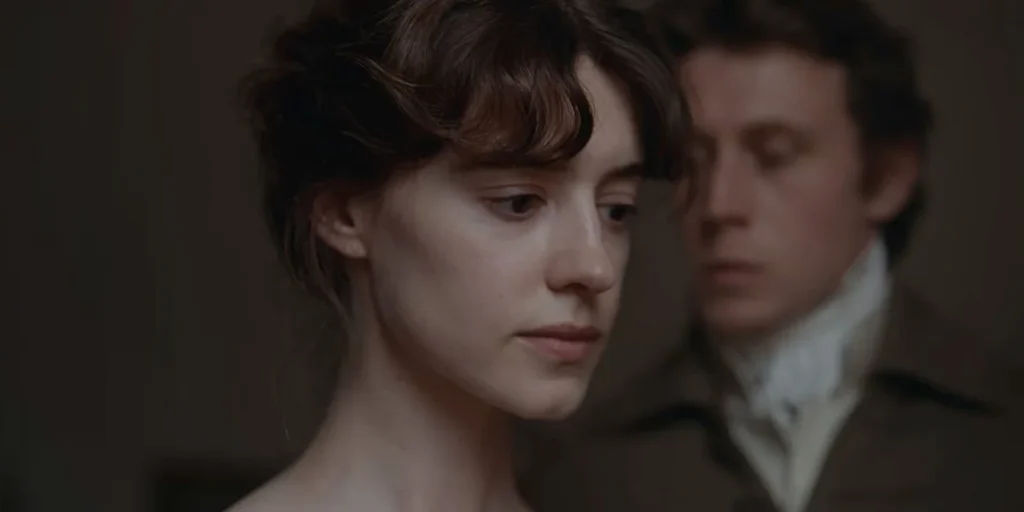
This struggle with presence extends to many of his younger co-stars. Mia Rodgers, as a potential love interest, exhibits a noticeable lack of chemistry with Franklyn-Miller, further hindered by an unconvincing wig. The performances of veteran actors offer moments of distinction but are not consistently impactful. John Foss, as Lawrence Washington, provides a foundational presence, but his role, like that of Kelsey Grammer, who appears somewhat disengaged as a supporting figure, doesn’t quite ignite the screen.
Mary-Louise Parker, cast as Washington’s mother, delivers a performance that, while restrained, showcases her inherent talent in a role that demands little more than quiet suffering. Ben Kingsley, in his limited appearances as the Virginia governor, brings a certain gravitas to the proceedings. Despite a reputation for sometimes delivering perfunctory performances, Kingsley’s presence, even in brief scenes, offers a welcome contrast to the more subdued energy of the younger cast. Similarly, Andy Serkis, portraying a seasoned commander, injects his character with a degree of eccentricity that makes his scenes more engaging, even if it doesn’t represent his most celebrated work. These seasoned actors, in their limited screen time, provide glimpses of the dramatic depth the film could have otherwise achieved.
Historical Nuance and Unaddressed Complexities
"Young Washington" ultimately functions more as a superficial historical lesson than an inspiring piece of cinematic storytelling. While the film aims to depict the formative years of a pivotal historical figure, its execution is largely mundane. Beyond the visual and narrative shortcomings, the film conspicuously avoids delving into the deeper complexities of Washington’s life and the era in which he lived.
The film touches upon alliances with Native American tribes without acknowledging the subsequent and devastating impact of westward expansion and the genocide of Indigenous peoples. Similarly, the issue of slavery is mentioned but not explored with the necessary depth to confront Washington’s own personal involvement in and perpetuation of the institution. These significant historical oversights leave a void in the portrayal of a man whose life was intrinsically linked to these profound injustices.
Furthermore, the film’s focus on Washington’s bravery in service to an institution that ultimately led to rebellion raises questions about the narrative’s ultimate purpose. Investing in his devotion to a cause that, while revolutionary, was deeply intertwined with the exploitation and subjugation of others, feels like a missed opportunity for critical examination. The film’s visual deficiencies, whether stemming from budget constraints or an overreliance on generative AI, further underscore these narrative and thematic weaknesses.
While there is always value in exploring the lives of significant historical figures, "Young Washington" falls short of delivering the nuanced and comprehensive portrait that George Washington’s multifaceted legacy deserves. While it avoids outright hagiography, the film leans heavily towards an uncritical celebration, failing to grapple with the moral ambiguities and systemic issues that defined his time and continue to resonate today. The potential for a truly insightful exploration of this pivotal figure remains, but "Young Washington" does not fulfill that promise.