


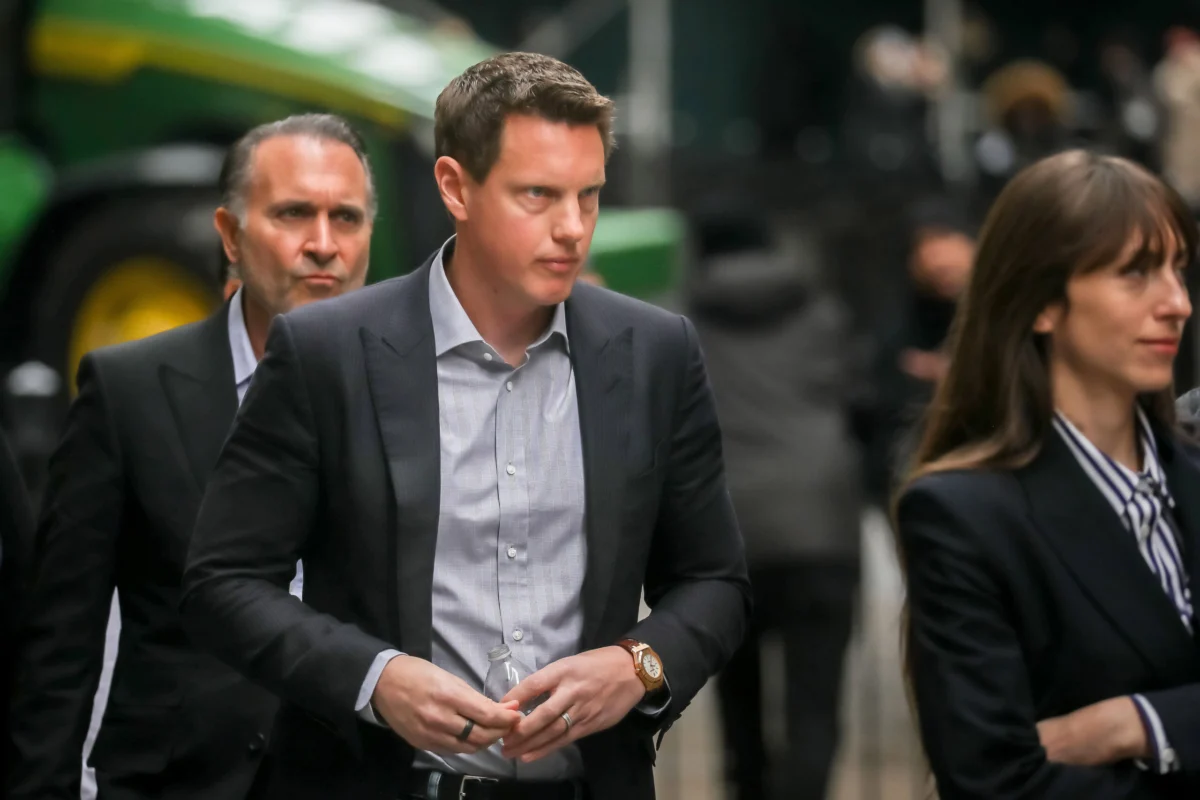
David Ellison, the founder of Skydance Media and son of tech titan Larry Ellison, finds himself at a precarious crossroads. Having assumed the helm of the newly formed Paramount Skydance just over a year ago, the younger Ellison has spent the entirety of his tenure orchestrating what is arguably the most complex and consequential merger in modern Hollywood history: the $110 billion acquisition of Warner Bros. Discovery (WBD). While Ellison remains publicly bullish on the deal’s necessity, the transaction has stalled under the weight of a multi-state antitrust lawsuit led by California Attorney General Rob Bonta, threatening to turn a strategic masterstroke into a costly logistical quagmire.
The path to this impasse has been anything but linear. Following three unsolicited bids launched in September 2025, Ellison successfully maneuvered to intercept a pre-existing plan by Warner Bros. Discovery to split its operations into two distinct public entities. When WBD’s board initially favored a deal with Netflix, Ellison pivoted to a hostile takeover strategy, appealing directly to shareholders with a premium offer that eventually forced Netflix to abandon its bid in February 2026. Despite clearing global regulatory hurdles and receiving the green light from the U.S. Department of Justice’s Antitrust Division, the deal now faces a high-stakes trial scheduled for March 2027.
A Timeline of the Pursuit
The friction between Paramount Skydance and the state attorneys general represents the final, and perhaps most difficult, hurdle in a long-standing consolidation saga. The conflict intensified in July 2026 when a coalition of 12 states filed a lawsuit to block the merger. The legal challenge focuses on two primary areas of concern: the concentration of power within the domestic pay-TV network ecosystem and the combined entity’s influence over theatrical film distribution.
For Ellison, the delay is not merely a legal nuisance; it is a financial drain. As the transaction remains in limbo, Paramount faces mounting costs, including a "ticking fee" payable to WBD shareholders that grows heavier by the day. In response, Paramount has formally requested that the court compel the suing states to post a $1.88 billion bond, arguing that such a sum is necessary to mitigate the mounting financial liabilities caused by the litigation.
The Argument for Scale
The core of Ellison’s defense rests on the premise of defensive consolidation. Industry analysts, including those at Bernstein, have frequently observed that while the merger creates a larger market participant, it does not necessarily constitute an illegal monopoly. The central argument is that neither Paramount nor Warner Bros. Discovery possesses the individual scale required to compete effectively against the dominant global streaming platforms and the deep-pocketed technology giants that have disrupted the traditional media business model.

In recent earnings reports, both companies have laid bare the fragility of the legacy media model. The decline in linear television advertising and distribution revenue remains the single most significant headwind for both firms. By combining portfolios—which include iconic brands like Nickelodeon, MTV, BET, TNT, TBS, CNN, and the Discovery Channel—Ellison aims to create a unified streaming service by merging Paramount+ and HBO Max. This, he argues, would provide the necessary leverage to stabilize revenues and fund the high-cost content production required to retain subscribers in an era of rapid cord-cutting.
The Regulatory Standoff
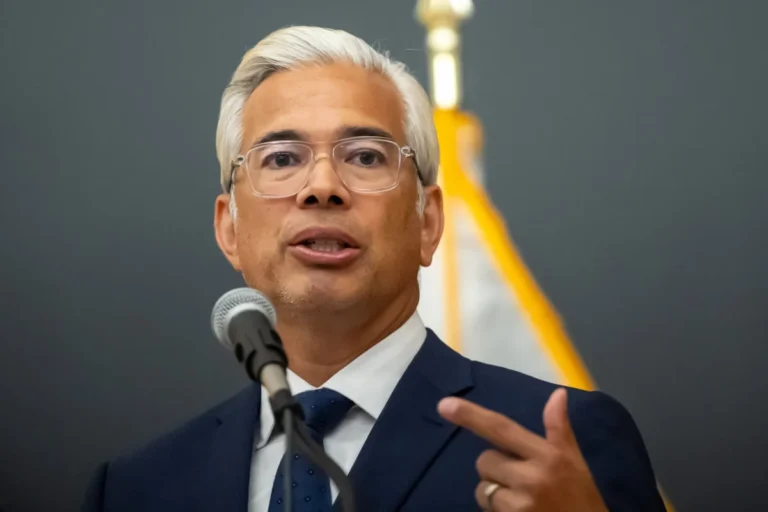
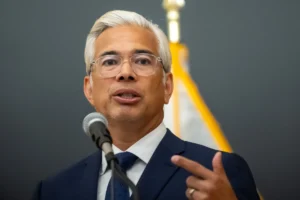
The tension between Paramount and California’s Attorney General Rob Bonta has reached a fever pitch. Bonta has explicitly characterized the proposed merger as a threat to competition, particularly in the markets for film and television content. During a recent CNBC appearance, Bonta dismissed the company’s focus on streaming as a "distraction," insisting that the state’s lawsuit is strictly concerned with the potential for anticompetitive behavior in traditional broadcast and cable markets.
The conflict took a turn for the worse in late August 2026, when private settlement discussions collapsed. Reports of a potential deal, which allegedly involved the divestiture of certain pay-TV networks, were leaked to the press. Bonta subsequently called off negotiations, accusing Paramount of leaking the details and demonstrating a "lack of good faith." While Paramount has denied being the source of the leak, the breakdown in communication has left the two parties with no clear path forward other than a courtroom showdown.
Impact on the Hollywood Ecosystem
Beyond the boardroom, the merger has sent shockwaves through the creative community. To appease fears regarding the consolidation of theatrical power, Ellison has engaged in a campaign to win over exhibitors. Paramount has reportedly offered ironclad contracts guaranteeing a minimum output of 30 films annually, paired with a 45-day exclusive theatrical window for at least three years.
This maneuver is a direct response to the argument that the combined entity would control roughly 27% of U.S. theatrical releases and 30% of blockbuster distribution. Critics, including the suing attorneys general, argue that these figures represent a dangerous concentration of power. Conversely, supporters of the deal suggest that such market share is not static; it is entirely dependent on the quality of the annual content slate, and that the combined entity would merely be a more efficient competitor, not an unassailable titan.
Broader Implications for the Media Sector
The outcome of this trial will likely set a precedent for the future of media mergers. With nearly $80 billion in combined debt following the potential acquisition, the new entity would be under immense pressure to realize operational synergies quickly. However, the regulatory environment has become increasingly hostile toward large-scale media consolidation, with officials like Bonta looking to fill the perceived regulatory gaps left by federal authorities.

The role of the Ellison family’s political associations has also complicated the narrative. Larry Ellison’s public support for Donald Trump has invited scrutiny, particularly as the former president has openly expressed a desire to see CNN—currently owned by WBD—fall under different management. While Paramount maintains that its merger strategy is purely business-driven, the political optics have provided ammunition for opponents of the deal who argue that the merger is susceptible to influence that prioritizes specific media outlets over consumer interests.
Looking Toward the March Trial
As the industry looks toward March 2027, the stakes could not be higher. Paramount’s lead trial attorney, Jeffrey Kessler, has expressed unwavering confidence in the company’s legal position, going as far as to suggest that the firm is prepared to take the matter to the Supreme Court if necessary.
For the time being, the company is attempting to walk a fine line: aggressively defending its strategic vision in the media, while simultaneously attempting to re-engage with regulators behind closed doors. Whether the "ticking fees" and the threat of prolonged litigation will eventually force Ellison to offer more substantial concessions remains the primary question for investors.
What is certain is that the media landscape is undergoing a structural transformation that no single company can navigate alone. If the Paramount-WBD merger is blocked, it may signal the end of an era of mega-mergers in entertainment, forcing companies to find alternative, likely more painful, paths to solvency. If it succeeds, it will create a media powerhouse capable of shifting the competitive balance in Hollywood, setting a new benchmark for how legacy companies attempt to survive in the digital age. For now, David Ellison remains committed to the gamble, betting that the long-term benefits of the union far outweigh the short-term chaos of the courtroom.