

The New York Times recently published a comprehensive retrospective titled The 100 Best TV Shows of the 21st Century, a critical assessment that attempts to codify the most influential, artistic, and culturally significant television programs since the year 2000. As the landscape of home entertainment has shifted from linear broadcast and cable toward a streaming-first model, this list serves as a historical marker for how the medium has evolved. For subscribers and industry analysts alike, the inclusion of Netflix Originals within this top-tier hierarchy offers a quantifiable metric of the platform’s transition from a content aggregator to a global production powerhouse.
The list, which sparked immediate debate regarding the criteria for "prestige" television, highlights a significant shift in the cultural hegemony once held exclusively by traditional cable networks. While HBO, the long-standing gold standard for high-end drama, maintains a formidable presence on the list, Netflix’s performance indicates that its investment in high-budget, creator-driven content has successfully bridged the gap between popular consumption and critical acclaim.
A Chronology of Critical Recognition
The timeline of Netflix’s involvement in prestige television can be traced back to 2013, a watershed moment for the company. Prior to this period, Netflix functioned primarily as a secondary window for licensed content. The release of House of Cards in 2013 marked the first time a streaming service received significant recognition from the Primetime Emmy Awards and other critical bodies.
Throughout the 2010s, the company’s strategy shifted from acquiring library content to an aggressive expansion of original production. This period saw the launch of shows like Orange Is the New Black, BoJack Horseman, and Stranger Things, each of which challenged traditional episodic structures and audience demographics. By 2020, Netflix had solidified its status as a major player in the "Peak TV" era, characterized by an unprecedented volume of content and a significant increase in the average production budget per episode. The recent New York Times ranking validates this decade-long pivot, acknowledging that the platform is no longer merely a distribution hub but a creator of lasting cultural artifacts.
Data Analysis and Market Positioning
A breakdown of the titles included in the New York Times ranking reveals a nuanced picture of the current streaming environment. Out of the 100 shows identified, Netflix holds the distribution rights to a significant percentage, either through direct ownership of "Originals" or through strategic licensing agreements.
Data suggests that approximately 16% of the programs featured on the list are available for streaming on Netflix in the United States. This includes a two-tiered categorization of the platform’s library:
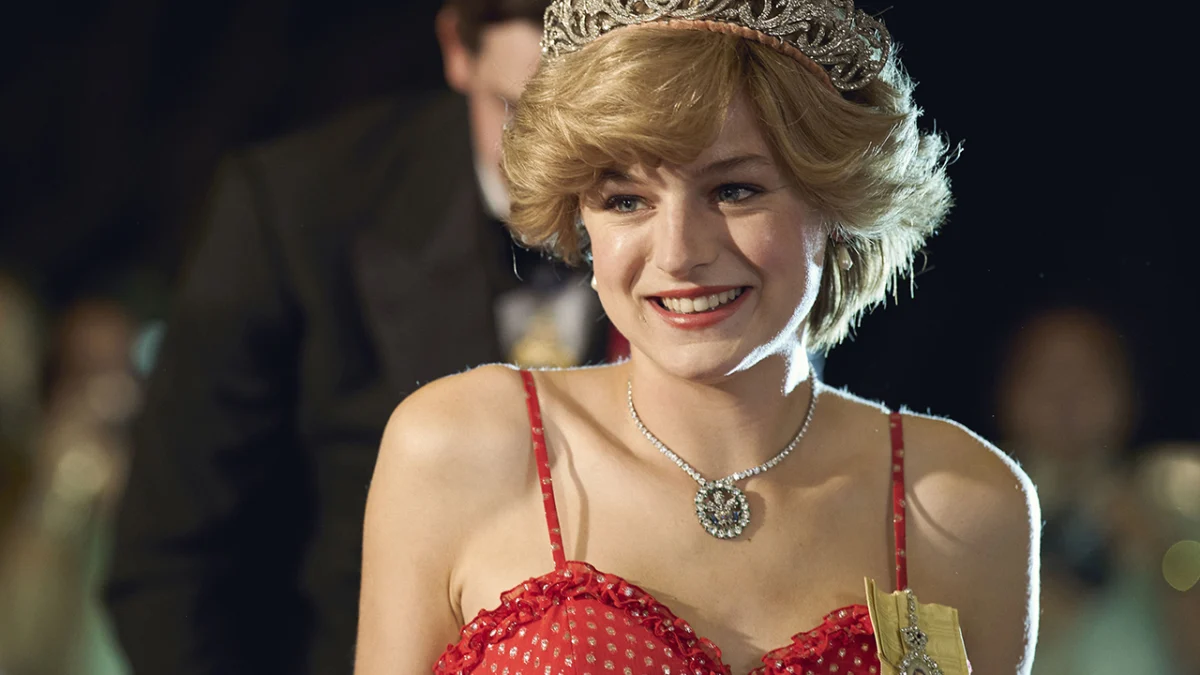
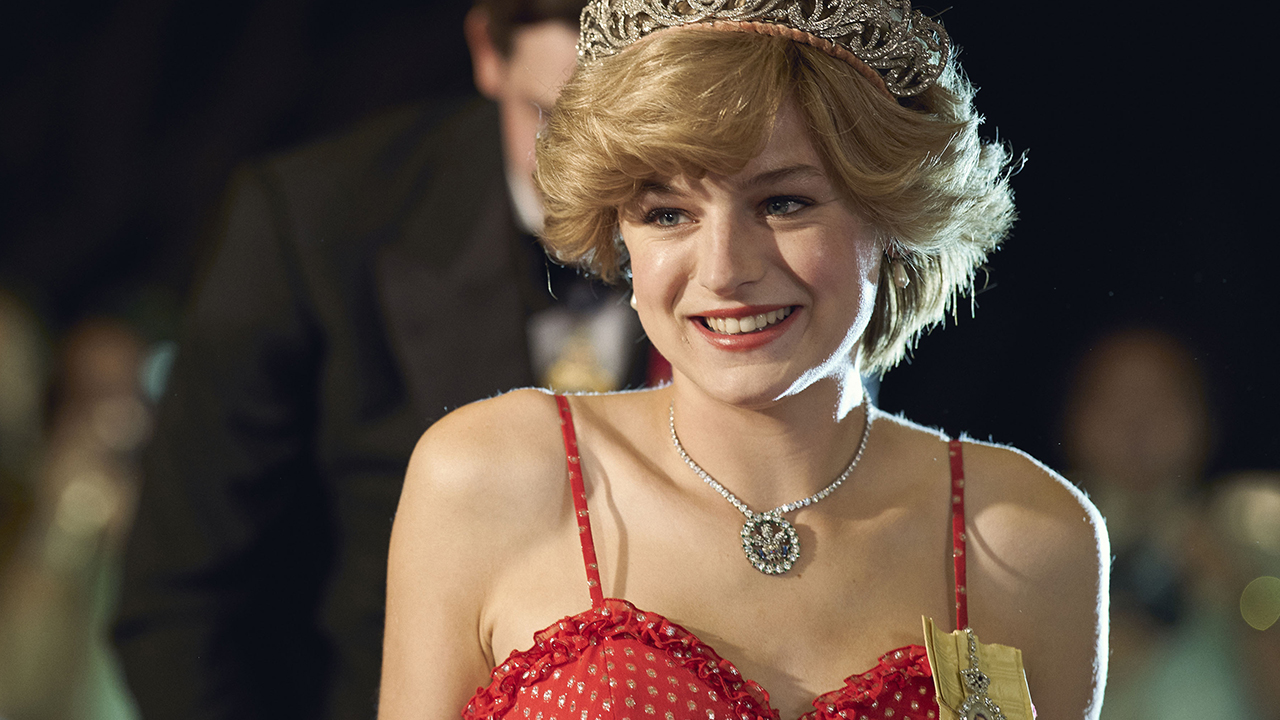
- Commissioned Originals: These represent the core of Netflix’s prestige strategy. Shows such as The Crown, BoJack Horseman, and Stranger Things have been recognized for their high production value, narrative ambition, and significant cultural footprint.
- Licensed Prestige Content: Netflix’s ability to secure long-term licensing deals for critically acclaimed shows that originated elsewhere—such as Breaking Bad, Better Call Saul, Scandal, and Homeland—demonstrates a dual-track strategy. By supplementing its own originals with legacy television that the public already associates with critical excellence, Netflix creates a "one-stop-shop" value proposition that competitors with narrower catalogs often struggle to replicate.
Industry Implications and Strategic Shifts
The inclusion of these titles on such a prestigious list carries significant weight for the streaming industry. For decades, the "prestige" label was reserved for shows that prioritized artistic integrity over broad, populist appeal. The New York Times list, by incorporating genre-bending shows and international successes like Squid Game, suggests that the definition of quality has broadened to include global impact and technological innovation.
From a business perspective, the recognition of Netflix’s original content serves as a defense against the ongoing narrative that streaming services are prioritizing quantity over quality. While Netflix continues to produce a high volume of content to satisfy its global subscriber base, the presence of its titles on this list provides evidence that the company is capable of producing enduring, high-quality television that stands the test of time.
Furthermore, the licensing of shows like Breaking Bad underscores a critical trend: the reliance on established intellectual property. As production costs rise, the value of a proven, critically acclaimed library increases. Netflix’s strategy of acting as a home for both its own creative risks and established, award-winning dramas allows it to mitigate the volatility inherent in original content production.

Official Responses and Public Reception
While the New York Times has not issued a formal statement regarding the specific methodology used to weigh "prestige" against "popularity," the list’s release has elicited responses across social media and academic circles. Critics have noted the absence of certain cult-classic series, such as the German sci-fi epic Dark or the procedural drama Mindhunter, both of which are frequently cited by fans as having redefined their respective genres.
These "snubs" highlight the subjectivity of such rankings. However, the discourse surrounding these omissions serves to emphasize how much weight audiences now place on Netflix’s internal catalog. Ten years ago, a list of the 100 best shows of the century would have been dominated almost entirely by HBO, AMC, and NBC. Today, the conversation is fundamentally centered on the streaming experience, with Netflix serving as a primary participant in the debate.
The Future of Streaming Prestige
The broader impact of this list is a clearer understanding of the "Streaming Wars" phase of the 2020s. As major studios pull their licensed content back to their own proprietary platforms, the value of a service is increasingly defined by the durability of its original library.
Netflix’s current positioning suggests a focus on sustainable quality. By investing in diverse genres—from the historical drama of The Crown to the animated satire of BoJack Horseman—the platform has diversified its critical portfolio. Moving forward, the industry will likely monitor how many of these shows remain on the platform as licensing contracts expire and the battle for content ownership intensifies.
For the average viewer, the New York Times list functions as a curated guide, and the fact that a significant portion of these recommendations is available on Netflix reinforces the platform’s role as the primary aggregator of 21st-century television history. Whether the platform can maintain this momentum in the face of increasing competition and rising production costs remains to be seen. However, the data confirms that for the first quarter of the century, Netflix has successfully transitioned from a peripheral technology service to an essential cornerstone of global television culture. The consensus remains that while critics may argue over the exact ordering of the list, the inclusion of these specific titles marks a permanent shift in the hierarchy of television history.