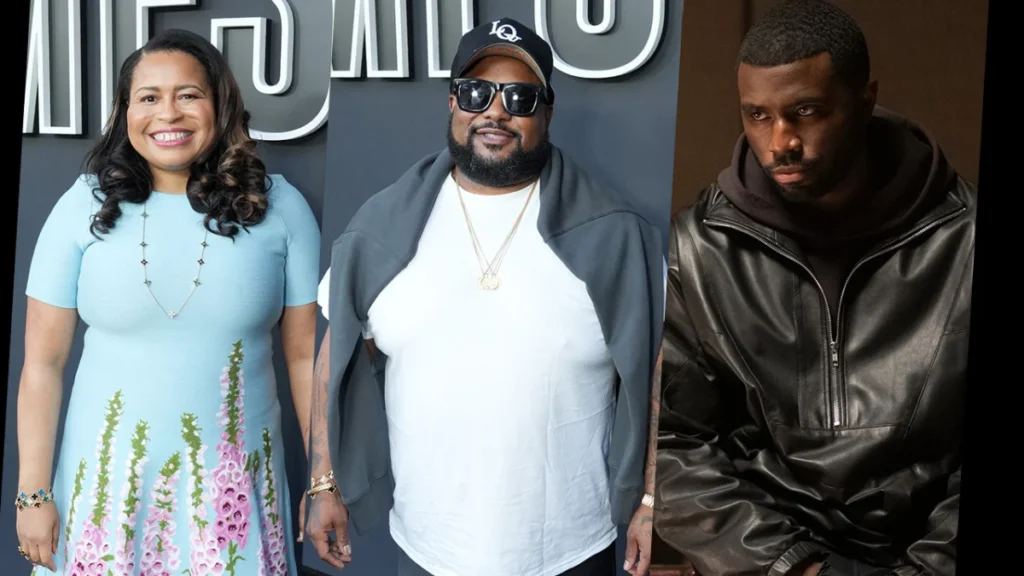

The modern digital public square has undergone a seismic architectural shift, most notably characterized by the migration of prominent cultural commentators, activists, and marginalized communities from the platform formerly known as Twitter to Meta’s text-based application, Threads. This diaspora of digital engagement reached a critical inflection point following a Mississippi grand jury’s decision to decline criminal charges in the tragic death of Nolan Wells, an 18-year-old Black college student. Wells had mysteriously disappeared on Horn Island while traveling alongside a group of white acquaintances, and his subsequent discovery lifeless in local waters ignited nationwide racial tensions and intense scrutiny over state-level legal proceedings.
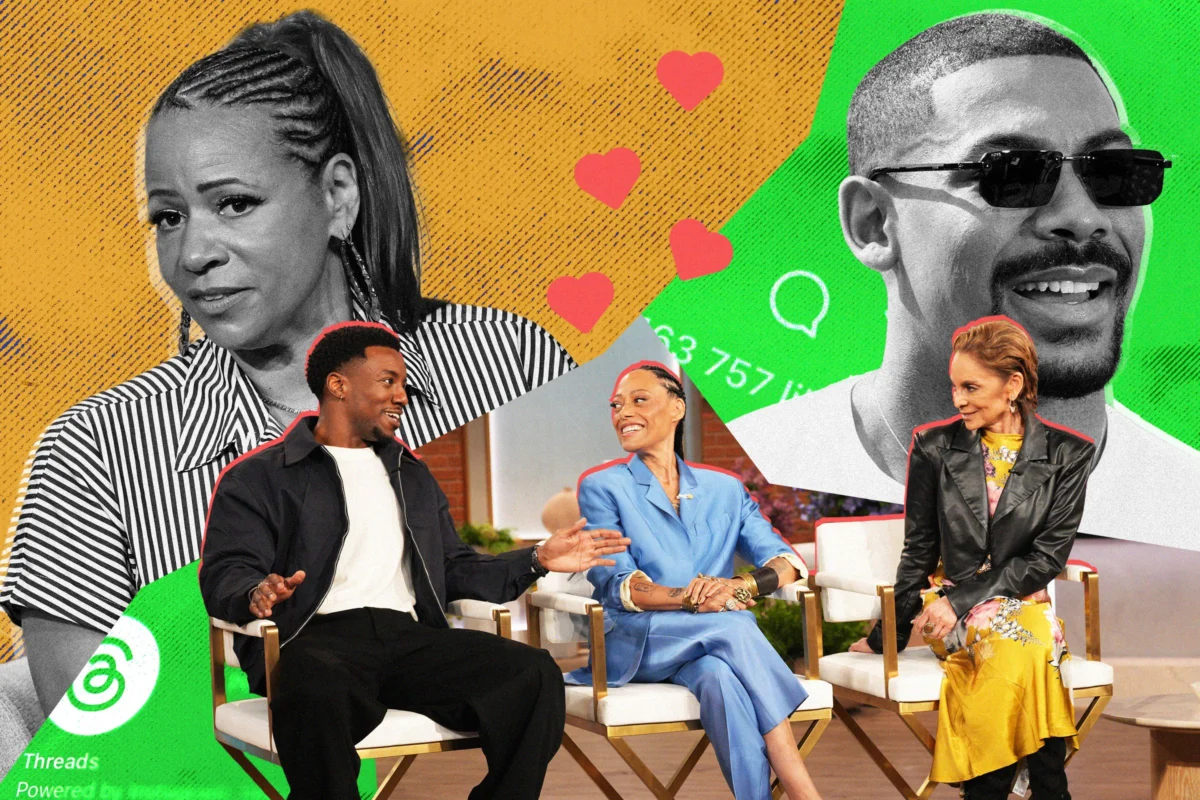
Within hours of the September 21 grand jury ruling, Black users across Threads mobilized to demand systemic accountability and transparency. The platform quickly transformed into a high-velocity digital tribunal. Prominent voices, including comedian D.L. Hughley and cultural critic Jamilah Lemieux, utilized the network to broadcast sharp critiques regarding perceived disparities in the American justice system. This collective outcry was not an isolated incident; rather, it served as definitive proof that Threads has evolved into an indispensable artery of the Black social media ecosystem, effectively capturing the cultural influence, cadence, and community governance that once defined historical iterations of Black Twitter.
The Evolution of Digital Public Spheres
To understand the rise of Threads as a cultural epicenter, one must examine the systematic transformation of its predecessor, X. During the late 2010s and early 2020s, Twitter operated as an irreplaceable digital infrastructure for Black political mobilization, cultural critique, and collective therapy. It provided an indispensable foundation for the Black Lives Matter movement, giving rise to organizing paradigms that transcended traditional geographic and institutional barriers. However, following the platform’s acquisition by billionaire Elon Musk in late 2022, a profound operational and cultural realignment occurred.
For many veteran users, particularly Black intellectuals, journalists, and activists, the platform experience deteriorated rapidly. Algorithmic modifications diminished the visibility of targeted, community-driven timelines, while the relaxation of content moderation protocols coincided with a measurable surge in hate speech, misinformation, and targeted harassment. Cultural figures who had spent over a decade building audiences on the platform began describing the user experience as "screaming into the void."
The resulting exodus prompted digital communities to search for viable alternatives. While platforms like Bluesky initially captured the attention of progressive academics, journalists, and left-leaning news influencers—spurred further by political realignments following the 2024 presidential election—they struggled to replicate the organic, high-volume cultural interconnectedness required to sustain broad demographic engagement. Despite innovations such as Blacksky, a custom moderation feed engineered by developer Rudy Fraser to cultivate a secure ecosystem, Bluesky faced persistent hurdles regarding global audience retention and platform fatigue. Similarly, image-forward networks like Spill garnered initial interest from Black creators, yet lacked the seamless cross-pollination mechanics necessary for mass onboarding.
The Mechanics of Meta’s Onboarding Advantage
Threads successfully bypassed these infrastructural hurdles by leveraging the colossal network effects of Meta’s broader product ecosystem. With seamless integration into Facebook and Instagram—platforms boasting a combined active user base exceeding six billion individuals—Threads dismantled the high barrier to entry that typically plagues emerging social networks. By March, global metric reports from Statista indicated that Threads had scaled to over 500 million monthly active users, positioning the application within striking distance of X’s 557 million monthly active users.
Furthermore, Meta’s strategic introduction of specialized features, such as dedicated community pods catering to intersections like Black Threads, Black British Threads, and Black LGBTQ+ Threads, provided users with tailored avenues for engagement. According to internal Meta data released in late 2025, more than 200 distinct community hubs were established to organize niche discussions spanning sports, literature, entertainment, and public policy.
Dr. Rianna Walcott, an assistant professor of communication at the University of Maryland and founder of the Black Digital Migration Project, notes that community density often supersedes ideological branding for marginalized digital populations. "The problems of platform fatigue and reaching a globally Black audience are probably limiting smaller alternatives’ visibility, as they lack the initial buy-in that comes from an already connected platform ecosystem," Walcott explains. For Black users navigating fragmented digital spaces, the priority remains finding high-volume environments where cultural resonance and collective discourse can occur instantaneously.
Case Studies in Cultural Mobilization and Accountability
The practical utility of Threads as a catalyst for real-world awareness and national discourse has been demonstrated through several high-profile news cycles. Beyond the visceral demand for justice in the Nolan Wells investigation, the platform has repeatedly intervened in informational vacuums left by mainstream media outlets.
In August, the majority-Black city of Gary, Indiana, experienced a catastrophic two-week electrical blackout that triggered severe food shortages, compromised medical equipment, and immediate public safety hazards. Despite the profound humanitarian implications of the crisis, initial national media coverage was sparse. It was through grassroots documentation on platforms like TikTok and Threads—amplified by influential curators and everyday citizens—that the blackout gained systemic visibility, eventually compelling major news networks to dispatch reporters and allocate resources to the region.
Similarly, public debates surrounding systemic equity frequently find their most rigorous examinations within the app’s text-based architecture. When journalist Nikole Hannah-Jones published a New York Times Magazine essay detailing her decision to enroll her daughter in low-performing, predominantly Black public schools, the resulting cultural debate spanned multiple digital platforms. However, media analysts and industry insiders noted that the discourse on Threads achieved superior depth, largely due to the direct participation of Hannah-Jones and other prominent public intellectuals who actively engaged with respondents in real-time.
Comparative Analysis: Black Twitter vs. Black Threads
Despite functional similarities, digital sociologists and media critics emphasize that Black Threads is not a carbon copy of its historical predecessor. Phil Lewis, a news editor at HuffPost, observes that while the structural spirit remains intact, the operational dynamics have evolved.
"Black Twitter especially shined when users live-tweeted major cultural events, like award shows and sports broadcasts," Lewis notes. "I haven’t seen that exact real-time synchronization on Threads yet. But you can distinctly feel when a cultural moment is happening on the platform in the exact same way."
Jamilah Lemieux, whose audience on Threads exceeds 208,000 followers, highlights the decentralized, cross-pollinated nature of the application’s culture. "We often joke that Threads will drop you off anywhere," she remarks. "A lot of the humor isn’t just Black people engineering viral hashtags like before; sometimes it’s a middle-aged suburban user’s cross-posted Facebook update appearing organically in the feed."
This structural fluidity presents both unique advantages and persistent socio-political contradictions. While the platform offers unprecedented reach, robust moderation safeguards, and frictionless user onboarding, critical voices within the community remain acutely aware of its corporate architecture. As one viral exchange on the platform aptly summarized following a celebration of the network’s cultural utility: "Yes, it is a great community, but let us not get too comfortable—this is still a corporate-owned application."
Future Implications for Digital Democracy
The consolidation of cultural and political commentary on Threads signals a broader maturation in how marginalized communities navigate platform capitalism. As digital landscapes continue to fracture under the weight of shifting political climates, corporate consolidations, and algorithmic opacity, the longevity of these online ecosystems relies heavily on community autonomy and structural resilience.
The migration to Threads demonstrates that digital publics are not bound to specific technological frameworks, but rather to the social contracts, shared languages, and mutual accountability measures forged by their participants. Whether examining the pursuit of legal transparency in civil rights cases, organizing around municipal infrastructure failures, or dissecting the nuances of institutional equity, the discourse hosted on Threads illustrates that the vital heartbeat of digital democracy persists, continuously adapting to the architecture of its newest home.