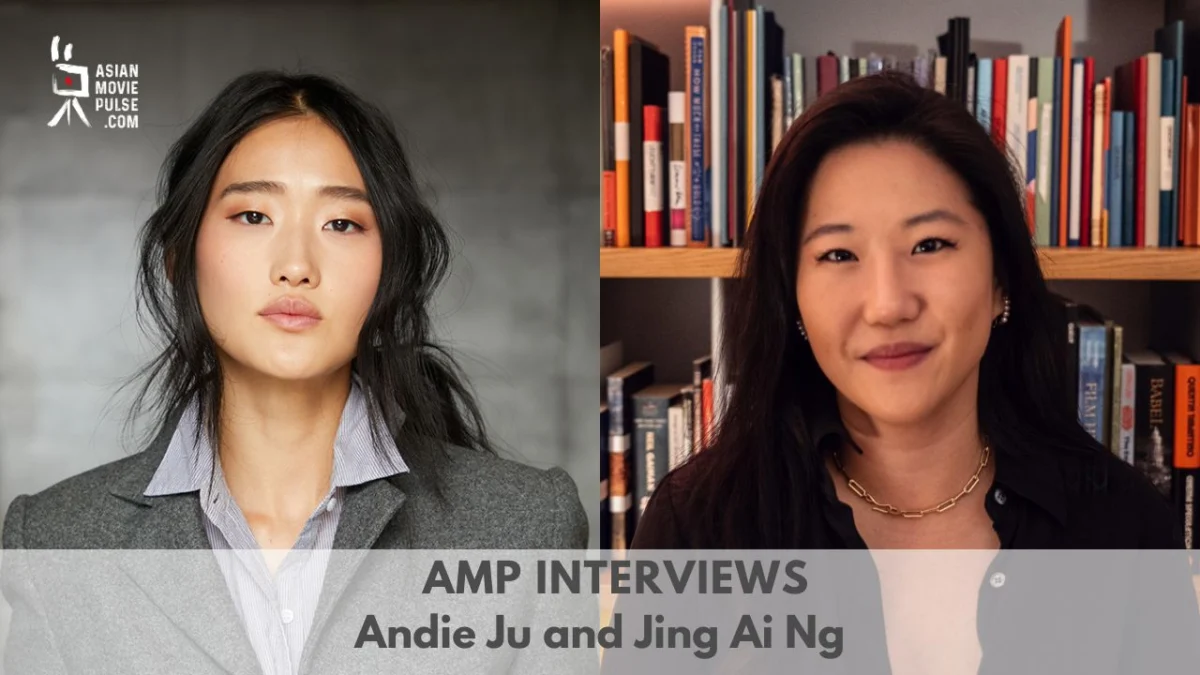
Asian Movie Pulse’s Grace Han engaged in a compelling discussion with Director Jing Ai Ng and Actress Andi Ju regarding their feature debut, "FORGE," a film set to captivate audiences at CAAMFest later this weekend. The conversation delved into multifaceted themes, including the dynamics of women-led art heists, the complexities of Asian American anti-heroes, and the practical challenges of maintaining composure on set amidst the sweltering Miami summer. The interview, as described, offers a comprehensive look into the creative process and the thematic underpinnings of "FORGE," promising insights into the meticulous nature of art forgery and the compelling characters who inhabit this world. Viewers are encouraged to watch until the end to uncover behind-the-scenes anecdotes from Ng and Ju, detailing experiences with specialized attire like "sun suits," the collaborative process with esteemed actors such as Kelly Marie Tran, and the nuanced learning curve involved in mastering the precise movements required for close-up shots involving palette knives.
CAAMFest: A Platform for Diverse Storytelling
CAAMFest, formerly known as the San Francisco International Asian American Film Festival (SFIAAFF), stands as a premier event celebrating Asian American and Pacific Islander (AAPI) stories and filmmakers. Established in 1982 by the Center for Asian American Media (CAAM), the festival has consistently provided a vital platform for independent cinema that explores the diverse experiences, identities, and challenges faced by AAPI communities. Over its decades-long history, CAAMFest has evolved from a regional showcase to a nationally recognized institution, drawing filmmakers, industry professionals, and enthusiastic audiences from across the globe. Its programming typically features a wide array of genres, including documentaries, narrative features, shorts, and experimental films, often highlighting emerging talent alongside established artists. The festival’s commitment to fostering dialogue and community engagement is evident through its panel discussions, workshops, and filmmaker Q&A sessions, which are integral to its mission of promoting cultural understanding and representation. The inclusion of "FORGE" in its lineup signifies the film’s potential to resonate with CAAMFest’s discerning audience, likely due to its exploration of themes pertinent to Asian American narratives and its innovative approach to genre filmmaking.
"FORGE": Unpacking the Art of Deception
The central premise of "FORGE" appears to revolve around the intricate and often clandestine world of art forgery. The film’s title itself suggests a process of creation, but in this context, it implies the crafting of something inauthentic, designed to deceive. The interview snippets reveal that the film aims to explore what it truly takes to execute a convincing art forgery. This involves not just technical skill in replicating an artist’s style, but also a deep understanding of art history, material science, provenance, and the psychology of the art market. A successful forgery requires meticulous attention to detail, from the type of canvas or substrate used, to the pigments, the aging process, and even the artist’s signature. Beyond the technical aspects, it demands strategic planning, access to specific resources, and the ability to navigate the often opaque and high-stakes world of art acquisitions. The film’s exploration of these elements is likely to offer viewers a fascinating, albeit fictionalized, glimpse into a world rarely seen by the public.
Women at the Helm of Crime Narratives
A particularly noteworthy aspect highlighted in the discussion is the film’s focus on "women-run art crimes." This framing suggests a deliberate departure from traditional crime narratives that often center on male protagonists. The presence of female characters orchestrating and executing sophisticated heists can offer a fresh perspective on agency, intelligence, and power dynamics within criminal enterprises. Historically, representations of women in crime fiction have often been relegated to supporting roles or portrayed as femme fatales. However, a narrative that places women at the forefront of planning and executing complex criminal activities can challenge these stereotypes, presenting them as intellectual architects and capable operatives. This approach aligns with a broader trend in contemporary cinema and television to develop more complex and multifaceted female characters who defy conventional archetypes. The success of such narratives often hinges on portraying these characters with depth, exploring their motivations, their relationships, and the societal pressures or opportunities that might have led them down this path. The inclusion of Kelly Marie Tran as a star further amplifies this focus on prominent Asian American talent, suggesting a deliberate casting choice to amplify diverse voices and experiences within the film.
The Asian American Anti-Hero: Navigating Moral Ambiguity
The mention of "Asian American anti-heroes" introduces another layer of thematic complexity to "FORGE." Anti-heroes are characters who, while not embodying traditional heroic virtues, often drive the narrative forward through their actions and internal struggles. They operate in shades of gray, possessing flaws and engaging in questionable behavior, yet can elicit empathy or understanding from the audience. For Asian American characters, the anti-hero archetype can be particularly potent, offering a space to explore the nuanced realities of navigating cultural identity, societal expectations, and the pursuit of success within a predominantly Western cultural landscape. These characters might grapple with issues of belonging, assimilation, or the pressure to conform, leading them to make choices that fall outside conventional moral boundaries. The exploration of Asian American anti-heroes can provide a platform for examining the unique challenges and triumphs of this demographic, moving beyond simplistic portrayals and delving into the complexities of their lived experiences. This can be particularly relevant in the context of art forgery, where the pursuit of wealth or recognition might be intertwined with broader societal or personal aspirations.
Behind the Scenes: Miami Summer and Creative Collaboration
The practicalities of filmmaking, particularly in challenging environments, often add another dimension to the viewing experience. The anecdote about "keeping cool on set when filming in Miami summer" offers a glimpse into the logistical hurdles and the resilience required of cast and crew. Miami’s notorious heat and humidity can pose significant challenges, demanding careful planning for actor comfort, equipment protection, and overall production efficiency. The mention of "sun suits" suggests the use of specialized protective gear, likely designed to shield actors from the intense sun while allowing for continuity in their on-screen appearance. This detail underscores the often-unseen efforts that go into creating even a single scene.
The collaborative aspect of filmmaking is also brought to the fore through the mention of working with stars like Kelly Marie Tran. Her involvement suggests a certain level of production value and audience appeal for "FORGE." The interaction between director and actor, especially when learning specific skills for a role, is crucial. Ju’s process of "learning how to use palette knives for the close-up" points to the film’s commitment to authenticity in its depiction of the art world. Mastering such tools requires dedicated practice and an understanding of their nuances, indicating that the filmmakers have invested in ensuring the craft of art forgery is portrayed with a degree of verisimilitude. This attention to detail, from the grand thematic elements to the smallest practical considerations, can significantly enhance a film’s overall impact and credibility.
The Implications of Art Forgery in Cinema
The cinematic exploration of art forgery carries several implications, both within the narrative and for the audience. On a narrative level, it allows for the examination of themes such as authenticity, value, perception, and the very nature of art itself. Is a masterpiece defined by its creator, its execution, or its reception? Forgery blurs these lines, forcing audiences to question what they consider "real" and "valuable."
For the audience, films like "FORGE" can serve as educational tools, albeit fictionalized ones. They can pique interest in art history, introduce viewers to renowned artists and their techniques, and shed light on the security measures and investigative processes involved in detecting forgeries. The art world, with its immense wealth and intricate networks, often remains enigmatic. Films that delve into its underbelly, even through the lens of crime, can demystify aspects of it and spark curiosity.
Furthermore, the focus on an Asian American ensemble and narrative is significant in the current landscape of Hollywood. As the industry increasingly seeks to diversify its storytelling and representation, films like "FORGE" contribute to a richer tapestry of cinematic voices. The success of such films at festivals like CAAMFest can signal broader appeal and pave the way for more diverse projects to reach wider audiences. The engagement of established actors like Kelly Marie Tran further solidifies the potential for these narratives to gain traction and influence perceptions.
Conclusion: A Multifaceted Cinematic Endeavor
"FORGE," as presented through the lens of the interview with Director Jing Ai Ng and Actress Andi Ju, appears to be a film that aims to transcend typical genre conventions. By weaving together the intricate world of art forgery with compelling character studies of Asian American anti-heroes and a fresh perspective on women in crime, the film is poised to offer a thought-provoking and engaging cinematic experience. Its inclusion at CAAMFest underscores its potential relevance and resonance within the AAPI community and the broader film landscape. The blend of thematic depth, character complexity, and meticulous attention to the craft of forgery suggests a film that is both intellectually stimulating and viscerally engaging, promising a captivating debut for its creative team. The anticipation for its screening at CAAMFest is palpable, as audiences await the unveiling of this meticulously crafted narrative.