

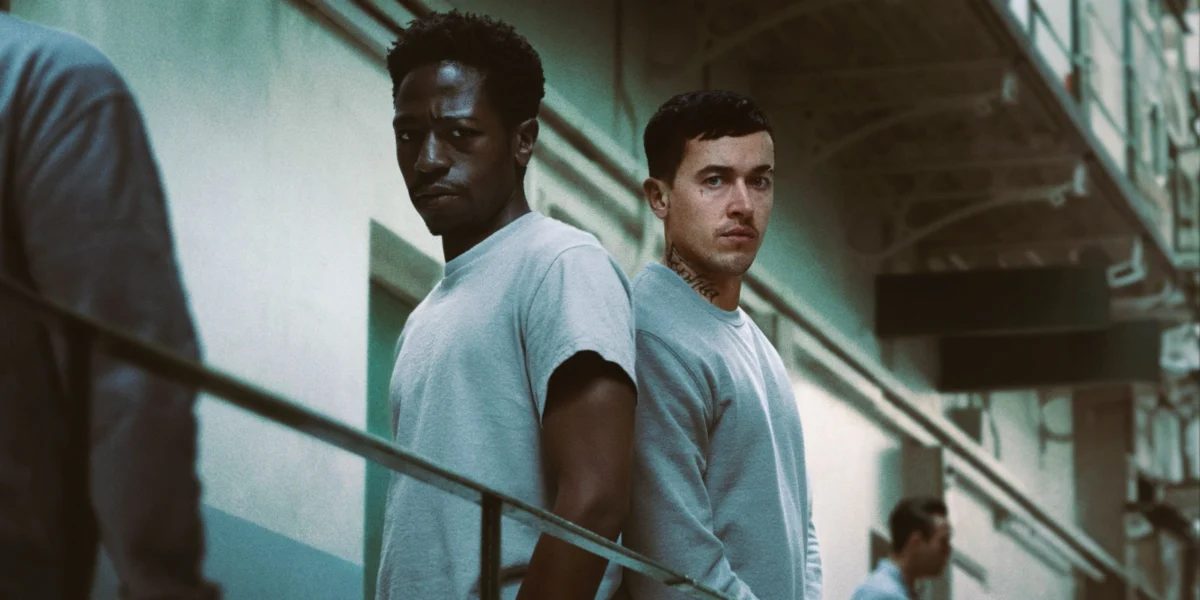
The stark realities of the British penal system are brought into sharp focus with the premiere of "Wasteman," a gripping 2025 British prison drama that has captivated audiences and critics alike. Directed by the acclaimed Cal McMau and penned by the insightful duo Hunter Andrews and Eoin Doran, the film delves into the brutal existence within prison walls, driven by powerhouse performances from its leading actors, David Jonsson and Tom Blyth. Their portrayal of incarcerated cellmates forced to navigate the unforgiving environment has been a central talking point following the film’s debut at the prestigious 2025 Toronto International Film Festival (TIFF).
TIFF, a globally recognized platform for cinematic discovery and discussion, provided the ideal launchpad for "Wasteman." The festival, which typically runs in early to mid-September, serves as a crucial barometer for the upcoming awards season and a vital marketplace for independent cinema. This year’s iteration, held from September 4th to 14th, 2025, showcased a diverse range of international films, but "Wasteman" stood out for its raw authenticity and compelling character studies. The film’s positive reception at TIFF signals a strong potential for broader critical acclaim and audience engagement as it rolls out into wider distribution.
A Glimpse into the Abyss: The Premise of Wasteman
"Wasteman" centers on the intertwined fates of two inmates, whose identities and backstories are deliberately shrouded in the film’s initial marketing to heighten the sense of universal struggle. Jonsson and Blyth embody men stripped of their former lives, confined to a brutal environment where survival often trumps humanity. The narrative is understood to explore the psychological and physical toll of incarceration, the formation of unexpected bonds in the face of adversity, and the constant struggle for dignity and self-preservation. The screenplay by Andrews and Doran is lauded for its unflinching portrayal of prison life, eschewing sensationalism for a more grounded and harrowing depiction.
Director Cal McMau’s vision is described as intense and gritty, a hallmark of his emerging directorial style. His approach is said to immerse the viewer directly into the claustrophobic and oppressive atmosphere of the prison, utilizing sharp cinematography and a relentless pace to convey the urgency of the characters’ situation. Early reports from TIFF suggest McMau masterfully balances moments of quiet desperation with explosive confrontations, creating a viewing experience that is both emotionally draining and intellectually stimulating.
The Power of Performance: Jonsson and Blyth Lead the Charge
The critical success of "Wasteman" hinges significantly on the performances of David Jonsson and Tom Blyth. Both actors, individually recognized for their growing bodies of work, have delivered what critics are calling career-defining roles. Jonsson, known for his nuanced portrayals in projects like "Industry" and "Peaky Blinders," brings a palpable vulnerability and steely resolve to his character. Blyth, who has garnered attention for his roles in "The Gilded Age" and "Robin Hood," is noted for his chameleon-like ability to embody the complexities of a man pushed to his limits.
The on-screen chemistry between Jonsson and Blyth is frequently cited as a major strength of the film. Their interactions, whether fraught with tension or marked by moments of shared humanity, form the emotional core of "Wasteman." The film’s producers, working with Sunrise Films, understood the importance of casting actors who could authentically convey the profound challenges of their characters. The decision to cast these two rising stars appears to have paid off handsomely, providing the film with the gravitas and emotional depth necessary to tackle its weighty subject matter.
Behind the Scenes: Insights from the Stars
Following the film’s premiere and subsequent positive reviews, David Jonsson and Tom Blyth participated in an exclusive interview with Next Best Picture, offering valuable insights into their experiences making "Wasteman." The discussion, available in both video and audio formats, provided a rare glimpse into the dedication and preparation that went into their roles. While specific details of their interviews are not fully transcribed here, the context suggests they spoke about the physical and emotional demands of portraying inmates, the research undertaken to understand the prison environment, and their collaboration with director Cal McMau.
Such behind-the-scenes access is a significant element of film promotion, allowing audiences to connect with the artists and understand the creative process. The fact that both Jonsson and Blyth were willing to engage with this level of detail underscores their commitment to "Wasteman" and their belief in its message. Their willingness to share their experiences at a platform like Next Best Picture, known for its in-depth film coverage and podcasting, further amplifies the film’s reach and critical discourse.
The Release Strategy: Sunrise Films and Theatrical Distribution

"Wasteman" is now playing in theaters across the United Kingdom and potentially other territories, distributed by Sunrise Films. This release strategy, following a high-profile festival debut, is a common and effective method for independent films aiming to build momentum and critical buzz. Sunrise Films, known for its commitment to quality cinema, is expected to leverage the positive TIFF reception to secure a strong theatrical run.
The decision to release the film theatrically, rather than opting for a direct-to-streaming model, suggests a confidence in the film’s ability to engage audiences on the big screen, where its immersive direction and powerful performances can be fully appreciated. This approach also aligns with the traditional pathways for films seeking awards consideration, as theatrical releases often carry more weight in such discussions.
Broader Context: The British Prison System and Cinematic Representation
The release of "Wasteman" arrives at a time when discussions surrounding the state of the British prison system are ongoing. Issues such as overcrowding, the impact of austerity measures on prison services, and the rehabilitation of inmates remain prominent in public and political discourse. Films like "Wasteman" can serve as powerful cultural touchstones, prompting reflection and dialogue about these complex social issues.
Historically, cinema has played a role in shaping public perceptions of prisons and the individuals within them. From gritty dramas like "Scum" (1979) to more nuanced explorations, filmmakers have continually returned to the prison setting to examine themes of justice, inequality, and the human condition. "Wasteman," with its contemporary setting and focus on the personal struggles of its characters, is poised to contribute to this cinematic tradition, offering a fresh and perhaps unflinching perspective.
The film’s premiere at TIFF, an international festival, also highlights the global interest in British social realism and its ability to resonate with diverse audiences. The success of such films abroad can lead to increased cultural exchange and a broader understanding of societal challenges faced in different nations.
Analysis of Implications: Critical Acclaim and Potential Impact
The positive reviews garnered at the 2025 Toronto International Film Festival suggest that "Wasteman" has successfully navigated the challenging landscape of independent filmmaking. The praise for Cal McMau’s direction and the lead performances by David Jonsson and Tom Blyth positions the film as a strong contender for critical accolades and potential awards.
The film’s grittiness and unflinching portrayal of prison life, while potentially challenging for some viewers, are also its greatest strengths. By avoiding gratuitous violence and focusing on the psychological impact of incarceration, "Wasteman" can offer a more profound and thought-provoking cinematic experience. This approach can resonate with audiences seeking films that engage with complex social issues in an authentic and compelling manner.
The partnership with Sunrise Films for theatrical distribution is a strategic move that indicates a belief in the film’s commercial viability and its potential to attract a significant audience. The success of "Wasteman" in theaters could pave the way for further investment in similar projects that explore challenging social themes through compelling storytelling and strong performances.
Furthermore, the interviews with Jonsson and Blyth, disseminated through platforms like Next Best Picture, are crucial in building a personal connection with the film. By hearing directly from the actors about their craft and their commitment to the project, audiences are more likely to engage with the film on a deeper level. This direct engagement is increasingly important in a crowded media landscape, allowing films to cut through the noise and reach their intended audience.
The film’s success at TIFF also bodes well for its future festival circuit appearances and its potential for international sales. Festivals like TIFF serve as crucial platforms for independent films to gain exposure and secure distribution deals in various global markets. The positive reception of "Wasteman" suggests that it has the potential to be a significant international release.
In conclusion, "Wasteman" represents a significant entry into the genre of prison dramas. Its strong directorial vision, compelling performances, and timely exploration of critical social issues have positioned it as a film to watch. As it continues its theatrical run, audiences are encouraged to experience this powerful and thought-provoking cinematic achievement. The film’s journey from the prestigious stages of TIFF to cinemas worldwide is a testament to the enduring power of well-crafted storytelling and its ability to illuminate the human condition, even in its most challenging circumstances.