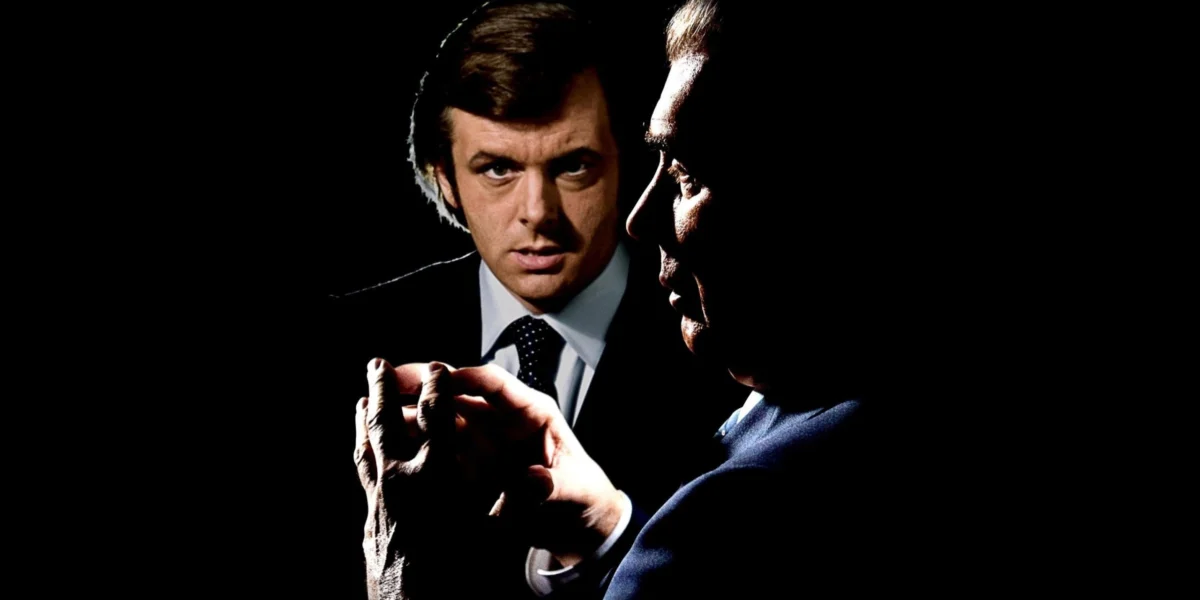
The year 2008 was a pivotal moment in cinematic history, marked by a diverse array of films that captivated audiences and garnered critical acclaim. Among these was Ron Howard’s "Frost/Nixon," a powerful dramatization of the post-presidency interviews between former U.S. President Richard Nixon and British television personality David Frost. This film, adapted from Peter Morgan’s stage play of the same name, transcended its theatrical origins to become a significant cultural touchstone. As the Next Best Picture film community embarks on its 2008 retrospective, "Frost/Nixon" stands as a compelling starting point, offering a timely examination of political accountability, media power, and the enduring human drama of confession and redemption.
The film’s premise is rooted in a real-world event that unfolded in the spring of 1977. Following his resignation from the presidency in August 1974 amidst the Watergate scandal, Richard Nixon remained a controversial figure. Seeking to rehabilitate his public image and assert his legacy, Nixon agreed to a series of televised interviews with David Frost, a prominent journalist known for his more incisive interviewing style. What began as a potentially career-defining opportunity for Frost, and a bid for absolution for Nixon, evolved into a gripping psychological duel. The interviews, broadcast over four weeks, became a global media event, watched by an estimated 45 million viewers in the United States alone, a testament to the public’s enduring fascination with the disgraced former president.
"Frost/Nixon" meticulously reconstructs the atmosphere and stakes of these historic encounters. The film stars Frank Langella as Richard Nixon, delivering a performance that is both chillingly authoritative and deeply vulnerable, capturing the complex psyche of a man haunted by his past. Michael Sheen portrays David Frost, embodying the journalist’s initial underestimation of his subject and his subsequent relentless pursuit of the truth. The supporting cast, a veritable who’s who of contemporary talent, includes Kevin Bacon, Rebecca Hall, Toby Jones, Matthew Macfadyen, Oliver Platt, and Sam Rockwell, each contributing to the film’s rich tapestry of characters and motivations.
The narrative structure of "Frost/Nixon" skillfully interweaves the preparations and anxieties of both the interviewer and the interviewed. We witness Frost, initially perceived as a lightweight by his team, grappling with the immense pressure to extract a genuine confession from Nixon. His team, including journalists James Reston Jr. (played by Sam Rockwell) and John Birt (played by Toby Jones), pushes him to adopt a more confrontational approach. Simultaneously, the film delves into Nixon’s post-presidency life, his isolation, and his strategic maneuvering as he prepares for the interviews, confident in his ability to outwit Frost. The tension builds not just in the televised exchanges, but in the behind-the-scenes machinations, highlighting the intellectual and emotional warfare at play.
Ron Howard’s direction is instrumental in translating the claustrophobic intensity of the interviews to the screen. He masterfully uses close-ups to capture the subtle shifts in expression, the flicker of doubt, the glint of defiance. The editing accentuates the rhythm of the dialogue, allowing moments of silence to carry as much weight as the spoken words. The film’s visual design effectively evokes the late 1970s, immersing the audience in the era without resorting to overt pastiche.
The screenplay, penned by Peter Morgan, is a masterclass in dramatic adaptation. It distills hours of real dialogue into a tightly constructed narrative, preserving the essence of the original interviews while enhancing their dramatic impact. Morgan’s script focuses on the psychological underpinnings of the confrontation, exploring themes of ego, regret, and the relentless pursuit of power and its consequences. The pivotal moment, when Nixon finally breaks down and offers a semblance of apology, is a testament to the power of the written word and the actors’ ability to convey profound emotional catharsis.
"Frost/Nixon" was a significant contender during the 2008 awards season. It received five Academy Award nominations, including Best Picture, Best Director for Ron Howard, Best Actor for Frank Langella, Best Adapted Screenplay for Peter Morgan, and Best Film Editing. While it did not take home any Oscars, its nominations underscored its critical recognition and its impact on the cinematic landscape of that year. The film also garnered numerous other accolades, solidifying its place as one of the year’s most discussed and admired productions.

The enduring relevance of "Frost/Nixon" lies in its prescient exploration of the relationship between power, media, and public perception. In an era increasingly dominated by 24/7 news cycles, social media echo chambers, and the constant barrage of information, the film serves as a stark reminder of the media’s capacity to hold powerful figures accountable. The "Watergate" scandal itself represented a watershed moment in American journalism, demonstrating the investigative press’s ability to uncover and expose wrongdoing at the highest levels of government. "Frost/Nixon" revisits this theme, framing the interviews as a form of televised reckoning.
The film’s "terrifying, eerie ties to today’s political landscape," as highlighted by the Next Best Picture community, cannot be overstated. The themes of truth, deception, the manipulation of public opinion, and the struggle for narrative control are as relevant now as they were in 1977. The film prompts viewers to consider the nature of political apologies, the difficulty of genuine contrition, and the public’s appetite for accountability. In a world where political discourse is often polarized and fact-checking is a constant battle, "Frost/Nixon" offers a compelling case study in the power of a determined journalist and the potential for even the most powerful figures to be confronted with their past actions.
The Next Best Picture community’s retrospective of "Frost/Nixon" offers a deep dive into the film’s multifaceted achievements. Their spoiler-filled review, featuring the insights of Josh Parham, Dan Bayer, Tom O’Brien, and the host, promises to dissect the nuances of the performances, the intricacies of the writing, the effectiveness of Howard’s direction, the impact of the editing choices, and the film’s overall awards season trajectory. Such a detailed analysis is crucial for understanding not only the film’s artistic merits but also its lasting cultural significance.
The podcast preview, available to Patreon subscribers, underscores the commitment of platforms like Next Best Picture to providing in-depth content for dedicated film enthusiasts. The model of offering exclusive content through platforms like Patreon allows for the sustained production of high-quality analysis and discussion, fostering a community around shared passion for cinema. The support from patrons, even at a nominal monthly fee, is vital for the continued operation and growth of such independent media outlets.
The Next Best Picture Podcast’s affiliation with the Evergreen Podcasts Network further emphasizes its reach and professionalism. Being part of a larger network often provides access to broader audiences, technical resources, and collaborative opportunities, strengthening its position within the podcasting landscape. The invitation for listeners to subscribe on various podcast platforms and to leave reviews on Apple Podcasts are standard practices that help build audience engagement and visibility. Positive reviews and subscriptions not only boost the podcast’s standing in platform algorithms but also provide valuable feedback to the creators.
The interactive element, encouraging listeners to follow the hosts and the publication on X (formerly Twitter), further integrates the podcast into the broader digital conversation surrounding film and awards. This allows for real-time engagement, dissemination of news, and a direct channel for audience interaction. The inclusion of host avatars and links to their social media profiles personalizes the experience and builds a sense of community among the listeners and the content creators.
In conclusion, "Frost/Nixon" remains a potent and relevant film, a testament to the power of historical drama to illuminate enduring human and societal truths. Its re-examination through the lens of a 2008 retrospective by the Next Best Picture community is a timely endeavor, inviting a new generation of viewers and a dedicated fanbase to engage with its complex portrayal of power, truth, and the indelible mark of history. The film’s success in both critical and popular spheres, its significant awards recognition, and its uncanny resonance with contemporary political discourse solidify its status as a significant cinematic achievement. As the podcast delves into its intricacies, it offers a valuable opportunity to appreciate the artistry and the enduring impact of Ron Howard’s masterful adaptation.