
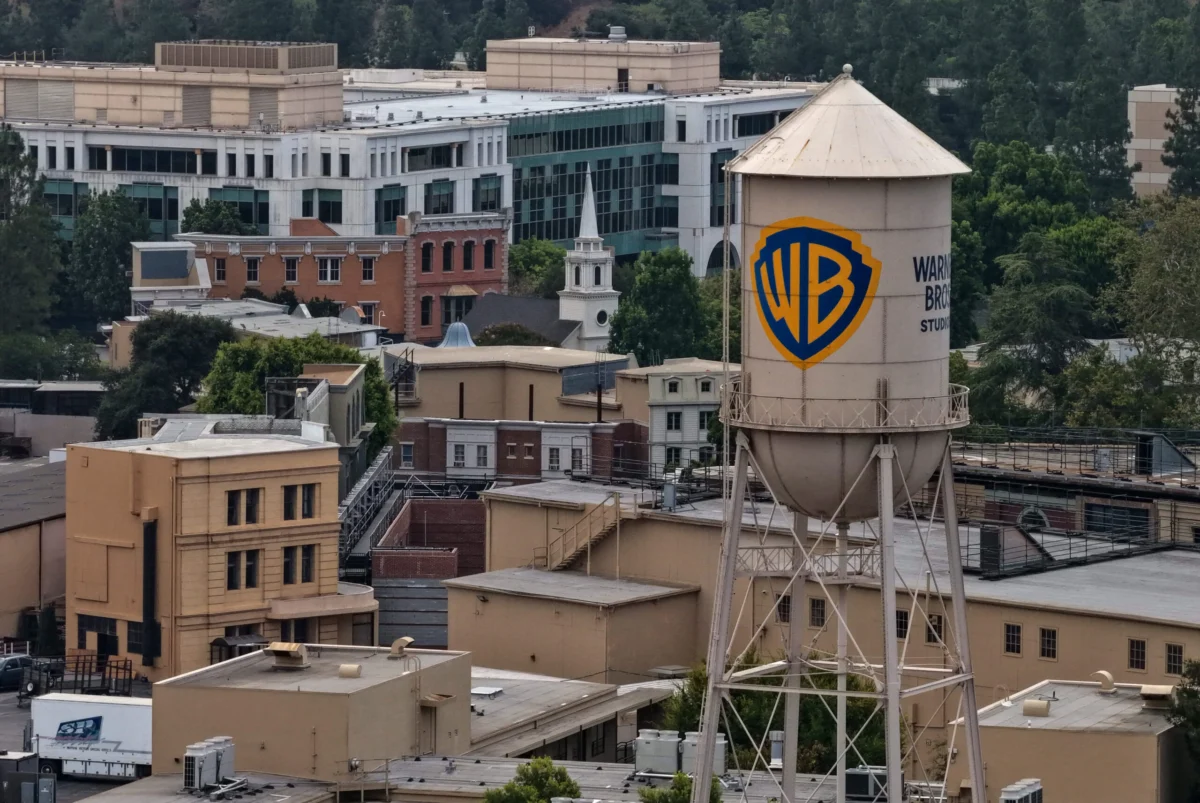
Warner Bros. Discovery (WBD) finds itself in a state of corporate suspended animation, caught between the aggressive growth strategies of its recent past and an uncertain future defined by a stalled $110 billion merger with Paramount Skydance. Once a company defined by its ambitious pivot toward global streaming dominance and structural reorganization, WBD is now grappling with the operational friction caused by a deal that has become the primary focal point of antitrust scrutiny from state regulators. This period of "whiplash" has effectively halted the company’s momentum, forcing leadership to balance the delicate requirements of a pending acquisition against the necessity of maintaining market relevance in an increasingly fragmented media landscape.
A Chronology of Strategic Shifts
The current impasse stands in stark contrast to the company’s posture just one year ago. In June 2025, WBD announced a bold roadmap to split itself into two publicly traded entities: a pure-play film and streaming powerhouse, and a separate vehicle for its legacy linear television networks. The rationale was clear: decouple the high-growth, high-multiple streaming assets from the declining, cash-generative linear TV business. Under the guidance of CFO Gunnar Wiedenfels, the company began drafting the architecture for these independent operations, intending to insulate the premium HBO Max brand from the structural headwinds of the cable industry.
However, the strategic calculus shifted dramatically with the entry of David Ellison’s Paramount Skydance as a suitor. The subsequent negotiations, punctuated by a competitive bidding environment and a final $31-per-share valuation, fundamentally redirected the company’s trajectory. By late 2026, what was once a roadmap for a surgical split was replaced by the arduous process of regulatory integration. The transition from internal restructuring to external merger has left WBD in a defensive posture, constrained by interim operating covenants that prioritize the stability of the deal over the agility of the business.
Regulatory Roadblocks and the Antitrust Landscape
The primary impediment to the deal is a legal challenge spearheaded by California Attorney General Rob Bonta. In July 2026, a coalition of states filed a lawsuit to block the acquisition, citing concerns over market concentration in the entertainment and pay-TV sectors. While industry observers initially expected a negotiated settlement, the breakdown of preliminary talks earlier this week has introduced a new layer of volatility.
The legal arguments center on the consolidation of film studios and the potential for reduced competition in content distribution. Analysts note that Bonta’s office is demanding "robust structural remedies," which could involve the divestiture of significant assets. This creates a circular problem for WBD: the company cannot effectively market its assets for sale while it is under contract to be acquired, yet the merger itself may require the sale of those very assets to gain regulatory approval. This stalemate leaves WBD with limited tactical options, forcing the company to operate in a holding pattern while competitors like Disney, Amazon, and Netflix continue to aggressively capture market share and solidify their technological moats.

Supporting Data and Financial Performance
WBD’s recent financial disclosures paint a picture of a company performing well in isolation, even as the regulatory overhang clouds its outlook. In the second quarter of 2026, the company reported record-breaking revenue growth in its streaming segment, buoyed by the global expansion of HBO Max. However, this success is tempered by the structural decline of its linear networks—a segment that remains a significant revenue contributor but faces long-term secular erosion.
The financial risk of the current delay is mitigated somewhat by the "ticking fee" embedded in the merger agreement. Should regulatory approval extend beyond September 2026, the acquisition price for WBD will incrementally increase, providing some financial compensation for the delay. Despite this, the cost of inaction is high. Analysts at MoffetNathanson have noted that both WBD and Paramount currently operate "subscale" streaming services. While the combined entity would theoretically possess the scale to compete with industry giants, the ongoing delay prevents the realization of those synergies, leaving both firms in a vulnerable position where they are too small to lead but too complex to pivot independently.
The Strategic Utility of Content Licensing
With major mergers and acquisitions off the table due to the current deal’s constraints, WBD has leaned heavily into a secondary revenue stream: content licensing. By offloading library content—such as the HBO staple "Sex and the City" and the gritty drama "Westworld"—to competitors like Netflix and various FAST (free ad-supported streaming TV) channels, WBD has managed to extract significant value from its intellectual property without requiring long-term capital investment.
This strategy serves as a lifeline, providing liquidity that keeps the company’s margins stable while the merger remains in flux. Sources close to the company indicate that creative talent and production partners continue to engage with WBD, suggesting that the "creative engine" of the studio remains unaffected by the boardroom drama. Licensing, however, is a short-term patch. It cannot replace the need for a cohesive long-term strategy regarding the future of the HBO Max and Paramount+ streaming platforms, which are currently slated for integration into a single service—a transition that is impossible to execute until the deal clears its regulatory hurdles.
Implications for the Broader Media Industry
The WBD-Paramount situation serves as a bellwether for the future of media consolidation. If the deal fails, or if it is significantly modified, it will likely signal the end of a period of rapid, large-scale media mergers. Federal and state regulators have become increasingly hostile toward vertical integration, particularly when such deals threaten to centralize control over both content production and the platforms that distribute that content to consumers.

Furthermore, the potential for divestitures has sparked intense speculation regarding the future of WBD’s sub-units. Assets like New Line Cinema, a prestige studio with a deep catalog, are widely considered to be "trophy assets" that would command premium prices in a competitive bidding war. Similarly, the Turner channels (TNT and TBS) and lifestyle staples like HGTV are viewed as highly attractive for private equity or specialized media conglomerates seeking to bolster their linear portfolios. If the merger fails, these assets may be unbundled and sold individually, fundamentally altering the competitive landscape of the television industry.
The Role of Leadership and Governance
CEO David Zaslav has remained a vocal proponent of the merger, framing it as the only path to achieving the scale necessary for long-term survival. However, the criticism from industry veterans, such as Tom Rogers, highlights the precarious nature of the current deal. There is a prevailing view among market participants that this deal represents the best possible outcome for WBD shareholders given the current market environment. Consequently, there is significant pressure on both WBD and Paramount to find a compromise with regulators, even if that means making deep concessions.
The interim operating covenants, which allow WBD to manage its day-to-day business while prohibiting radical structural changes, provide a narrow corridor for management. While the company is barred from major M&A activity, it retains the ability to form partnerships and licensing deals. This flexibility is what has kept the company afloat during the current, extended waiting period. Yet, as the calendar progresses, the necessity for a clear, unified direction becomes more urgent.
Conclusion: The Path Forward
The situation at Warner Bros. Discovery is a testament to the complexities of modern media economics, where the desire for scale often crashes into the realities of regulatory oversight. For the moment, the company is trapped by its own success: its assets are too valuable to ignore, yet the legal challenges surrounding its acquisition are too significant to bypass.
Looking ahead, the next several months will be decisive. Should the regulatory impasse break, the integration of HBO Max and Paramount+ will be the most significant test of the combined company’s ability to compete in the era of streaming saturation. If the deal ultimately collapses, WBD will be forced to chart a new, perhaps more cautious, path—one that may involve a leaner, more focused business model that relies on the strategic licensing of its deep library of content rather than the pursuit of total market dominance. Until that resolution is reached, WBD remains a company in waiting, balancing the legacy of its past against an uncertain, high-stakes future.