

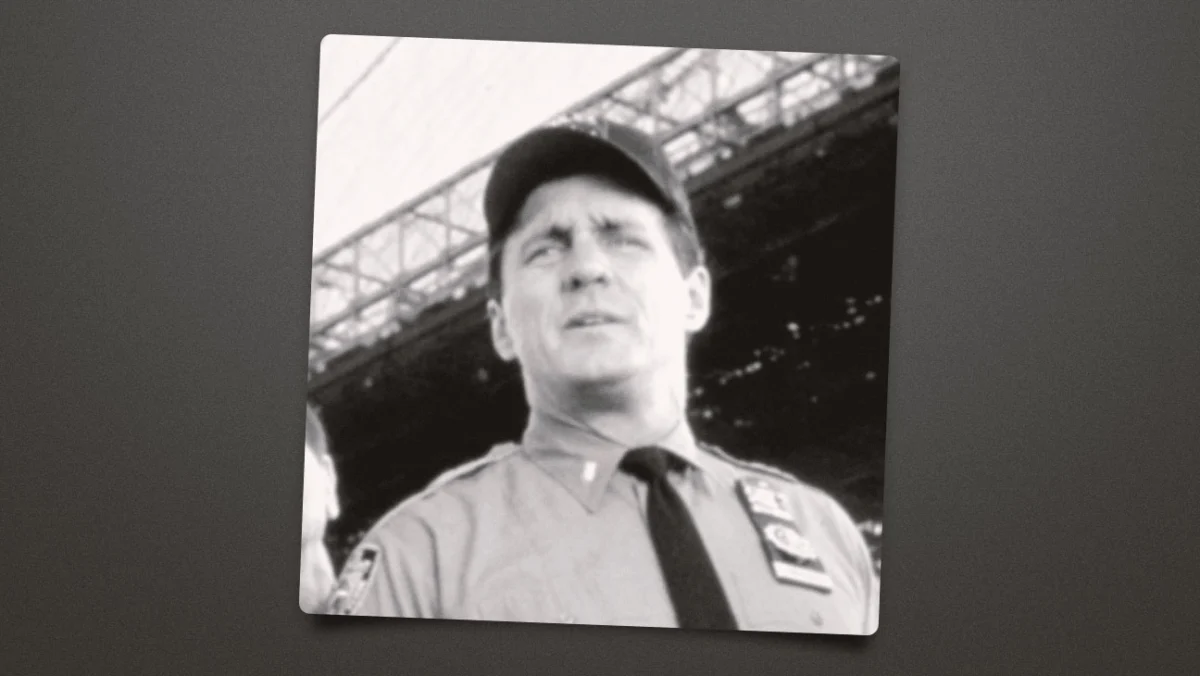
Beau Starr, the esteemed character actor recognized for his impactful performances in the iconic Halloween film series and Martin Scorsese’s crime epic Goodfellas, has passed away at the age of 81. Starr’s brother, Mike, confirmed to TMZ that the actor died on Friday, April 24, in Vancouver, Canada, attributing the cause to natural causes. Starr’s career spanned decades, transitioning from a professional football player to a prolific presence across film and television, leaving an indelible mark on a diverse array of projects. His passing marks the end of a rich life characterized by versatility and dedication, celebrated by colleagues and fans alike.
From Gridiron to Silver Screen: An Unconventional Path
Before establishing himself as a recognizable face in Hollywood, Beau Starr carved out a significant career in professional sports, demonstrating an early aptitude for demanding physical roles. Starr played professional football for several teams, including the New York Jets in the National Football League (NFL) and the Montreal Alouettes and Hamilton Tiger-Cats in the Canadian Football League (CFL). This athletic background, demanding discipline, resilience, and teamwork, subtly influenced his later acting career, often lending a grounded, authoritative presence to his characters. The transition from the high-stakes world of professional sports to the equally competitive entertainment industry is a rare feat, underscoring Starr’s multifaceted talents and determination to pursue new passions. His journey from the roar of the stadium crowds to the quiet intensity of a film set exemplifies a unique career trajectory, setting him apart from many of his peers in Hollywood.
Starr’s foray into acting began in the late 1970s. His initial steps into the performing arts included a stage appearance in 1980 at the esteemed American Theater of Actors, a New York institution known for fostering new talent. This theatrical grounding provided him with fundamental acting skills and a deep appreciation for character development, which would serve him well in his extensive screen career. His television debut arrived shortly before, in 1979, with a credit on the sketch comedy series Bizarre, offering an early glimpse into his adaptability across different genres.
A Prolific Presence: Early Television and Film Appearances
The 1980s saw Beau Starr rapidly build a robust resume, appearing in numerous popular television shows and films, establishing himself as a reliable and commanding character actor. His early television credits included an appearance in a 1983 episode of the beloved sitcom Three’s Company, a show renowned for its comedic timing and broad appeal. He also lent his talents to action-adventure series that defined the decade, such as The A-Team (1983-1985), where his strong physical presence was often utilized, and The Fall Guy (1983-1986), another action-packed series focusing on stunt performers. These roles, though often episodic, allowed Starr to hone his craft and gain invaluable on-set experience, working alongside some of the era’s biggest stars.
In film, Starr’s versatility was equally evident. He appeared in the 1984 Steve Martin-starring comedy The Lonely Guy, showcasing his ability to blend into ensemble casts in more lighthearted fare. This was followed by a role in the 1985 comedy Fletch, starring Chevy Chase, further demonstrating his range beyond purely dramatic or action-oriented roles. Towards the end of the decade, he made a guest appearance in a 1988 episode of the heartwarming fantasy drama Highway to Heaven, proving his capacity to adapt to narratives with a more emotional core. These early roles, while perhaps not lead billing, were crucial in building a foundation for the more prominent parts that would define his legacy.
Sheriff Ben Meeker: A Staple in the ‘Halloween’ Universe
Beau Starr cemented his place in horror cinema history with his portrayal of Sheriff Ben Meeker in the iconic Halloween franchise. He first joined the universe in 1988 with Halloween 4: The Return of Michael Myers, a pivotal entry that marked the return of the masked killer Michael Myers after a brief hiatus. In this film, Starr’s Sheriff Meeker was depicted as a determined, albeit often overwhelmed, law enforcement officer tasked with protecting the town of Haddonfield from the resurgent terror. His character provided a critical human element amidst the supernatural dread, grounding the narrative with a sense of realistic fear and responsibility.
Starr reprised his role as Sheriff Meeker in the franchise’s fifth installment, Halloween 5: The Revenge of Michael Myers, released in 1989. In this sequel, his character continued to grapple with the seemingly unstoppable force of Michael Myers, becoming a familiar and trusted figure for fans of the series. The Halloween franchise, initiated by John Carpenter in 1978, is widely regarded as a seminal work in the slasher genre, influencing countless horror films that followed. Starr’s contribution as Sheriff Meeker provided continuity and a steadfast presence, portraying the enduring struggle of a community against an embodiment of pure evil. His performances are fondly remembered by horror aficionados, underscoring his significant contribution to one of cinema’s most enduring horror sagas.
‘Goodfellas’ and Critical Acclaim
In 1990, Beau Starr added another landmark credit to his filmography with a role in Martin Scorsese’s universally acclaimed crime drama Goodfellas. This film, based on the non-fiction book Wiseguy by Nicholas Pileggi, is considered one of the greatest gangster films ever made and a masterpiece of American cinema. Starr played the father of Henry Hill, the central character portrayed by Ray Liotta. Although his screen time might have been brief, his presence in such a critically and commercially successful film further highlighted his versatility and ability to contribute to high-caliber productions. Goodfellas garnered widespread critical acclaim, earning six Academy Award nominations, including Best Picture and Best Director, with Joe Pesci winning for Best Supporting Actor. Its impact on cinema and popular culture is immense, influencing subsequent crime dramas and solidifying Scorsese’s reputation as a master storyteller.
Following the news of Starr’s passing, Christopher Serrone, who famously played the younger version of Henry Hill in Goodfellas, penned a heartfelt tribute on Instagram. Serrone’s post, shared on Saturday, underscored the profound respect and affection held for Starr by his colleagues. "It is with a heavy heart I’m here to inform everyone of the very sad passing of Beau Starr. [Mike Starr] asked me to make the announcement," Serrone wrote, relaying the solemn news to the public. He continued, "Beau enjoyed a rich a meaningful life. He was a son, brother, father, grandfather, actor and NFL/CFL player. Please take a moment to help me remember a great guy. RIP." This poignant message from a fellow actor from one of Starr’s most iconic films illustrates the personal connections he forged and the lasting impression he left on those with whom he worked.
A Career Defined by Depth and Diversity
Beyond his well-known roles, Beau Starr maintained an incredibly active career across various platforms, demonstrating his commitment to his craft and his ability to embody a wide range of characters. In 1990, he took on a starring role in NBC’s crime drama series True Blue, which followed a group of plainclothes police officers in New York City. Starr’s authoritative demeanor and authentic portrayal made him a natural fit for the demanding twelve-episode run of the series, further showcasing his capacity for sustained dramatic performance in a leading television role.
His filmography is replete with appearances in other significant projects, solidifying his reputation as a reliable and impactful character actor. These include the 1992 drama series 2000 Malibu Road, which offered a glimpse into the lives of four women sharing a house in Malibu. He also appeared in the 1993 film Bad Blood, a thriller that showcased his dramatic capabilities. One of his most recognizable big-screen appearances came in the blockbuster action film Speed (1994), starring Keanu Reeves and Sandra Bullock. While not a central character, his presence in such a high-profile, critically and commercially successful film added another dimension to his diverse career. Speed was a global phenomenon, grossing over $350 million worldwide and winning two Academy Awards.
Starr’s television work continued unabated throughout the 1990s and into the new millennium. He made guest appearances on acclaimed series like NYPD Blue, the groundbreaking police procedural that ran from 1993 to 2005 and was lauded for its gritty realism and strong ensemble cast. His ability to seamlessly integrate into established and complex narratives was a testament to his skill. Other notable television credits include the Showtime drama Leap Years (2001), the PAX TV comedy-drama Doc (2001-2004) starring Billy Ray Cyrus, the science fiction television film Final Days on Planet Earth (2006), and a memorable guest spot on the popular USA Network comedy-mystery series Psych (2006-2014). Each of these roles, regardless of their size, contributed to a career that exemplified consistency, professionalism, and a profound dedication to the art of acting.
A Lasting Legacy of the Character Actor
Beau Starr’s passing marks the loss of a true Hollywood veteran, an actor whose career arc from professional athlete to esteemed character performer is both unique and inspiring. His contribution to cinema and television goes beyond individual roles; he represented the backbone of the industry, the unsung heroes who bring depth, authenticity, and memorable moments to countless productions. Character actors like Starr are essential to the fabric of storytelling, often providing the crucial support that allows lead actors to shine and narratives to resonate. His ability to transition effortlessly between genres—from horror to comedy, action to drama—speaks volumes about his innate talent and adaptability.
The outpouring of tributes, exemplified by Christopher Serrone’s heartfelt Instagram post, underscores the impact Starr had not only on audiences but also on his colleagues. His life story, encompassing a journey from the intense physicality of professional football to the nuanced demands of acting, stands as a testament to his unwavering spirit and pursuit of his passions. Beau Starr leaves behind a legacy of dedicated performances that enriched the landscape of American entertainment, ensuring that his work will continue to be appreciated by generations of film and television enthusiasts. He will be remembered not just for his roles, but for the robust life he lived and the significant contributions he made to the cultural tapestry of our times.