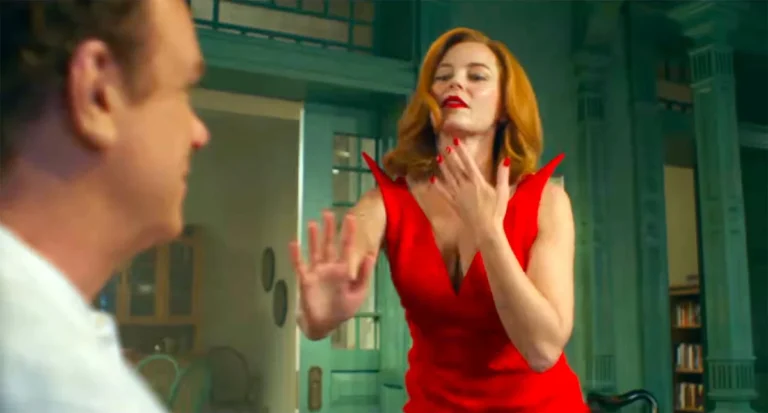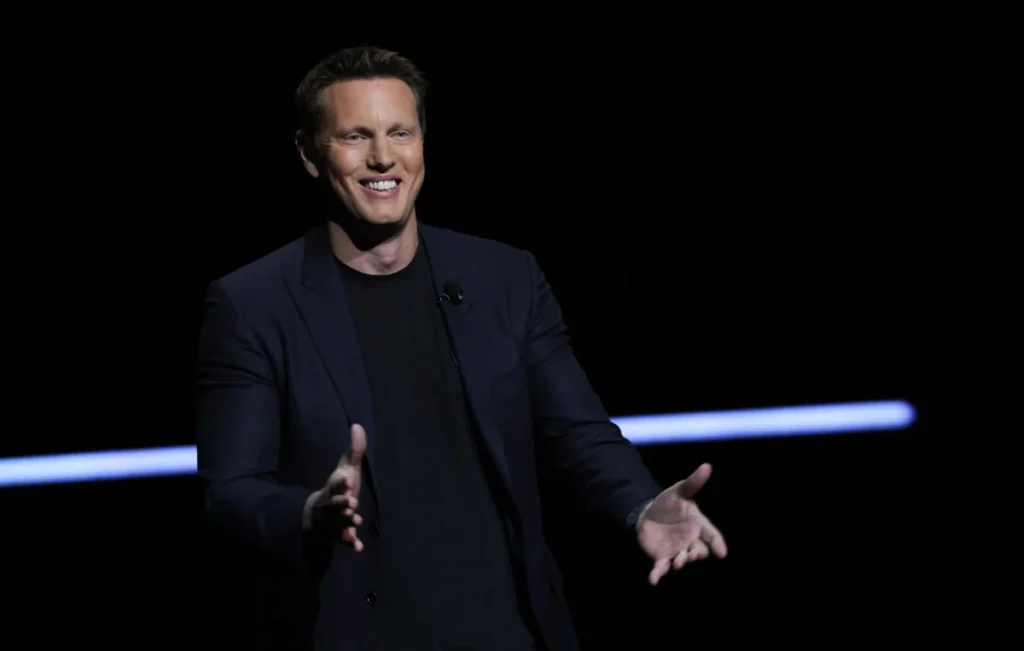



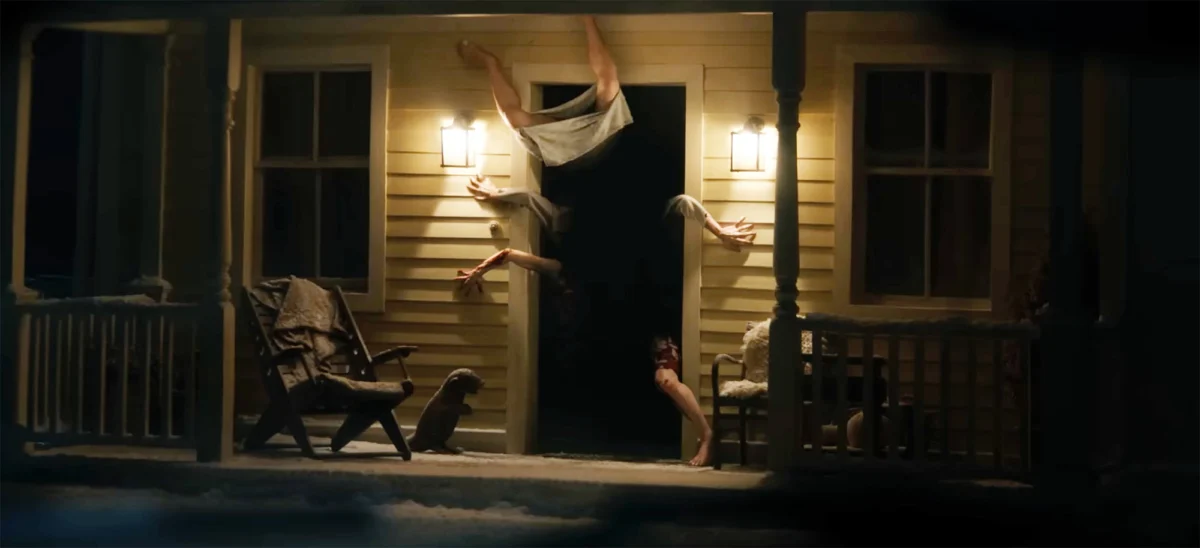
Sony Pictures has officially released the first teaser trailer for the highly anticipated new Resident Evil film, helmed by acclaimed horror director Zach Cregger. The unveiling on April 30, 2026, signals a fresh cinematic interpretation of Capcom’s iconic survival horror video game franchise, promising a return to the series’ terrifying roots under the guidance of a filmmaker known for his distinctive and unsettling horror narratives. Scheduled for a theatrical release on September 18, 2026, this new adaptation aims to redefine the Resident Evil experience for a global audience, building on the critical and commercial success of Cregger’s previous horror hits, Barbarian (2022) and Weapons (2025). The initial footage offers a chilling glimpse into a world overrun by mutated horrors, centering on a hapless courier whose routine delivery spirals into a desperate fight for survival amidst a devastating outbreak.
The Teaser Trailer: A Glimpse into Cregger’s Terrifying Vision
The newly released teaser trailer, originating from Sony’s official YouTube channel, immediately establishes a tone of profound dread and visceral horror, distinct from previous Resident Evil cinematic endeavors. Opening with an ominous voiceover declaring, "It looks like there is a chance that we might not get to talk to each other again…", the trailer immerses viewers in a palpable sense of impending doom. Visuals rapidly shift between unsettling atmospheric shots and terrifying encounters with the franchise’s signature mutated creatures, hinting at a relentless and claustrophobic nightmare. The aesthetic leans heavily into a dark, gritty realism, eschewing the more action-oriented spectacle of earlier adaptations in favor of psychological tension and creature-driven scares.
The narrative hook, as revealed in accompanying promotional material, follows Bryan, portrayed by Austin Abrams, a medical courier whose unassuming task of delivering a package to a remote hospital catastrophically intertwines him with the genesis of a horrific outbreak. The trailer provides glimpses of Bryan navigating dimly lit corridors, abandoned medical facilities, and encountering the grotesque results of biological experimentation. Featured prominently are a variety of monstrous entities, suggesting a faithful yet reimagined menagerie of the franchise’s iconic foes. The rapid-fire editing and unsettling sound design contribute to a pervasive feeling of unease, reinforcing Cregger’s reputation for crafting genuinely frightening cinematic experiences. The final moments of the teaser deliver a visceral shock, culminating in the tagline, "A new era of evil," firmly positioning this film as a bold departure and a potential revitalization for the Resident Evil cinematic universe.

Zach Cregger: A New Architect of Horror
The announcement of Zach Cregger at the helm of a Resident Evil adaptation generated significant industry buzz, given his recent and meteoric rise in the horror genre. Cregger, initially known for his comedic work as part of the sketch comedy troupe The Whitest Kids U’Know and films like Miss March (2009), made an unexpected and impactful pivot with Barbarian in 2022. Barbarian earned widespread critical acclaim for its innovative narrative structure, unsettling atmosphere, and masterful use of suspense, grossing over $45 million worldwide on a modest budget of $4.5 million. This success cemented Cregger’s status as a formidable new voice in horror, adept at subverting audience expectations and delivering genuine scares.
His subsequent film, Weapons (2025), further solidified this reputation, garnering praise for its ambitious scope and continued exploration of psychological and visceral horror elements. Weapons, which also featured Austin Abrams in its cast, demonstrated Cregger’s ability to craft complex narratives within the genre, leading to heightened anticipation for his next project. For Resident Evil, Cregger’s involvement suggests a conscious effort by Sony Pictures and Constantin Film to return the franchise to its survival horror roots, focusing on tension, atmosphere, and character-driven terror rather than relying solely on high-octane action. His directorial style, characterized by slow-burn dread, unexpected twists, and a keen understanding of fear, aligns well with the core tenets of the original Resident Evil video games. The screenplay for this new film is co-written by Cregger and Shay Hatten, promising a fresh narrative perspective while honoring the source material’s essence.
The Enduring Legacy of the Resident Evil Franchise
The Resident Evil franchise, known in Japan as Biohazard, first debuted in 1996 with Capcom’s groundbreaking PlayStation game. It revolutionized the survival horror genre, establishing conventions that would influence countless titles for decades. The original game, set in the eerie Spencer Mansion, introduced players to STARS operatives Chris Redfield and Jill Valentine as they uncovered the horrific experiments of the Umbrella Corporation and battled bio-organic weapons (BOWs) created by the T-virus. Its blend of limited resources, intricate puzzles, fixed camera angles, and jump scares created an unparalleled sense of dread and vulnerability.
Over nearly three decades, the video game series has evolved significantly, expanding its lore to encompass a global conspiracy involving various viral outbreaks, secret organizations, and iconic characters like Leon S. Kennedy, Claire Redfield, and Ada Wong. Key entries like Resident Evil 2, Resident Evil 4, and Resident Evil 7: Biohazard are frequently cited as among the greatest video games of all time, pushing boundaries in storytelling, gameplay mechanics, and graphical fidelity. The franchise has sold over 140 million units worldwide across its main series and spin-offs, making it one of Capcom’s most successful and enduring intellectual properties. Its impact extends beyond gaming, permeating popular culture and inspiring numerous comics, novels, animated films, and merchandise. This rich and complex history provides a vast well of inspiration for any cinematic adaptation, offering a multitude of characters, creatures, and narrative arcs to explore.

Previous Cinematic Adaptations: A Mixed Record
The Resident Evil franchise has a lengthy and varied history in cinematic adaptations, beginning with Paul W.S. Anderson’s Resident Evil in 2002. This film, starring Milla Jovovich as original character Alice, launched a highly successful six-film series that collectively grossed over $1.2 billion worldwide, making it the highest-grossing film series based on video games until surpassed by Detective Pikachu and The Super Mario Bros. Movie. While commercially robust, the Anderson-directed films often diverged significantly from the game’s lore, focusing on high-octane action sequences and a dystopian narrative that was more inspired by the games than a direct adaptation. Critical reception was generally mixed to negative, with many fans expressing disappointment over the departure from the survival horror elements and established characters of the games.
Following the conclusion of the Jovovich series with Resident Evil: The Final Chapter in 2016, Constantin Film, the German production company that held the rights, initiated a reboot. This resulted in Resident Evil: Welcome to Raccoon City (2021), directed by Johannes Roberts. This reboot aimed for a more faithful adaptation of the first two games, featuring iconic characters like Claire Redfield, Leon S. Kennedy, and Chris Redfield in their early appearances. While praised by some for its fan service and attempts at accuracy, the film received a lukewarm critical reception and modest box office returns, grossing approximately $42 million worldwide against a budget of $25 million. This outcome underscored the challenge of translating the intricate lore and specific atmosphere of the Resident Evil games to the big screen in a way that satisfies both long-time fans and a broader audience. The subsequent decision to pursue another cinematic reboot, this time with Zach Cregger, suggests a continuous search for a definitive and critically acclaimed live-action Resident Evil experience that can authentically capture the franchise’s unique blend of horror and action.
Casting the Apocalypse: The Ensemble and Their Roles
The cast assembled for Zach Cregger’s Resident Evil features a blend of established talent and rising stars, hinting at a character-driven approach to the narrative. Leading the film is Austin Abrams as Bryan, the ill-fated medical courier. Abrams’ previous collaboration with Cregger in Weapons suggests a strong working relationship and Cregger’s confidence in his ability to convey the vulnerability and terror central to the protagonist’s journey. Abrams is known for his roles in Euphoria and The Walking Dead, where he has demonstrated a capacity for nuanced performances under duress, making him a fitting choice for a character thrust into a horrific ordeal.
Joining Abrams are Zach Cherry, Kali Reis, and Paul Walter Hauser. Zach Cherry, recognized for his comedic timing in Severance and his distinct on-screen presence, could potentially offer a blend of comic relief and unexpected heroism, or perhaps a more sinister role, given Cregger’s penchant for subversion. Kali Reis, an accomplished professional boxer and actress, earned critical acclaim for her performance in Catch the Fair One, showcasing a powerful and intense screen presence that could translate into a formidable survivor or antagonist. Paul Walter Hauser, celebrated for his versatile performances in Richard Jewell and Black Bird, is known for his ability to embody complex characters, ranging from sympathetic to darkly comedic or genuinely menacing. His inclusion suggests the film will likely feature strong character development beyond mere monster fodder. The collective talent of this ensemble, under Cregger’s direction, has the potential to elevate the human drama amidst the grotesque horror, a hallmark of effective survival horror storytelling.

The Narrative Premise: A Courier’s Nightmare and Umbrella’s Shadow
The announced plot centers on Bryan, a medical courier, whose seemingly mundane task of delivering a package to a remote hospital becomes the catalyst for his descent into a terrifying outbreak. This premise, while distinct from the immediate settings of the early Resident Evil games (like the Spencer Mansion or Raccoon City Police Department), aligns with the broader themes of the franchise: ordinary individuals caught in extraordinary, horrific circumstances caused by corporate malfeasance. The "remote hospital" setting immediately evokes classic horror tropes, providing a secluded, vulnerable environment ripe for an unfolding nightmare. It suggests a contained outbreak, allowing for intense, claustrophobic horror before potentially escalating to a wider catastrophe.
The mention of the Umbrella Corporation, the nefarious pharmaceutical conglomerate responsible for the creation of the T-virus and subsequent bio-organic weapons, confirms the film’s grounding in the established Resident Evil lore. While the specific package and its contents remain undisclosed, it is plausible that it holds a key element related to the outbreak, whether it be a virus sample, an antidote, or research data that inadvertently triggers the chaos. This setup allows for a fresh perspective on the familiar franchise elements, introducing a new protagonist whose primary motivation is survival and escape, rather than being a trained operative. It offers Cregger the creative freedom to craft an original story that resonates with the core anxieties of the Resident Evil universe – corporate greed, unchecked scientific ambition, and the fragility of human civilization in the face of biological catastrophe.
Production Details and Studio Backing
The new Resident Evil film is a collaborative effort involving several prominent production entities. Columbia Pictures, a division of Sony Pictures, is leading the distribution, indicating a major studio investment and a wide theatrical release strategy. Constantin Film, the German production company that has held the Resident Evil film rights for decades and produced all previous live-action adaptations, is once again involved, ensuring continuity in the franchise’s cinematic stewardship. TriStar Pictures is also listed, further solidifying the strong studio backing.
The production team includes a formidable roster of producers: Robert Kulzer, a veteran producer of the Resident Evil film series; Zach Cregger himself, underscoring his creative control and vision; Roy Lee and Miri Yoon from Vertigo Entertainment, known for their work on successful horror films like The Grudge and It; and Carter Swan and Asad Qizilbash, representing PlayStation Productions, a division of Sony Interactive Entertainment dedicated to adapting PlayStation games for film and television. The involvement of PlayStation Productions is particularly noteworthy, signaling a direct link between the gaming giant and the film’s development, potentially indicating a deeper understanding and respect for the source material, a trend seen in recent successful video game adaptations like HBO’s The Last of Us. This robust production alliance suggests a significant commitment to delivering a high-quality, impactful entry into the Resident Evil cinematic canon.

The Broader Landscape of Video Game Adaptations
Zach Cregger’s Resident Evil arrives at a pivotal moment for video game adaptations in Hollywood. Historically, films based on video games have faced a challenging path, often struggling with critical reception and failing to capture the essence of their source material. However, recent years have witnessed a significant shift, with a wave of critically acclaimed and commercially successful adaptations demonstrating a newfound understanding of how to translate interactive narratives to linear storytelling.
The success of films like Sonic the Hedgehog (2020) and The Super Mario Bros. Movie (2023), which broke box office records for animated films, has proven the commercial viability of these adaptations. More importantly, television series like Netflix’s Arcane (based on League of Legends), Paramount+’s Halo, and especially HBO’s The Last of Us, have achieved unprecedented critical acclaim, proving that video game stories can be adapted with artistic integrity and broad appeal. The Last of Us, in particular, garnered numerous awards and became a cultural phenomenon, setting a new benchmark for narrative fidelity and emotional depth in adaptations.
This evolving landscape creates a fertile ground for Cregger’s Resident Evil. With the previous Resident Evil films already proving box office power and the more recent reboot attempting fidelity, Cregger’s approach, focusing on psychological horror and a distinct directorial vision, could be precisely what the franchise needs to join the ranks of truly successful video game adaptations. The market is now more receptive to diverse interpretations, as long as they are executed with creative talent and a clear understanding of the source material’s enduring appeal.
Anticipation and Implications for the Franchise
The unveiling of the teaser trailer for Zach Cregger’s Resident Evil has ignited considerable discussion among fans and industry observers. The director’s track record with Barbarian and Weapons suggests a film that will prioritize genuine scares, unsettling atmosphere, and perhaps a more character-driven approach to horror, contrasting sharply with the action-heavy predecessors. This pivot could be a strategic move to differentiate the film and appeal to both a new generation of horror enthusiasts and long-time fans of the game series who have yearned for a more faithful adaptation of its survival horror elements.

The film’s release date of September 18, 2026, positions it within the competitive fall movie season, often a prime window for horror releases. If successful, Cregger’s Resident Evil could reinvigorate the cinematic arm of the franchise, potentially paving the way for a new series of films that delve deeper into the rich lore of the Umbrella Corporation, its various viruses, and the myriad of characters that populate the Resident Evil universe. For Zach Cregger, this project marks a significant step, placing him at the helm of a globally recognized intellectual property, further solidifying his position as a prominent voice in contemporary horror cinema. The film’s performance will be closely watched as a barometer for the evolving strategies in adapting beloved video game properties and for the continued evolution of the horror genre itself.