

Fazil’s seminal 1993 psychological horror film, "Manichithrathazhu," continues to captivate audiences and critics alike, a testament to its layered narrative, compelling performances, and innovative approach to the genre. Released at a time when psychological thrillers were gaining traction globally, the film not only achieved immense commercial success but also solidified its place as an all-time classic within Malayalam cinema. Its enduring power lies in a confluence of factors, from its meticulous screenplay and atmospheric direction to its groundbreaking portrayal of mental health themes, which has inspired countless filmmakers and introduced significant talent to the industry.
Genesis and Cultural Context of a Cinematic Landmark
The production of "Manichithrathazhu" emerged from a rich tapestry of Malayalam cinema’s evolving landscape. The early 1990s saw a burgeoning interest in more complex narratives that moved beyond conventional masala formulas. Director Fazil, known for his ability to blend commercial appeal with artistic depth, along with screenwriter Madhu Muttom, embarked on a project that would redefine horror storytelling in the region. The film’s setting in a traditional ancestral home, or "Tharavad," in Kerala provided a potent backdrop, steeped in local folklore and cultural nuances, which were integral to the film’s atmospheric tension.
The narrative draws inspiration from real-life cases and folklore, particularly the legend of Nagavalli, a Kathakali dancer whose spirit is believed to be trapped within the "Thekkini," a forbidden chamber in the Madampalli mansion. This element of localized myth-building, rather than relying on generic supernatural tropes, grounds the horror in a tangible cultural context, making the house itself a character imbued with a history of tragedy and unrest. The decision to weave these elements into a psychological framework, rather than a straightforward ghost story, was a significant departure for its time, foreshadowing a trend towards more nuanced explorations of the human psyche in cinema.
The Narrative Unfolds: A Descent into Psychological Unrest
The story centers on Nakulan, portrayed by Suresh Gopi, and his wife Ganga, played by Shobana, who decide to spend a vacation at Nakulan’s ancestral home in Kerala. Despite stern warnings from elder family members about the house’s haunted reputation, Nakulan, driven by a blend of skepticism and familial pride, insists on residing there. The extended family, including Thambi (Nedumudi Venu), his wife (Kuttyedathi Vilasini), and their children Sreedevi (Vinaya Prasad), Jayasree (Vaijayanthi), and Chandhu (Sudheesh), alongside Nakulan’s aunt Bhasura (K. P. A. C. Lalitha), her husband Unnithan (Innocent), and daughter Alli (Rudra), join them, creating a claustrophobic environment filled with watchful eyes and hushed whispers.
A pivotal moment occurs when Nakulan and Ganga inadvertently open the "Thekkini," a locked room steeped in legend. This act is followed by a series of unsettling occurrences, most notably Ganga’s increasingly erratic behavior, which baffles Nakulan and the family. Their attempts to understand and address Ganga’s condition lead them to seek the expertise of Dr. Sunny Joseph (Mohanlal), a renowned psychiatrist practicing in America. His arrival marks a turning point, introducing a scientific perspective to counter the prevailing supernatural fears.
Subverting Tropes: A Masterclass in Psychological Tension
"Manichithrathazhu" distinguishes itself through its sophisticated subversion of conventional possession narratives. Instead of relying on overt jump scares and clichéd exorcism rituals, the film masterfully builds suspense through subtle "glitches" in reality. These manifest as inexplicable phenomena: objects shattering without cause, spontaneous fires, and, most crucially, gradual yet profound shifts in Ganga’s personality. This nuanced approach allows the audience to question whether the events are supernatural or rooted in psychological distress.
The introduction of Dr. Sunny Joseph injects a compelling tension between empirical science and ancient beliefs. His diagnostic approach, framing Ganga’s affliction as a potential dissociative identity disorder, elevates the film beyond a mere horror flick. It becomes a high-stakes intellectual and emotional puzzle, a race against time to accurately diagnose and treat Ganga before the perceived "possession" escalates. This diagnostic journey, interwoven with elements of folklore and tantric traditions, creates a unique blend of intellectual intrigue and suspense.
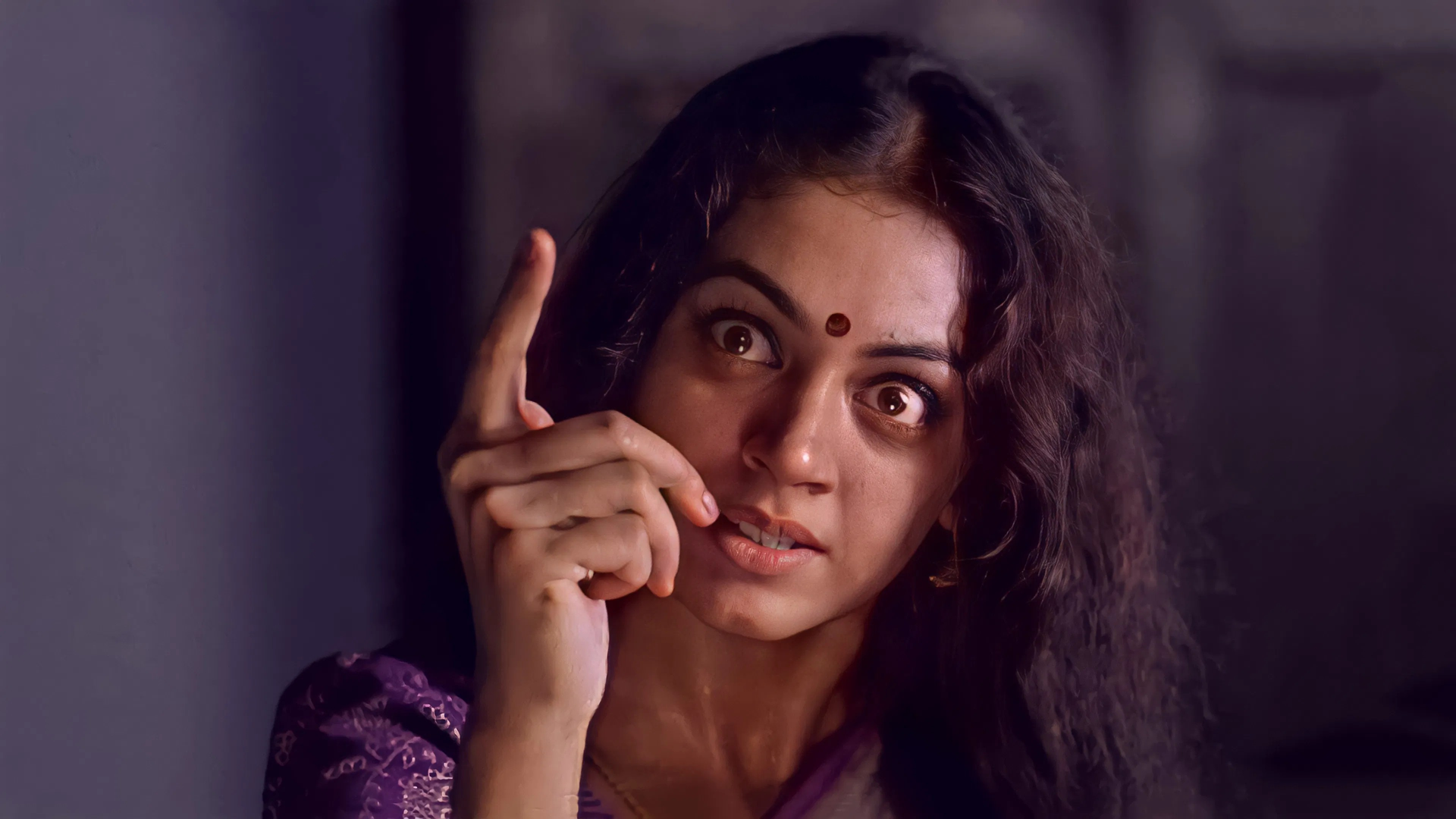
The film’s climax is particularly lauded for its ingenuity. Rather than a conventional battle against a spirit, the resolution involves an elaborate ritual designed to provide psychological "closure." This meticulously crafted sequence, employing psychological trickery and vibrant ceremonial elements, stands as one of the most creative and satisfying resolutions in the annals of horror cinema, demonstrating a profound understanding of both human psychology and cinematic storytelling.
Critical Analysis: Strengths and Minor Inconsistencies
Despite its widespread acclaim, "Manichithrathazhu" is not without its minor structural indulgences. One notable aspect that has drawn scrutiny is the film’s heavy reliance on a narrative red herring involving Sreedevi. The screenplay dedicates significant effort to positioning her as the potential vessel for Nagavalli’s spirit. However, the logical underpinnings of this subplot can falter due to Sreedevi’s characterization, which, while present, remains relatively underdeveloped. Her connection to the ultimate target of Nagavalli’s supposed revenge is also somewhat opaque. While this tactic is clearly intended to misdirect the audience and heighten suspense, it occasionally feels like a diversion of valuable screen time that could have been allocated to further developing the secondary cousins or refining the overall pacing.
Furthermore, the film exhibits some tonal fluctuations characteristic of its era. Certain comedic subplots, particularly those involving a quirky neighbor whose exaggerated personality disorder feels somewhat detached from the escalating dread within the mansion, can disrupt the carefully cultivated atmosphere of suspense. Similarly, the extended explorations into the historical backstories of characters like Ramanathan and the Karnavar, while providing depth, occasionally stretch the film’s runtime, leading to a middle act that can feel slightly protracted. Nevertheless, these are relatively minor points when viewed against the backdrop of an otherwise tightly constructed and compelling psychological thriller.
Thematic Resonance and Lasting Impact
"Manichithrathazhu" stands as a definitive pillar in the genre, masterfully integrating folklore, music, and psychiatric theory into a cohesive and captivating narrative. Its ability to maintain an unsettling "supernatural vibe" while ultimately grounding its resolution in human psychology represents a significant cinematic achievement. The film’s enduring appeal lies in its intelligent exploration of mental health, presented not as a source of cheap scares, but as a complex human condition that can be understood and addressed.
The film’s influence extends far beyond its initial release. It has been widely credited with elevating the standards of psychological thrillers in Indian cinema and has served as an inspiration for numerous remakes and adaptations in other languages, including Tamil ("Chandramukhi") and Hindi ("Bhool Bhulaiyaa"). These adaptations, while successful in their own right, often struggled to replicate the nuanced psychological depth and cultural resonance of the original.
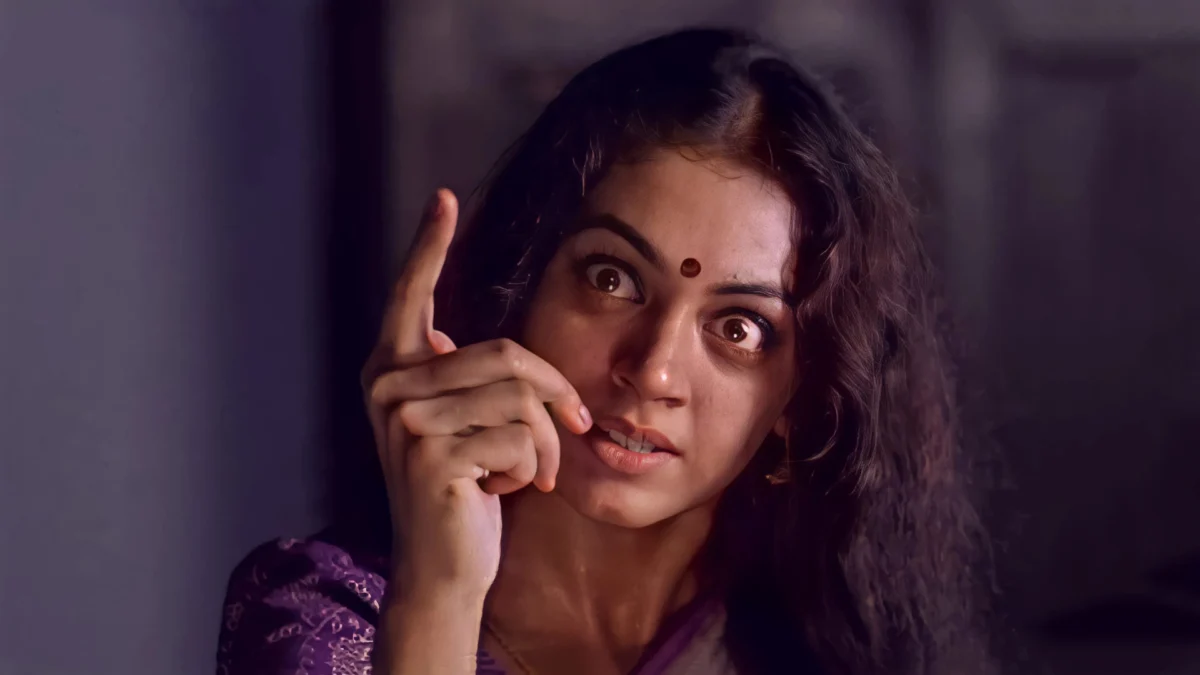
The performances in "Manichithrathazhu" are universally praised, with Shobana’s portrayal of Ganga being particularly iconic, earning her critical acclaim and numerous accolades. Mohanlal’s portrayal of Dr. Sunny Joseph is a study in calm intellect, providing a crucial counterpoint to the unfolding mystery. Suresh Gopi delivers a compelling performance as the increasingly bewildered husband, and the ensemble cast, featuring veteran actors like Nedumudi Venu and Innocent, adds significant weight and authenticity to the narrative.
Broader Implications and Legacy
The success of "Manichithrathazhu" has had a profound impact on the Malayalam film industry and Indian cinema at large. It demonstrated the commercial viability of intelligent, character-driven narratives that tackled complex themes. The film’s success also highlighted the importance of strong screenwriting and innovative direction in creating impactful cinematic experiences.
In a broader sense, "Manichithrathazhu" contributed to a growing awareness and destigmatization of mental health issues within mainstream Indian media. By portraying a psychological disorder with sensitivity and depth, it encouraged audiences to view such conditions with greater understanding and empathy. The film’s sophisticated narrative and its successful fusion of cultural elements with psychological themes have cemented its status as a high-water mark in Indian cinema, a film that continues to reward viewers with every re-watch and remains an essential watch for anyone interested in the roots of sophisticated Indian psychological horror. Its legacy is not just in its box office success or critical acclaim, but in its lasting contribution to storytelling and its profound impact on how psychological themes can be explored on screen.