

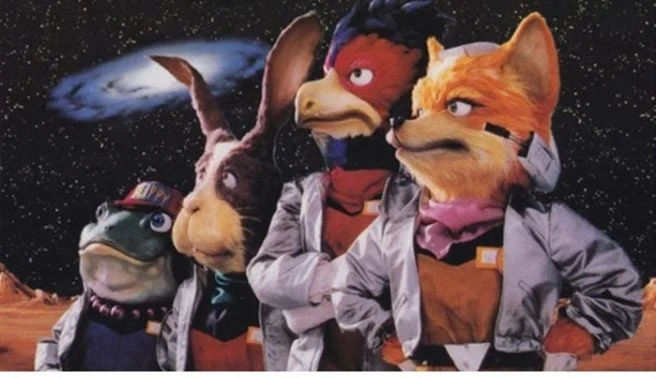
The mystery surrounding the physical remnants of one of Nintendo’s most iconic 1990s marketing campaigns has finally been resolved, revealing a somber conclusion for enthusiasts of video game history. For decades, fans of the Star Fox franchise have wondered about the location of the anthropomorphic puppets used to promote the original 1993 Super Nintendo Entertainment System (SNES) release. A recent investigative report has confirmed that the original puppets of Fox McCloud, Falco Lombardi, Peppy Hare, and Slippy Toad no longer exist, having been destroyed shortly after their promotional duties were completed due to the rapid degradation of the materials used in their construction.
The investigation, spearheaded by the specialized outlet Time Extension, sought to trace the lineage of these tactile figures, which once graced the covers of gaming magazines and starred in memorable television commercials. Despite reaching out to key figures involved in the game’s development, including lead programmer Dylan Cuthbert and legendary character designer Takaya Imamura, the trail initially appeared cold. It was only after contacting Shirogumi, the Japanese visual effects and animation studio responsible for creating the figures, that the definitive fate of the puppets was established. Shirogumi confirmed that the figures were constructed using a combination of natural rubber, fur, and feathers—materials that are notoriously difficult to preserve without specialized archival conditions.
The Technical Reality of 1990s Practical Effects
The destruction of the Star Fox puppets was not an act of negligence but rather a consequence of the chemical composition of the materials used during the era. Shirogumi explained that the process of gluing organic materials, such as feathers and fur, onto a natural rubber base creates a product that begins to oxidize and deteriorate almost immediately upon exposure to air. Natural rubber is prone to "dry rot," a process where the polymers break down, causing the material to become brittle, crack, and eventually turn into a sticky or powdery residue.
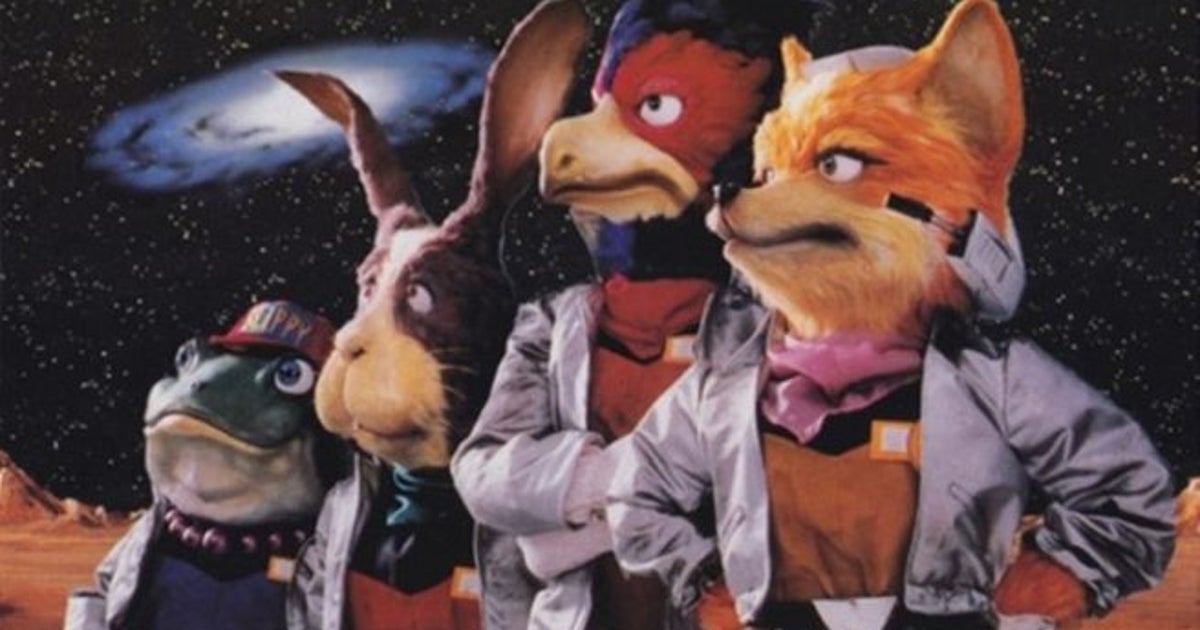
In the context of 1993, these puppets were viewed as ephemeral marketing tools rather than historical artifacts. Once the photography for the SNES box art—where the game was known as Starwing in PAL territories—and the filming of promotional trailers were finished, the puppets had already begun to show signs of wear. According to the studio, the decision to destroy them was a practical one, as maintaining them would have required an atmospheric-controlled environment that was not standard for commercial props at the time. This revelation highlights a recurring issue within the video game industry: the loss of physical and digital assets from the "Golden Age" of gaming due to a lack of formal preservation strategies in the late 20th century.
A Chronology of the Star Fox Marketing Campaign
To understand the significance of these puppets, one must look back at the landscape of the early 1990s. Nintendo was preparing to launch Star Fox, a title that would showcase the Super FX chip, a supplemental RISC processor built into the game cartridge that allowed the SNES to render real-time 3D polygons.
- 1992 – Conceptualization: Nintendo EAD, led by Shigeru Miyamoto, collaborated with the British developer Argonaut Software. While the game used cutting-edge digital technology, Miyamoto wanted the marketing to feel "handmade." He drew inspiration from "Thunderbirds," the British sci-fi series that utilized "Supermarionation" (electronic marionettes).
- Late 1992 – Puppet Construction: Shirogumi was commissioned to bring Takaya Imamura’s character designs into the physical world. The puppets were designed with a slightly "uncanny" aesthetic, featuring realistic eyes and textured fur to contrast with the abstract polygons of the game.
- Early 1993 – Global Launch: The puppets became the face of the franchise. They appeared on the cover of the North American and European packaging and were the stars of a high-budget television campaign.
- 1994-2023 – The Missing Years: After the launch of the game, the puppets vanished. While Nintendo occasionally used high-quality CG renders for sequels like Star Fox 64, the "puppet aesthetic" remained a nostalgic touchstone, even influencing the art style of the 2016 Wii U title, Star Fox Zero.
- 2024 – Final Confirmation: The Shirogumi statement provides the final chapter in this chronology, confirming that the physical links to the 1993 campaign are gone forever.
The Cultural Impact of the Star Fox Aesthetic
The use of puppets was a deliberate stylistic choice that separated Star Fox from other sci-fi shooters of the era. By utilizing physical models, Nintendo grounded the high-concept polygon flight simulator in a world that felt tangible and character-driven. This approach helped establish the personalities of the Star Fox team: the stoic leader Fox, the arrogant ace Falco, the seasoned veteran Peppy, and the nervous mechanical genius Slippy.
The "Thunderbirds" influence extended beyond just the marketing. In the game itself, the characters’ mouths moved in a simple, rhythmic fashion reminiscent of puppet strings, a detail that fans have cherished for over three decades. The loss of the original models is seen by historians as a blow to the study of how Nintendo bridged the gap between traditional Japanese craft and modern digital entertainment.

Contemporary Resurgence: The Super Mario Galaxy Movie and Beyond
While the original puppets are lost, the Star Fox intellectual property (IP) is currently experiencing a significant revival in the public consciousness. This resurgence is fueled by both official media appearances and persistent industry rumors regarding the future of the franchise on Nintendo’s upcoming hardware.
Recently, Fox McCloud made a high-profile cameo in "The Super Mario Galaxy Movie," the latest installment in Nintendo’s expanding cinematic universe. While the film has received a mixed critical reception, the appearance of the Arwing—the franchise’s signature starfighter—and Fox McCloud himself has been cited by audiences as a standout moment. This cinematic inclusion suggests that Nintendo is keen to keep the Star Fox brand relevant to younger audiences who may not have played the original SNES or N64 titles.
Furthermore, the gaming industry is currently abuzz with reports regarding a new entry in the series. According to several prominent insiders and leakers, a new Star Fox title is currently in development and is slated to be a flagship release for the successor to the Nintendo Switch, colloquially referred to as the "Switch 2."
Analysis of Future Implications for the Franchise
The reported upcoming Star Fox title is said to feature a heavy emphasis on online multiplayer, a feature that fans have requested since the days of Star Fox: Assault on the GameCube. If these rumors hold true, the transition to more powerful hardware would allow Nintendo to realize the vision of massive space battles that were limited by the technical constraints of previous generations.

From a strategic perspective, the timing of the puppet news and the movie cameo points toward a coordinated effort to revitalize the IP. Historically, Star Fox has been a "prestige" franchise for Nintendo—one used to showcase hardware capabilities rather than to drive record-breaking sales like Mario or Zelda. The Super FX chip on the SNES and the Rumble Pak on the N64 were both introduced to the world via Star Fox. It is logically inferred that a "Switch 2" Star Fox title would serve a similar purpose, likely showcasing advanced processing power, improved networking capabilities, or new controller haptics.
Preserving the Legacy in a Digital Age
The destruction of the Shirogumi puppets serves as a cautionary tale for the preservation of gaming history. In recent years, organizations like the Video Game History Foundation and the Strong National Museum of Play have ramped up efforts to save physical artifacts, but for many items from the 8-bit and 16-bit eras, it is already too late.
However, the spirit of the Star Fox puppets lives on in the digital domain. Modern emulation and the Nintendo Switch Online service allow players to experience the original 1993 game, ensuring that the work of Dylan Cuthbert, Takaya Imamura, and the rest of the development team remains accessible. While the fur and rubber of the original models have returned to the earth, the polygons they promoted continue to fly.
As Nintendo moves toward its next generation of hardware, the Star Fox franchise stands at a crossroads. The loss of its physical past coincides with the potential for a technologically advanced future. Whether the rumored Switch 2 title returns to the puppet-inspired charm of the original or ventures into a new hyper-realistic aesthetic remains to be seen, but the legacy of the Star Fox team remains an indelible part of the fabric of interactive entertainment. For now, fans can look forward to the summer, when Nintendo is expected to provide official clarity on the future of the Lylat System and the pilots who defend it.