Versant Media Group, the newly independent media entity comprising the former cable networks and digital assets of Comcast Corporation, released its inaugural earnings report on Tuesday, providing the first comprehensive look at its financial health since debuting on the public markets. For the full fiscal year of 2025, the company reported total revenue of $6.69 billion, representing a 5% decline compared to the previous year when the assets were still under the umbrella of Comcast’s NBCUniversal division. The report, which details the company’s final year of operational integration with its former parent, highlights the ongoing challenges facing traditional linear television while signaling an aggressive shift toward digital and platform-based revenue streams.
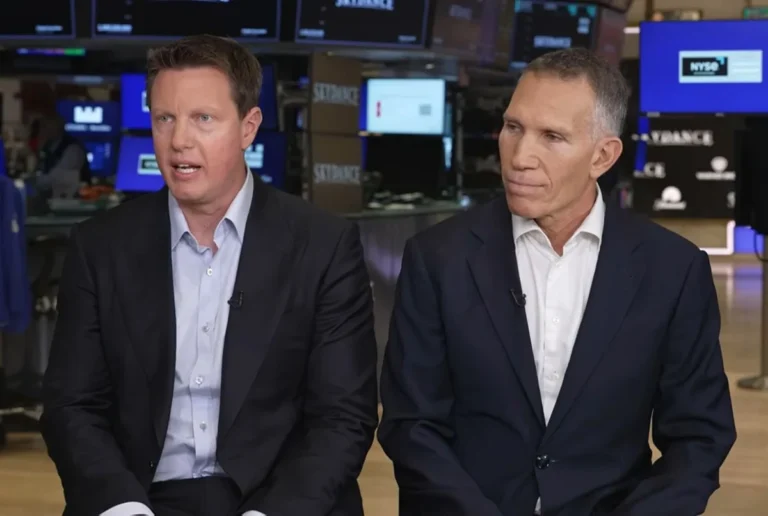
Despite the top-line decline, Versant reported a net income attributable to the company of $930 million. On a stand-alone basis, the company’s adjusted earnings before interest, taxes, depreciation, and amortization (EBITDA) reached $2.18 billion for the full year. These figures arrive as Versant navigates its first quarter as a standalone company on the Nasdaq, following its official separation from Comcast in early January 2026. The results reflect a transitional period in which the company’s management, led by CEO Mark Lazarus and CFO Anand Kini, worked to decouple complex operational structures from NBCUniversal while stabilizing a portfolio that remains heavily reliant on the legacy pay-TV ecosystem.
Financial Performance and Capital Allocation Strategy
The quarterly data for the period ending December 31, 2025, further illustrated the pressure on traditional media segments. Total quarterly revenue fell nearly 7% year-over-year to $1.61 billion. A Securities and Exchange Commission (SEC) filing released Tuesday indicated that linear distribution revenue—the fees paid by cable and satellite providers to carry Versant’s networks—dropped nearly 6% to $997 million. Advertising revenue saw a more pronounced decline, falling 9% to $370 million, as marketers continue to shift budgets toward streaming and social media platforms.
In contrast to the declining linear segments, Versant’s "platforms" revenue, which includes its digital and transactional businesses, remained a bright spot. Quarterly platform revenue was roughly flat at $202 million, but for the full year, it was the only segment to show growth. Stand-alone adjusted EBITDA for the fourth quarter was $521 million, a 19% decrease from the same period in 2024, reflecting both the loss of high-margin linear advertising and the costs associated with the corporate spin-off.
To reassure investors during this period of volatility, Versant’s board of directors declared a quarterly dividend of 37.5 cents per share, which translates to an annualized payout of $1.50 per share. Additionally, the board authorized a $1 billion share repurchase program. Executives emphasized that the company’s relatively low debt load compared to its industry peers allows it to prioritize shareholder returns even as it reinvests in digital transformation. CFO Anand Kini stated during the earnings call that returning capital remains a "top priority," supported by the company’s high-margin business model and disciplined investment strategy.
The Genesis of Versant: A Timeline of the Comcast Spinoff
The creation of Versant Media Group marks one of the most significant structural changes in the media industry in recent years. The process began in late 2024 when Comcast leadership signaled a desire to separate its traditional cable networks from its core "growth" businesses, which include Xfinity broadband, NBCUniversal’s theme parks, and the Peacock streaming service.
- November 2024: Comcast officially announces the plan to spin off its cable networks into a new, publicly traded company. The move was seen as a way to "unlock value" by allowing the cable assets to be valued independently of Comcast’s capital-intensive telecommunications business.
- Throughout 2025: Management teams under Mark Lazarus begin the operational "carve-out," establishing independent HR, legal, and technology frameworks. During this time, the assets continued to report through NBCUniversal, but internal accounting was adjusted to reflect the upcoming separation.
- January 5, 2026: Versant Media Group (VSNT) begins trading on the Nasdaq. The spinoff was completed via a tax-free distribution of shares to existing Comcast stockholders.
- March 2026: Versant releases its first independent earnings report, marking the end of the transition and the beginning of its life as a standalone strategic entity.
The spinoff was largely interpreted by Wall Street as a strategic retreat from the "linear bundle." By shedding networks like USA Network, Syfy, and E!, Comcast reduced its exposure to the accelerating trend of cord-cutting, while Versant was tasked with managing the decline of those assets while pivoting to a new digital-first future.
Portfolio Composition and Segment Analysis
Versant Media Group manages a diverse portfolio that is currently bifurcated between legacy television and emerging digital platforms. The linear portfolio includes major cable brands such as CNBC, MS Now (the evolved digital-linear hybrid of former news assets), USA Network, Golf Channel, Syfy, E!, and Oxygen. These networks have historically been the "cash cows" of the organization, generating significant cash flow through affiliate fees and national advertising.
However, the "platforms" segment is where the company sees its long-term viability. This unit includes:
- Fandango and Rotten Tomatoes: The leading movie ticketing and review platforms, which benefit from theatrical recovery and digital advertising.
- GolfNow and Sports Engine: Niche digital services that provide booking and management tools for golfers and youth sports organizations.
- Direct-to-Consumer (DTC) News: Subscription and ad-supported digital offerings from CNBC and MS Now.
The 2025 data shows that more than 80% of Versant’s revenue is still derived from the pay-TV business. However, the company reported that non-pay TV revenue reached 19% of the total in 2025, totaling $826 million. The platform business’s status as the sole growing segment underscores the necessity of the company’s "50% digital" goal.
The Strategic Roadmap: Achieving 50% Digital Revenue
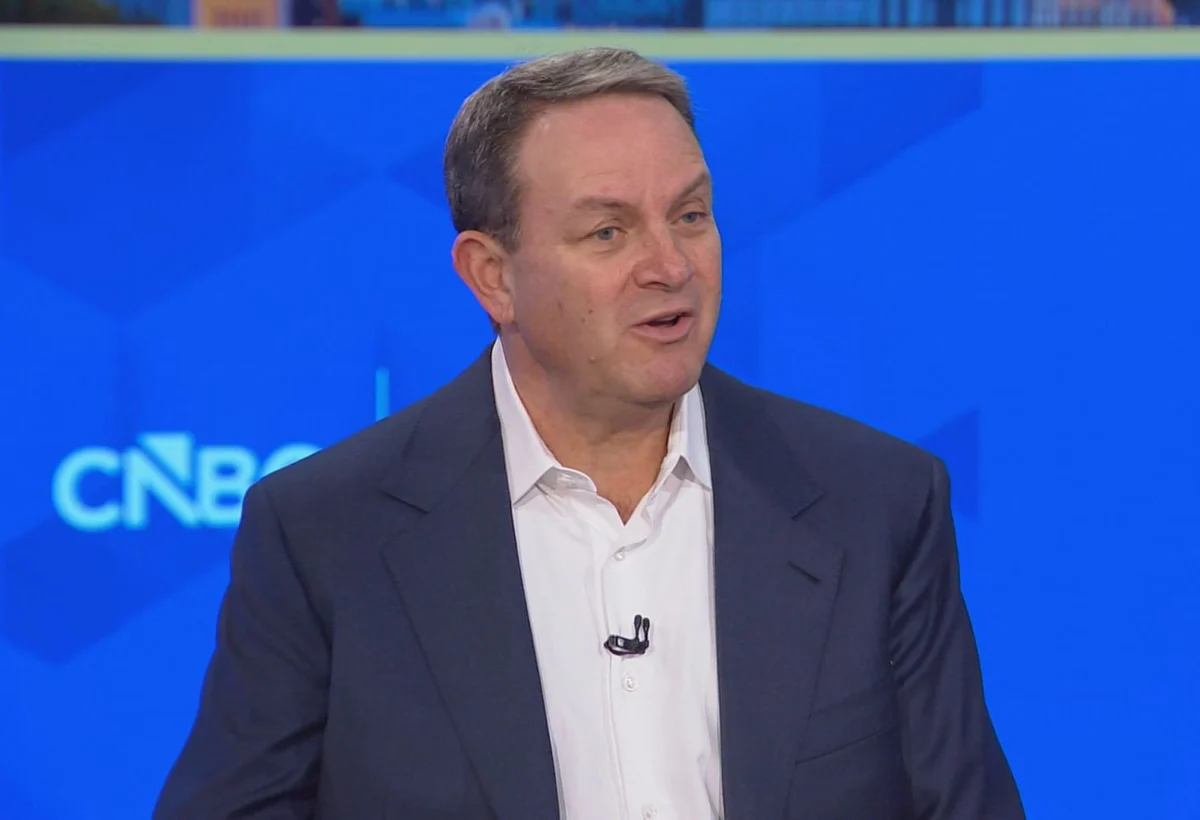
CEO Mark Lazarus outlined an ambitious five-year plan during Tuesday’s call, stating that the company aims to eventually derive half of its revenue from digital, platform, subscription, and transactional sources. Currently at 19%, the company hopes to reach 33% within the next three years before pushing toward the 50% milestone.
Key drivers for this growth include the upcoming launch of "Fandango at Home" in 2026, an ad-supported streaming service designed to leverage the brand’s massive user base. Additionally, the company is doubling down on its financial and news verticals. CNBC Pro, a premium subscription service for investors, and a new retail investor product are expected to drive high-margin recurring revenue. The transition of MS Now into a fully realized direct-to-consumer product is also a central pillar of the strategy, moving away from a reliance on cable carriage agreements and toward a direct relationship with viewers.
Lazarus noted that 2026 will be a "year of transition," as the company moves from the logistical hurdles of the spinoff to the execution of its new business model. The challenge lies in scaling these digital assets fast enough to offset the inevitable decline in linear distribution fees, which fell by over $230 million in the last year alone.
Broader Industry Implications and Market Reaction
The performance of Versant Media Group is being closely watched by the broader media and entertainment industry. As giants like Warner Bros. Discovery, Disney, and Paramount Global grapple with the profitability of their own streaming services versus the erosion of their cable networks, Versant serves as a "pure-play" case study. Unlike its competitors, Versant does not have a massive, loss-leading general entertainment streaming service like Disney+ or Max; instead, it is focusing on transactional platforms and niche, high-value content like financial news and sports management.
Market analysts have expressed cautious optimism regarding Versant’s lean corporate structure and its ability to generate cash. The $1 billion share buyback and $1.50 annualized dividend are significant for a company of its size, suggesting that management is confident in its ability to manage the "melting ice cube" of linear TV while funding its digital pivot.
However, the 9% decline in advertising revenue remains a point of concern for investors. This decline suggests that even with "must-have" content like live sports on USA Network and the Golf Channel, the secular shift away from linear television is accelerating. Analysts from major firms noted that Versant’s success will depend on its ability to maintain its "carriage" value—the necessity for cable providers to include their channels—while simultaneously building a digital ecosystem that can command higher ad rates through better data and targeting.
As Versant moves into the remainder of 2026, the focus will remain on the scalability of the platform segment. If the company can successfully transition its news and sports audiences to digital environments while maintaining its robust dividend, it may provide a blueprint for other media companies looking to navigate the post-cable era. For now, the first earnings report serves as a baseline for a company that is essentially attempting to rebuild its foundation while the old structure is still in use.