



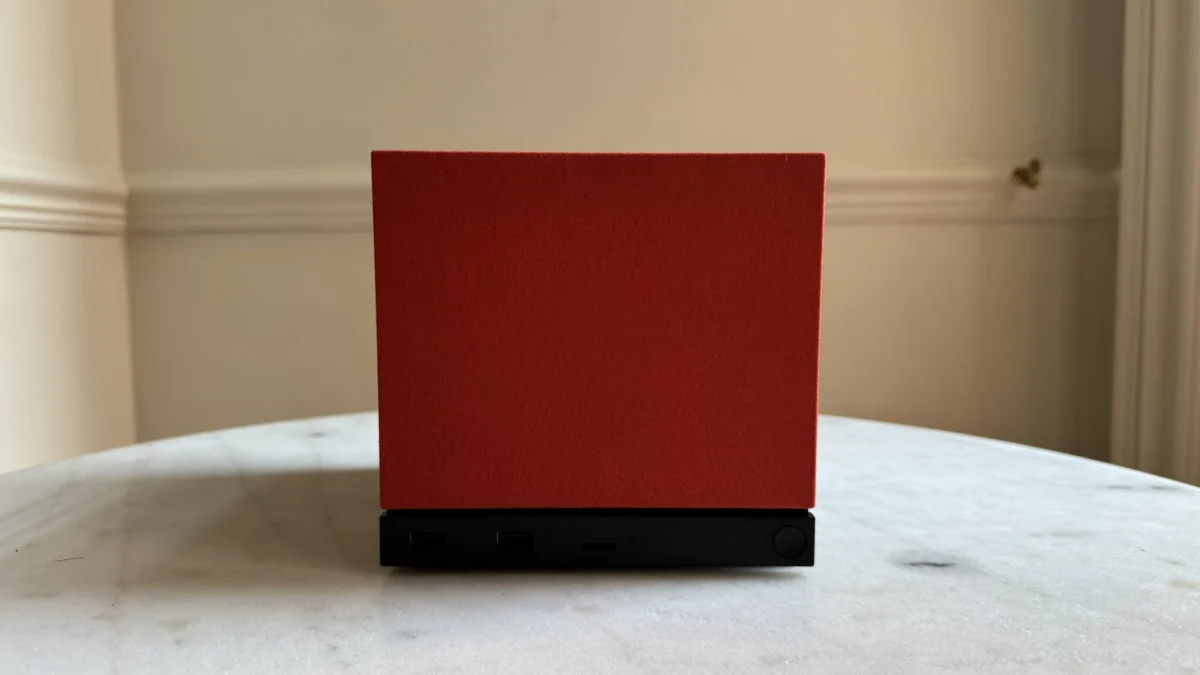
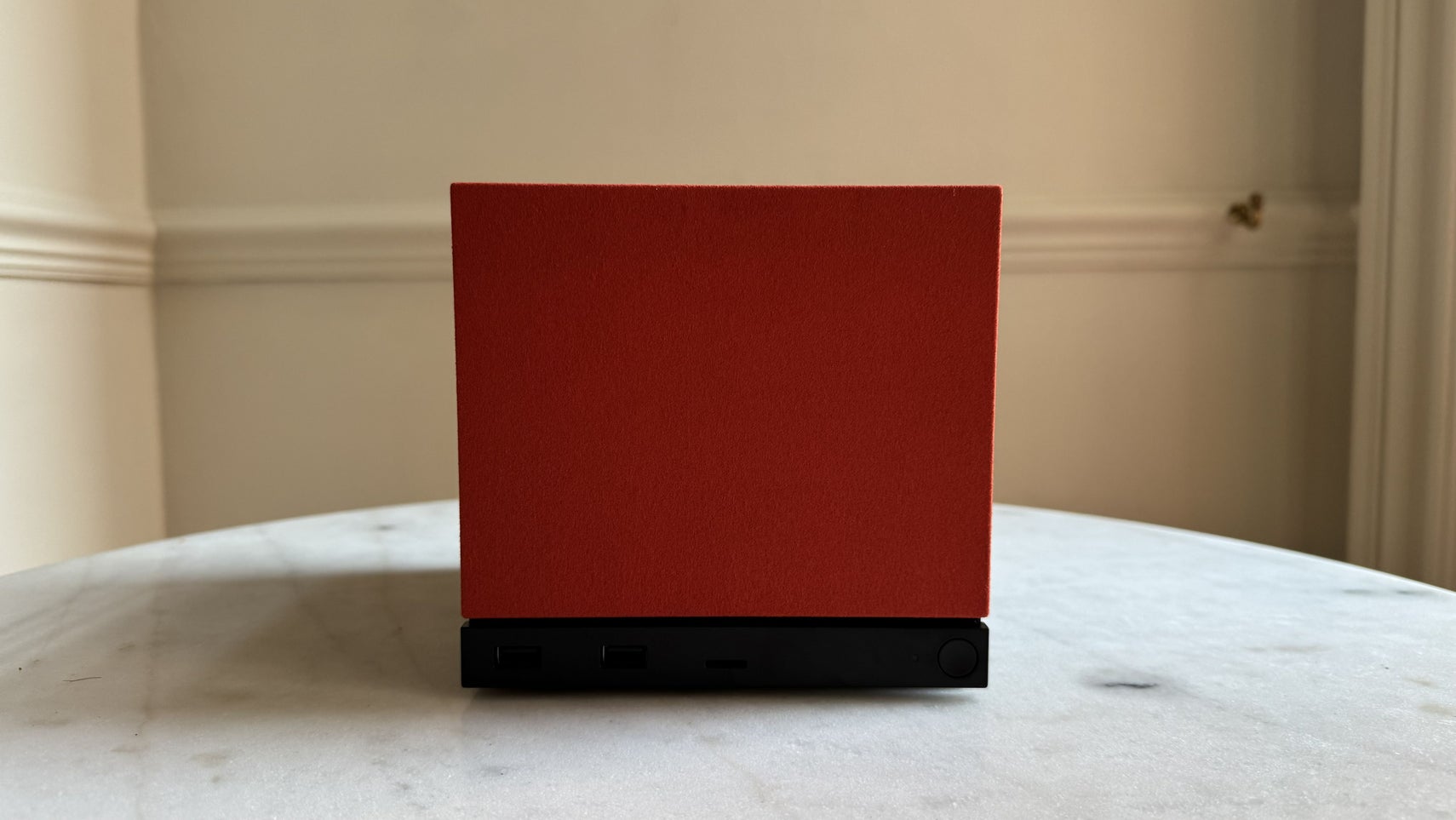
Valve has officially confirmed that the upcoming Steam Machine will feature native support for AMD’s FidelityFX Super Resolution (FSR) 4, marking a significant milestone in the evolution of the company’s living room gaming hardware. This announcement comes as Valve prepares to begin shipping the first wave of units through its exclusive reservation system, signaling a strategic shift toward utilizing advanced artificial intelligence to maximize the performance of its custom-engineered hardware. By integrating FSR 4, Valve aims to bridge the gap between mid-range hardware specifications and high-fidelity visual output, ensuring that the Steam Machine remains competitive in a market dominated by high-end PCs and established home consoles.
The inclusion of FSR 4 is particularly noteworthy because it represents AMD’s most sophisticated leap into AI-driven upscaling to date. Upscaling technology has become a cornerstone of modern gaming, allowing titles to be rendered at a lower internal resolution—thereby reducing the load on the GPU—before being reconstructed at a higher output resolution. This process preserves frame rates without sacrificing the visual clarity expected by players using 4K displays. While NVIDIA’s Deep Learning Super Sampling (DLSS) has long been considered the industry standard for AI upscaling, it remains proprietary to NVIDIA hardware. Valve’s commitment to AMD’s FSR 4 ensures that the Steam Machine, which utilizes an AMD-based architecture, can offer a comparable graphical experience without being tethered to NVIDIA’s ecosystem.
The Technical Evolution of AMD FidelityFX Super Resolution
To understand the impact of this announcement, one must look at the trajectory of AMD’s upscaling efforts. FSR 1.0 was a spatial upscaler that, while efficient, often resulted in "shimmering" and a loss of fine detail. FSR 2.0 and 3.0 introduced temporal upscaling and frame generation, respectively, which significantly improved image stability by using data from previous frames. However, FSR 4 represents a fundamental shift by incorporating AI-based neural networks to handle the reconstruction process.
Unlike previous iterations that relied on hand-tuned algorithms, FSR 4 leverages machine learning to predict and fill in pixels with greater accuracy. This transition to an AI-driven model is intended to eliminate common artifacts such as "ghosting" or "blurring" in fast-moving scenes. For the Steam Machine, which is designed to provide a console-like experience in the living room, the ability to deliver a clean, stable image at high resolutions is critical. Valve’s confirmation of FSR 4 support suggests that the hardware will be capable of handling the most demanding AAA titles of the current generation, even as software requirements continue to escalate.
Hardware Specifications and the RDNA 3 Connection
The Steam Machine’s internal hardware is built upon AMD’s RDNA 3 architecture. This is a crucial detail, as FSR 4 was initially speculated to be a feature exclusive to the upcoming RDNA 4 GPU generation. However, recent communications from AMD executives, including Senior Vice President Jack Huynh, have confirmed that the company is working to bring these AI advancements to older architectures, specifically RDNA 3 and RDNA 2.
The Steam Machine’s GPU, while significantly more powerful than the portable Steam Deck, still operates within certain thermal and power constraints necessitated by its form factor. Power is at a premium in small-form-factor PCs, and FSR 4 acts as a force multiplier. By offloading the heavy lifting of high-resolution rendering to the AI upscaler, the Steam Machine can maintain higher frame rates while consuming less power and generating less heat. This efficiency is vital for maintaining a quiet gaming environment in a living room setting, where loud cooling fans can be a distraction.
A Chronology of Valve’s Hardware Ambitions
The journey to the current Steam Machine has been a long and iterative process for Valve. The original Steam Machine initiative, launched in 2015, was met with a lukewarm reception due to a fragmented ecosystem of third-party manufacturers and the early limitations of SteamOS. However, the lessons learned from that era, combined with the massive success of the Steam Deck, have redefined Valve’s approach to hardware.
- 2015: The Original Launch – Valve partnered with vendors like Alienware and Zotac to release Linux-based gaming PCs. The lack of a unified hardware standard and a limited library of native Linux games led to the project’s eventual sidelining.
- 2019: Valve Index – Valve demonstrated its ability to manufacture high-end, bespoke hardware with the Index VR headset, establishing its reputation for premium build quality.
- 2022: Steam Deck – The launch of the Steam Deck proved that SteamOS (now based on Arch Linux) and the Proton compatibility layer could successfully run the vast majority of the Steam library. This was the catalyst for the return of the Steam Machine.
- 2023: The New Steam Machine Announcement – Valve officially announced a new, first-party Steam Machine designed to bring the Steam Deck’s seamless software experience to the big screen.
- Present: FSR 4 Confirmation – The announcement of FSR 4 support marks the final technical piece of the puzzle before the hardware reaches consumers, ensuring that the device is future-proofed against the next wave of graphical advancements.
Official Responses and Industry Implications
In a statement provided to Eurogamer, Valve emphasized the importance of image quality in the user experience. "We expect customers will have a much higher quality graphical experience when using FSR 4 for upscaling," the company stated. "AMD is adding support for more devices, including Steam Machines, which allows us to provide a level of visual fidelity that was previously difficult to achieve on this class of hardware."
Industry analysts view this move as a direct challenge to the traditional console cycle. Unlike the PlayStation 5 or Xbox Series X, which rely on mid-generation hardware refreshes (such as a "Pro" model) to keep up with graphical demands, Valve is leveraging software-based AI to extend the lifespan of its hardware. If FSR 4 can deliver results that rival NVIDIA’s DLSS, the Steam Machine could theoretically remain a viable high-end gaming device for several years longer than its raw specifications might suggest.
Furthermore, the decision not to subsidize the hardware—a departure from the traditional console business model where consoles are sold at a loss to recoup costs through software sales—indicates that Valve is targeting a more enthusiast-level demographic. By providing premium features like FSR 4, Valve justifies the Steam Machine’s price point, offering a "no-compromise" Linux gaming environment that appeals to users who want the power of a PC with the convenience of a console.
Performance Outlook and Implementation Challenges
While the arrival of FSR 4 is a cause for optimism, some technical hurdles remain. AI-based upscaling requires significant computational overhead to run the neural network in real-time. On RDNA 3 hardware, this means balancing the performance gains of lower-resolution rendering against the "cost" of running the FSR 4 algorithm.
AMD has set a target for July for the initial rollout of FSR 4 on RDNA 3 GPUs. It is expected that Valve will integrate this into a future SteamOS update shortly thereafter. The implementation will likely be handled at the system level, allowing users to toggle FSR 4 across various games through the Steam Overlay, much like the current implementation of FSR 1.0 and 2.0 on the Steam Deck. This global implementation is one of the Steam Machine’s greatest strengths, as it allows even older games that do not natively support upscaling to benefit from the new technology.
Impact on the Gaming Ecosystem
The broader implications of a successful Steam Machine launch are significant for the PC gaming market. If Valve can prove that a Linux-based, AI-enhanced console can compete with Windows-based PCs and traditional consoles, it may lead to a greater push for "SteamOS-like" operating systems from other manufacturers.
For developers, the confirmation of FSR 4 support on a standardized Valve platform provides a clear target for optimization. As more users adopt hardware capable of AI upscaling, developers can push the boundaries of lighting, ray tracing, and texture detail, knowing that the hardware can use FSR 4 to maintain playable frame rates.
As the reservation system begins to process orders, the gaming community remains focused on how the Steam Machine will handle the transition to this new era of AI-driven performance. With FSR 4, Valve is not just selling a gaming PC; it is selling a platform that promises to evolve and improve through software innovation. For those looking to bring the power of their Steam library into the living room, the Steam Machine represents the most ambitious attempt yet to unify the flexibility of PC gaming with the polished experience of a home console.