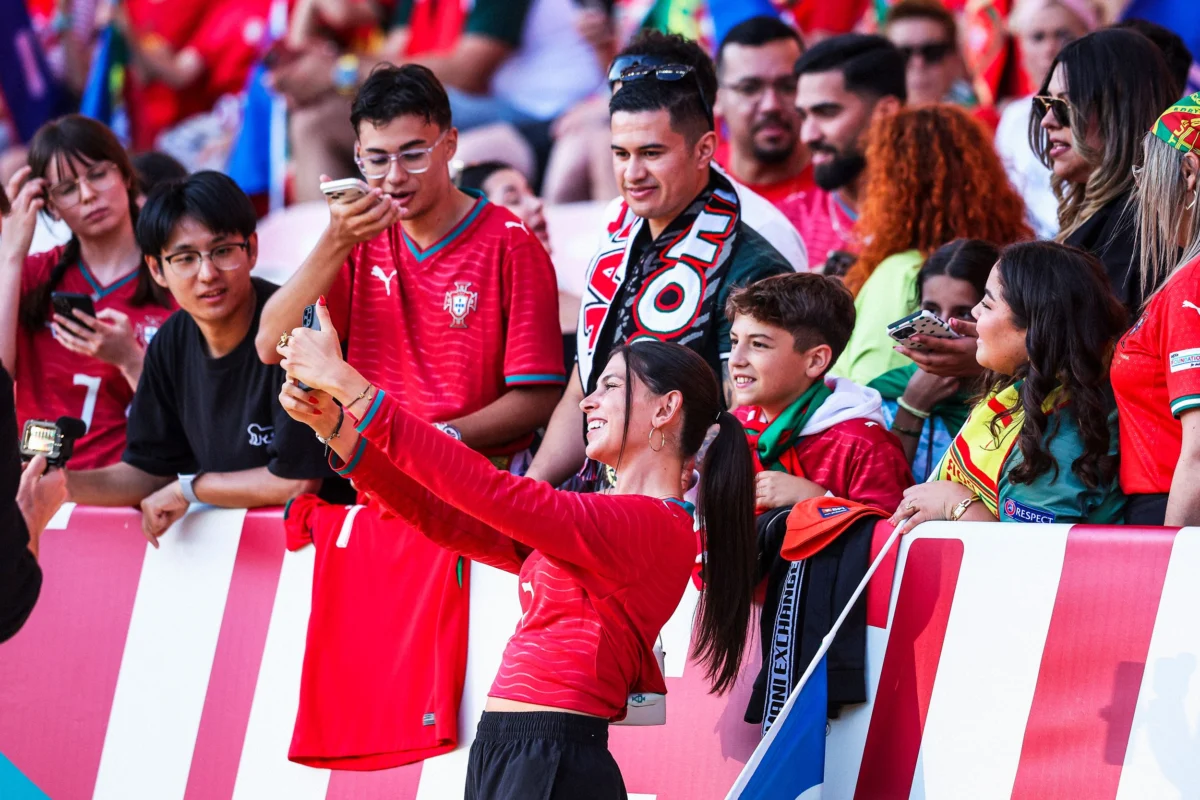
United States Customs and Border Protection (CBP) and the Department of Homeland Security (DHS) have issued a formal clarification regarding the legal requirements for international social media creators planning to cover the 2026 FIFA World Cup. In a joint statement, the agencies confirmed that foreign influencers traveling to the United States with the primary intent of producing monetized content will be prohibited from doing so under standard tourist or business visas. This regulatory stance marks a significant shift in the enforcement of immigration laws within the context of the burgeoning creator economy, potentially complicating the promotional strategies of FIFA and its major digital partners.
According to the official communication provided to El País, the act of entering the United States for the sole purpose of creating content as an influencer to generate earnings while physically present in the country is legally classified as "work." Consequently, these individuals must secure the appropriate professional visa categories before arrival. Failure to comply with these regulations could result in the revocation of immigration status, deportation, or future bans from entering the United States. The authorities emphasized that receiving any form of income—whether through direct sponsorship, platform-based ad revenue, or commercial collaborations—while operating on US soil constitutes a violation of the B1/B2 visitor visa conditions.
The Massive Scale of the 2026 FIFA World Cup
The 2026 FIFA World Cup is projected to be the largest sporting event in history, featuring an expanded format of 48 teams and a total of 104 matches. While the tournament is a joint venture between the United States, Mexico, and Canada, the U.S. will serve as the primary host, accommodating 78 of the scheduled matches. These games will be distributed across 11 major metropolitan areas: Los Angeles, New York/New Jersey, Miami, Dallas, Houston, Seattle, Atlanta, San Francisco/Bay Area, Kansas City, Boston, and Philadelphia.
A comprehensive study conducted by FIFA in collaboration with the World Trade Organization (WTO) estimates that the tournament will generate an economic output of approximately $4.7 billion. Total attendance is expected to reach 6.5 million people across the three host nations. The United States alone is anticipated to host 3.7 million attendees, a significant portion of whom will be international travelers. Among these millions of visitors will be thousands of digital content creators, ranging from independent vloggers to high-profile influencers with millions of followers, all seeking to capitalize on the global visibility of the event.
Chronology of Digital Strategy and Regulatory Warnings
The intersection of immigration policy and the 2026 World Cup has developed alongside FIFA’s aggressive push into digital-first broadcasting. The following timeline highlights the progression of these events:
- June 2018: The "United Bid" (USA, Mexico, and Canada) is selected by the FIFA Congress to host the 2026 tournament.
- June 2022: FIFA officially announces the 16 host cities, with 11 located in the United States, signaling the heavy reliance on U.S. infrastructure.
- Early 2024: YouTube’s global head of media and sports, Justin Connolly, announces a landmark partnership with FIFA. The deal is designed to provide creators with "unprecedented access" to matches, behind-the-scenes footage, and tactical breakdowns to engage a younger, mobile-first demographic.
- May 2024: TikTok and FIFA introduce the "FIFA World Cup 2026 Creator Correspondents" program. The initiative selects 30 creators from 11 different countries to represent the global diversity of the sport.
- June 2024: U.S. authorities (CBP and DHS) issue their first major warning regarding the necessity of work visas for foreign influencers, responding to the growing trend of digital creators operating on tourist visas.
The Creator Economy vs. Traditional Immigration Law
The current U.S. visa system was largely designed before the advent of the "influencer" as a professional category. Traditionally, the B1/B2 visa allows for short-term tourism or limited business activities, such as attending conferences or negotiating contracts. However, it strictly prohibits "productive employment" for a U.S. audience or the receipt of payment from a U.S. source while the individual is in the country.
For content creators, the definition of "work" has become a legal gray area. An influencer filming a video in Los Angeles and uploading it to a platform like YouTube may receive AdSense revenue or a payout from a "Creator Fund" based on views. Under the strict interpretation provided by CBP and DHS, if that income is generated as a direct result of activities performed while physically in the U.S., it is deemed unauthorized labor.
The O-1 visa—often referred to as the "Extraordinary Ability" visa—is the most viable alternative for high-level influencers. This category is reserved for individuals who can demonstrate a record of extraordinary achievement in the arts, sciences, education, business, or athletics. Unlike the B1/B2 visa, the O-1 allows for professional activities in exchange for remuneration, including commercial partnerships and content production for profit. However, the O-1 application process is rigorous, expensive, and requires a U.S.-based sponsor or agent, making it inaccessible for many mid-tier or emerging creators.
FIFA’s Strategic Partnerships Under Scrutiny
The visa mandate poses a significant logistical challenge for FIFA’s marketing arm. The organization has heavily invested in partnerships with TikTok and YouTube to modernize the World Cup’s image. The TikTok "Creator Correspondents" program, for instance, involves creators from four continents. If these creators are not U.S. citizens or permanent residents, they must now navigate a complex and often slow-moving visa bureaucracy to ensure their participation is legal.
YouTube’s Justin Connolly previously stated that creators would bring "human stories" and "fresh perspectives" to the tournament. However, if international creators are barred from entry or face legal repercussions at the border, the "fresh perspective" of the tournament may be limited to domestic creators, potentially alienating the international fanbases that FIFA aims to reach.
Enforcement Mechanisms and Digital Monitoring
U.S. authorities have signaled that they will not rely solely on traditional border interviews to enforce these rules. Reports suggest that DHS plans to reinforce inspections at major points of entry, but more notably, they may monitor the digital footprints of visitors. In an era where creators broadcast their locations in real-time, it has become significantly easier for immigration officials to identify individuals who are performing work-like activities while on a tourist visa.
Digital monitoring can include reviewing social media posts for "sponsored" tags, checking for professional-grade filming equipment during luggage inspections, and investigating whether a visitor has established a history of monetizing travel content. For creators, the risk is not merely a fine; a violation of visa terms can lead to an immediate "expedited removal," which carries a five-year ban on returning to the United States.
Broader Implications for the Future of Global Events
The stance taken by the U.S. government regarding the 2026 World Cup sets a precedent that could affect other major international events, such as the 2028 Summer Olympics in Los Angeles. It highlights a growing friction between national immigration policies and the borderless nature of digital work.
Industry analysts suggest that this move could force a professionalization of the influencer industry. Brands and sports organizations like FIFA may need to take a more active role in "talent management," treating influencers as professional athletes or entertainers by facilitating their visa applications. Furthermore, this policy may lead to a shift in how content is produced. International creators might choose to film content in Mexico or Canada—where matches are also being held—to avoid the stricter U.S. labor regulations, potentially shifting a portion of the tournament’s digital footprint away from the United States.
Conclusion and Official Outlook
As the 2026 World Cup approaches, the clarity provided by CBP and DHS serves as a stern warning to the global creator community. While the tournament offers a platform for immense visibility and financial gain, the legal requirements for entry remain grounded in traditional labor protections. The burden of proof now rests on the creators and the organizations that hire them to ensure that every "post," "story," and "livestream" complies with U.S. federal law.
The upcoming months will likely see an increase in applications for O-1 and P-1 visas as the 11 U.S. host cities prepare for the influx of millions of fans. Whether the U.S. immigration system can handle the volume of specialized visa requests from the digital sector remains to be seen. What is certain is that the 2026 World Cup will be a litmus test for how modern nations reconcile their borders with the increasingly mobile and digital workforce of the 21st century.