



The United States Department of Justice has officially signed off on the proposed acquisition of Warner Bros. Discovery by Paramount Skydance, effectively clearing the $110 billion merger of federal antitrust concerns and moving the entertainment industry one step closer to one of the largest consolidations in media history. In a determination released Friday, the DOJ’s Antitrust Division confirmed it has completed a rigorous analysis of the transaction, concluding that the union between the two media titans is unlikely to stifle market competition or negatively impact American consumers.
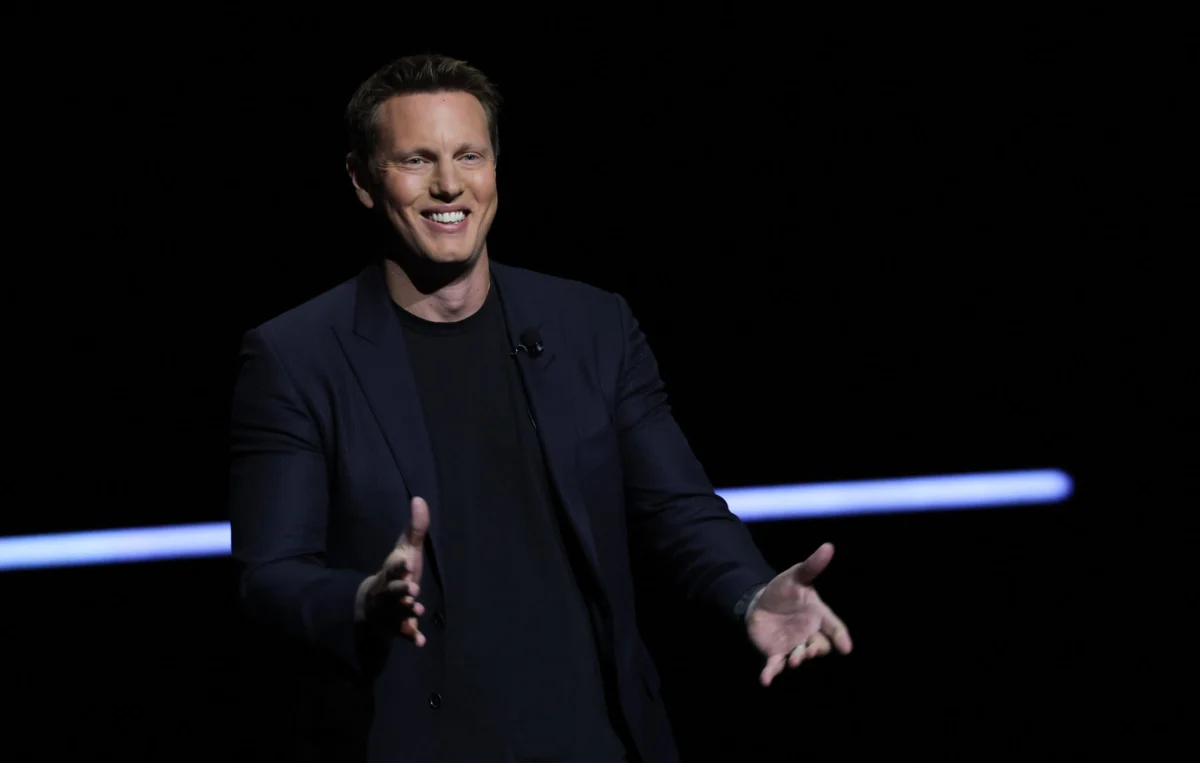
"The Division has completed its analysis of the proposed merger of Paramount and Warner Bros. and determined based on the evidence received in its investigation that the transaction is not likely to result in harm to competition or American consumers," the department stated in its official filing. This federal green light represents a pivotal victory for Paramount Skydance CEO David Ellison, who has spearheaded the ambitious bid to combine Paramount’s legacy assets with the sprawling portfolio of Warner Bros. Discovery (WBD).
Responding to the news, a spokesperson for Paramount expressed gratitude for the regulatory clarity. "We are grateful for the Department of Justice’s thorough review of this transaction, as well as the work of the other agencies that have completed their reviews and provided clearance to date," the spokesperson said. The company further emphasized that the merger is "pro-competitive," arguing that the combined entity will be significantly better positioned to challenge the dominance of global technology platforms. In an era where Netflix, Amazon, and Apple continue to aggressively capture market share, Paramount Skydance views this merger as an essential defensive and offensive maneuver to secure talent, technology, and investment.
Strategic Objectives and the Battle Against Big Tech
The acquisition comes at a time when traditional Hollywood studios are facing existential pressure from Silicon Valley. By merging Paramount’s cinematic heritage and broadcasting reach with Warner Bros. Discovery’s massive library and streaming infrastructure, the new entity aims to create a "next-generation global media company."
David Ellison has consistently framed the deal as a necessary evolution. During an earnings call in April 2026, Ellison noted that the industry is increasingly defined by "intense competition for audiences" and that scale is the only way to sustain high-budget content creation. The merger will bring under one roof the Warner Bros. film studios, the HBO Max streaming service (now operating as Max), and Paramount’s own production arms and Paramount+ platform. Furthermore, the inclusion of cable giants like CNN and TBS provides a diversified revenue stream, though many analysts remain focused on the potential for streaming synergy.
The market responded positively to the DOJ’s announcement, with Paramount’s stock climbing approximately 3% in after-hours trading. Investors see the federal approval as a major de-risking event, although the deal still requires several more signatures before it can be finalized.
Financial Architecture and the "Ticking Fee"
The $110 billion deal is structured as a complex takeover that significantly values Warner Bros. Discovery’s diverse assets. In late February, Paramount Skydance offered $31 per share to acquire WBD in its entirety. This offer was seen as a "superior bid" compared to previous interests, most notably upending a potential deal with Netflix. While Netflix had expressed interest in acquiring WBD’s streaming and film assets, Paramount’s all-encompassing offer for the company’s entire portfolio—including its linear cable networks—proved more attractive to WBD shareholders.
The financial pressure to close the deal is mounting. Under the terms of the agreement, a "ticking fee" is set to kick in if the transaction is not completed by a specific deadline in September. This fee would increase the overall cost of the acquisition for Paramount Skydance, providing a strong incentive for the companies to clear remaining regulatory hurdles quickly. WBD shareholders have already overwhelmingly approved the merger, signaling strong internal support for the transition.
Chronology of the Paramount-WBD Merger
The path to this week’s DOJ approval has been marked by aggressive bidding wars and shifting alliances. To understand the magnitude of the current situation, one must look at the timeline of the 2026 media landscape:
- Early February 2026: Rumors of a Netflix-WBD deal begin to circulate, focusing on the acquisition of the Warner Bros. film library and the Max streaming service.
- February 24, 2026: Paramount Skydance enters the fray with a massive $31 per share offer for the entirety of Warner Bros. Discovery, effectively blocking the Netflix bid.
- April 16, 2026: David Ellison makes a high-profile appearance at CinemaCon in Las Vegas, outlining his vision for a unified Paramount and Warner Bros. studio.
- May 4, 2026: During the Q1 earnings call, Ellison confirms the deal is on track for a September close, mentioning the impending ticking fee.
- June 10, 2026: The Australian Competition and Consumer Commission (ACCC) grants approval, providing the first major international clearance.
- June 12, 2026: The U.S. Department of Justice officially clears the merger of federal antitrust concerns.
- July 14, 2026 (Projected): The European Union’s regulatory arm is expected to deliver its verdict on the merger.
Lingering Legal Challenges: The State and International Fronts
Despite the federal approval, the merger is not yet entirely out of the woods. The "dual-track" regulatory system in the United States means that while the federal government may approve a deal, state attorneys general retain the right to challenge it on the grounds of local economic impact or consumer harm.
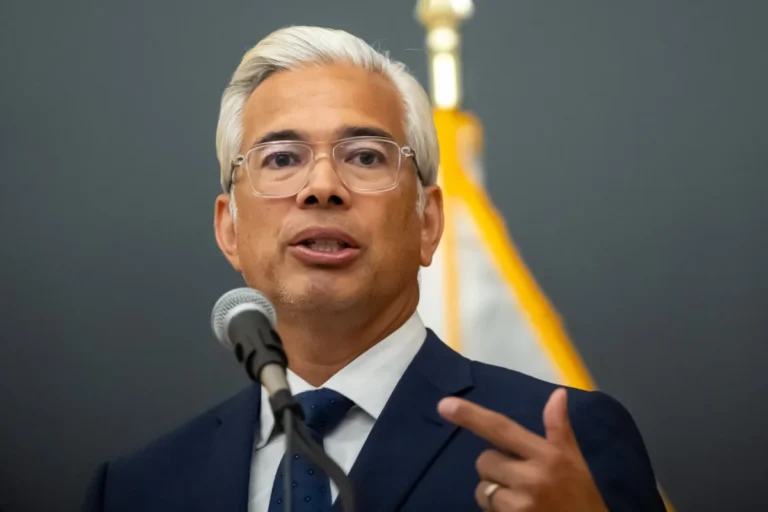
California Attorney General Rob Bonta has been particularly vocal about his office’s ongoing review. Given that both Paramount and Warner Bros. are major employers in the state of California, the merger’s impact on the labor market—specifically for film crews, writers, and administrative staff—is a point of concern. "The deal remains under investigation by the California Department of Justice," Bonta’s office said in a statement on Friday. If California moves to block or demand concessions, it could delay the September closing date.
Internationally, the European Union represents the next major hurdle. The EU’s regulator began its review earlier this week, setting a deadline of July 14 for its initial vetting process. European regulators have historically been more stringent regarding digital competition and data privacy, and they will likely scrutinize how the combined streaming services of Paramount+ and Max will affect the European market. However, the recent approval from the Australian Competition and Consumer Commission suggests that international regulators may be receptive to the argument that a stronger Paramount-WBD entity is a necessary counterbalance to the dominance of tech-led streamers.
Impact on the Entertainment Landscape
If the merger proceeds as planned, the resulting company will possess one of the most formidable content libraries in the world. The synergy between the two entities is expected to yield significant cost savings in marketing and technology infrastructure.
From a consumer perspective, the merger will likely lead to a consolidation of streaming platforms. Analysts predict that Paramount+ and Max will eventually merge into a single "super-service," combining the vast DC Universe, the Harry Potter franchise, and HBO’s prestige dramas with Paramount’s Star Trek, Mission: Impossible, and CBS Sports content.
However, the consolidation also raises questions about the future of the "linear" world. With CNN, TBS, and the CBS network all under the same corporate umbrella, the new entity will hold unprecedented sway over the American television landscape. This concentration of media power is exactly what state regulators like Rob Bonta are examining, specifically regarding the diversity of news voices and the bargaining power the company will have against cable providers.
The Path Toward Integration
As the September deadline approaches, the focus of the Paramount Skydance leadership will shift from legal approval to operational integration. Merging two corporate cultures of this size is a Herculean task. David Ellison will need to navigate the complexities of combining two of the "Big Five" Hollywood studios, each with its own storied history and distinct way of doing business.
The DOJ’s decision marks the end of the most significant federal barrier, but the coming weeks will be critical. Between the EU’s looming July deadline and the ongoing scrutiny from California, the "pro-competitive" entity envisioned by Ellison is still in its formative stages. For now, the entertainment industry watches closely as the $110 billion gamble moves toward its final act. The success or failure of this merger will likely set the template for the next decade of media consolidation, determining whether the traditional Hollywood model can truly survive the onslaught of the digital age.