

In the burgeoning landscape of independent cinema, a growing trend prioritizes the cultivation of a distinct atmosphere over adherence to traditional narrative structures. While this approach can yield transportive experiences, as evidenced by the success of films like "Backrooms," which resonate on a visceral level, there exists a palpable risk of films becoming fragmented collections of aesthetic elements lacking cohesive connective tissue. The recently released rock band-thriller-comedy "Turn It Up!" navigates this precarious terrain, aiming for an exhilarating ride. While certain sequences achieve this goal, and its visual design is undeniably striking, the production appears to have dedicated more resources to perfecting the visual spectacle of fantastical goo and viscous fluids than to the meticulous construction of its screenplay.
Genesis of a Cursed Melody: The Premise of "Turn It Up!"
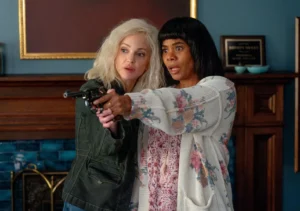
"Turn It Up!" chronicles the plight of an aspiring indie rock band grappling with obscurity. Their fortunes appear to shift with the accidental discovery of an electrifying new guitar riff. However, this seemingly auspicious development carries a sinister undercurrent: the melody is, in fact, a cursed artifact, possessing the malevolent power to tear open a portal to a terrifying, alternate dimension. This high-concept premise sets the stage for a fusion of musical ambition, supernatural horror, and dark comedy, a genre blend that has seen recent success in films like "The Black Phone" (2021) and "Barbarian" (2022), both of which masterfully balanced genre conventions with compelling character arcs.
The film’s ensemble cast features Gwenlyn Cumyn, Justine Nelson, Xavier Lopez, and Julian Richings, bringing to life the beleaguered musicians and their enigmatic associates. The creative reins are held by director Sam Scott and co-writer Gwenlyn Cumyn, whose collaborative vision endeavors to translate this potent concept onto the screen. With a running time of 91 minutes, "Turn It Up!" positions itself as a tightly paced, albeit potentially dense, cinematic offering.
The Band’s Discordant Beginnings: A Foundation of Friction
A significant hurdle for "Turn It Up!" lies in its portrayal of the central band members. The narrative commences with an established pattern of internal discord, leaving audiences with little opportunity to witness the band functioning as a cohesive creative unit. Instead, the initial interactions are characterized by acrimony and bickering. The relationship between frontwoman AC, portrayed by Justine Nelson, and guitarist Berg, played by Jonathan Craig (though not listed in the provided cast, his presence is noted in the review), is particularly depicted as strained and exhausting. This constant antagonism raises questions about the band’s continued existence, particularly given their lack of commercial success. The review suggests a missed opportunity to explore the unifying power of music in the face of adversity, a theme that could have provided a stronger emotional anchor.
This internal friction persists even as the band begins to garner increased attention, a trajectory attributed to the machinations of their new manager, Miss Vee, brought to life by Liv Collins. The film’s decision to foreground such a cynical and off-putting dynamic, rather than fostering a sense of shared ambition or camaraderie, detracts from the energetic, head-banging spectacle the film seems to aspire to. The review posits that this approach creates an atmosphere more akin to engaging with a jaded alternative college student than experiencing a raucous, genre-bending cinematic event.
Visual Alchemy and Sonic Power: Aesthetic Strengths
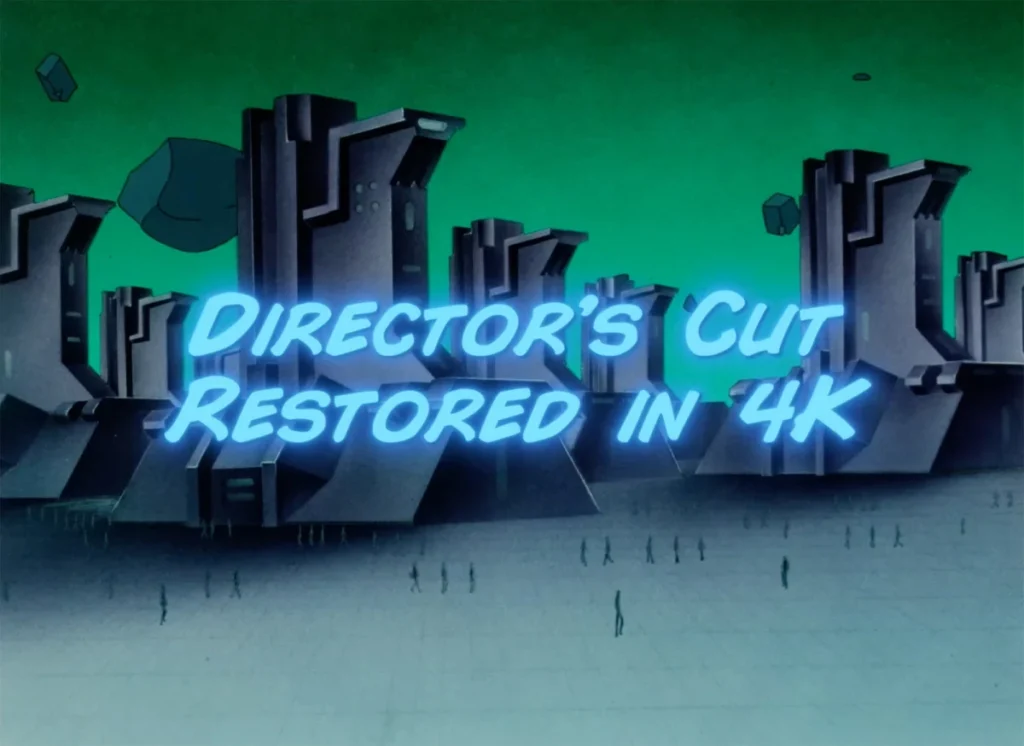
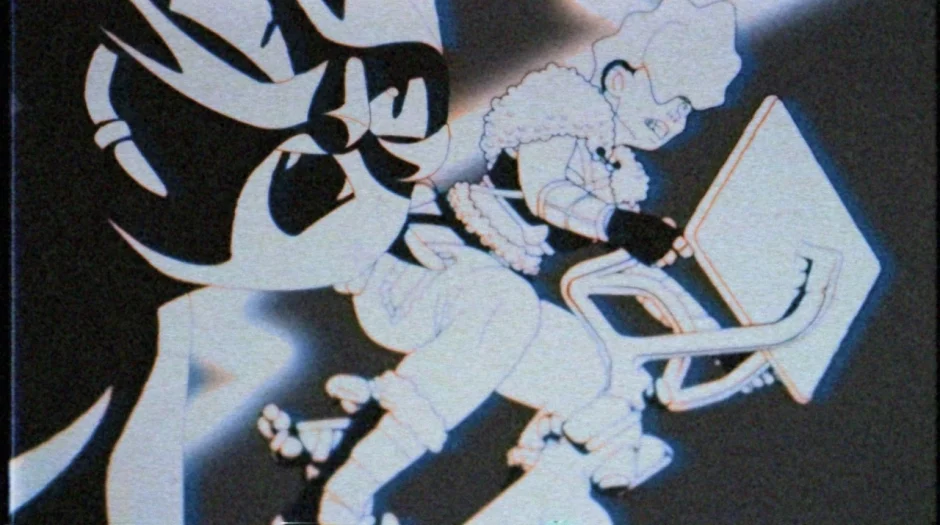
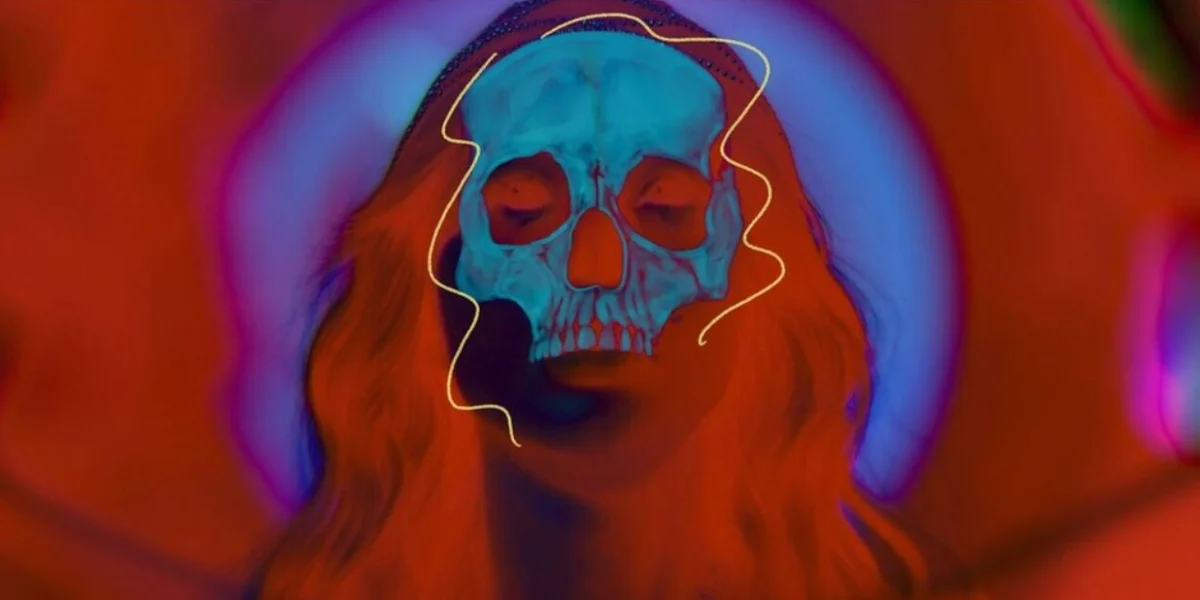
Despite the narrative shortcomings, the aesthetic sensibilities of director Sam Scott are consistently lauded. The film is described as visually vibrant, employing malevolent reds to punctuate scenes where supernatural forces, conjured by the band’s unwitting actions, begin to manifest. This deliberate use of color enhances the atmospheric dread and otherworldly nature of the unfolding events. Furthermore, the integration of animated effects overlaid on live-action footage lends the film a distinct comic book aesthetic. This stylistic choice, combined with the musical direction, reportedly draws immediate comparisons to the acclaimed "Scott Pilgrim vs. the World," a film that successfully blended live-action, animation, and a dynamic soundtrack. However, the review cautiously notes that such a comparison might not ultimately benefit "Turn It Up!"
These stylistic choices, more than any narrative elements, are credited with imbuing the film with a spirited quality that aligns more closely with the essence of rock music than the story itself. The visual language of "Turn It Up!" appears to be its most potent tool for conveying the film’s intended energy and thematic concerns.
The Crescendo of Chaos: Musical Sequences as Highlights
The film’s musical sequences are identified as its most compelling aspect. When the band members finally cease their bickering and engage in their performances, the narrative finds its stride. These scenes, often culminating in audience members experiencing fantastical, head-exploding fates, are described as the undeniable highlights of "Turn It Up!" The music itself is characterized as propulsive and captivatingly dark, with elements of Adrian Ellis’s score (also not explicitly listed in the provided cast but mentioned in the review) exhibiting an unexpected whimsy. This fusion of dark undertones with moments of playful eccentricity is likened to a sonic marriage between the styles of Danny Elfman and Metallica, suggesting a unique and engaging musical landscape.
During these musical interludes, Scott allows the film to fully embrace its otherworldly aesthetic. The manipulation of focus and the use of distorted imagery effectively disorient the viewer, mirroring the characters’ own descent into chaos and confusion. This immersive approach amplifies the impact of the supernatural events, creating a palpable sense of unease and exhilaration.
Navigating the Unsupportive Screenplay: Performances in the Shadow of Weakness
The actors in "Turn It Up!" are generally perceived as struggling to overcome the limitations of an unsupportive screenplay. The review suggests that the script provides little material to render the characters engaging or likable, a crucial element for a story that pits them against such extraordinary antagonistic forces. Despite these challenges, the actors are noted for their efforts to imbue their roles with conviction.
Among the cast, Liv Collins’s performance as the enigmatic Miss Vee is singled out as the film’s strongest. Collins is praised for her adeptness at embracing the character’s vampy and inscrutable qualities, leaning into them for comedic effect and eliciting the most consistent laughter from the audience. Her portrayal appears to be a standout element that elevates the film, even within its structural weaknesses.
A Rudderless Voyage: The Film’s Unfulfilled Potential
Ultimately, the review concludes that "Turn It Up!" struggles to overcome its fundamental screenplay issues. The narrative is described as generally unfunny, with certain jokes falling flat and eliciting unintentional cringe. The structure is also deemed uneven, leading to a disjointed viewing experience. As the film progresses, it seems to surrender to its own stylistic inclinations, allowing the "vibes" to dictate the flow of events.
The article suggests that this shift towards a more atmospheric, less narratively driven approach might be for the best. "Turn It Up!" is ultimately deemed more successful as a "rudderless trip" – an immersive, if unanchored, sensory experience – than as a fully realized feature-length story. This assessment highlights a common challenge in independent filmmaking: balancing stylistic innovation with the fundamental requirements of compelling storytelling. The film’s potential for a more cohesive and impactful narrative appears to have been overshadowed by its ambitious visual and sonic execution.
Broader Implications for the Indie Film Scene
The trajectory of "Turn It Up!" offers a case study in the evolving landscape of independent cinema. The industry continues to explore the potential of genre-bending narratives and the power of immersive atmospheres. Films that prioritize unique visual styles and sonic landscapes, such as "Turn It Up!" and the aforementioned "Backrooms," cater to an audience increasingly seeking experiential cinema. However, the critical reception of "Turn It Up!" underscores the enduring importance of a robust narrative framework. Without a strong story and relatable characters, even the most innovative aesthetics can struggle to sustain audience engagement over the course of a feature film.
The success of films like "Scott Pilgrim vs. the World" demonstrates that a marriage of bold visual style and a well-executed narrative can indeed achieve critical and commercial acclaim. The challenge for filmmakers like Sam Scott and Gwenlyn Cumyn lies in finding that delicate balance, ensuring that the vibrant aesthetic choices serve, rather than overshadow, the core story. As independent cinema continues to push boundaries, the lessons learned from productions like "Turn It Up!" will undoubtedly inform future creative endeavors, guiding filmmakers toward a more harmonious integration of style and substance. The quest for the perfect riff, both musically and narratively, remains a central pursuit in the world of independent film.