

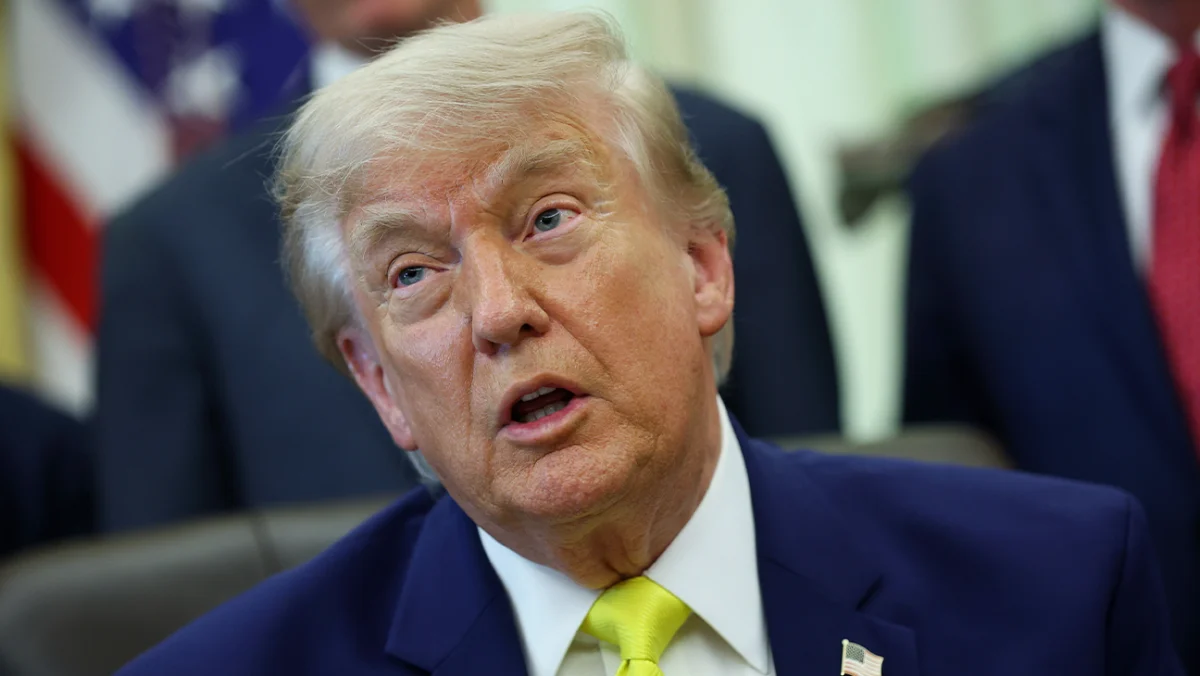
Donald Trump’s primetime address on Thursday night, ostensibly aimed at reiterating unsubstantiated claims regarding the integrity of the 2020 election, inadvertently underscored a profound shift in the relationship between the American presidency and traditional broadcast media. While the former president sought to present evidence of widespread electoral malfeasance, a more salient revelation emerged from the event itself: the unprecedented decision by two of the "Big Four" broadcast networks, NBC and ABC, to decline live coverage, prioritizing their regularly scheduled entertainment programming over a presidential address. This move, which Trump himself denounced as part of a "plot" during his speech, signifies a significant departure from historical norms and offers a stark illustration of the fragmented, politically polarized, and commercially driven media environment of the 21st century.
The Primetime Snub: A Detailed Account of Network Decisions
The evening of the address saw a critical divergence in how major networks approached what was once considered a sacrosanct duty: providing a platform for a presidential message to the nation. While the address was framed by the White House as delivering "really big news," the content, largely focused on familiar allegations of electoral fraud, appeared to influence editorial decisions across various news organizations.
NBC opted to stick with a rerun of its nature documentary series, The Americas, a decision that highlighted a commercial calculation over political obligation. Similarly, ABC aired a new episode of its popular game show, Press Your Luck, hosted by Elizabeth Banks, featuring contestants vying for cash prizes while avoiding the mischievous "Whammy." For millions of viewers tuning into these networks, the evening unfolded as any other, devoid of the live presidential broadcast that would have, in decades past, been a certainty. This strategic choice by NBC and ABC suggests a re-evaluation of the automatic deference once granted to presidential addresses, particularly when their content is perceived as overtly political, divisive, or lacking new, verifiable information.
In contrast, other networks made different choices. Fox, a network historically supportive of Trump, carried the majority of the speech live, providing an uninterrupted platform for his message. CBS, notably now under the control of David Ellison, son of prominent Trump ally Larry Ellison, with Bari Weiss serving as editor-in-chief of CBS News, preempted a rerun of the Young Sheldon spinoff, Georgie and Mandy’s First Marriage, for a special report anchored by Tony Dokoupil. This report did cover the address, albeit with a journalistic framework that included analysis and context, rather than a direct, unadorned broadcast of the full speech. The differing approaches across the major networks painted a clear picture of the varied editorial philosophies and, in some cases, political leanings influencing content delivery in contemporary media.
Historical Precedent: The Evolving Role of Presidential Addresses
For decades, presidential addresses from the Oval Office or other official venues were treated by broadcast networks with an almost unquestioning reverence. These speeches were viewed as essential national moments, requiring immediate and comprehensive dissemination to the public. Iconic examples abound:
- Ronald Reagan’s address following the Challenger disaster in 1986: This speech, delivered with profound solemnity, united a grieving nation and was carried live by all major networks, reaching an estimated 80 million viewers.
- George H.W. Bush’s address marking the beginning of the Gulf War in 1991: This somber declaration of military action garnered massive viewership, with networks ensuring every American had access to the Commander-in-Chief’s words.
- Jimmy Carter’s "crisis of confidence" speech in 1979: Though controversial, this address on national malaise was broadcast widely, becoming a defining moment of his presidency.
In these instances, and many others, the public good of informing citizens about critical national and international events superseded commercial interests. Networks understood their role as vital conduits for presidential communication, a pillar of democratic engagement.
However, the landscape began to shift in the early 2000s and accelerated into the 2010s. The rise of cable news, then the internet, and subsequently social media and streaming platforms, diversified the channels through which presidents could communicate and the public could receive information. This fragmentation gradually eroded the unique power of broadcast networks as the sole gatekeepers of national attention.
A notable precedent for network preemption occurred in 2014 when all four major networks declined to air President Barack Obama’s primetime address on immigration reform. At the time, networks deemed the speech too political to justify interrupting popular programming like Grey’s Anatomy and The Biggest Loser. This decision sparked debate about the criteria networks used to evaluate presidential requests. Yet, five years later, those same networks universally carried a similarly political address by then-President Trump concerning his proposed border wall, demonstrating an inconsistent application of these editorial standards. The reasons for these inconsistencies are complex, often tied to perceived urgency, the nature of the policy being discussed, and the political climate of the moment.
The Unconventional Request: White House Protocol and Network Autonomy
Adding a layer of complexity to the recent snub was the apparent absence of the customary White House protocol for requesting network airtime. Traditionally, the White House communicates with the major networks through official channels, outlining the topic, duration, and urgency of a presidential address, allowing networks time to make informed decisions about preemption. For this particular address, it appears no formal request was made. Instead, Trump simply announced he would be delivering "really big news" and seemingly operated under the assumption that networks would automatically rearrange their schedules to accommodate him.
This departure from established protocol placed networks in a unique position. Without a formal request, the decision to carry the speech became less about responding to a presidential summons and more about an independent editorial judgment regarding the news value and public interest of the unscheduled address. This subtle but significant procedural detail underscores the increasing assertiveness of networks in exercising their editorial autonomy, rather than acting as passive conduits for presidential messages, especially when those messages deviate from traditional presidential appeals for national unity or urgent policy announcements.
The Business of Broadcasting: Ratings, Revenue, and Editorial Decisions
Behind every network’s decision lies a complex interplay of editorial judgment, public service obligations, and commercial realities. Preempting regularly scheduled primetime programming carries significant financial implications. Primetime slots, particularly those airing popular shows, command substantial advertising revenue. According to industry data, a 30-second commercial spot during a top-rated primetime show can fetch hundreds of thousands of dollars. Interrupting such programming means sacrificing this revenue, potentially disappointing advertisers, and disrupting viewer habits, which can impact long-term ratings.
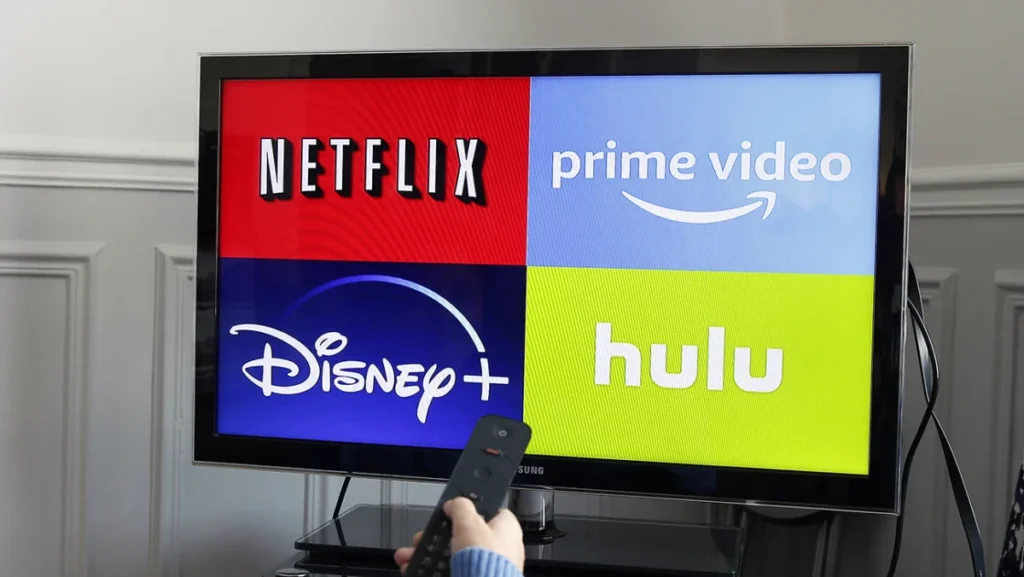
For NBC and ABC, the decision to air The Americas rerun and Press Your Luck respectively was likely a calculation that the commercial benefit of maintaining their schedule, coupled with their editorial assessment of the address’s content, outweighed the perceived obligation to broadcast live. In an era where broadcast viewership is steadily declining in favor of cable, streaming, and digital platforms, networks are increasingly protective of their established audiences and advertising streams. Nielsen data consistently shows a decline in live TV viewership across all demographics, making every minute of primetime content more valuable to advertisers and network executives.
Furthermore, networks must consider the potential for backlash from viewers. While some segments of the audience might expect a presidential address, others might resent the interruption of their favorite shows, especially if the speech is perceived as partisan or repetitive. The advent of DVRs and streaming services means that viewers have more control than ever over their content consumption, making them less tolerant of unscheduled interruptions. This commercial pressure, combined with evolving editorial standards regarding the newsworthiness of presidential statements, contributes to the growing reluctance of networks to offer uncritical, open-ended airtime.
The Cable News Divide: Predictable Polarization
While broadcast networks grappled with their decisions, the cable news landscape demonstrated a predictable, yet stark, divergence in coverage. This reflects the deeply entrenched partisan nature of cable news in the United States.
- CNN: The network chose to cover the speech by assembling a panel of pundits, including Kaitlan Collins, who discussed and analyzed the address as it played off-screen. This approach allowed CNN to maintain its critical distance, providing immediate fact-checking and context rather than an unmediated platform.
- MSNBC: The network aired the first 17 minutes of the speech before cutting away for an "outraged discussion" and analysis, indicating its editorial stance was to present the initial content and then quickly pivot to critical commentary. This strategy often resonates with its generally left-leaning audience.
- Fox News: In stark contrast, Fox News remained with Trump until the "bitter end," carrying the full speech live and in "livid color." This decision aligns with Fox News’s established role as a primary media outlet for conservative viewpoints and a consistent supporter of Trump’s narratives.
This highly fragmented and ideologically segmented approach to news coverage on cable illustrates the broader challenge to a shared national narrative. Audiences can choose to consume news that reinforces their existing beliefs, leading to media echo chambers and a further polarization of public discourse.
Political Alliances and Media Ownership: The Case of CBS and Fox
The decisions of certain networks also bring into focus the increasing influence of media ownership and political affiliations. The original article highlights CBS’s connection to David Ellison, son of Larry Ellison, a known Trump ally, and Bari Weiss’s role as editor-in-chief of CBS News. While CBS did not air the speech live in its entirety without commentary, its decision to preempt programming for a special report on the address, rather than ignoring it completely, could be viewed through the lens of these connections. The nuanced approach suggests an attempt to balance journalistic responsibility with potential consideration for allied figures.
Fox’s unwavering commitment to airing the full speech is less surprising, given the network’s long-standing relationship with Trump and its audience demographics. This consistent support has solidified Fox News’s position as a dominant platform for conservative voices and a key channel for Trump’s communication strategy. These examples underscore how media ownership and the political leanings of key figures within news organizations can subtly, or sometimes overtly, shape coverage decisions and ultimately influence public perception.
Implications for Presidential Communication in a Fragmented Media Landscape
The refusal of major networks to carry a presidential address live carries significant implications for how future presidents will communicate with the American public. The era of the "bully pulpit" being an automatic gateway to every living room via broadcast television appears to be over. Presidents must now contend with:
- Diminished Reach of Traditional Broadcast: As viewership continues to decline, broadcast networks no longer command the monolithic attention they once did. Presidents must find new ways to reach a diverse and fragmented audience.
- Increased Scrutiny and Editorial Discretion: Networks are less likely to grant uncritical airtime, especially if the content is perceived as partisan, misleading, or lacking genuine newsworthiness. This forces presidents to craft messages that meet higher editorial standards.
- Reliance on Alternative Platforms: Presidents will increasingly turn to cable news, social media (Twitter, Facebook, YouTube), and direct-to-consumer digital channels to bypass traditional gatekeepers. While this offers direct access, it also means messages can be filtered through algorithms and echo chambers.
- The Challenge of Achieving a Shared National Narrative: Without a common platform for presidential communication, the ability to rally the nation around a shared purpose or disseminate critical information uniformly becomes more difficult. Different segments of the population receive different versions of reality, often tailored to their ideological preferences.
The Erosion of Shared Reality: Media Fragmentation and Public Discourse
The event further illuminates a broader societal challenge: the erosion of a shared reality. When a presidential address, regardless of its content, is not universally presented across major media outlets, it contributes to a fractured information environment. Citizens are left to piece together information from diverse, often ideologically aligned, sources. This makes it harder to engage in constructive public discourse, as fundamental facts and narratives may differ significantly depending on one’s media diet. The episode underscores the ongoing shift from a relatively unified media landscape, where a few powerful gatekeepers largely determined what constituted "news," to a hyper-fragmented ecosystem where individual choices and algorithmic curation play a dominant role.
Looking Ahead: The Future of Presidential Addresses and Media Engagement
The primetime snub of Donald Trump’s address serves as a potent case study for the evolving relationship between the presidency and the media. It suggests that future presidents cannot assume automatic access to a national broadcast audience. Instead, they will need to be strategic and persuasive in their requests, demonstrating the clear national interest and non-partisan nature of their messages to convince networks to preempt lucrative programming.
For broadcast networks, the challenge lies in balancing their public service obligations with commercial imperatives and maintaining editorial independence in an increasingly politicized environment. Their decisions will continue to be scrutinized, reflecting the ongoing debate about the role of traditional media in a democratic society. As the media landscape continues its rapid evolution, the methods and impact of presidential communication will undoubtedly transform, shaping the very fabric of national dialogue and democratic engagement for years to come.