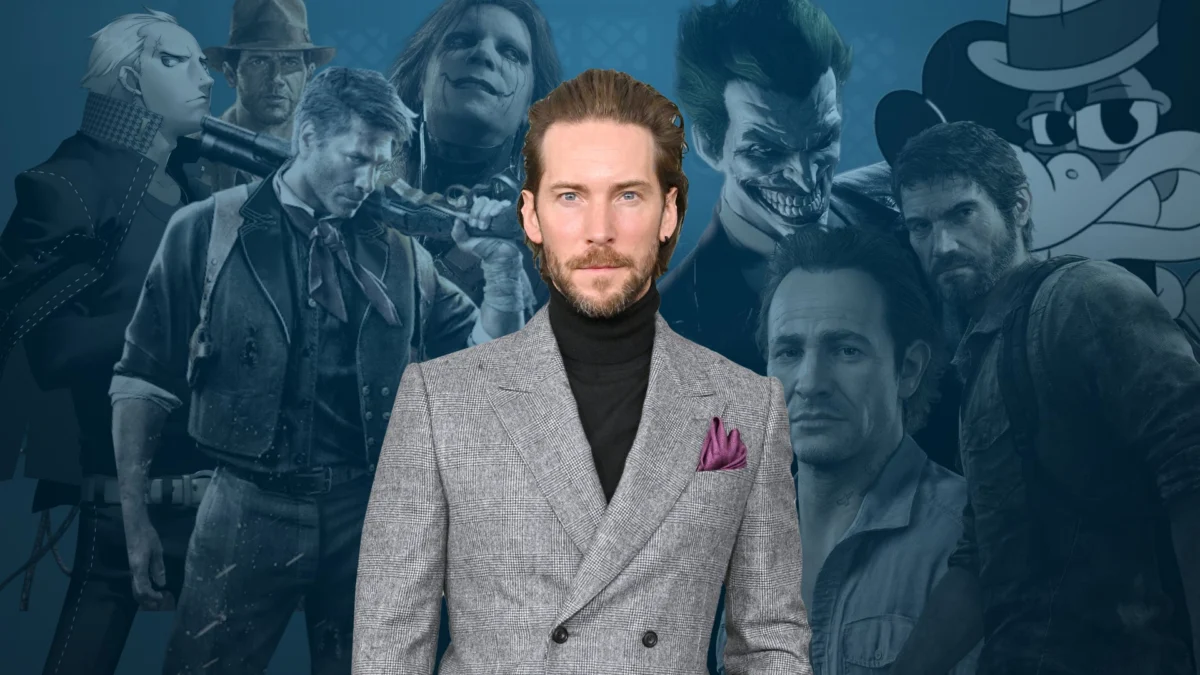
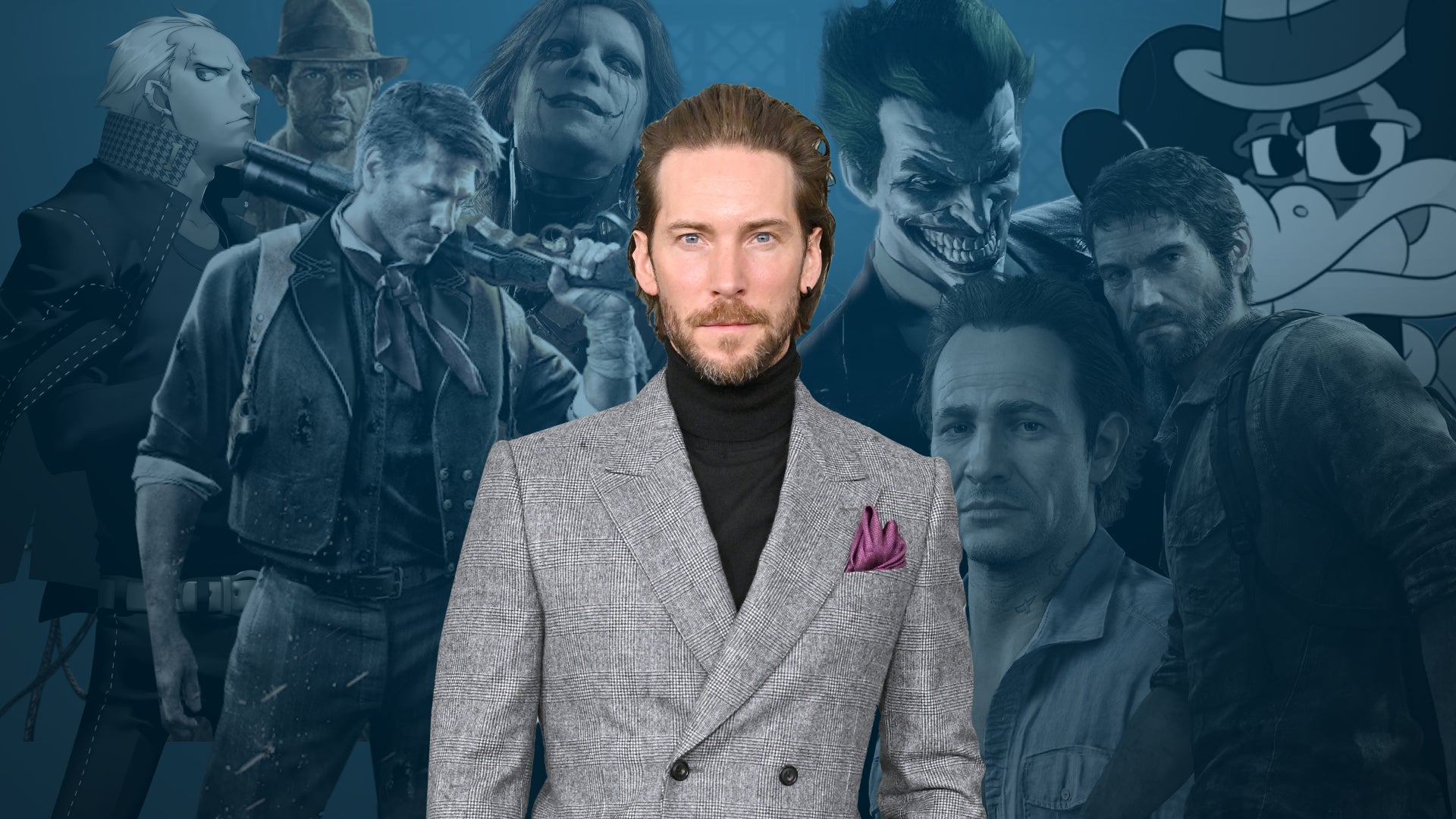
Troy Baker, a preeminent figure in the video game industry known for his portrayals of iconic characters such as Joel Miller in The Last of Us and the Joker in the Batman: Arkham series, has provided a comprehensive perspective on the encroaching influence of artificial intelligence in interactive media. In a recent dialogue, Baker addressed the tension between technological advancement and creative integrity, asserting that while generative AI may replicate the mechanics of performance, it cannot substitute for the human essence inherent in "authentic art." His remarks come at a pivotal moment for the industry, which is currently navigating the aftermath of significant labor disputes and a rapid shift toward automated development tools.
The Paradigm Shift in Game Development and the AI Influx
The integration of artificial intelligence into game development has transitioned from a theoretical possibility to a practical, albeit controversial, reality. In recent years, several high-profile studios have faced public scrutiny for utilizing AI to generate assets that were traditionally the domain of human creators. Embark Studios, the developer behind Arc Raiders, initially faced backlash for using AI-generated voice lines, a decision the company later modified following internal and external criticism. Similarly, the studio’s team-based shooter, The Finals, utilized AI for its commentator voiceovers, sparking a debate regarding the displacement of entry-level talent.
Industry veterans, including Horizon Zero Dawn actress Ashly Burch, have expressed concern that these automated processes eliminate the "stepping stone" roles—such as background characters or incidental dialogue—that allow new actors to establish their careers. The trend toward "AI-first" development is often driven by the desire to reduce costs and accelerate production timelines in an era where AAA game budgets frequently exceed $200 million. However, Baker maintains a distinct philosophy regarding the distinction between "content" and "art."
"Art is a human expression, so I don’t have to worry about whether there can be ‘AI art,’" Baker stated. "That’s not what it does. It is not creating anything." He argued that the term "authentic art" is almost redundant, as the very nature of art requires a human origin. While Baker acknowledges that his performances can be replicated by algorithms, he suggests that the industry’s reliance on "the gruel that gets distilled through a black mirror" will ultimately drive audiences to value human-led experiences more highly.
A Chronology of Industry Labor Action and AI Legislation
The discourse surrounding AI in gaming is inextricably linked to the labor movements that defined 2023 and 2024. The SAG-AFTRA Interactive Media Agreement strike, which concluded with a tentative agreement late last year, centered heavily on the protections afforded to performers against the unauthorized use of their likenesses and voices via AI.
Timeline of Key Events in the AI Labor Dispute:
- January 2023: Public outcry begins following the release of tools that allow users to clone voice actors’ performances without consent.
- September 2023: SAG-AFTRA members vote overwhelmingly (98%) to authorize a strike against major video game companies, including Activision, Electronic Arts, and Epic Games, citing AI protections as a primary sticking point.
- July 2024: The union officially calls for a strike after nearly two years of negotiations fail to secure adequate language regarding "digital replicas."
- Late 2024: Negotiations reach a critical juncture, establishing new standards for informed consent and compensation when an actor’s performance is used to train AI models.
Baker characterized this period as a "precarious point" for the industry. He emphasized that the current decisions made by developers and unions will dictate the caliber of storytelling for the next decade. While he remains aware of the downsizing and economic shifts affecting his peers, Baker noted that he refuses to operate from a position of fear. "The second that we are focused on the worst part of this industry, we are taking our eyes off the best of it," he remarked.
Supporting Data: The Scale of AI Integration
The concerns raised by Baker and his contemporaries are supported by recent industry data. According to the 2024 State of the Game Industry report by the Game Developers Conference (GDC), which surveyed over 3,000 developers:
- Usage Rates: Approximately 49% of developers reported that generative AI is currently being used in their workplace.
- Ethics Gap: While 31% of developers believe AI will have a positive impact on the industry, 42% expressed "great concern" regarding the ethical implications of the technology, particularly concerning job security and copyright infringement.
- Application: The most common uses for AI in development currently include coding assistance (35%), speedup of content creation (29%), and automating repetitive tasks (28%).
Despite these figures, the voice-acting sector remains the most vocal in its opposition. Unlike coding or environmental art, where AI serves as a "force multiplier," voice and motion capture are deeply personal assets. The unauthorized synthesis of a performer’s voice is viewed not merely as a loss of work, but as an appropriation of identity.
Official Responses and Creative Resilience
The response from major publishers has been a calculated attempt to balance innovation with labor relations. Companies like Ubisoft and Sony have begun exploring "Neo-NPCs"—characters powered by large language models (LLMs) that can interact with players in real-time. These companies argue that such technology enables a level of immersion that human scripts cannot achieve alone.
Conversely, independent developers have seen an opportunity to market "human-made" games as a premium experience. Baker’s recent work on Mouse P.I. for Hire, an indie title featuring a 1930s animation style, serves as a testament to this trend. By lending his voice to Jack Pepper, a character in a meticulously hand-drawn world, Baker aligns himself with projects that emphasize traditional craftsmanship over algorithmic generation.
Baker also confirmed that he is in the early stages of developing his own video game. "I am beginning the conversations of what story I want to tell, and who I want to tell it with," he said. This move from performer to creator mirrors a broader trend of high-profile actors seeking more control over the intellectual property they help bring to life, ensuring that the human element remains at the center of the narrative process.
Implications for the Future of Interactive Media
The industry stands at a crossroads where the definition of "performance" is being rewritten. The technical ability to produce a "perfect" vocal track via AI exists, but the industry must decide if "perfection" is what players desire. Baker’s assertion that art is a "human expression" suggests that the flaws, nuances, and unpredictability of human actors are what create the emotional resonance found in games like The Last of Us.
The successful porting of Indiana Jones and the Great Circle to the Nintendo Switch 2—a platform that utilizes NVIDIA’s Deep Learning Super Sampling (DLSS) to achieve high-fidelity graphics—illustrates a more widely accepted use of AI: technical optimization. When AI is used to improve frame rates or resolution (as seen in the "DLSS crutch" mentioned by critics), it is generally viewed as a beneficial tool that enhances the player’s experience without displacing the artist. The friction arises when the technology moves from the "frame" to the "subject."
As Baker continues his work with Naughty Dog on the upcoming Intergalactic: The Heretic Prophet, his focus remains on the "high-caliber experiences" that define the medium. The consensus among many top-tier performers is that while AI may handle the "commerce" of content, the "art" of storytelling remains a human monopoly. The coming years will determine if the market rewards this commitment to human artistry or if the economic pressures of the "content" era will force a permanent shift toward automation. For now, Baker’s stance is clear: he will continue to create art, regardless of the tools used by the industry at large.