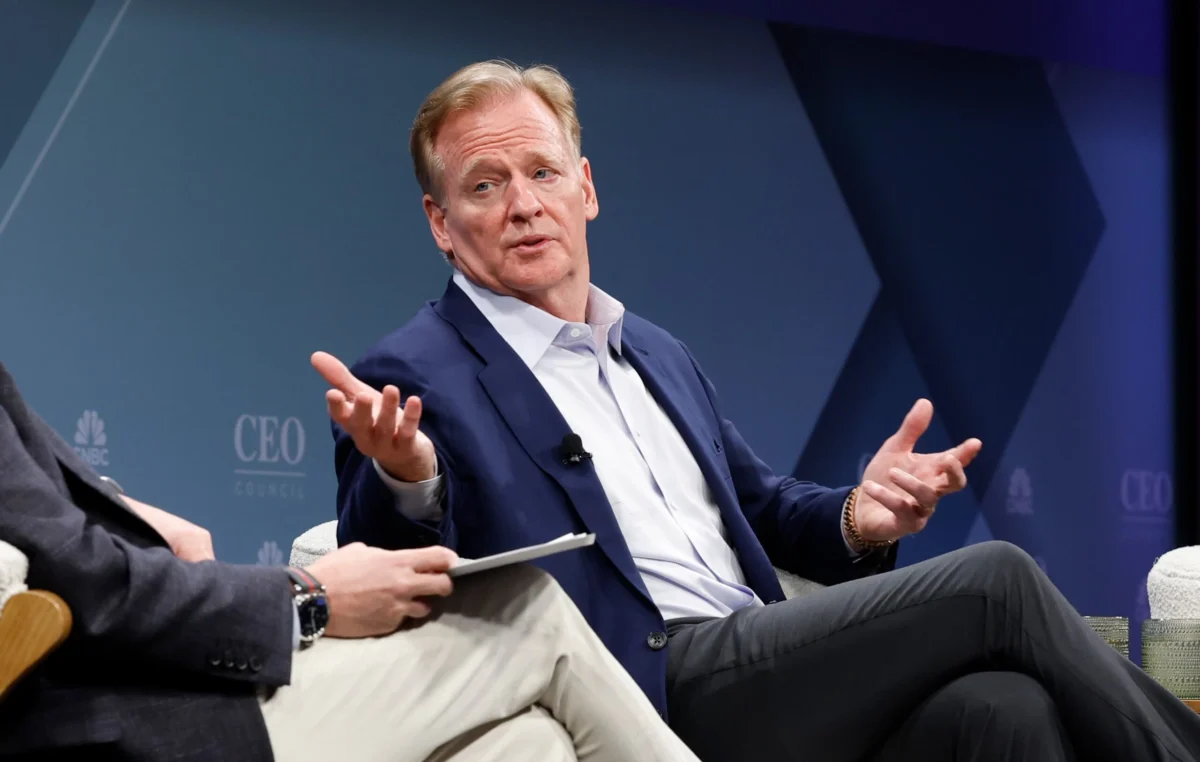
The National Football League and Paramount Skydance have entered the preliminary stages of a high-stakes negotiation to renew the league’s cornerstone Sunday afternoon game package on CBS, a move that signals a massive financial recalibration of the sports media landscape. According to sources familiar with the discussions, the two entities are currently navigating a bid-ask spread with a midpoint representing a 50% to 60% increase over the current valuation. For CBS, which currently pays an average of $2.1 billion annually for its Sunday slate, a 50% hike would elevate its commitment to more than $3 billion per year. This potential agreement comes at a critical juncture for Paramount Global as it navigates a complex merger with Skydance Media and considers a future combined entity with Warner Bros. Discovery.
In exchange for this substantial revenue boost, the NFL is prepared to offer Paramount long-term stability by eliminating a key "opt-out" clause. Under the original 11-year media rights agreement signed in 2021, which runs through the 2033-34 season, the league maintained the right to terminate the deal prematurely following the 2029-30 season. By removing this clause, the NFL would effectively lock CBS into its broadcasting schedule for the remainder of the contract, ensuring a guaranteed revenue stream and a stable partnership for the next eight years. If finalized, the new financial terms would take effect as early as next season, representing a proactive adjustment to a deal that was originally intended to remain static for a longer duration.
The Catalyst: Corporate Restructuring and Change-of-Control Provisions
The acceleration of these negotiations is not merely a byproduct of the NFL’s rising popularity, but a direct result of corporate maneuvering within Paramount Global. The league’s decision to prioritize talks with Paramount’s CBS over other media partners is driven by a specific "change-of-control" provision. This legal trigger was activated following Skydance Media’s acquisition of Paramount Global, a deal valued at approximately $8 billion and approved by the FCC in mid-2025. This provision granted the NFL a unique window to potentially break its contract by 2027, giving the league significant leverage to renegotiate terms before the standard opt-out period.
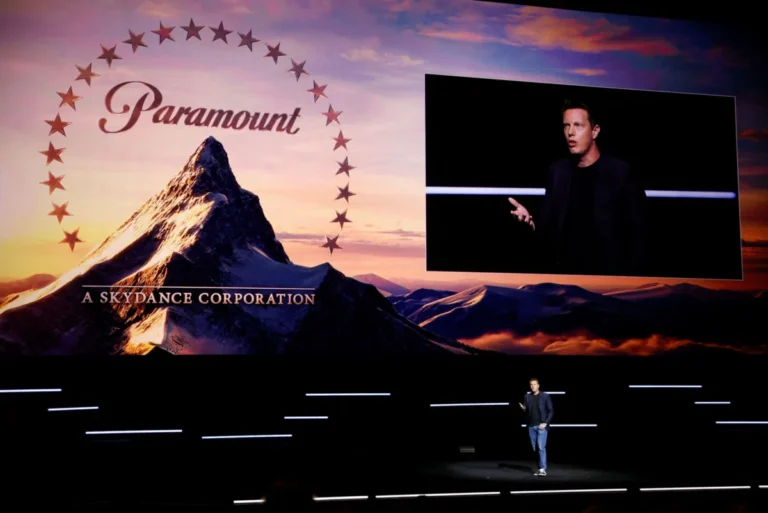
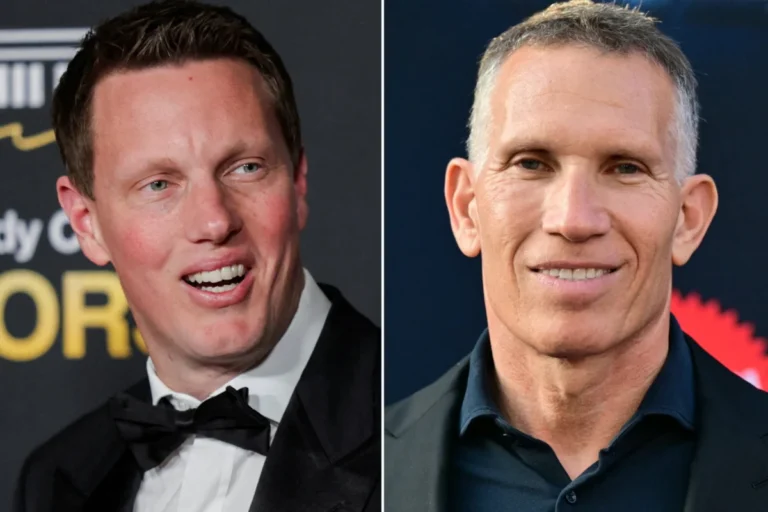
Paramount’s leadership has been vocal about the necessity of maintaining its ties to the NFL. During a recent investor update, Paramount CEO David Ellison described the relationship as "phenomenal" and "essential," noting that the league remains the company’s most important partner. This sentiment was echoed by Paramount Chief Financial Officer Dennis Cinelli, who provided investors with an optimistic financial roadmap. Paramount’s adjusted projection for its earnings before interest, taxes, depreciation, and amortization (EBITDA) for 2026 stands at $3.6 billion. However, should a proposed merger with Warner Bros. Discovery receive regulatory approval, the combined powerhouse is projected to reach an adjusted EBITDA of $18 billion. Such a massive balance sheet would provide the necessary capital to absorb the multi-billion-dollar NFL price hikes while continuing to fund content for the Paramount+ streaming platform.
A Chronology of the NFL’s Media Rights Evolution
To understand the magnitude of the current negotiations, one must look at the timeline of the NFL’s 11-year media rights cycle. In March 2021, the NFL announced a series of historic deals with Amazon, CBS, ESPN/ABC, Fox, and NBC, totaling over $110 billion.
- 2021: The original 11-year agreements are signed, nearly doubling the previous rights fees.
- 2023: The current contracts officially take effect, introducing Amazon Prime Video as the exclusive home of "Thursday Night Football."
- 2025: Skydance Media’s acquisition of Paramount Global triggers the change-of-control clause, allowing the NFL to reopen negotiations with CBS.
- 2026: The NFL oversees a historic season, including a Super Bowl at Levi’s Stadium in Santa Clara, which saw record-breaking viewership and ad revenue.
- 2027: The earliest date the NFL could have exited the CBS deal under the change-of-control provision, now the likely start date for the new $3 billion annual fee.
- 2029-30: The original "opt-out" window for Fox, NBC, and Amazon.
- 2031: The "opt-out" window for Disney’s ESPN and ABC.
- 2033-34: The scheduled conclusion of the current 11-year rights cycle.
By addressing the CBS deal now, the NFL is setting a new floor for the market. Industry analysts suggest that Fox may be the next network to the bargaining table. Because Fox and CBS share similar Sunday afternoon packages, the NFL typically seeks parity in their contractual structures. Fox currently pays approximately $2.2 billion per year. During the Morgan Stanley Technology, Media & Telecom Conference, Fox CEO Lachlan Murdoch acknowledged the "mutually beneficial" nature of the relationship, though he noted that "material conversations" regarding a renewal have yet to begin.
The Streaming Factor and Competitive Disparity
A growing point of contention in these negotiations is the perceived shift in the quality of game packages. Executives at NBCUniversal and Disney have privately expressed concerns that the traditional "Sunday Night Football" and "Monday Night Football" windows have seen their relative value diminished. This is largely attributed to the NFL’s strategic decision to bolster Amazon Prime Video’s "Thursday Night Football" slate with more competitive matchups to drive streaming subscriptions.
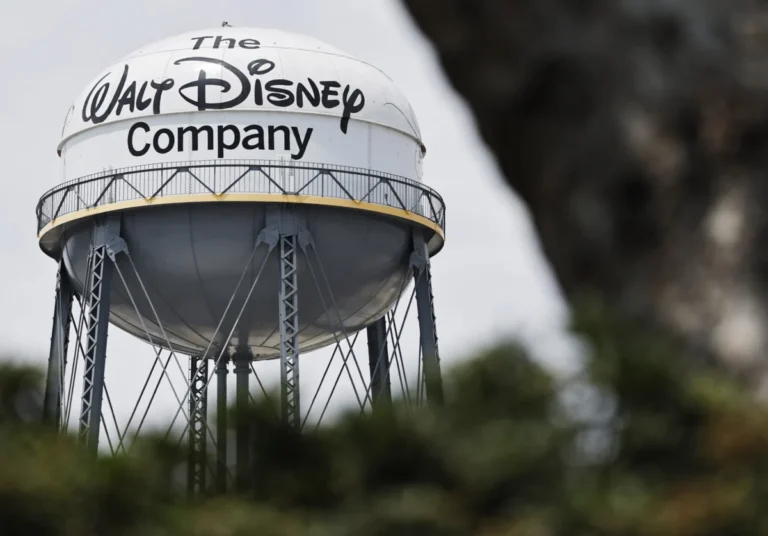
The financial implications for Disney are particularly acute. ESPN currently pays the highest premium of any broadcaster at $2.7 billion annually. If the NFL demands a 50% increase across the board, Disney would be looking at an annual bill exceeding $4 billion for "Monday Night Football." Sources suggest that Disney leadership may "balk" at such a figure, especially as the company balances its transition from linear cable to a direct-to-consumer flagship ESPN streaming service. The NFL’s leverage remains high, however, as live sports continue to be the only genre of television capable of delivering massive, simultaneous audiences in a fragmented media environment.
Downstream Implications for Other Professional Sports
The NFL’s aggressive pursuit of higher rights fees is creating a "crowding out" effect in the sports media marketplace. As broadcasters commit larger portions of their budgets to professional football, other leagues are finding themselves in a precarious position.
The National Hockey League (NHL) is a primary example. The NHL’s current domestic TV deals with Disney and Warner Bros. Discovery are set to expire following the 2028 season. NHL Commissioner Gary Bettman has reportedly engaged in preliminary discussions to secure a renewal, but the league is effectively "in a holding pattern." The completion of the Paramount-WBD merger is seen as a prerequisite for any long-term NHL commitment from Warner Bros. Discovery. NHL spokesman Jon Weinstein clarified that while the league is always talking about the future, those discussions are not formally tethered to the NFL’s timeline, though the economic reality remains linked.
Fox’s Lachlan Murdoch recently noted that the network would likely have to "rebalance" its sports portfolio to accommodate the increased costs of the NFL. This "rebalancing" often means letting go of smaller or mid-tier sports properties. This creates an opportunity for other players, such as Versant (the parent company of NBCUniversal and CNBC). Versant CEO Mark Lazarus indicated that the company is prepared for a "shifting landscape," suggesting that if traditional powers are priced out of the NHL or Major League Baseball (MLB), Versant’s cable assets like USA Network could become aggressive bidders for those rights.
Analysis: Why the NFL Continues to Defy Economic Gravity
The NFL’s ability to command 50% price increases in a period of media consolidation and cord-cutting is a testament to its unique role in American culture. In 2023 and 2024, NFL games accounted for 93 of the top 100 most-watched television broadcasts. For a company like Paramount, the NFL is not just a content play; it is a structural necessity. The games serve as the primary engine for driving subscribers to Paramount+ and providing a massive promotional platform for the rest of its broadcast schedule.
Furthermore, the removal of the 2029-30 opt-out clause provides the NFL with something more valuable than immediate cash: long-term certainty. In an era where the future of linear television is uncertain, having a decade of guaranteed multi-billion-dollar payments from established media titans allows the league to experiment with other digital ventures and international expansion without financial risk.
As the negotiations between Roger Goodell’s office and David Ellison’s Skydance-led Paramount continue, the rest of the media world is watching closely. The final terms of the CBS deal will not only define the future of the NFL on television but will dictate the survival strategies of every other major sports league and media conglomerate for the next decade. For now, the "Shield" remains the most dominant force in entertainment, successfully leveraging corporate mergers and shifting consumer habits to further solidify its financial empire.