

The Road to Revelation: A Chronology of Speculation
The path to the announcement of World of Warcraft: Forever was paved by months of community-driven investigative work. The initial spark occurred in early September 2026, when eagle-eyed data miners discovered hidden color palettes and metadata on the official Blizzard website. These assets, tagged with the curious "wow 2" label, triggered immediate discourse across community forums and social media platforms.
The speculation mirrored the ongoing excitement surrounding Blizzard’s experimental approach to Diablo 2, where small-scale content expansions were received with overwhelming enthusiasm. Fans theorized that "Forever" might serve as a "Classic Plus" experience—a project that would revitalize the original 2004 world with modern mechanical sensibilities. The tension reached a fever pitch last week when official Blizzard channels began teasing a "new era" for Azeroth, culminating in the formal reveal during the BlizzCon 2026 keynote address.
Core Design Philosophy and Narrative Placement
During a post-keynote panel featuring senior game director Ion Hazzikostas and lead Classic designer Tim Jones, the development team clarified the specific design philosophy behind World of Warcraft: Forever. The game is not intended to cannibalize the player base of the existing Modern or Classic servers. Instead, it offers a "fixed-point" experience that caters to players who crave the original aesthetic and gameplay loop of the early game, but with a more robust, evolving content stream.
Narratively, Forever occupies a unique space in the Warcraft timeline. It is set between the events of the newly introduced "Forsaken Kingdom" campaign and the original Molten Core raid. This placement allows the developers to introduce new, canonical stories that feel authentic to the vanilla era without contradicting established major lore beats. By capping the level at 60, Blizzard aims to maintain the high-stakes, gear-focused progression that defined the game’s original success, ensuring that endgame viability remains a focal point for the player community.
Content Expansion and Gameplay Features
The launch content for World of Warcraft: Forever is substantial, indicating that Blizzard has invested significant resources into this project. The base game will feature:
- Three entirely new zones: Designed to integrate seamlessly with the original Azeroth map.
- 1,000+ new quests: Providing a narrative-heavy expansion to the leveling experience.
- Nine new dungeons: Ranging in difficulty to support various player progression stages.
- Two new raids: Specifically tuned for both 10-player and 20-player group compositions, addressing the community demand for flexible raiding options.
- The Skyborne Race: A brand-new, playable race that introduces unique racial abilities and aesthetic customization.
The introduction of the Skyborne represents a significant departure from the original Classic formula, which had historically been restricted to the traditional Warcraft III-era races. This decision suggests that Blizzard intends to use the "Forever" platform to introduce more radical design changes that would be difficult to implement in the existing Classic servers, effectively creating a "sandbox" where they can iterate on game balance and world-building.
Financial and Access Model
One of the most critical aspects of the announcement is the access model. Blizzard has confirmed that access to World of Warcraft: Forever will be included with a standard active WoW subscription. This removes the barrier to entry for the millions of players already paying for the base game.
However, Blizzard has introduced an optional tiered system for those looking to customize their experience. The "Skyborne Heroic Pack" offers early access to the new race and an exclusive starting zone, while the "Skyborne Epic Pack" includes additional perks such as immediate beta access—beginning September 17, 2026—a month of Game Time, and various cosmetic bundles. This hybrid model reflects a growing trend in the industry where base access is democratized, while "early-adopter" perks are monetized to sustain ongoing development costs.
Broad Implications for the Blizzard Ecosystem
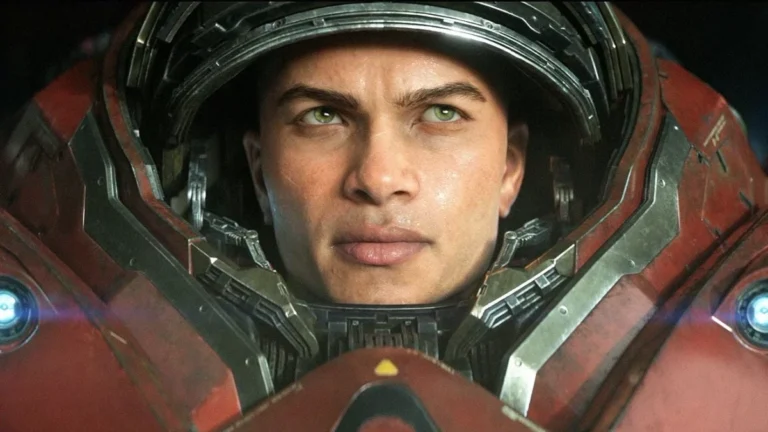
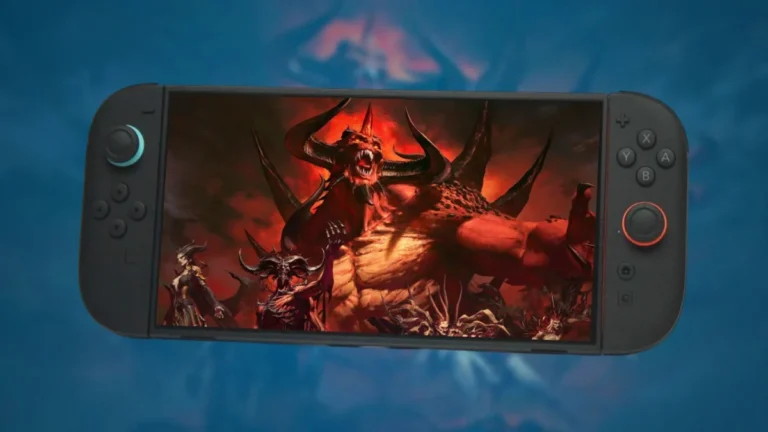
The announcement of World of Warcraft: Forever is symptomatic of a broader strategy shift at Blizzard. The 2026 BlizzCon event served as a showcase for a studio that is increasingly comfortable leaning into its legacy intellectual properties. With the concurrent announcement of Diablo 5—slated for a Spring 2029 release—and an ambitious new open-world StarCraft shooter, Blizzard is clearly pivoting toward a multi-genre future.
For the MMORPG market, the impact of "Forever" cannot be overstated. By creating a permanent home for the "Classic" experience that is also being actively expanded, Blizzard is effectively hedging against the inevitable decline of "Modern" WoW’s complexity. This strategy allows the company to retain players who might otherwise drift away from the game due to the increasing mechanical bloat of current expansions.
Industry analysts suggest that the "Forever" model could become the gold standard for long-running MMOs. By segmenting the audience into different "versions" of the game that all reside under one subscription umbrella, Blizzard ensures that they are providing a tailored experience for every type of player, from the nostalgic purist to the modern raider.

Official Statements and Industry Reception
While the immediate reaction from the BlizzCon audience was overwhelmingly positive, the development team has acknowledged the challenges ahead. Lead software engineer Nora Mills noted during the panel that balancing the new Skyborne race against existing factions would be the primary focus of the upcoming beta period.
"We are listening to the feedback from the Classic community," Mills stated. "The goal is to provide that sense of wonder players felt in 2004, while ensuring that the infrastructure is modern, stable, and responsive to the expectations of a 2026 audience."
The move has also been praised by analysts for its logistical efficiency. By utilizing the existing game engine and asset library, Blizzard can generate significant revenue from the "Forever" servers with lower overhead than developing an entirely new MMO from scratch. This allows for a more aggressive content update schedule, which is vital for maintaining player retention in an increasingly competitive landscape.
Looking Ahead
As the beta for World of Warcraft: Forever looms on the horizon, the player base is already preparing for a massive influx of activity. The 17th September beta launch will be the first true test of the game’s stability and the balance of the new content. If the technical transition is smooth, the November 4th launch could prove to be the most significant milestone for the World of Warcraft brand in a decade.
For Blizzard, the pressure is on to prove that "Forever" is more than just a nostalgic cash-in. By committing to a design philosophy that values player choice, flexible group sizes, and consistent content updates, the company is attempting to rewrite the rules of what an established franchise can achieve two decades after its initial release. Whether this gamble pays off will depend on the reception of the Skyborne race and the overall quality of the new dungeons and raids, but for now, the excitement surrounding the return to the classic world is palpable.
The launch of Forever signals a maturing of the MMORPG genre, where the distinction between "classic" and "modern" is increasingly blurred, replaced instead by a spectrum of gameplay styles all housed within the same digital universe. With its diverse portfolio of new titles and the robust support system behind the "Forever" project, Blizzard seems poised to maintain its dominance in the genre for the foreseeable future, ensuring that the world of Azeroth remains a central fixture of the gaming landscape for years to come.