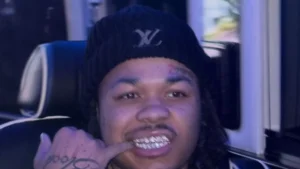
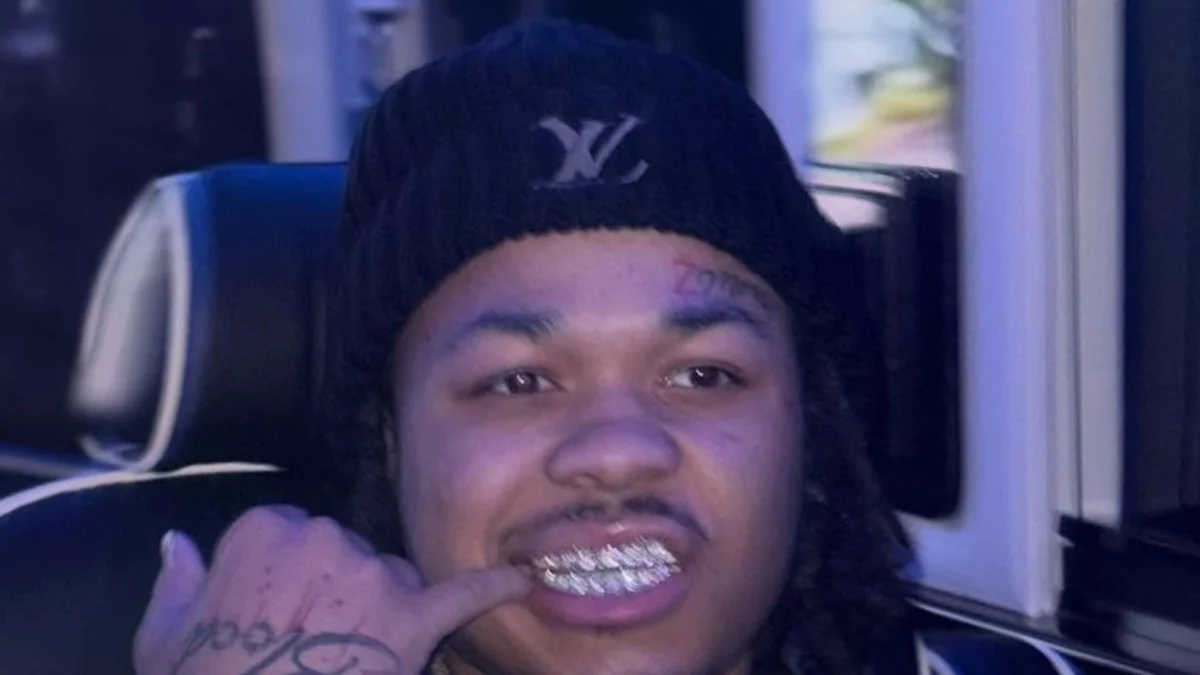
The hip-hop community is mourning yet another young talent cut down in the prime of his life following the tragic killing of Chicago-based rapper BloodHound Q50. Born Mikquale T. Cooper, the 22-year-old artist was fatally shot in the early hours of Sunday, September 14, 2026, during a calculated and brutal ambush at a neighborhood gas station in Chicago’s Fuller Park neighborhood. The incident, which involved multiple masked assailants and an orchestrated convergence of two vehicles, has once again thrust the city’s persistent issue of gun violence and the vulnerabilities faced by emerging recording artists into the national spotlight.
According to preliminary reports from the Chicago Police Department and the Chicago Sun-Times, the fatal encounter unfolded around 4:00 AM at a BP gas station located within the city’s South Side. Cooper was behind the wheel of a white Tesla accompanied by a 29-year-old female passenger. What appeared to be a routine early-morning stop quickly escalated into a coordinated attack, highlighting the dangers that can accompany high-profile public figures when moving through certain urban environments without security details.
Detailed Chronology of the Early-Morning Ambush
Law enforcement timelines reconstructed from surveillance footage and witness accounts provide a chilling narrative of how the ambush was executed. The sequence of events began shortly before 4:00 AM on Sunday, September 14, 2026, when Cooper arrived at the BP gas station in his white Tesla.
Almost simultaneously, a black Infiniti carrying two masked individuals pulled up alongside the Tesla. Moments later, a silver Honda Accord containing four occupants arrived at a separate fuel pump. The synchronicity of the arrivals has led investigators to examine whether the rapper was being tracked or targeted prior to his arrival at the station.
Shortly after parking, Cooper and his 29-year-old female companion exited the vehicle and went inside the convenience store. While they were inside, one of the masked individuals from the Infiniti walked over to the silver Honda Accord and retrieved unknown items from the interior, an action investigators believe may have involved gathering firearms or coordination tools for the impending assault.
The female passenger returned to the vehicle first, driving the white Tesla forward to the store’s main entrance. She then exited the driver’s seat and allowed Cooper to take the wheel. This precise moment of transition proved to be the window the assailants were waiting for.
As Cooper got behind the wheel, all six masked suspects—two from the Infiniti and four from the Honda—converged on the Tesla. Multiple gunmen opened fire directly into the vehicle, striking Cooper in the chest and shoulder. The sheer volume of gunfire also caused extensive property damage, shattering windows and leaving bullet marks on nearby buildings and parked vehicles.
Emergency services were dispatched immediately, with personnel from the Chicago Fire Department arriving at the scene to render medical aid. Despite their efforts, Cooper succumbed to his injuries. He was officially pronounced dead at approximately 4:35 AM by the Cook County Medical Examiner’s Office. The six suspects fled the scene in the two waiting vehicles before law enforcement could arrive. As of Monday, September 15, 2026, no arrests have been made, and the investigation remains active and ongoing.
Background Context and the Rise of BloodHound Q50
Mikquale T. Cooper, professionally known as BloodHound Q50, was part of a new wave of underground hip-hop talent emerging from Chicago. Over the past several years, the city has maintained its reputation as one of the most vital incubators for distinct regional rap subgenres, particularly drill music and its offshoots. Artists utilizing digital distribution platforms have found rapid success by broadcasting raw, unfiltered depictions of street life, local rivalries, and personal survival.
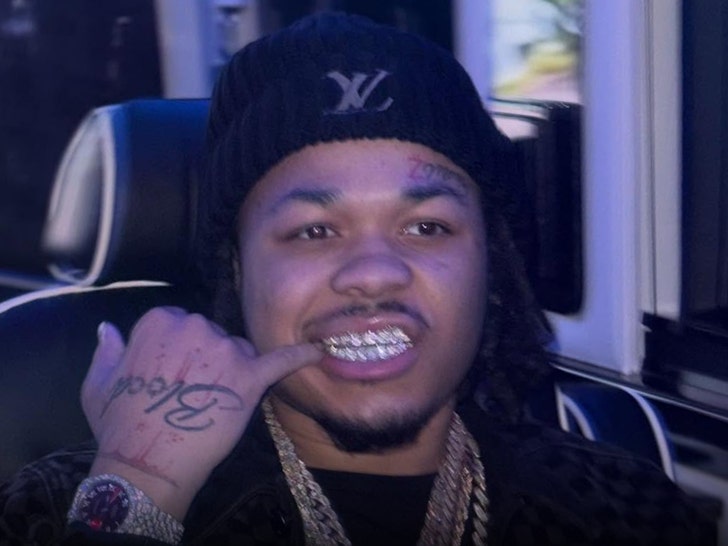
Cooper had been steadily building a loyal fan base through consistent single releases, social media engagement, and collaborations within the local rap ecosystem. Operating under the BloodHound moniker, his music resonated with listeners who gravitated toward authentic, albeit gritty, narratives reflective of his environment. However, the hyper-localized nature of the Chicago rap scene has historically intersected with street conflicts, placing several rising stars in high-risk categories both online and offline.
Music industry analysts note that independent artists without the backing of major labels frequently lack the infrastructure, management teams, or financial resources necessary to secure round-the-clock security. Consequently, young performers often find themselves navigating public spaces in their hometowns unprotected, leaving them vulnerable to opportunistic or targeted acts of violence.
Broader Impact and Implications of Urban Gun Violence
The killing of BloodHound Q50 adds to a grim statistical reality regarding homicides among young adults and recording artists in major metropolitan areas. Chicago, while having implemented numerous policing strategies and community intervention programs over the past decade, continues to grapple with retaliatory violence and the proliferation of illegal firearms.
Community activists and violence prevention organizations have repeatedly emphasized that the loss of young artists goes beyond the entertainment industry, representing a systemic failure to protect youth and young adults from environments saturated with trauma and accessible weaponry. Each high-profile homicide involving a public figure reignites public discourse surrounding public safety, youth mentorship, and the urgent need for comprehensive economic and social interventions in historically underserved neighborhoods like Fuller Park.
Furthermore, the involvement of multiple vehicles and coordinated actors in Cooper’s death points to an increasing level of sophistication in urban ambushes. Law enforcement agencies are facing mounting pressure to utilize advanced surveillance technology, license plate readers, and digital forensics to trace getaway vehicles and dismantle the networks responsible for such calculated strikes.
Official Responses and Ongoing Investigation
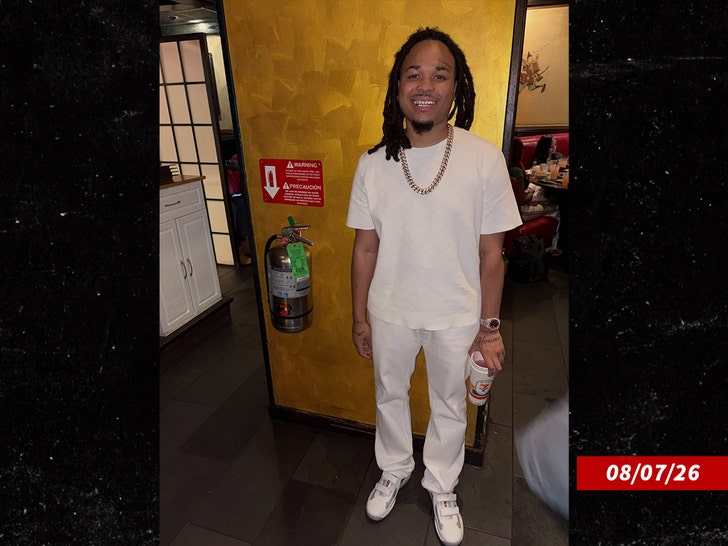
The Chicago Police Department has appealed to the public for assistance in identifying the six suspects involved in the shooting. Detectives are currently reviewing extensive footage from the BP gas station’s security cameras, as well as traffic cameras along potential getaway routes used by the black Infiniti and the silver Honda Accord.
Forensic teams have processed the crime scene for ballistic evidence, DNA, and latent fingerprints left behind during the confrontation. Given the brazen nature of a daytime-style ambush occurring in the early morning hours with multiple participants, federal and local task forces are exploring all potential motives, including personal disputes, gang affiliations, and industry-related conflicts.
As the investigation unfolds, family members, friends, and fans continue to process the sudden and violent loss of the 22-year-old artist. Tributes have poured across social media platforms from fellow musicians and supporters, mourning not only the silencing of a promising artistic voice but also lamenting the broader societal toll of ongoing violence in Chicago.
Further updates regarding potential suspects or arrests are expected to be released by the Chicago Police Department as detectives conduct interviews and evaluate incoming tips from the community. Anyone with information regarding the incident is encouraged to contact local authorities or submit anonymous tips to assist in bringing those responsible to justice.