

The prestigious Cannes Film Festival has significantly broadened its cinematic landscape with the announcement of numerous new additions to its Official Selection for the upcoming 79th edition in 2026. This latest wave of confirmations complements the previously revealed lineups for the festival’s main competition, Critics’ Week, ACID, Directors’ Fortnight (Quinzaine des Cinéastes), and Short Films. The 2026 festival is scheduled to run from May 12th to May 23rd, promising a vibrant showcase of international cinema.
New Additions to the Official Selection
The newly announced titles introduce a compelling array of films across various prestigious sections of the festival. In the highly anticipated Competition section, the festival will feature James Gray’s Paper Tiger. Gray, a celebrated filmmaker known for his evocative storytelling and meticulous craftsmanship, brings another project to the Croisette, a venue where his previous works have often garnered critical acclaim and awards buzz. His inclusion in the main competition signals a strong contender for the Palme d’Or, the festival’s highest honor.
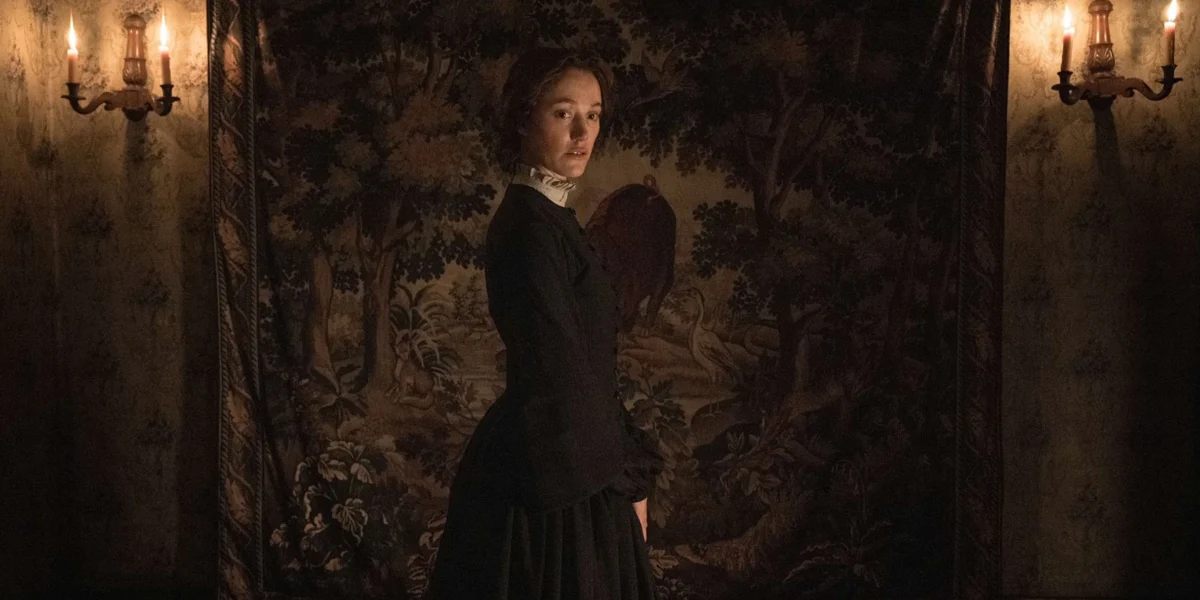
The Un Certain Regard section, which typically highlights original and daring works, will present Zachary Wigon’s Victorian Psycho. This section often serves as a launchpad for emerging talents and distinctive cinematic voices. Also joining Un Certain Regard is Judith Godrèche’s A Girl’s Story, marking a significant directorial effort from the acclaimed actress and filmmaker. Konstantina Kotzamani’s Titanic Ocean, noted as her first film, will also screen in this section, offering a platform for a promising debut. The Un Certain Regard program will conclude with Laetitia Masson’s Ulysse, a film designated as the closing film for this specific sidebar, underscoring its importance within the festival’s curated program.
The Cannes Premiere section, a relatively newer addition designed to present anticipated films outside the main competition, will host a diverse slate. Maria Martinez Bayona’s The End of It, also identified as a first film, is set to premiere. Gessica Généus’s Mary Magdalene and Tiago Guedes’s Aqui are among the titles that will grace this section. Christophe Honoré, a filmmaker with a consistent presence at Cannes, will present Mariage au Goût d’Orange. The section will also feature Géraldine Nakache’s Si Tu Penses Bien. This segment allows for the celebration of established and emerging directors presenting significant works without the direct pressure of the Palme d’Or race.
The Special Screenings category, which accommodates films of particular interest that do not fit into other sections, has added several noteworthy titles. Rostislav Kirpičenko’s Spring, another debut film, will be showcased. Diego Luna, known for his acting and directorial work, will present Ashes. Leah Nelson’s Tangles, an animated first film, highlights the festival’s commitment to diverse formats. Hélène Rosselet-Ruiz’s Le Triangle d’Or, also a debut film, and Joshua and Rebecca Tickell’s documentary Groundswell round out this diverse lineup.
Finally, the Family Screening section will feature Olivier Clert’s Lucy Lost, an animated first film, ensuring that the festival caters to a broad audience, including younger viewers and families.
Context and Significance of the Cannes Film Festival
The Cannes Film Festival, established in 1946, is one of the oldest and most prestigious film festivals in the world. Held annually on the French Riviera, it serves as a crucial platform for filmmakers to premiere their latest works, attract international distributors, and gain critical recognition. The festival’s Official Selection is a highly curated list of films chosen from thousands of submissions, representing the best of global cinema.
The festival is divided into several sections, each with its own distinct focus and prestige:
- Competition: The most coveted section, where films vie for the Palme d’Or, the festival’s top prize, and other jury awards.
- Un Certain Regard: Focuses on original and unconventional films, often showcasing emerging talent and diverse perspectives.
- Cannes Premiere: A section for films that are highly anticipated and deserve a premiere on the big screen, often featuring established filmmakers and stars.
- Out of Competition: Screens significant films by major directors that are not part of the Palme d’Or race.
- Special Screenings: Features films of particular interest, including documentaries, shorts, and experimental works.
- Midnight Screenings: Showcases genre films, often thrillers, horror, or avant-garde works, presented late at night.
- Cinéma de la Plage: Free open-air screenings for the public on the beach.
Beyond the Official Selection, Cannes also hosts parallel sections such as Critics’ Week (Semaine de la Critique), dedicated to first and second films by emerging directors, and the Directors’ Fortnight (Quinzaine des Cinéastes), an independent section run by the French Directors’ Guild. The ACID (Association for the Diffusion of Independent Cinema) program champions independent films.

The announcements made for the 2026 festival are part of a carefully orchestrated process that begins months in advance. Film submissions typically close in the late autumn or early winter, followed by a rigorous selection period by the festival’s programming committees. The main competition lineup is usually revealed in April, a month before the festival begins, generating considerable anticipation and media attention. The subsequent announcements for parallel sections and other additions continue to build momentum.
Supporting Data and Trends
The inclusion of multiple "first films" across various sections, including Titanic Ocean, The End of It, Spring, Tangles, Le Triangle d’Or, and Lucy Lost, underscores Cannes’s ongoing commitment to discovering and nurturing new directorial talent. This practice is vital for the sustainability of the film industry, introducing fresh perspectives and innovative storytelling to the global stage.
The presence of established directors like James Gray and Christophe Honoré alongside emerging voices highlights the festival’s dual role: celebrating cinematic masters while championing the future of filmmaking. The inclusion of animated features like Tangles and Lucy Lost, as well as a documentary in Groundswell, reflects the festival’s dedication to showcasing the breadth and diversity of cinematic forms.
The dates for the 79th Cannes Film Festival, May 12th to May 23rd, place it within its traditional spring timeframe, a period eagerly awaited by industry professionals, filmmakers, critics, and cinephiles worldwide. This timing allows for films to be positioned for subsequent awards seasons, particularly the Oscars, if they gain significant traction at Cannes.
Broader Impact and Implications
The announcement of the expanded Official Selection for the 79th Cannes Film Festival has significant implications for the global film market. For the selected filmmakers, a Cannes premiere offers unparalleled exposure, potentially leading to international distribution deals, critical acclaim, and increased opportunities for future projects. The festival’s platform can transform a film’s trajectory, elevating it from a niche production to a globally recognized work of art.
For distributors and sales agents, Cannes is a primary marketplace. The films added to the Official Selection will undoubtedly be highly sought after, with buyers and festival programmers eager to secure rights. The buzz generated at Cannes can significantly influence a film’s box office performance and its critical reception throughout the year.
Furthermore, the festival’s programming choices often reflect broader cultural and societal trends. The selection of films addressing diverse themes, originating from various geographical regions, and employing different cinematic approaches provides a snapshot of contemporary global cinema and the issues that resonate with artists and audiences alike.
The presence of critics and journalists from major publications worldwide at Cannes ensures that these films receive extensive coverage. Reviews and analyses published during the festival can shape public perception and contribute to a film’s legacy. Next Best Picture’s team, including Cody Dericks, Nadia Dalimonte, and Matt Neglia, will be attending in person, underscoring the festival’s importance for film journalism and analysis. Their coverage will contribute to the ongoing discourse surrounding the films and the festival itself.
Looking Ahead to the 79th Edition
As the 79th Cannes Film Festival approaches, the confirmed additions to its Official Selection paint a picture of a robust and diverse cinematic offering. The festival’s ability to balance established auteurs with groundbreaking new voices, and to embrace a wide spectrum of genres and formats, reinforces its position as a pivotal event in the international film calendar. The coming months will undoubtedly see further details emerge, including the complete lineup for the main competition and the full program for all sections, further fueling anticipation for what promises to be another landmark edition of the Cannes Film Festival. The festival’s continued evolution and its dedication to showcasing cinematic excellence ensure its enduring relevance in an ever-changing media landscape.