

September traditionally marks a critical juncture in the global television calendar, bridging the gap between summer’s major blockbuster finales and the rollout of heavy-hitting prestige autumn programming. As streaming services and traditional networks alike pivot toward their most ambitious slates of the year, audiences are presented with a diverse array of content spanning high-concept science fiction, biting political satire, gritty crime dramas, and foundational anime classics. Rather than tracking mainstream pop-culture anomalies, the current television landscape highlights intersections between modern technology, shifting socio-political paradigms, and evolving global cultures. Industry analysts note that this fall season heavily favors multi-timeline narratives, intellectual property expansions, and nostalgic revivals designed to capture fragmented viewing audiences across multiple platforms.
The Evolution of Workplace Satire: The Paper Returns for Season Two
The landscape of modern journalism undergoes a sharp, satirical examination with the return of The Paper, a spiritual successor and thematic spinoff to the cultural phenomenon The Office. Developed by creators Greg Daniels and Michael Koman, the series shifts its narrative focus from corporate paper distribution to the precarious financial and ethical realities of print media in the digital age.
Set within the offices of the fictional Toledo Truth Teller, the second season—which premiered on September 9—follows the publication’s revitalization under idealistic, newly appointed editor-in-chief Ned Sampson, portrayed by Domhnall Gleeson, alongside ambitious investigative reporter Mare Pritti, played by Chelsea Frei. Media researchers observe that the show taps into contemporary anxiety regarding the decline of local news ecosystems, algorithmic aggregation, and the democratization of information. By balancing deadpan workplace comedy with commentary on institutional survival, The Paper addresses how digital-first monetization strategies and shifting consumer habits continue to reshape Fourth Estate responsibilities.
Expanding the Galaxy: Lego Star Wars: The Mandalorian
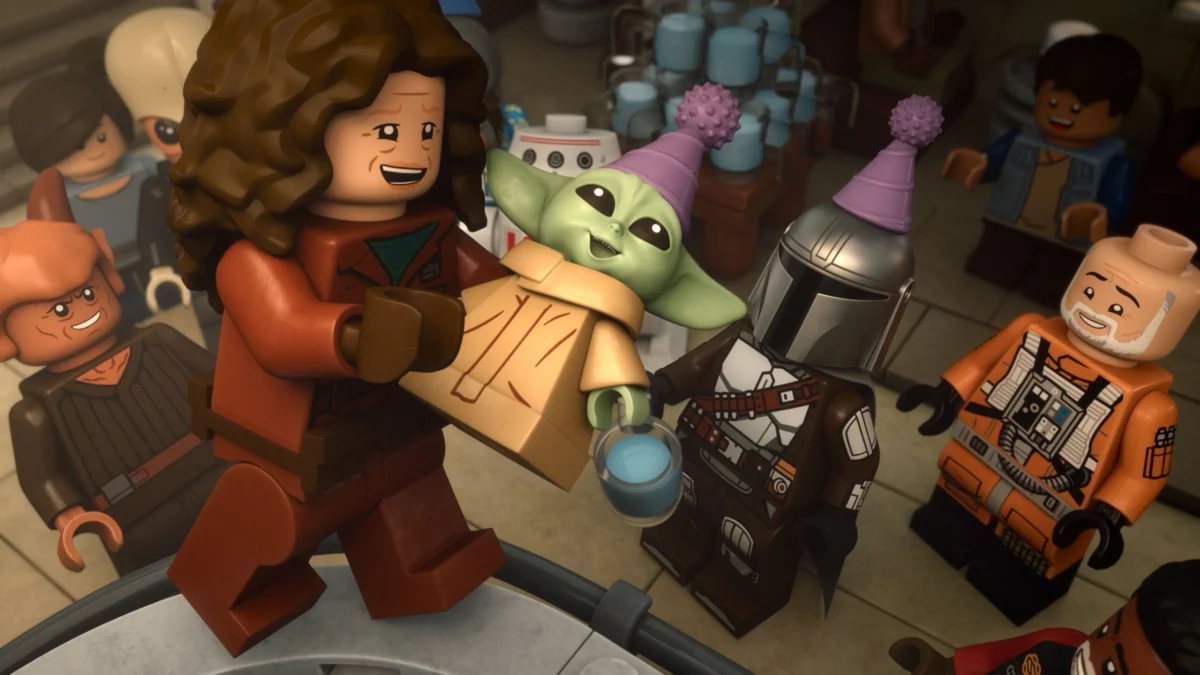
In an unconventional distribution and production strategy, Lucasfilm has partnered with the Lego Group to adapt the flagship live-action series The Mandalorian into an animated comedy special. Premiering amid mixed box-office performance for the summer cinematic release The Mandalorian and Grogu, this 49-minute reimagining condenses the first three seasons of the Pedro Pascal-anchored narrative into a streamlined format.
The project traces the journey of bounty hunter Din Djarin, voiced in this iteration by Gavin Hammon, and the Force-sensitive infant Grogu. Industry observers suggest that condensing a multi-season narrative arc into a family-friendly Lego animation serves a dual purpose: it lowers the barrier of entry for younger demographics and casual viewers while revitalizing merchandise engagement. Lucasfilm executives have emphasized that cross-medium adaptations allow established intellectual properties to experiment with tone without disrupting the continuity of primary canon.
Political Satire and Cultural Longevity: South Park Renamed South America
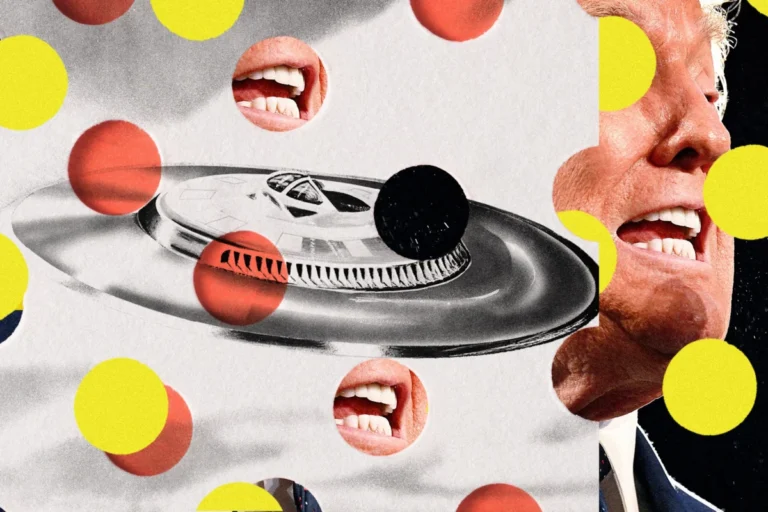
Approaching its milestone 30th year of broadcast, Comedy Central’s South Park continues to push the boundaries of animated satire. Created by Trey Parker and Matt Stone, the series has evolved from a crude, character-driven comedy into a reactive political lightning rod, tackling high-profile political figures including Donald Trump, JD Vance, Pete Hegseth, and Kristi Noem over recent cycles.
The program’s satirical commentary recently earned recognition from the television academy, securing the 2026 Primetime Emmy Award for Outstanding Animated Program. Demonstrating their trademark willingness to court controversy, Parker and Stone announced a satirical title change for the show’s 29th season, officially rechristening it South America ahead of its September 16 premiere. Political communication experts point out that the series’ ability to rapidly integrate real-world geopolitical developments into its production pipeline remains a unique anomaly in episodic television, often triggering official responses from institutional figures and public relations representatives.
Prestige Espionage and Workplace Dynamics: Slow Horses Season Six
Apple TV+’s critically acclaimed spy thriller Slow Horses returns for its sixth season on September 16, continuing its adaptation of Mick Herron’s Slough House literary series. The narrative centers on MI5’s administrative dumping ground for agents who have committed career-ending mistakes, operating under the eccentric, abrasive, and brilliant leadership of Jackson Lamb, portrayed by Academy Award winner Gary Oldman.
Media analysts frequently categorize Slow Horses as a structural bridge between classic John le Carré espionage and contemporary workplace comedies. The series has garnered widespread critical acclaim for its subversion of traditional spy tropes, favoring bureaucratic infighting, institutional cynicism, and character-driven dialogue over high-tech gadgetry. Furthermore, the cultural footprint of the series has expanded beyond television; lead ensemble member Jack Lowden has emerged as a prominent figure in entertainment wagering markets regarding potential future casting for the James Bond franchise.
Climate Dystopia Meets Supernatural Thriller: City of Blood
International co-productions continue to occupy a vital space in the global streaming market with the debut of the German eight-episode miniseries City of Blood on September 16. Set against the backdrop of a near-future Berlin devastated by runaway climate change, the narrative explores a socio-economic divide wherein privileged populations reside beneath climate-controlled domes while the remainder of the populace contends with extreme heat and infrastructural collapse.
Directed toward audiences interested in speculative fiction, the series incorporates supernatural elements by introducing a vampire population that preys upon the societal chaos, transforming human blood into the city’s most heavily traded commodity. Series leads Lea Drinda and Soma Pysall star as estranged sisters whose reunion uncovers a systemic political conspiracy. Cultural critics note a rising trend in European speculative television utilizing climate change as a foundational antagonist rather than a distant backdrop.
MobLand Prepares for High-Stakes Return Amid Behind-the-Scenes Scrutiny
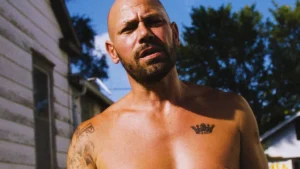
Crime drama MobLand returns for its second season on September 18, bringing renewed attention to its star-studded ensemble cast, which features Tom Hardy, Pierce Brosnan, and Helen Mirren. Hardy reprises his role as street-smart fixer Harry Da Souza, navigating internal criminal tensions within the Harrington family empire against the backdrop of shifting regional loyalties and technological disruption from security specialist Zosia, played by Jasmine Jobson.
The production has experienced notable media scrutiny following well-publicized behind-the-scenes friction involving principal cast members. Despite off-screen tensions, network executives confirmed that Hardy has already committed to a third season. The series, bolstered by its prominent use of Fontaines D.C.’s track "Starburster" as a sonic anchor, represents a traditional yet high-budget approach to serialized crime drama in an era dominated by limited series formats.
Expanding Time and Space: Outlander: Blood of My Blood
Starz continues to capitalize on the sustained popularity of its historical time-travel franchise with the second-season premiere of Outlander: Blood of My Blood on September 18. Serving as a prequel to the core series, the narrative bifurcates across dual historical timelines: 18th-century Scotland, detailing the romance between Jamie Fraser’s parents Brian Fraser (Jamie Roy) and Ellen MacKenzie (Harriet Slater), and World War I-era England, following the courtship of Claire Beauchamp’s parents Henry Beauchamp (Jeremy Irvine) and Julia Moriston (Hermione Corfield).
Television historians attribute the enduring viability of the Outlander universe to its deliberate blending of romance, historical detail, and speculative plotting. By examining the ancestral antecedents of primary characters, the prequel attempts to decode the genetic and historical forces that shaped the original protagonists, retaining core viewership while establishing a distinct period-piece identity.
The Crossover Event: American Horror Story Season Thirteen
Ryan Murphy and Brad Falchuk’s foundational horror anthology American Horror Story returns for its thirteenth season on September 26. Billed by production insiders as an "endgame-level" crossover event, the upcoming season draws narrative threads from across the entirety of the franchise’s history, placing a specific emphasis on the mythology established in its "Coven" and "Apocalypse" story arcs.
The season relies heavily on nostalgia and continuity, assembling an ensemble cast of franchise mainstays including Sarah Paulson, Evan Peters, Jessica Lange, Kathy Bates, Emma Roberts, Billie Lourd, and Angela Bassett, with several actors slated to portray multiple characters. Television analysts view this strategic retrospective as a masterclass in long-tail franchise management, rewarding longtime viewers while reinvigorating interest through cinematic universe construction within the television medium.
Landmark Anime Resurgence: Neon Genesis Evangelion on The Criterion Channel
Concluding the month’s notable premieres is a significant distribution milestone for the animation medium. On September 26, The Criterion Channel will make all 26 episodes of the original 1995 Japanese anime series Neon Genesis Evangelion available for streaming, offering viewers access to the classic pre-Netflix English dub alongside the original Japanese-language audio tracks.
Created by Hideaki Anno and produced by Tatsunoko Production and Gainax, the series follows adolescent pilots operating biomechanical mecha known as Evangelions to defend post-apocalyptic Tokyo-3 from enigmatic entities designated as Angels. Beyond its contributions to the mecha genre, Neon Genesis Evangelion is widely studied by film and media scholars for its psychological depth, exploration of existential trauma, and deconstruction of heroic tropes. The inclusion of the series in The Criterion Channel’s permanent catalog underscores the growing institutional recognition of anime as a pillar of modern cinematic art.