

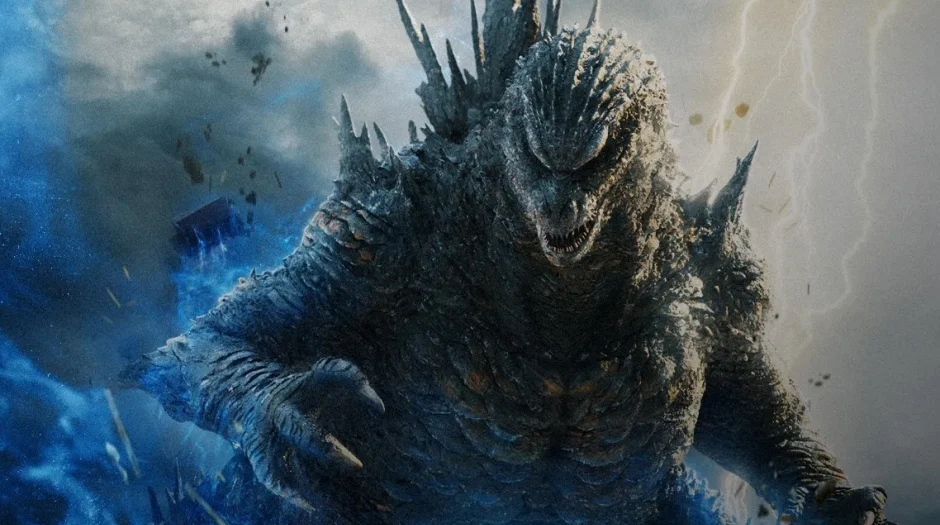
The global cinematic landscape is once again preparing for the unstoppable march of Toho’s most iconic creation, as fresh details emerge regarding the highly anticipated follow-up to one of the most successful international releases of recent years. Toho Company and distributor GKIDS have officially unveiled the new promotional trailer, theatrical poster, and robust release schedule for Godzilla Minus Zero, directed by visionary filmmaker Takashi Yamazaki. Following the historic, Academy Award-winning triumph of Godzilla Minus One, this latest installment aims to push technical boundaries even further while continuing the deeply personal narrative of its predecessor.
The rollout for the film is structured across major global milestones, beginning with a high-profile world premiere as the official Spotlight Gala selection of the 64th New York Film Festival on Saturday, September 26. This prestigious festival debut will be followed closely by the film’s domestic theatrical release in Japan on November 3—a historically significant date tied to the anniversary of the original 1954 Godzilla film. International audiences in North America will not have to wait long to experience the devastation, with GKIDS scheduling a wide theatrical rollout to begin on November 6.
Plot Continuity and the 1949 Post-War Timeline
Set against the fragile backdrop of post-war recovery, Godzilla Minus Zero picks up its narrative thread in 1949, exactly two years after the harrowing events depicted in Godzilla Minus One. The Shikishima family, having barely survived the initial catastrophic encounters with the legendary kaiju, now finds themselves confronting an entirely new and multifaceted calamity. While the government and civilian populations attempt to rebuild their shattered infrastructure and psychological resilience, the unmistakable reality of the monster’s survival shatters any fleeting sense of peace.
The recently released promotional footage confirms that the King of the Monsters did not perish beneath the waves or succumb to the desperate countermeasures deployed in 2024’s predecessor. Instead, the trailer teases the mobilization of a sophisticated, high-stakes kaiju extermination operation. Rather than relying solely on brute military force, the narrative weaves together complex geopolitical tensions, scientific ingenuity, and the human cost borne by everyday citizens striving to protect their families from forces entirely beyond their control.
Expanding the Cast and Crew
Director Takashi Yamazaki returns to helm the project, bringing back his signature blend of emotional character-driven storytelling and cutting-edge visual effects. Alongside familiar faces returning from the first film, Godzilla Minus Zero introduces a slate of vital new characters designed to broaden the scope of the disaster response.

Among the key additions to the cast is Masami Nagasawa, who steps into the role of Makoto Aoyama, a brilliant weather forecaster assigned to the elite Disaster Response Bureau whose meteorological insights become crucial to tracking the creature. The ensemble is further strengthened by the inclusion of seasoned actor Jun Kunimura as Dr. Ogata, and Ko Maehara as Akira Hagiwara, an assistant to the established character Professor Murakami, portrayed by Min Tanaka.
Continuity with the previous film is maintained through the return of Motosuke Iida, who reprises his role as Akio Itagaki, the Toyo Balloon section chief instrumental in the first film’s extermination initiatives. The expanded roster also welcomes Kenji Misuhashi, Eita Okuno, and Kai Inowaki, rounding out an ensemble cast designed to reflect the multi-layered societal response to a national emergency.
A Historic Technical Milestone: Filmed for IMAX
In a groundbreaking development for the legendary Japanese film franchise, Godzilla Minus Zero has been shot entirely within Japan using equipment that earns it the distinction of being the first Japanese production to be officially Filmed For IMAX.
Rather than undergoing a standard post-production conversion, the production utilized IMAX-certified, high-definition digital cameras. Every frame of the film has been meticulously composed to take full advantage of the towering aspect ratios and expansive field of view native to IMAX auditoriums. Furthermore, the sound design and optical mastering have been fine-tuned specifically for IMAX proprietary sound systems and screen geometries. This technical achievement marks a significant evolution in Japanese filmmaking, placing domestic productions on equal footing with major Hollywood blockbusters regarding high-end premium large-format presentation.
The Legacy and Economic Impact of Godzilla Minus One
The anticipation surrounding Godzilla Minus Zero is inextricably linked to the unprecedented global phenomenon of its predecessor. Released with a reported, highly conservative budget estimated between $10 million and $15 million, Godzilla Minus One defied conventional industry expectations. It became a massive box-office success worldwide, captivating audiences with its rich character development, evocative period setting, and surprisingly photorealistic visual effects executed by director Yamazaki and his in-house visual effects team at Shirogumi.
The film’s cultural and critical trajectory culminated in a historic milestone at the 96th Academy Awards in 2024, where Godzilla Minus One secured the Oscar for Best Visual Effects. This victory marked a watershed moment in cinematic history, as it was the first time a film in the nearly seventy-year-old Godzilla franchise received competitive recognition from the Academy. The achievement demonstrated that compelling storytelling, emotional resonance, and efficient resource allocation could rival or surpass the output of studios operating with budgets ten times larger.

Strategic Distribution and North American Partnership
Following Toho’s strategic acquisition of GKIDS in 2024, the renowned independent animation and foreign-language film distributor has solidified its role in bringing Toho’s premier live-action properties to North American audiences. By leveraging GKIDS’ established theatrical distribution network, Toho ensures that Godzilla Minus Zero receives a robust, targeted release strategy across the United States and Canada.
This partnership bridges the gap between specialized international cinema and mainstream theatrical exhibition, allowing the film to secure premium screen allocations and wide market penetration during its November rollout. Industry analysts anticipate that the combined momentum of the Academy Award win, the IMAX certification, and GKIDS’ promotional outreach will drive strong box-office returns during the traditionally competitive autumn theatrical window.
Broader Industry Implications and Franchise Future
The release of Godzilla Minus Zero represents a strategic pivot for Toho in how it manages its flagship intellectual property on a global scale. Historically, Japanese Godzilla films were treated primarily as domestic products with international distribution occurring as an afterthought. Under the current corporate strategy, international markets—particularly North America—are treated as primary tiers in the distribution matrix from the earliest stages of production planning.
By committing to premium formats like IMAX and positioning the film within prestigious international film festivals such as the New York Film Festival, Toho is actively elevating the artistic and technical prestige of the kaiju genre. No longer viewed strictly as niche creature features, modern iterations of the franchise are being recognized as sophisticated dramatic narratives that address historical trauma, institutional failure, and the resilience of the human spirit in the face of existential threats.
As the theatrical release dates draw closer, public interest remains exceptionally high. With the narrative complications of the Shikishima family’s 1949 reality, the integration of advanced IMAX cinematography, and the proven creative leadership of Takashi Yamazaki, Godzilla Minus Zero is well-positioned to build upon the monumental legacy of its predecessor and redefine the boundaries of modern monster cinema.